Understanding LED Spotlights and Their Dimming Capabilities
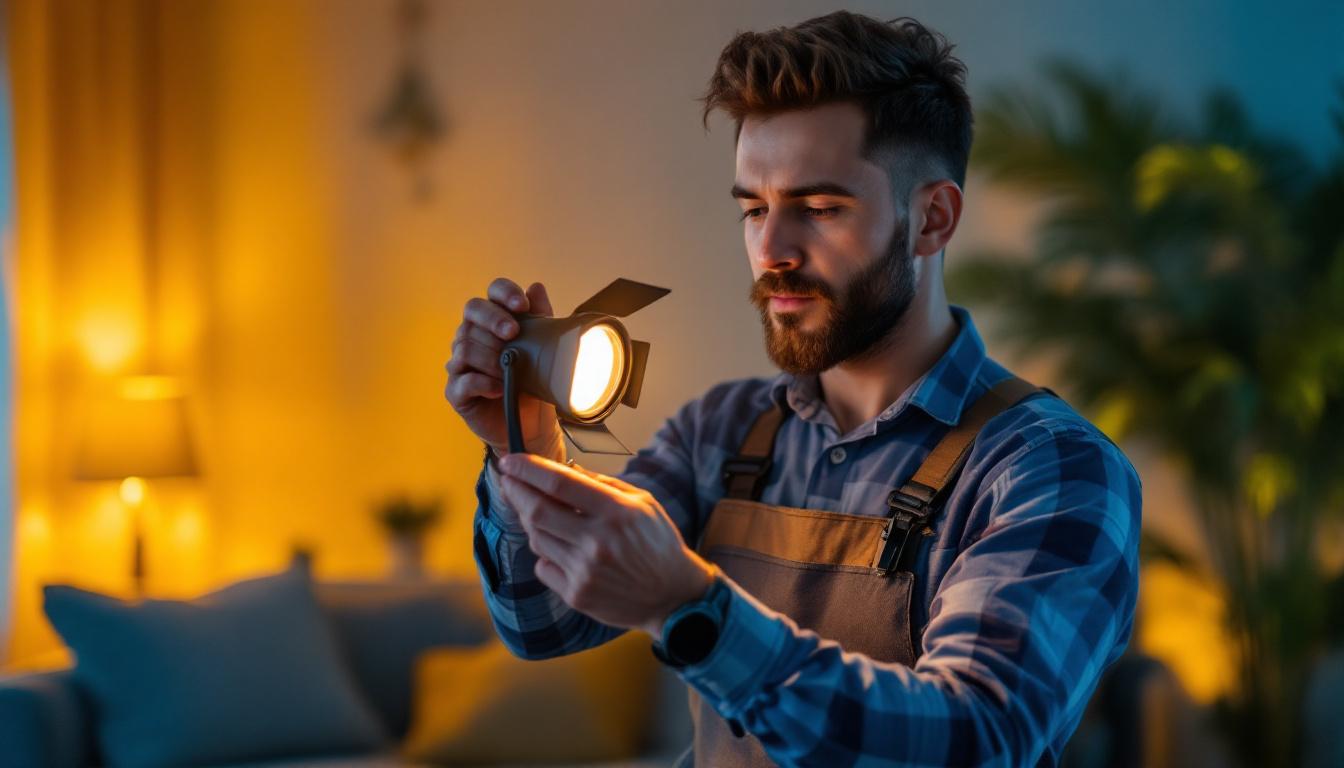
LED spotlights have revolutionized the lighting industry by offering energy-efficient, long-lasting, and versatile illumination solutions. For lighting contractors, understanding the intricacies of LED technology is crucial, especially when it comes to dimming capabilities. Unlike traditional incandescent bulbs, LEDs operate on semiconductor technology, which affects how they respond to dimming controls.
One of the most common questions contractors encounter is whether LED spotlights can be dimmed. The answer is yes—but with important caveats. Not all LED spotlights are designed to be dimmable, and using incompatible dimmers can lead to flickering, buzzing, or even damage to the fixture. Therefore, selecting the right combination of LED spotlights and dimming systems is essential for achieving smooth and reliable dimming performance.
Moreover, understanding the electrical characteristics of LEDs, such as forward voltage and current requirements, helps contractors make informed decisions when designing lighting systems. This knowledge ensures that dimming controls can be integrated seamlessly, enhancing both functionality and client satisfaction.
In addition to compatibility, the type of dimming technology used can significantly impact performance. There are several dimming methods available, including trailing-edge and leading-edge dimming, each with its own advantages and drawbacks. Trailing-edge dimmers are often recommended for LED applications as they provide smoother dimming and reduce the risk of flickering. However, leading-edge dimmers may still be found in older installations, and understanding how to retrofit these systems can be beneficial for contractors looking to upgrade existing lighting setups.
Furthermore, the dimming range of LED spotlights can vary widely between manufacturers and models. Some LEDs may only dim down to 50% brightness, while others can achieve a much lower level, creating a more intimate atmosphere in spaces like restaurants or theaters. Contractors should also consider the color temperature shift that can occur when dimming LEDs; some products maintain their color consistency better than others, which can be a critical factor in achieving the desired ambiance. By staying informed about these nuances, contractors can offer tailored solutions that meet their clients’ specific lighting needs and preferences.
Types of Dimmable LED Spotlights and Their Compatibility
Trailing Edge vs. Leading Edge Dimmers
LED spotlights typically require specific types of dimmers designed to handle their low wattage and electronic drivers. The two primary categories of dimmers are leading edge (forward phase) and trailing edge (reverse phase).
Leading edge dimmers were originally designed for incandescent and halogen bulbs and work by cutting the beginning of the AC waveform. While some LED spotlights can work with leading edge dimmers, this is not always ideal, as it may cause flickering or limited dimming range. This flickering can be particularly noticeable at lower dimming levels, which can detract from the intended ambiance of a space. Additionally, the compatibility issues may lead to a shorter lifespan for the LED bulbs, as the electrical stress can affect their performance over time.
Trailing edge dimmers, on the other hand, cut the end of the waveform and are generally more compatible with LED technology. They provide smoother dimming, reduced noise, and better protection for the LED drivers. Unlike their leading edge counterparts, trailing edge dimmers can handle the rapid on-off cycles that LED technology often requires, resulting in a more stable light output. Lighting contractors should prioritize trailing edge dimmers when specifying dimmable LED spotlights to ensure optimal performance. Furthermore, many modern trailing edge dimmers come equipped with features such as soft-start technology, which gradually increases brightness, enhancing the overall user experience.
Types of Dimmable LED Spotlights
LED spotlights come in various forms, including GU10, MR16, and integrated fixtures. Some are explicitly labeled as “dimmable,” while others are not. It is critical to verify the manufacturer’s specifications before installation.
For example, GU10 LED spotlights designed with dimmable drivers can often be paired with compatible dimmers to achieve a smooth dimming curve. These bulbs are popular in residential and commercial settings due to their versatility and ease of installation. MR16 LED spotlights, which may operate on low voltage with transformers, require additional consideration to ensure the transformers themselves are compatible with dimming controls. The choice of transformer can significantly impact the performance of MR16 LEDs, as some transformers may not support the low wattage of modern LED technology, leading to issues such as flickering or even complete failure to dim.
Integrated LED spotlights, where the LED module and driver are built into the fixture, often have proprietary dimming requirements. Contractors should consult technical datasheets or manufacturer support to select appropriate dimming systems for these fixtures. These integrated options are increasingly popular due to their sleek design and ease of installation, but they may come with limitations regarding compatibility with existing dimming systems. Additionally, the lifespan and efficiency of integrated fixtures can vary widely based on the quality of the driver used, making it essential to choose reputable brands that provide clear specifications and support for their products. Understanding these nuances can help ensure that the lighting design meets both aesthetic and functional needs effectively.
Key Considerations When Installing Dimmable LED Spotlights
Load Requirements and Minimum Wattage
One of the challenges with LED dimming is the low wattage load presented by LED spotlights compared to traditional bulbs. Many dimmers have a minimum load requirement, often around 40 to 60 watts, which incandescent bulbs easily exceed but LED spotlights may not.
Lighting contractors must calculate the total wattage of the LED spotlights on a dimmer circuit and ensure it meets the dimmer’s minimum load. If the load is too low, issues such as flickering or the dimmer failing to operate can occur. Solutions include using dimmers specifically designed for low loads or adding dummy loads, though the latter is less energy-efficient.
Compatibility Testing and Field Verification
Due to the wide variety of LED spotlights and dimmers on the market, compatibility testing is a vital step before full installation. Contractors should perform on-site tests with the selected dimmers and LED spotlights to observe dimming behavior, including smoothness, flicker, and noise.
Many manufacturers provide compatibility charts that list tested dimmer models for their LED products. While these charts are helpful, real-world conditions such as wiring length, voltage fluctuations, and environmental factors can influence performance. Field verification ensures that the lighting system will meet client expectations.
Wiring and Installation Best Practices
Proper wiring and installation practices are fundamental to achieving reliable dimming performance. Contractors should ensure that dimmers are installed according to manufacturer instructions, including correct wiring polarity and grounding.
Additionally, separating dimmer circuits from other high-power loads can reduce electrical noise that might interfere with LED drivers. Using shielded cables and minimizing cable length between the dimmer and LED fixtures can also improve performance.
Advanced Dimming Technologies and Trends
Digital and Smart Dimming Systems
Modern lighting projects increasingly incorporate digital and smart dimming technologies, such as DALI (Digital Addressable Lighting Interface) and Zigbee. These systems offer precise control over LED spotlights, including color temperature adjustment and scene setting capabilities.
For lighting contractors, integrating smart dimming systems requires familiarity with communication protocols and control interfaces. These systems can provide enhanced flexibility and energy savings but may involve higher upfront costs and more complex installation procedures.
Phase-Cut vs. 0-10V Dimming
Phase-cut dimming, including leading and trailing edge, is common for residential and small commercial applications. However, 0-10V dimming is often preferred for larger or more sophisticated lighting installations due to its linear dimming curve and compatibility with a wide range of LED drivers.
0-10V dimming works by varying a control voltage between 0 and 10 volts, which the LED driver interprets to adjust brightness. This method provides smooth, flicker-free dimming and is widely used in architectural lighting projects. Contractors should consider the project scope and client requirements when selecting dimming methods.
Common Challenges and Troubleshooting Tips
Flickering and Buzzing Issues
Flickering and buzzing are among the most frequent complaints related to dimming LED spotlights. These issues often stem from incompatibility between the LED driver and dimmer, insufficient load, or poor wiring connections.
To troubleshoot, contractors should first verify that the LED spotlights and dimmers are compatible. Next, check for loose wiring or grounding problems. If the load is too low, switching to a dimmer designed for low wattage or increasing the number of fixtures on the circuit may resolve the issue.
Limited Dimming Range and Inconsistent Brightness
Some LED spotlights may not dim down to very low levels or may exhibit uneven brightness steps. This can be due to the design of the LED driver or the dimmer’s dimming curve.
Contractors can mitigate this by selecting high-quality dimmable LED spotlights with well-engineered drivers and pairing them with compatible dimmers. Consulting manufacturer documentation and conducting pre-installation tests will help set realistic expectations for dimming performance.
Conclusion: Best Practices for Lighting Contractors
For lighting contractors, mastering the nuances of dimming LED spotlights is essential to delivering high-quality lighting solutions. Key takeaways include:
- Always verify that LED spotlights are explicitly labeled as dimmable and confirm compatibility with selected dimmers.
- Prioritize trailing edge dimmers for smoother and more reliable dimming performance.
- Ensure the total load meets the dimmer’s minimum requirements to avoid flickering or malfunction.
- Perform on-site compatibility testing to validate system performance before full installation.
- Stay informed about advanced dimming technologies like 0-10V and digital control systems for more sophisticated projects.
By adhering to these best practices, lighting contractors can confidently install dimmable LED spotlights that meet client expectations for performance, efficiency, and aesthetics. As LED technology continues to evolve, ongoing education and hands-on experience will remain vital for success in this dynamic field.
Illuminate Your Projects with LumenWholesale
Ready to elevate your lighting projects with dimmable LED spotlights that promise performance and efficiency? Look no further than LumenWholesale for a vast selection of spec-grade lighting products at unbeatable wholesale prices. Say goodbye to inflated markups and hello to superior lighting solutions that meet the highest industry standards. With free shipping on bulk orders, LumenWholesale is your go-to source for premium lighting without hidden fees or compromises. Don’t miss out on the perfect blend of quality, affordability, and convenience. Visit Wholesale Lighting at the Best Value today and light up your projects with confidence!