Introduction to Optimal Shop Lighting
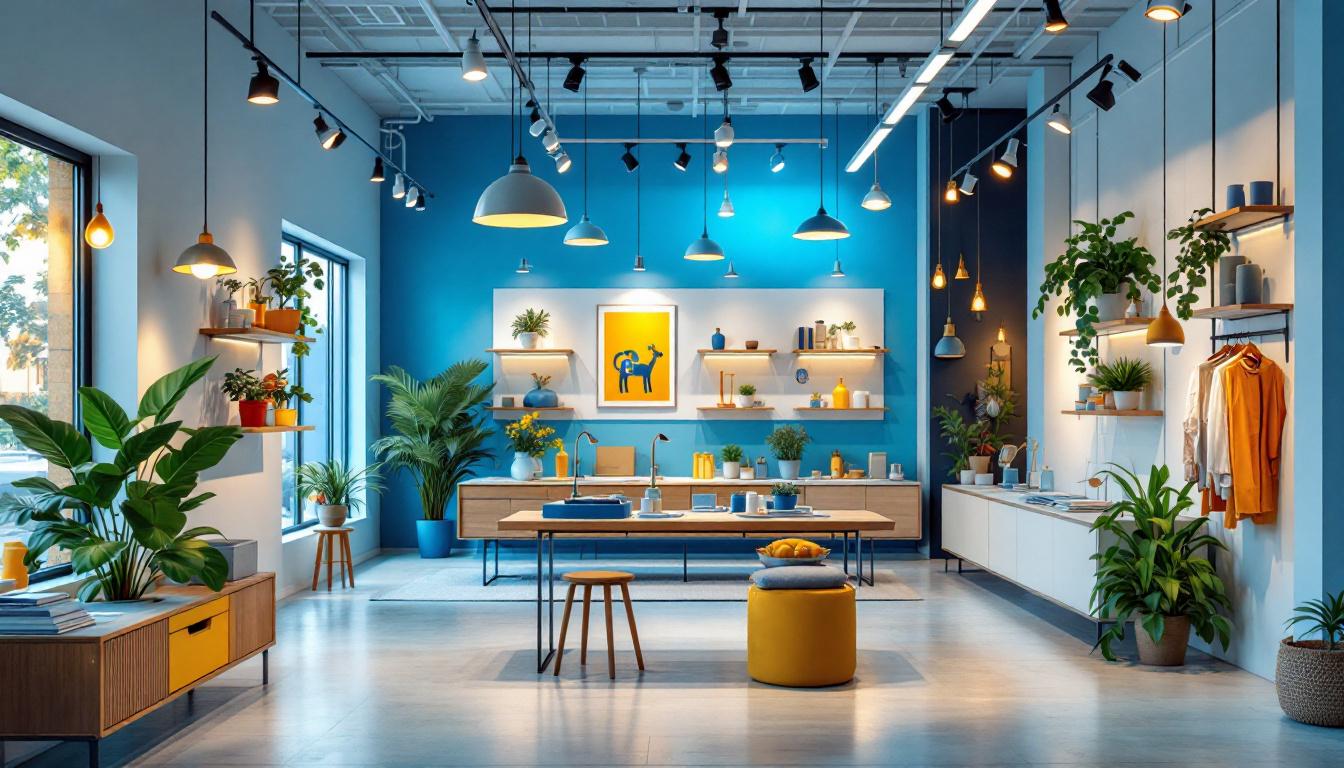
For lighting contractors, designing and implementing effective shop lighting is both an art and a science. The right lighting not only enhances visibility and safety but also boosts productivity and creates an inviting atmosphere for customers and employees alike. Whether working on automotive repair shops, woodworking studios, or general manufacturing spaces, understanding the nuances of shop lighting is essential to delivering a solution that meets both functional and aesthetic demands.
Shop environments present unique challenges due to their varied tasks, often involving intricate detail work, heavy machinery, and fluctuating ambient conditions. Consequently, lighting contractors must balance brightness, color rendering, energy efficiency, and durability to optimize the workspace.
One of the key considerations in shop lighting is the color temperature of the light sources used. Different tasks require different color temperatures to ensure that colors are rendered accurately and that workers can see fine details without straining their eyes. For instance, a cooler light (around 5000K to 6500K) is often preferred in automotive shops, as it mimics daylight and helps technicians identify subtle variations in paint colors or the sheen of metal surfaces. Conversely, warmer light (around 3000K to 4000K) may be more suitable for woodworking shops, where a softer glow can create a more comfortable working environment while still providing adequate visibility for intricate cuts and finishes.
Moreover, the layout of the shop plays a crucial role in the effectiveness of the lighting design. Properly positioned fixtures can minimize shadows and glare, which are critical in spaces where precision is paramount. Lighting contractors often employ a combination of overhead lighting, task lighting, and accent lighting to create a well-rounded illumination strategy. Task lighting, such as adjustable LED work lights, can be directed to specific areas where detailed work is performed, ensuring that every nook and cranny is well-lit. Additionally, the use of dimmable fixtures allows for flexibility in adjusting the light levels based on the time of day or the specific tasks at hand, further enhancing the overall functionality of the shop environment.
Key Considerations When Designing Shop Lighting
Understanding the Task Requirements
Lighting contractors must first analyze the specific tasks performed within the shop to determine the appropriate lighting levels and types. For example, precision tasks such as soldering or fine assembly require higher illuminance and superior color rendering to reduce eye strain and errors. Conversely, general maintenance areas may need more diffused lighting to avoid harsh shadows.
Standards like those from the Illuminating Engineering Society (IES) provide recommended lux levels for various industrial and commercial tasks. For instance, detailed mechanical work often requires illuminance levels upwards of 1000 lux, whereas general storage areas may only need 200-300 lux. Tailoring lighting to task-specific needs ensures efficiency and safety. Additionally, it’s essential to consider the layout of the workspace. The placement of workstations, machinery, and storage can all impact how light is distributed throughout the shop. A well-planned lighting design not only enhances visibility but also promotes a more organized and efficient workflow, reducing the likelihood of accidents and improving overall productivity.
Balancing Brightness and Glare Control
Excessive brightness without proper glare control can cause discomfort and reduce productivity. Glare can be particularly problematic in shops with reflective surfaces or machinery with polished metal components. Lighting contractors should select fixtures with appropriate shielding, diffusers, or louvers to mitigate direct glare.
Implementing indirect lighting strategies or using adjustable fixtures can also help direct light where it is needed while minimizing eye strain. Moreover, integrating task lighting with ambient illumination allows workers to customize their immediate environment, enhancing comfort and accuracy. It’s also worth noting that the use of dimmable lighting systems can provide flexibility in adjusting brightness levels according to the time of day or specific tasks being performed. This adaptability can lead to a more pleasant working environment, as employees can tailor their lighting preferences to suit their individual needs, ultimately fostering a more productive atmosphere.
Color Rendering and Color Temperature
Color rendering index (CRI) is a critical factor in shop lighting. A high CRI (above 80) ensures colors appear natural and true, which is vital when inspecting materials or performing color-sensitive tasks. Low CRI lighting can distort colors, leading to mistakes or quality control issues.
Color temperature also influences the workspace ambiance. Cooler temperatures (4000K to 5000K) tend to promote alertness and are commonly used in industrial settings, while warmer tones may be more suitable for customer-facing areas within shops to create a welcoming atmosphere. Lighting contractors should carefully select fixtures that balance these factors according to the shop’s functional zones. Furthermore, the psychological effects of color temperature should not be overlooked. Research indicates that cooler light can enhance focus and energy levels, making it ideal for high-intensity work environments, while warmer light can promote relaxation and comfort, which is beneficial in areas where employees take breaks or interact with customers. By thoughtfully considering both color rendering and temperature, contractors can create a lighting scheme that supports both productivity and well-being in the shop environment.
Choosing the Right Lighting Technologies
LED Lighting: The Industry Standard
LED technology has revolutionized shop lighting due to its energy efficiency, longevity, and versatility. Compared to traditional fluorescent or metal halide lamps, LEDs consume significantly less power and require less frequent replacement, reducing maintenance costs and downtime.
Furthermore, LEDs offer superior control options, including dimming capabilities and tunable color temperatures, allowing lighting contractors to fine-tune the environment to specific needs. Their instant-on feature and resistance to frequent cycling make them ideal for shops where lighting is switched on and off multiple times daily.
High Bay vs. Low Bay Fixtures
The choice between high bay and low bay fixtures depends primarily on ceiling height. High bay lights are designed for ceilings typically 20 feet or higher and provide broad, intense illumination suitable for large open areas. Low bay fixtures, on the other hand, are used in spaces with ceilings below 20 feet and offer more focused lighting.
Lighting contractors should assess the shop’s architecture to select the appropriate fixture type. Using the wrong fixture can lead to uneven lighting, shadows, and insufficient task illumination, negatively impacting safety and productivity.
Supplemental Task Lighting
While ambient lighting forms the foundation, supplemental task lighting is crucial for detailed workstations. Adjustable arm lamps, under-cabinet lights, or portable LED units provide focused illumination exactly where needed. These fixtures enhance precision and reduce eye fatigue, especially in areas requiring close inspection or assembly.
Lighting contractors should incorporate flexible task lighting solutions that can be repositioned or adjusted according to changing work requirements, ensuring adaptability and worker comfort.
Energy Efficiency and Sustainability in Shop Lighting
Implementing Smart Controls
Energy efficiency is a top priority for modern shop lighting systems. Incorporating smart controls such as occupancy sensors, daylight harvesting, and programmable timers can significantly reduce energy consumption. For example, occupancy sensors ensure lights are only on when the space is occupied, while daylight sensors adjust artificial lighting based on natural light availability.
Lighting contractors should design systems that integrate these controls seamlessly, providing clients with both cost savings and environmental benefits. Additionally, smart systems can offer data analytics to monitor usage patterns and optimize performance over time.
Choosing Sustainable Fixtures and Materials
Beyond energy savings, sustainability also involves selecting fixtures made from recyclable materials and those with minimal environmental impact during manufacturing. Many LED products now come with certifications such as ENERGY STAR or DesignLights Consortium (DLC), indicating adherence to strict energy and quality standards.
Lighting contractors should prioritize these certified products to ensure longevity, efficiency, and reduced ecological footprint, aligning with clients’ corporate social responsibility goals.
Installation Best Practices and Maintenance Tips
Proper Fixture Placement and Mounting
Accurate fixture placement is essential for achieving uniform illumination and minimizing shadows. Lighting contractors should conduct thorough site assessments, considering ceiling height, workspace layout, and potential obstructions. Using lighting simulation software can aid in visualizing light distribution and optimizing fixture locations before installation.
Mounting fixtures securely and at the correct angles ensures durability and consistent performance. For example, angled mounting may be necessary to avoid direct glare or to highlight specific work areas.
Routine Maintenance and Cleaning
Maintaining shop lighting is crucial for preserving performance and safety. Dust, grease, and vibration common in shop environments can degrade fixture output over time. Establishing a regular cleaning schedule and inspecting fixtures for damage or wear helps sustain optimal lighting conditions.
Lighting contractors should educate clients on maintenance best practices and offer service contracts to handle periodic inspections, lamp replacements, and system upgrades.
Case Studies: Successful Shop Lighting Implementations
Automotive Repair Facility Upgrade
A mid-sized automotive repair shop transitioned from outdated fluorescent fixtures to high-efficiency LED high bay lighting. The upgrade improved illuminance levels by 40%, enhanced color rendering for accurate diagnostics, and reduced energy consumption by 60%. Incorporating occupancy sensors and dimmable fixtures allowed the shop to tailor lighting to different work zones, further optimizing energy use.
Woodworking Workshop Lighting Overhaul
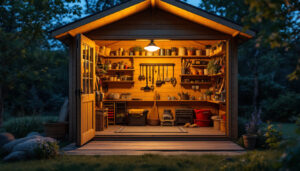
A custom woodworking studio required precise task lighting for intricate carving and finishing work. The lighting contractor installed a combination of high CRI LED overhead lights and adjustable task lamps at workbenches. The new system reduced eye strain complaints and increased productivity by enabling artisans to better distinguish wood grain and color variations.
Conclusion: Elevating Shop Lighting Through Expertise
For lighting contractors, mastering the complexities of shop lighting is a gateway to delivering exceptional value to clients. By understanding task-specific requirements, selecting appropriate technologies, and implementing energy-efficient, sustainable solutions, contractors can create lighting environments that enhance safety, productivity, and worker satisfaction.
Continuous learning and leveraging emerging technologies will keep contractors at the forefront of the industry, ensuring every shop they light is a model of efficiency and functionality.
Illuminate Your Projects with LumenWholesale
Ready to elevate your shop lighting projects with the finest selection of spec-grade lighting products? Look no further than LumenWholesale, where we provide contractors with exceptional quality at wholesale prices that can’t be beaten. Our commitment to cutting out the middleman means you enjoy superior lighting solutions without the inflated markups, ensuring your projects shine with reliability and high performance. Plus, with the convenience of free shipping on bulk orders, you get the best value without any hidden fees. Don’t compromise on quality or cost. Discover the best in wholesale lighting at LumenWholesale and make your next lighting project a beacon of efficiency and functionality.