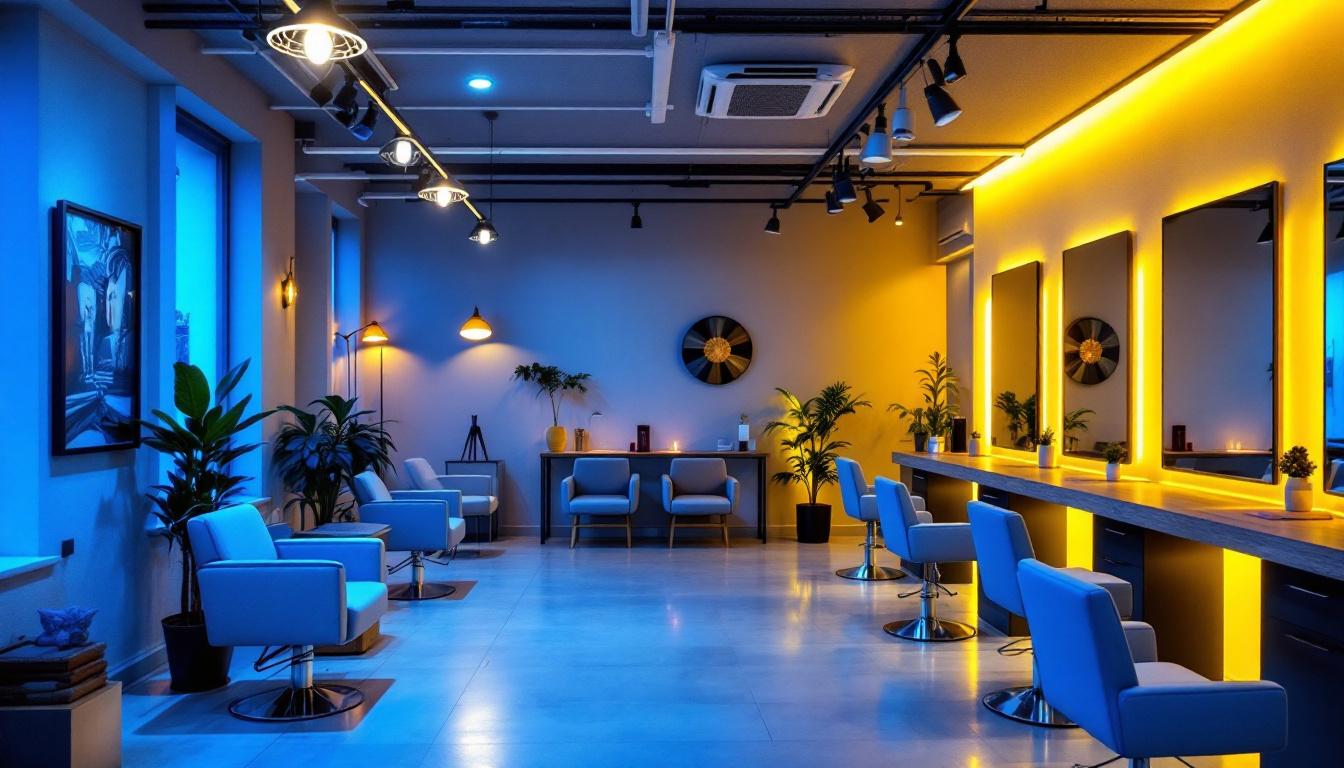
Creating the perfect ambiance in a salon is essential for both the clients and the professionals who work there. The right lighting can enhance the overall aesthetic, improve functionality, and even influence the mood of clients. For lighting contractors, understanding the best practices for salon lighting is crucial to delivering a high-quality service that meets the needs of salon owners and their clientele. This article explores the best salon lighting strategies, including types of lighting, placement, and design considerations.
Understanding the Importance of Salon Lighting
Salon lighting is not just about visibility; it plays a vital role in the overall experience of the client. Proper lighting can highlight the beauty of hair, skin tones, and nail colors, while also ensuring that stylists can work effectively. Moreover, the right lighting can create an inviting atmosphere that encourages clients to relax and enjoy their services. The choice of lighting fixtures, their placement, and the color temperature can all influence how a space feels and functions, making it essential for salon owners to invest time and resources into this aspect of their business.
Enhancing Client Experience
Clients often judge a salon by its ambiance. Bright, flattering lighting can make a significant difference in how they perceive their appearance during and after treatments. Soft, warm lighting can create a cozy environment, while brighter, cooler lighting can be more energizing. Understanding these nuances allows lighting contractors to tailor their designs to the specific vibe that salon owners wish to cultivate. Additionally, the use of dimmable lights can further enhance the experience, allowing for adjustments based on the service being provided—whether it’s a relaxing facial or an upbeat hair styling session. The strategic use of accent lighting can also draw attention to specific areas, such as product displays or styling stations, creating a more immersive experience for clients.
Improving Functionality for Stylists
Stylists need adequate lighting to perform their tasks efficiently. Whether it’s cutting hair, applying color, or doing makeup, the right lighting ensures precision and accuracy. Insufficient lighting can lead to mistakes, while overly harsh lighting can create shadows that hinder a stylist’s ability to see their work clearly. Therefore, a balance must be struck between aesthetics and functionality. Furthermore, incorporating task lighting at individual stations can provide stylists with the focused illumination they need for detailed work, while ambient lighting can maintain a warm atmosphere throughout the salon. By investing in high-quality LED lights that mimic natural daylight, salons can help stylists achieve the best results, ensuring that clients leave feeling satisfied and looking their best.
Types of Lighting for Salons
When designing a lighting plan for a salon, it is essential to consider various types of lighting. Each type serves a unique purpose and can significantly influence the overall atmosphere and functionality of the space.
Ambient Lighting
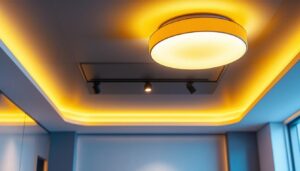
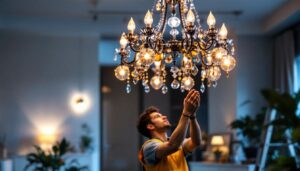
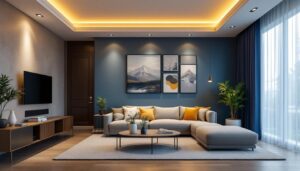
Ambient lighting provides the overall illumination of the salon. It sets the mood and creates a welcoming environment. This type of lighting should be soft and even, avoiding harsh shadows. Common sources include ceiling-mounted fixtures, chandeliers, and recessed lighting. When selecting ambient lighting, consider dimmable options to allow for flexibility in brightness throughout the day. Additionally, the color temperature of the ambient lighting can play a crucial role in how clients perceive the space; warmer tones can create a cozy feel, while cooler tones may lend a more modern and energetic vibe, making it essential to choose wisely based on the salon’s branding and clientele.
Task Lighting
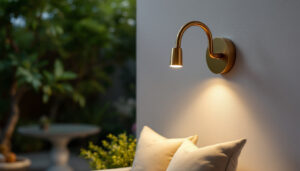
Task lighting is crucial in areas where specific activities take place, such as styling stations and makeup areas. This lighting should be bright enough to illuminate the workspace without causing glare. Options for task lighting include wall-mounted sconces, adjustable spotlights, and pendant lights. Positioning task lighting correctly is key—ideally, it should be placed at eye level to minimize shadows and provide even illumination. Furthermore, incorporating LED task lighting can enhance energy efficiency and reduce heat output, which is particularly beneficial in a salon environment where stylists may spend long hours working at their stations. Ensuring that the task lighting is also adjustable can allow stylists to customize their lighting based on the specific service they are providing, whether it’s a detailed haircut or a vibrant color treatment.
Accent Lighting
Accent lighting adds depth and character to the salon’s design. It can highlight specific areas, such as product displays, artwork, or architectural features. This type of lighting is often more decorative and can include LED strips, spotlights, or decorative fixtures. Accent lighting should complement the ambient lighting, creating a cohesive look that enhances the salon’s overall aesthetic. Moreover, using colored accent lights can create a dynamic atmosphere that changes with the time of day or the theme of special events, such as seasonal promotions or holiday celebrations. By strategically placing accent lighting to draw attention to certain areas, salon owners can not only enhance the visual appeal but also encourage clients to explore and engage with the products and services offered, ultimately boosting sales and client satisfaction.
Choosing the Right Color Temperature
The color temperature of lighting plays a significant role in how colors appear in a salon. Measured in Kelvin (K), color temperature can range from warm (around 2700K) to cool (above 5000K). Understanding how different temperatures affect the perception of color is essential for lighting contractors.
Warm Light for Comfort
Warm light, typically around 2700K to 3000K, creates a cozy and inviting atmosphere. This temperature is often preferred in waiting areas or relaxation zones, where clients can unwind before their appointments. However, while warm lighting can be comforting, it may not be ideal for all tasks, particularly those requiring precise color matching.
Cool Light for Accuracy
Cool light, ranging from 4000K to 5000K, is often used in styling areas where accuracy is paramount. This type of lighting helps stylists see true colors and details, making it easier to achieve the desired results. However, it’s essential to balance cool lighting with warmer tones in other areas to maintain a welcoming environment.
Strategic Placement of Lighting Fixtures
Effective placement of lighting fixtures can significantly impact the functionality and aesthetic of a salon. Lighting contractors must consider various factors, including the layout, design elements, and the specific tasks performed in each area.
Lighting Above Styling Stations
Styling stations require focused lighting to ensure that stylists can see their work clearly. Overhead fixtures should be positioned to minimize shadows and provide even illumination. Adjustable fixtures can also be beneficial, allowing stylists to direct light where it is needed most. Additionally, incorporating mirrors can enhance the effect of overhead lighting, reflecting light and creating a brighter environment.
Illuminating Waiting Areas
Waiting areas should be inviting and comfortable, encouraging clients to relax. Ambient lighting is key here, with fixtures placed to create a warm glow without being overly bright. Consider using a combination of floor lamps, table lamps, and wall sconces to create layers of light. This approach can help establish a cozy atmosphere that makes clients feel at ease.
Highlighting Product Displays
Product displays are essential for showcasing retail items, and proper lighting can draw attention to these areas. Accent lighting, such as spotlights or LED strips, can highlight products without overwhelming the space. Positioning lights at an angle can help reduce glare and enhance the visibility of the items on display, encouraging clients to explore and purchase.
Energy Efficiency and Sustainability
In today’s environmentally conscious world, energy efficiency is a significant consideration for salon lighting. Lighting contractors should be aware of sustainable practices and energy-efficient options that can benefit both the salon and the environment.
LED Lighting Solutions
LED lighting has become a popular choice for salons due to its energy efficiency and longevity. Unlike traditional incandescent bulbs, LEDs consume significantly less energy and have a much longer lifespan, reducing replacement costs. They also produce less heat, which can contribute to a more comfortable environment for both clients and staff.
Smart Lighting Technology
Incorporating smart lighting technology can enhance energy efficiency and provide greater control over the salon’s lighting environment. Smart systems allow for remote control and scheduling, enabling salon owners to adjust lighting based on occupancy and time of day. This not only saves energy but also allows for quick adjustments to create the desired ambiance for different services.
Creating a Cohesive Design
A well-designed lighting scheme should seamlessly blend with the salon’s overall aesthetic. Lighting contractors must consider the style, color palette, and design elements of the space to create a cohesive look.
Matching Fixtures to the Salon’s Style
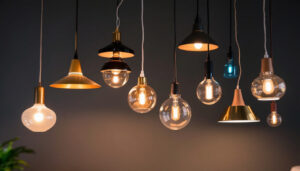
The choice of lighting fixtures should reflect the salon’s overall design theme. For modern salons, sleek and minimalist fixtures may be appropriate, while more traditional salons might benefit from ornate chandeliers or vintage-inspired sconces. Ensuring that lighting fixtures complement the decor can enhance the overall appeal of the space.
Color Coordination
Color coordination between lighting and decor can create a harmonious environment. Consider the colors used in the salon’s furnishings, wall treatments, and flooring when selecting lighting fixtures. Warm-toned fixtures can enhance earthy palettes, while cooler tones can complement contemporary designs. This attention to detail can elevate the salon’s aesthetic and create a more inviting atmosphere.
Conclusion
Effective salon lighting is a blend of art and science, requiring careful consideration of various factors such as type, placement, color temperature, and energy efficiency. For lighting contractors, understanding these best practices is essential to creating a space that enhances the client experience while providing functionality for stylists. By focusing on these elements, lighting professionals can deliver exceptional results that not only meet the needs of salon owners but also contribute to a positive and inviting atmosphere for clients.
In summary, the best salon lighting is not merely about illumination; it is about creating an environment that fosters beauty, relaxation, and creativity. By implementing these best practices, lighting contractors can ensure their projects stand out, providing salons with the perfect lighting solutions that enhance both aesthetics and functionality.
Illuminate Your Salon Projects with LumenWholesale
Ready to elevate your salon lighting projects with the perfect blend of quality, affordability, and convenience? Look no further than LumenWholesale. Our spec-grade lighting products set the standard for excellence, offering you unbeatable wholesale prices and the reliability your clients demand. Say goodbye to local distributor markups and hello to a vast selection of top-quality lighting solutions that meet the highest industry standards. With free shipping on bulk orders, LumenWholesale ensures you get the premium lighting your salon projects deserve at the best value. Explore our collection now and discover how we can help you shine a light on beauty and creativity in every salon.