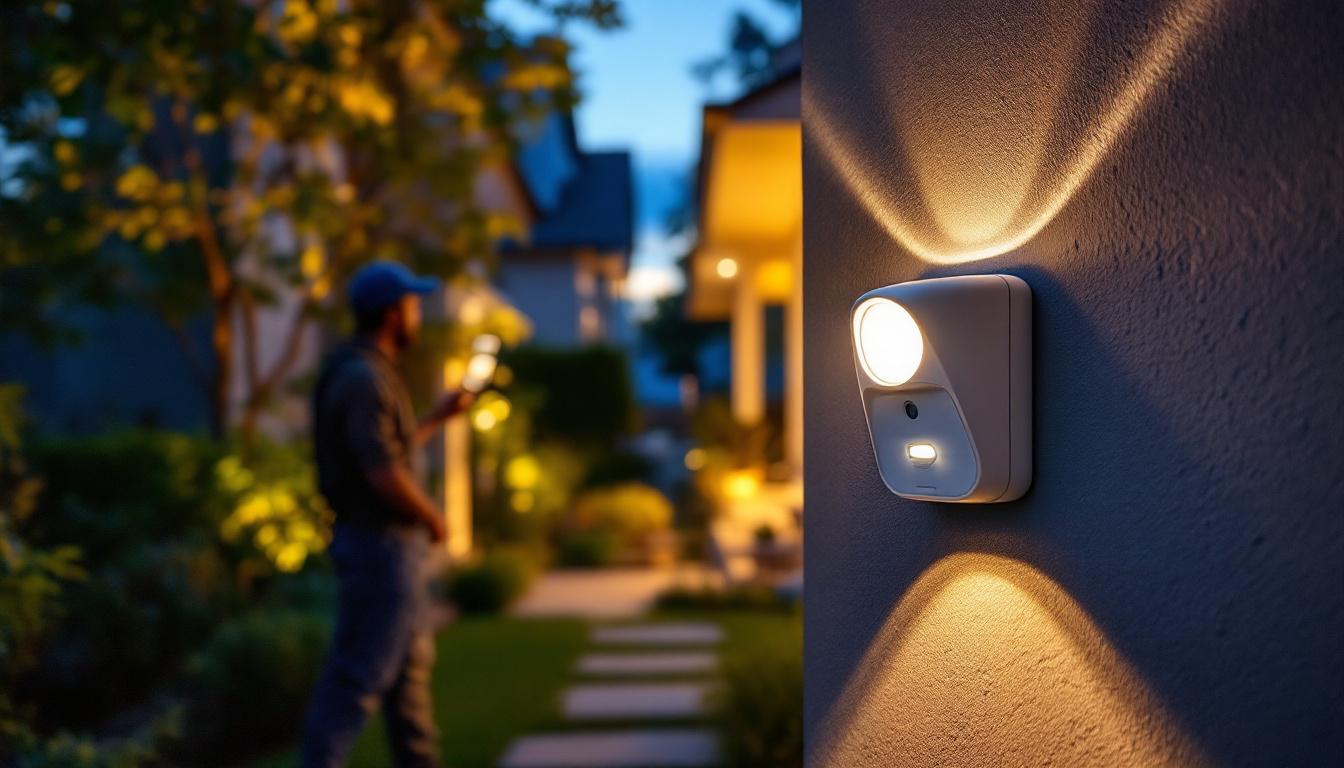
Why Outdoor Motion Detectors Are a Game-Changer for Lighting Contractors
Outdoor lighting has moved beyond simple illumination. It’s now a critical component of security, energy efficiency, and customer satisfaction. Motion detectors are at the heart of this transformation. For lighting contractors, understanding the nuances of outdoor motion detectors isn’t just beneficial—it’s essential.
These devices don’t just turn lights on and off; they create smarter, more responsive environments. When a motion detector activates a light only when someone approaches, it reduces energy waste dramatically. This appeals to homeowners and commercial clients alike, who are increasingly conscious of both safety and sustainability.
Energy Efficiency That Clients Notice
Energy costs are a significant concern for many property owners. Motion detectors help cut down on unnecessary electricity use by ensuring lights operate only when needed. For contractors, recommending motion-activated lighting solutions can be a strong selling point. It’s a practical upgrade that clients appreciate because it lowers monthly utility bills without sacrificing security or convenience.
Moreover, the integration of smart technology with motion detectors allows for even greater energy savings. Many modern systems can be programmed to adjust sensitivity levels and timing, enabling homeowners to customize their lighting experience based on their specific needs. This flexibility not only enhances user satisfaction but also positions contractors as forward-thinking professionals who are attuned to the latest advancements in smart home technology.
Enhanced Security Features
Security is a top priority in outdoor lighting installations. Motion detectors add an extra layer of protection by illuminating potential intruders or unwanted visitors. This sudden burst of light can deter criminal activity effectively. Contractors who highlight this benefit can position themselves as experts who understand the critical intersection of lighting and security.
In addition to deterring crime, motion detectors can be integrated with security cameras and alarm systems, creating a comprehensive security solution for clients. When motion is detected, not only do the lights turn on, but alerts can also be sent to homeowners’ smartphones, allowing them to monitor their property in real time. This level of connectivity and responsiveness is increasingly attractive to clients, as it provides peace of mind and enhances their overall sense of safety. By offering these advanced features, contractors can differentiate themselves in a competitive market, showcasing their commitment to providing cutting-edge security solutions.
“`html
Key Features Lighting Contractors Should Evaluate in Outdoor Motion Detectors
Not all motion detectors are created equal. For lighting contractors, knowing which features matter most can make the difference between a satisfied client and a service call for replacement or troubleshooting.
Sensitivity and Range
The sensitivity of a motion detector determines how well it picks up movement. Some detectors can sense motion from over 70 feet away, while others are designed for shorter distances. Contractors must match the detector’s range to the specific application—whether it’s a small residential yard or a large commercial parking lot.
Overly sensitive detectors can cause false alarms, triggering lights unnecessarily due to small animals or passing cars. Conversely, detectors with too short a range might fail to activate lights when needed. Balancing sensitivity and range is critical for optimal performance. Additionally, some advanced models allow for sensitivity adjustments, enabling contractors to fine-tune the detector based on environmental factors, such as wind or foliage movement, which can enhance reliability and user satisfaction.
Detection Angle and Coverage
Detection angle refers to the width of the area a motion detector can monitor. Some models offer a narrow beam, while others cover up to 180 degrees or more. Lighting contractors need to consider the layout of the property and the placement of the detector to ensure comprehensive coverage.
For example, a driveway might require a wide detection angle to cover the entire entrance, whereas a side pathway might only need a narrow focus. Proper positioning combined with the right detection angle maximizes effectiveness and client satisfaction. Furthermore, it’s essential to account for potential obstructions like trees, fences, or architectural features that could interfere with the detection zone, as these can significantly impact the performance of the system if not properly assessed.
Durability and Weather Resistance
Outdoor motion detectors must withstand the elements—rain, snow, heat, and dust. Contractors should prioritize products with high IP (Ingress Protection) ratings, indicating resistance to water and dust intrusion. A rating of IP65 or higher is generally recommended for outdoor use.
Durability reduces maintenance calls and increases the lifespan of the installation. Clients value reliability, especially in harsh climates where equipment failure can lead to security vulnerabilities or inconvenient outages. In addition to IP ratings, contractors should also consider the materials used in the construction of the detectors. High-quality plastics or metals can provide additional resistance to UV rays, preventing degradation over time and ensuring that the devices continue to function optimally despite prolonged exposure to sunlight.
Integration with Smart Home and Security Systems
Many modern motion detectors can integrate with smart home ecosystems and security platforms. This integration allows for remote monitoring, customized alerts, and even automation beyond simple lighting control.
Lighting contractors who understand these capabilities can offer advanced solutions that appeal to tech-savvy clients. Integration also opens doors for upselling additional smart devices and services, boosting overall project value. Moreover, the ability to connect motion detectors to mobile applications enables users to receive real-time notifications and control their lighting systems from anywhere, enhancing the convenience and security of their properties. As the demand for smart home technology continues to rise, contractors who are knowledgeable about these integrations will be better positioned to meet client expectations and stay competitive in the market.
“`
Common Challenges and How Contractors Can Address Them
Installing outdoor motion detectors isn’t always straightforward. Lighting contractors face several challenges that, if not managed properly, can lead to client dissatisfaction or increased service calls.
False Triggers and How to Minimize Them
False triggers are a frequent complaint with motion detectors. Causes include small animals, moving branches, or passing vehicles. These false activations can annoy clients and waste energy.
Contractors can reduce false triggers by selecting detectors with adjustable sensitivity and by carefully positioning sensors away from common sources of movement. Using detectors with dual-technology sensors—combining passive infrared with microwave detection—can also improve accuracy. Additionally, implementing a time delay feature can help filter out brief movements that may not require immediate lighting activation, further enhancing the system’s reliability.
Proper Placement and Installation Techniques
Incorrect placement is a leading cause of poor motion detector performance. Sensors installed too high, too low, or facing the wrong direction may fail to detect movement effectively.
Lighting contractors should conduct thorough site assessments before installation. Considering factors like traffic patterns, landscaping, and potential obstructions ensures the detector covers the intended area without blind spots. Furthermore, it’s beneficial to test the detector’s range and responsiveness during the installation phase, allowing for real-time adjustments that can optimize performance. This proactive approach not only enhances the system’s efficacy but also builds client trust in the contractor’s expertise.
Client Education and Expectations Management
Sometimes, clients expect motion detectors to work perfectly in all conditions, which isn’t always realistic. Educating clients about how these devices function, their limitations, and maintenance requirements helps avoid misunderstandings.
Providing clear instructions on adjusting sensitivity or troubleshooting common issues empowers clients and reduces unnecessary service calls. Moreover, offering periodic check-ins or maintenance services can reinforce the contractor-client relationship, ensuring that clients feel supported and informed about their systems. This ongoing communication can also lead to referrals, as satisfied clients are more likely to recommend contractors who prioritize education and service quality.
Top Outdoor Motion Detector Technologies Lighting Contractors Should Know
Understanding the technology behind motion detectors helps contractors recommend the best options for each project.
Passive Infrared (PIR) Sensors
PIR sensors detect changes in infrared radiation caused by moving objects, typically warm bodies like humans or animals. They are widely used due to their reliability and energy efficiency.
However, PIR sensors can sometimes be triggered by heat sources such as sunlight or car headlights, so placement and calibration are key.
Microwave Sensors
Microwave sensors emit microwave pulses and measure the reflection off moving objects. They can detect motion through certain non-metallic objects like glass or thin walls, making them useful in some specialized applications.
These sensors tend to be more sensitive and can cover larger areas but may also be prone to false alarms if not properly adjusted.
Dual-Technology Sensors
Combining PIR and microwave technologies, dual-technology sensors require both sensors to detect motion before triggering. This reduces false alarms significantly.
For lighting contractors, recommending dual-technology detectors can be a selling point for clients seeking high reliability and minimal nuisance activations.
How to Choose the Best Outdoor Motion Detector for Your Clients
Every project is unique, and the best motion detector depends on multiple factors. Lighting contractors should consider the following when making recommendations:
Assess the Environment
Is the installation in a residential backyard, commercial parking lot, or industrial site? Each setting has different requirements for range, sensitivity, and durability.
Understand Client Priorities
Some clients prioritize energy savings, while others focus on security or convenience. Tailoring solutions to client needs builds trust and satisfaction.
Evaluate Budget Constraints
High-end detectors with advanced features come at a premium. Contractors should balance cost with performance to provide the best value without overselling.
Consider Future Expansion
Smart home integration and scalability might be important for clients planning to upgrade their systems over time. Choosing detectors compatible with popular platforms can future-proof installations.
Final Thoughts: Why Lighting Contractors Should Prioritize Outdoor Motion Detectors
Outdoor motion detectors are more than just accessories-they are foundational to modern lighting solutions. For lighting contractors, mastering the selection, installation, and maintenance of these devices enhances professionalism and client trust.
By focusing on the right features, addressing common challenges, and educating clients, contractors can deliver superior results that stand out in a competitive market. The best motion detector isn’t just about technology; it’s about understanding the client’s environment and needs, then applying expertise to create safe, efficient, and smart outdoor lighting systems.
“`html
Get Your Premium Outdoor Motion Detectors at LumenWholesale
Ready to elevate your lighting projects with the best outdoor motion detectors on the market? Look no further than LumenWholesale. Our commitment to providing contractors with spec-grade lighting products at unbeatable wholesale prices means you can offer your clients top-notch, energy-efficient, and smart lighting solutions. With LumenWholesale, you’ll find the perfect balance of quality, affordability, and convenience, all without the hassle of middlemen. Plus, with free shipping on bulk orders, you can ensure your projects are equipped with the most reliable and high-performance lighting available. Don’t compromise on quality or value—choose LumenWholesale for Wholesale Lighting at the Best Value.
“`