Understanding the Evolution of Lighting Technology
Lighting technology has undergone a remarkable transformation over the past few decades. From incandescent bulbs to energy-efficient LEDs, the industry continues to innovate rapidly. For lighting contractors, staying abreast of these changes is crucial to delivering solutions that are not only effective today but also resilient to future advancements.
One of the most significant shifts has been the integration of smart lighting systems. These systems allow for remote control, automation, and customization, enhancing user experience and energy efficiency. As such, lighting contractors must familiarize themselves with these technologies to meet growing client demands. Smart lighting not only offers convenience but also contributes to sustainability, as many systems can adjust based on occupancy or natural light levels, thereby reducing energy consumption and costs.
Moreover, the rise of the Internet of Things (IoT) has paved the way for interconnected lighting networks. This connectivity enables data collection and analytics, allowing for predictive maintenance and adaptive lighting strategies. Understanding these trends is fundamental to future-proofing lighting projects. With the ability to monitor performance in real-time, contractors can anticipate issues before they arise, ensuring that systems remain operational and efficient. Additionally, integrating IoT with lighting can enhance security features, as smart lights can be programmed to mimic occupancy patterns, deterring potential intruders.
Another exciting development in lighting technology is the use of human-centric lighting (HCL), which focuses on the impact of light on human health and well-being. Research has shown that lighting can affect mood, productivity, and even circadian rhythms. By incorporating HCL principles, contractors can create environments that promote comfort and enhance the overall experience for occupants. This approach is particularly relevant in workplaces, schools, and healthcare facilities, where the right lighting can lead to improved outcomes and satisfaction.
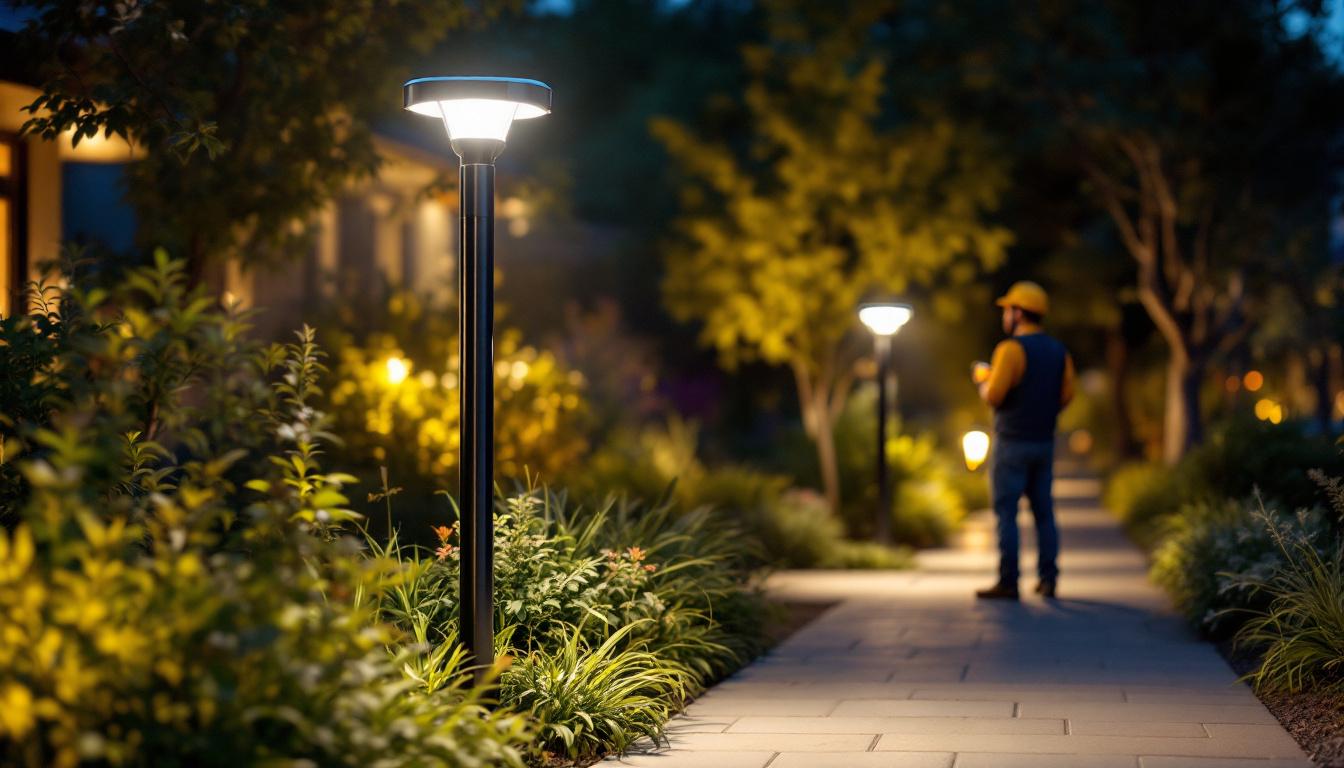
Furthermore, advancements in lighting design have also embraced sustainability through the use of renewable materials and energy sources. Solar-powered lighting solutions are becoming more popular, particularly in outdoor applications, where they can provide illumination without relying on the electrical grid. This not only reduces operational costs but also minimizes the carbon footprint of lighting installations. As clients increasingly prioritize eco-friendly solutions, contractors who can offer innovative, sustainable lighting options will be well-positioned in the market.
Designing Lighting Solutions with Flexibility in Mind
Modular Components and Scalable Systems
One of the key strategies to future-proof lighting projects is incorporating modular components. Modular lighting systems allow for easy upgrades and replacements without overhauling the entire installation. For example, using standardized fixtures and drivers can simplify maintenance and integration of new technologies as they emerge. This adaptability not only enhances the lifespan of the lighting system but also provides a cost-effective solution for businesses looking to stay current with industry advancements.
Scalability is another essential consideration. Designing lighting systems that can expand or adapt to changing space requirements or user preferences ensures longevity and relevance. This approach is especially beneficial in commercial or hospitality environments where space usage may evolve over time. For instance, a restaurant may initially require ambient lighting for a cozy atmosphere, but as it grows, the need for brighter task lighting in certain areas may arise. A scalable system allows for such adjustments without significant disruptions or expenses, making it a smart investment for any forward-thinking establishment.
Compatibility with Emerging Technologies
When selecting lighting hardware and control systems, contractors should prioritize compatibility with emerging technologies. Opting for open protocols such as DALI (Digital Addressable Lighting Interface) or Zigbee ensures that the system can communicate with a wide range of devices and platforms. This openness prevents vendor lock-in and facilitates future upgrades, allowing for seamless integration with smart building systems or IoT devices. As the demand for interconnected environments increases, having a lighting system that can easily interface with other technologies becomes a critical factor in design considerations.
Additionally, incorporating sensors and controls that support dynamic lighting, such as tunable white or color-changing capabilities, prepares the installation for evolving user needs and wellness-focused lighting trends. The integration of daylight sensors, for example, can optimize energy efficiency by adjusting artificial lighting based on the amount of natural light available. This not only reduces energy consumption but also enhances the well-being of occupants by maintaining a balanced light environment. As research continues to highlight the impact of lighting on mood and productivity, the ability to customize lighting conditions will play an increasingly vital role in creating spaces that promote health and comfort.
Integrating Smart Lighting Controls for Enhanced Functionality
Benefits of Smart Controls
Smart lighting controls offer numerous advantages, including energy savings, improved user comfort, and enhanced operational efficiency. Features like occupancy sensors, daylight harvesting, and programmable scenes enable lighting to respond intelligently to environmental conditions and occupant behavior. For instance, occupancy sensors can automatically turn lights off in unoccupied rooms, significantly reducing energy consumption. Daylight harvesting utilizes natural light to minimize artificial lighting needs, creating a more sustainable and eco-friendly environment.
For lighting contractors, integrating these controls not only adds value to the project but also positions them as forward-thinking professionals capable of delivering cutting-edge solutions. By incorporating smart lighting systems, contractors can differentiate themselves in a competitive market, showcasing their commitment to innovation. Furthermore, the ability to offer customized lighting solutions tailored to specific client needs can lead to increased customer satisfaction and loyalty, ultimately driving repeat business and referrals.
Ensuring Interoperability and User-Friendly Interfaces
Future-proof smart lighting systems must be interoperable with various devices and platforms. Choosing control systems that support multiple communication protocols and can integrate with building management systems (BMS) or smart home platforms is essential. This interoperability not only ensures that the lighting system can evolve alongside advancements in technology but also allows for seamless integration with other smart devices, such as thermostats and security systems, creating a cohesive smart home or building environment.
Equally important is the user interface. Intuitive controls, whether through mobile apps, voice commands, or wall-mounted panels, enhance user satisfaction and adoption. Contractors should consider the end-user experience when specifying control solutions. A well-designed user interface can empower occupants to easily customize their lighting preferences, fostering a sense of control and personalization. Additionally, providing training sessions or user guides can further enhance user confidence and ensure that they fully leverage the capabilities of their smart lighting systems, ultimately maximizing the benefits of the technology.
Energy Efficiency and Sustainability Considerations
Energy efficiency remains a top priority in lighting design, driven by regulatory requirements and environmental concerns. Future-proof lighting projects must exceed current standards to remain compliant and cost-effective over time.
Incorporating LED technology, efficient drivers, and smart controls can significantly reduce energy consumption. Additionally, selecting materials and components with a low environmental impact aligns with sustainability goals and client expectations.
Lighting contractors should also be aware of emerging certifications and incentives related to green building practices, such as LEED or WELL standards, which increasingly influence project specifications.
Moreover, the integration of daylight harvesting techniques can enhance energy efficiency by utilizing natural light to reduce reliance on artificial lighting during daylight hours. This approach not only lowers energy costs but also contributes to the overall well-being of occupants by creating a more pleasant and productive environment. The use of sensors that adjust lighting levels based on occupancy and ambient light conditions can further optimize energy usage, ensuring that lights are only on when needed.
In addition to technological advancements, it is essential to consider the lifecycle of lighting products. Selecting fixtures that are designed for longevity and ease of maintenance can minimize waste and reduce the frequency of replacements. This not only supports sustainability efforts but also offers cost savings in the long run. Engaging in a thorough analysis of the total cost of ownership, which includes installation, operation, and disposal costs, can provide valuable insights for clients looking to make informed decisions about their lighting investments.
Planning for Maintenance and Longevity
Designing for Easy Access and Serviceability
Maintenance considerations are often overlooked during the design phase but are critical for the long-term success of lighting projects. Designing fixtures and installations for easy access facilitates routine maintenance and reduces downtime.
Using durable materials and components with long lifespans minimizes replacement frequency. Moreover, incorporating diagnostic tools and remote monitoring capabilities helps identify issues early, preventing costly repairs.
Training and Documentation
Providing thorough documentation and training for facility managers or end-users ensures proper operation and upkeep of lighting systems. Clear manuals, wiring diagrams, and troubleshooting guides empower users to maintain the system effectively.
For contractors, offering training sessions or ongoing support services can differentiate their business and build lasting client relationships.
Case Study: Implementing a Bed That Lights Up with Future-Proof Principles
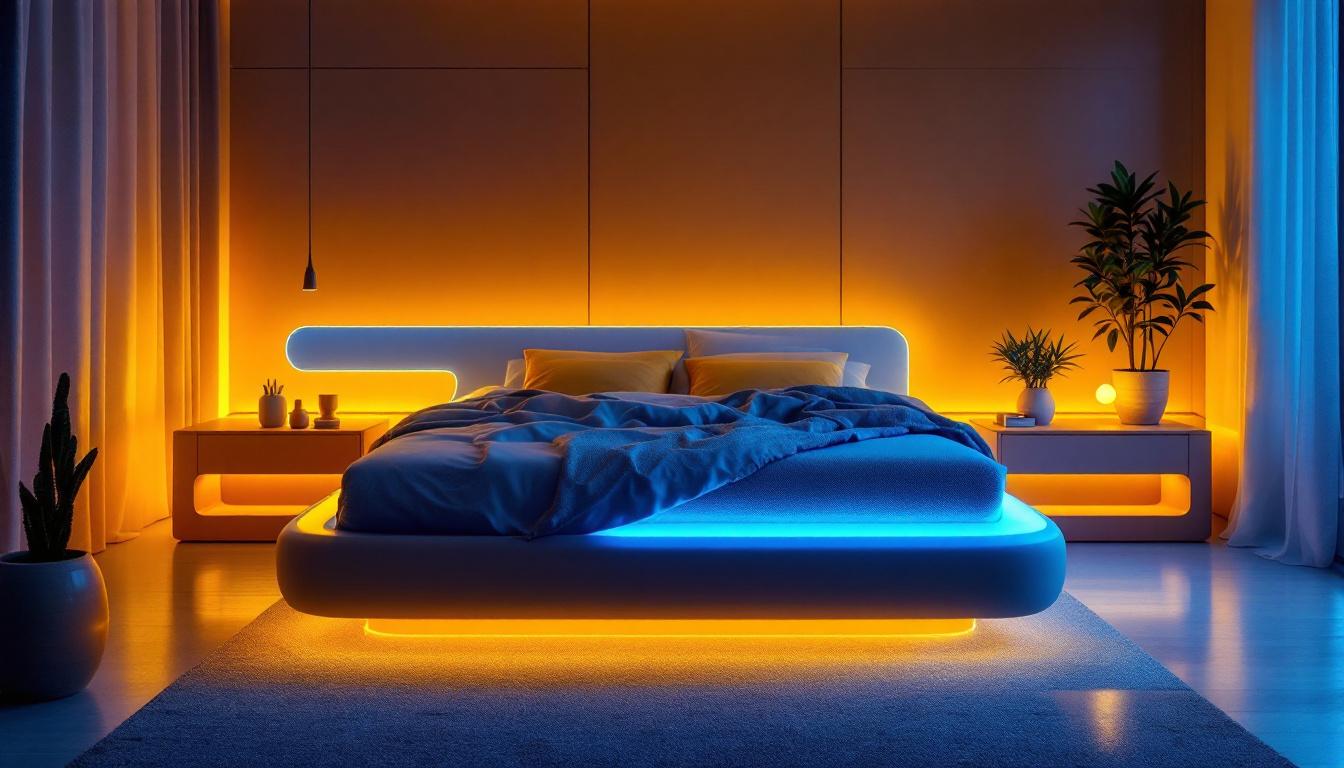
Consider a project involving a bed that lights up, designed for a healthcare facility. This installation requires sensitive lighting that supports patient comfort, safety, and medical staff efficiency. Applying future-proofing principles ensures the solution remains relevant and adaptable.
The design incorporates modular LED strips embedded within the bed frame, allowing for easy replacement or upgrades. Smart controls enable adjustable brightness and color temperature to suit different times of day and patient needs. Integration with the facility’s IoT system allows remote monitoring and automated adjustments based on occupancy and ambient light.
Energy-efficient components reduce operational costs, while durable materials withstand frequent cleaning and use. The system is designed with open protocols, ensuring compatibility with future healthcare technologies and standards.
Conclusion: Embracing Innovation to Stay Ahead
Future-proofing lighting projects requires a comprehensive approach that balances current performance with adaptability for emerging technologies. For lighting contractors, this means embracing modular designs, smart controls, energy efficiency, and maintainability.
By prioritizing these factors, contractors can deliver lighting solutions that not only meet today’s demands but also anticipate tomorrow’s innovations, ensuring long-term client satisfaction and business success.
Illuminate Your Projects with LumenWholesale
Ready to elevate your lighting projects with the latest innovations and ensure they stand the test of time? Look no further than LumenWholesale for all your lighting needs. Our extensive collection of spec-grade lighting products is designed to meet the highest industry standards, providing you with reliable and high-performance solutions for every application. With unbeatable wholesale prices and the convenience of free shipping on bulk orders, you can secure premium lighting at the best value, without any hidden fees or compromises. Don’t let outdated technology dim the potential of your projects. Wholesale Lighting at the Best Value is just a click away. Partner with LumenWholesale today and light up your projects with confidence and cost-efficiency.