Understanding the Role of Bed Light Fixtures in Modern Lighting Projects
Lighting contractors often encounter bed light fixtures as a specialized category within residential and hospitality projects. These fixtures are more than just sources of illumination; they serve functional, aesthetic, and safety purposes. Recognizing their unique role can streamline installation, reduce callbacks, and improve client satisfaction.
Bed light fixtures typically refer to lighting installed near or integrated with beds-think bedside lamps, wall sconces, or overhead lights designed for reading, ambiance, or night-time navigation. Their design and placement must balance brightness, glare control, and ease of use.
For contractors, understanding these nuances means selecting the right fixtures, wiring them correctly, and advising clients on operation and maintenance. Simplifying this process starts with knowing the key types and features that matter most in bed lighting.
Moreover, the integration of smart technology into bed light fixtures has revolutionized the way we think about bedroom lighting. Many modern fixtures now come equipped with features such as adjustable color temperatures and dimming capabilities, allowing users to customize their lighting experience according to their mood or activity. For instance, a warm, soft light may be ideal for winding down at the end of the day, while a brighter, cooler light can enhance focus during reading or working in bed. This adaptability not only enhances comfort but also contributes to energy efficiency, as users can tailor their lighting to their specific needs and preferences.
Additionally, the aesthetic appeal of bed light fixtures cannot be overlooked. With a vast array of styles, finishes, and materials available, contractors have the opportunity to recommend fixtures that complement the overall design theme of the bedroom. From sleek, modern designs that feature minimalist lines to ornate, vintage-inspired options, the right bed light fixture can serve as a focal point in the room, enhancing its visual appeal while providing essential functionality. This attention to detail not only satisfies the client’s immediate needs but also contributes to the long-term value of the space.
Key Types of Bed Light Fixtures and Their Applications
Wall-Mounted Sconces
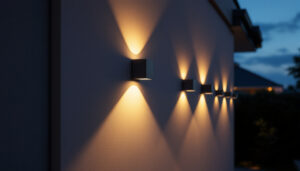
Wall sconces are a popular choice for bedside lighting due to their space-saving design and ability to provide directed light. They can be hardwired or plug-in, with adjustable arms or fixed positions. For contractors, choosing a sconce with a dimmable feature or compatible with smart switches can add value. These fixtures not only illuminate the space but can also serve as decorative elements that enhance the overall aesthetic of the bedroom.
Installation considerations include mounting height—usually around eye level when seated—and ensuring wiring complies with local electrical codes. Sconces also reduce clutter on bedside tables, which clients often appreciate. Additionally, the choice of materials and finishes can significantly impact the room’s ambiance; for instance, a sleek metal finish can lend a contemporary feel, while a vintage-inspired design can add warmth and character. Furthermore, incorporating a sconce with a built-in shelf can provide a convenient spot for small items like books or glasses, merging functionality with style.
Recessed and Overhead Lighting
Recessed fixtures installed above the bed offer subtle, ambient lighting without overwhelming the space. They work well in modern designs where minimalism is key. Contractors should ensure these fixtures have proper beam angles to avoid harsh shadows or glare on the bed. The strategic placement of recessed lights can create a cozy atmosphere, making the bedroom a perfect retreat for relaxation.
Overhead fixtures with dimming capabilities allow users to adjust brightness for different activities, such as reading or relaxing. Integration with smart home systems is increasingly common, so wiring should accommodate future upgrades. Moreover, selecting fixtures that complement the room’s decor—such as a statement chandelier or a series of pendant lights—can elevate the design. The use of warm LED bulbs can also enhance the comfort level, providing a soft glow that is easy on the eyes during evening hours, which is particularly beneficial for those who enjoy winding down with a good book.
Table Lamps and Portable Fixtures
Though not fixed installations, table lamps remain a staple bedside lighting option. Lighting contractors may be involved in wiring outlets or USB charging ports near beds to support these fixtures. Advising clients on placement for optimal light distribution and safety is part of the job. The versatility of table lamps allows for a wide range of styles, from modern to traditional, enabling homeowners to express their personal taste while ensuring functionality.
Additionally, portable fixtures such as battery-operated lamps or clip-on lights offer flexibility for those who may want to rearrange their space frequently or who have limited access to power outlets. These lamps can be particularly useful in guest rooms or for children’s bedrooms, where the ability to easily move lighting can accommodate different needs and preferences. When selecting table lamps, considering the height and shade design is crucial, as these elements can significantly affect the quality of light and the overall mood of the room. Furthermore, incorporating smart table lamps that can be controlled via mobile apps or voice commands adds a layer of convenience, allowing users to adjust their lighting without leaving the comfort of their bed.
Electrical and Safety Considerations for Bed Light Fixtures
Code Compliance and Circuit Load
Lighting contractors must ensure that bed light fixtures are installed according to the National Electrical Code (NEC) or relevant local standards. This includes proper grounding, use of GFCI outlets where required, and adherence to circuit load limits.
Overloading circuits with multiple bedside fixtures can cause tripped breakers or fire hazards. Calculating the total wattage and ensuring dedicated circuits for bedroom lighting can prevent issues.
Switching and Control Options
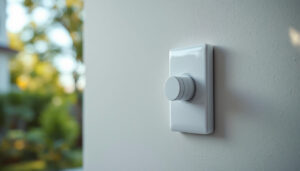
Clients often prefer bedside lighting that can be controlled easily from the bed. Installing switches within arm’s reach, such as wall dimmers or smart controls, enhances usability. Contractors should consider wiring for multi-way switches when clients want control from multiple points.
Wireless control options, including Bluetooth and Wi-Fi enabled fixtures, are becoming popular. While these simplify installation by reducing wiring complexity, contractors must still ensure power supply and compatibility with existing electrical infrastructure.
Fire Safety and Heat Management
Bed light fixtures, especially those with incandescent or halogen bulbs, generate heat. Proper fixture selection and installation prevent overheating near flammable materials like bedding or curtains. LED fixtures are preferred for their low heat output and energy efficiency.
Streamlining Installation: Best Practices and Tools
Pre-Installation Planning
Successful installation begins with thorough planning. Contractors should review architectural plans to identify fixture locations, power sources, and wiring routes. Consulting with interior designers or clients early ensures that lighting meets both functional and aesthetic goals.
Using digital layout tools or lighting design software can help visualize fixture placement and light distribution. This reduces guesswork and rework on site.
Choosing the Right Fixtures and Components
Selecting fixtures that are easy to install and maintain saves time and reduces errors. Features such as quick-connect wiring, adjustable mounting brackets, and clear manufacturer instructions simplify the process.
Contractors should source fixtures from reputable manufacturers offering reliable warranties and support. This minimizes the risk of defects and ensures replacement parts are available if needed.
Efficient Wiring Techniques
Organizing wiring with cable management systems and labeling circuits clearly aids both installation and future maintenance. Using junction boxes with ample space and proper connectors ensures secure, code-compliant connections.
Where possible, pre-wiring for smart controls or dimmers during initial installation avoids costly upgrades later.
Maintenance and Client Education
Routine Maintenance Tips
Lighting contractors can provide clients with guidance on maintaining bed light fixtures to prolong their lifespan. This includes cleaning lenses and shades, checking for loose connections, and replacing bulbs with the correct type and wattage.
Advising clients to avoid using bulbs that exceed fixture ratings prevents overheating and potential damage.
Educating Clients on Operation
Many clients appreciate a simple explanation of how to use dimmers, smart controls, or adjustable fixtures. Providing written instructions or demonstration during handover reduces confusion and service calls.
Highlighting energy-saving tips, such as turning off lights when not in use or using timers, supports sustainability goals and lowers utility bills.
Emerging Trends and Technologies in Bed Lighting
Smart Lighting Integration
Smart home technology is reshaping how bed light fixtures are controlled. Voice commands, app-based controls, and automated schedules offer convenience and customization. Lighting contractors should stay updated on compatible systems and installation requirements.
Integration with other smart devices, like motion sensors or sleep trackers, can enhance user experience by adjusting lighting based on activity or time of day.
Human-Centric Lighting
Human-centric lighting focuses on supporting circadian rhythms through color temperature and intensity adjustments. Bed light fixtures that can shift from warm tones at night to cooler tones in the morning help improve sleep quality and overall well-being.
Contractors can recommend fixtures with tunable white LEDs and programmable controls to clients interested in these benefits.
Energy Efficiency and Sustainability
LED technology continues to dominate due to its efficiency and longevity. Selecting ENERGY STAR-rated fixtures and incorporating occupancy sensors reduces energy consumption without sacrificing performance.
Lighting contractors play a key role in promoting sustainable practices by advising on fixture selection and installation methods that minimize waste and energy use.
Conclusion: Simplifying Bed Light Fixture Installation for Contractors
Bed light fixtures may seem straightforward, but their successful integration requires careful consideration of design, safety, and client needs. By understanding the types of fixtures, adhering to electrical codes, and employing efficient installation techniques, lighting contractors can deliver superior results with fewer complications.
Staying informed about emerging technologies and educating clients on usage and maintenance further enhances the value contractors provide. Simplifying the process doesn’t mean cutting corners-it means working smarter to achieve reliable, attractive, and functional bedside lighting solutions.
Get Your Bed Light Fixtures at LumenWholesale
Ready to elevate your lighting projects with the best bed light fixtures on the market? Look no further than LumenWholesale, where we provide contractors with superior, spec-grade lighting solutions at unbeatable wholesale prices. Say goodbye to local distributor markups and hello to a vast selection of high-quality lighting that meets the highest industry standards. With free shipping on bulk orders, you can stock up on premium lighting without any hidden fees or compromises. Make your next project shine with the perfect blend of quality, affordability, and convenience. Visit LumenWholesale now for Wholesale Lighting at the Best Value.