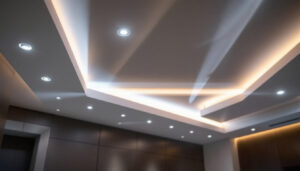
Introduction to Automatic Lighting Systems
Automatic lighting systems have revolutionized the way lighting contractors approach design, installation, and maintenance. These systems, which adjust lighting based on occupancy, daylight availability, or preset schedules, offer significant benefits in energy efficiency, user convenience, and safety. For contractors, understanding the nuances of automatic lighting technology is essential to delivering modern, sustainable, and cost-effective lighting solutions.
As the demand for smart buildings and energy-conscious infrastructures grows, lighting contractors are increasingly called upon to integrate automatic lighting systems that not only meet client expectations but also comply with evolving regulations and standards. This article provides a comprehensive overview of automatic lighting systems, focusing on their components, benefits, installation considerations, and emerging trends.
One of the key components of automatic lighting systems is the use of sensors, which can detect motion, ambient light levels, and even sound. These sensors play a critical role in ensuring that lighting is only activated when necessary, thereby reducing energy consumption. For instance, motion sensors can turn lights on when someone enters a room and off when they leave, while daylight sensors can adjust artificial lighting based on the amount of natural light available, ensuring optimal illumination while minimizing waste. This sophisticated technology not only enhances energy efficiency but also contributes to a more comfortable and productive environment for occupants.
Moreover, the integration of automatic lighting systems with building management systems (BMS) is becoming increasingly prevalent. This synergy allows for centralized control and monitoring of lighting alongside other building systems, such as HVAC and security. By leveraging data analytics, contractors can provide clients with insights into usage patterns and energy consumption, enabling them to make informed decisions about their lighting strategies. As smart technology continues to evolve, the potential for automation in lighting design will only expand, paving the way for more innovative solutions that prioritize sustainability and user experience.
Core Components of Automatic Lighting Systems
Sensors: The Eyes of the System
Sensors are the fundamental elements that enable automatic lighting systems to respond dynamically to environmental conditions. The most common types include occupancy sensors, daylight sensors, and ambient light sensors. Occupancy sensors detect motion or presence in a space, triggering lights to turn on or off accordingly. Daylight sensors measure natural light levels, allowing the system to dim or switch off artificial lighting when sufficient daylight is available.
For lighting contractors, selecting the right sensor type and placement is critical. For example, passive infrared (PIR) sensors are effective in detecting motion through heat signatures but may not perform well in spaces with minimal movement. Ultrasonic sensors, which detect sound waves, can complement PIR sensors to improve accuracy. Understanding these differences ensures the system operates reliably and meets client needs. Additionally, advanced sensor technologies, such as networked sensors, can provide data analytics capabilities, allowing contractors to monitor usage patterns and optimize energy consumption over time. This not only enhances the efficiency of the lighting system but also contributes to sustainability goals by reducing unnecessary energy expenditure.
Control Units and Communication Protocols
The control unit acts as the brain of the automatic lighting system, processing sensor inputs and executing lighting commands. Modern systems often utilize programmable logic controllers (PLCs) or dedicated lighting control panels that can be customized for various applications.
Communication protocols such as DALI (Digital Addressable Lighting Interface), KNX, and Zigbee enable interoperability between devices from different manufacturers. Lighting contractors must be familiar with these protocols to design systems that are scalable, flexible, and future-proof. For instance, DALI allows individual addressability of fixtures, enabling granular control and energy monitoring, which is increasingly valued in commercial projects. Moreover, the integration of smart technologies such as IoT (Internet of Things) can further enhance control capabilities. This allows for remote monitoring and management of lighting systems through mobile applications, giving users the ability to adjust settings from anywhere, thereby increasing convenience and energy savings.
Lighting Fixtures and Drivers
The integration of automatic lighting systems with LED fixtures is particularly advantageous due to LEDs’ dimming capabilities and energy efficiency. Lighting drivers compatible with dimming and control signals are necessary to ensure smooth operation. Contractors should verify fixture compatibility with control systems to avoid issues such as flickering or reduced lifespan.
Additionally, the choice of lighting fixtures can significantly impact the overall aesthetics and functionality of a space. For example, recessed lighting can provide a sleek, modern look while ensuring that the light is evenly distributed, making it ideal for both residential and commercial applications. On the other hand, pendant lights can create focal points in a room while also serving as a source of ambient light. As energy efficiency becomes increasingly important, selecting fixtures that not only meet design criteria but also maximize energy savings will be crucial. Furthermore, advancements in smart lighting technology allow for tunable white and color-changing LEDs, providing even more versatility in how spaces are illuminated and experienced by occupants.
Benefits of Automatic Lighting Systems for Contractors and Clients
Energy Efficiency and Cost Savings
One of the most compelling reasons for clients to invest in automatic lighting is the potential for significant energy savings. Studies have shown that occupancy-based lighting controls can reduce energy consumption by up to 40% in commercial buildings. Daylight harvesting further optimizes energy use by adjusting artificial lighting in response to natural light availability.
For contractors, promoting these benefits can be a strong selling point. Additionally, energy-efficient systems often qualify for rebates and incentives from utility companies, which can reduce upfront costs and improve project feasibility.
Enhanced User Comfort and Productivity
Automatic lighting systems contribute to occupant comfort by providing appropriate lighting levels tailored to activity and time of day. For example, gradual dimming in the evening can create a more relaxing atmosphere, while bright, consistent lighting during work hours supports productivity. These systems also reduce the inconvenience of manual switching, which can be especially beneficial in large or frequently used spaces.
Improved Safety and Security
Lighting that automatically responds to occupancy enhances safety by ensuring that spaces are well-lit when in use, reducing trip hazards and deterring unauthorized access. Exterior automatic lighting systems with motion detection can alert property owners to movement, providing an additional layer of security.
Installation Best Practices for Lighting Contractors
Site Assessment and Planning
Successful installation begins with a thorough site assessment. Contractors should evaluate the layout, occupancy patterns, natural light availability, and electrical infrastructure. Understanding these factors allows for the strategic placement of sensors and fixtures to maximize system effectiveness.
Additionally, contractors should engage clients early to understand their preferences and operational requirements. For example, some clients may prioritize energy savings, while others may emphasize user experience or integration with building management systems.
Sensor Placement and Calibration
Proper sensor placement is crucial to avoid false triggers or missed detections. Occupancy sensors should cover all relevant areas without overlapping excessively, which can cause conflicting signals. Daylight sensors need to be positioned where they can accurately measure natural light without being influenced by artificial sources.
Calibration during commissioning ensures that sensors respond appropriately to environmental conditions. Contractors should verify sensitivity settings, time delays, and dimming levels to align with client expectations and building usage patterns.
Wiring and Integration Considerations
Automatic lighting systems often require additional wiring for sensors, control units, and communication networks. Contractors must plan wiring routes to minimize interference and maintain aesthetic standards. Utilizing low-voltage wiring for sensors can reduce installation complexity and improve safety.
Integration with existing building systems, such as HVAC or security, may require coordination with other trades. Lighting contractors should be prepared to collaborate and ensure compatibility to achieve seamless operation.
Maintenance and Troubleshooting
Routine Inspection and Cleaning
Maintaining sensor functionality involves regular inspection and cleaning. Dust, dirt, or obstructions can impair sensor accuracy, leading to inconsistent lighting behavior. Contractors should advise clients on maintenance schedules and provide guidance on simple upkeep tasks.
Common Issues and Solutions
Typical problems include sensors failing to detect occupancy, lights flickering, or system unresponsiveness. Troubleshooting often involves checking sensor alignment, verifying wiring connections, and reviewing control unit programming. Familiarity with manufacturer manuals and diagnostic tools is essential for efficient problem resolution.
Software Updates and System Upgrades
Many automatic lighting systems include software components that may require updates to improve performance or security. Contractors should stay informed about firmware releases and offer upgrade services to clients. Additionally, as technology advances, upgrading system components can extend functionality and adapt to changing needs.
Emerging Trends and Future Outlook
Integration with Smart Building Technologies
Automatic lighting systems are increasingly integrated into broader smart building ecosystems. This integration enables centralized control, data analytics, and predictive maintenance. Lighting contractors who develop expertise in smart building platforms position themselves to meet the growing demand for intelligent infrastructure.
Advancements in Sensor Technology
Emerging sensor technologies, such as radar-based occupancy detection and advanced ambient light measurement, offer improved accuracy and reliability. These innovations reduce false triggers and enhance user experience, making automatic lighting systems more effective and appealing.
Focus on Sustainability and Regulatory Compliance
As sustainability becomes a priority worldwide, lighting contractors must ensure that automatic lighting systems comply with energy codes and green building certifications. Understanding these requirements and incorporating compliant solutions can differentiate contractors in a competitive market.
Conclusion
Automatic lighting systems represent a critical component of modern lighting solutions, offering substantial benefits in energy efficiency, user comfort, and safety. For lighting contractors, mastering the technology, installation practices, and maintenance requirements is essential to delivering high-quality projects that meet client expectations and regulatory demands.
By staying abreast of technological advancements and industry trends, contractors can position themselves as trusted experts in automatic lighting, driving business growth and contributing to sustainable building practices.
Get Your Premium Lighting Supplies at LumenWholesale
Ready to elevate your automatic lighting system installations with the highest quality products? Look no further than LumenWholesale, where we offer an exceptional range of spec-grade lighting products at wholesale prices that simply can’t be beaten. Our commitment to affordability, quality, and convenience ensures that you have access to the best lighting solutions for your projects, with the added benefits of free shipping and no hidden fees. Don’t compromise on performance or cost. Visit LumenWholesale today and discover the value of purchasing wholesale lighting with confidence and ease.