Introduction to Automated Lighting Control
Automated lighting control systems have revolutionized the way lighting contractors approach design, installation, and maintenance. These systems integrate advanced technologies to manage lighting fixtures intelligently, offering unparalleled convenience, energy efficiency, and adaptability. For lighting contractors, understanding the benefits of automated lighting control is essential not only to stay competitive but also to deliver superior value to clients.
As buildings become smarter and sustainability takes center stage, automated lighting control is no longer a luxury but a necessity. This article explores the top benefits of automated lighting control for lighting contractors, highlighting how embracing this technology can enhance project outcomes, streamline workflows, and open new business opportunities.
One of the key advantages of automated lighting control systems is their ability to significantly reduce energy consumption. By utilizing sensors and timers, these systems can adjust lighting levels based on occupancy and natural light availability, ensuring that energy is not wasted in unoccupied spaces. This not only leads to lower utility bills for clients but also contributes to a more sustainable environment, aligning with the growing emphasis on green building practices. Moreover, many automated systems can provide detailed analytics on energy usage, allowing contractors to offer insights and recommendations for further optimization, thereby enhancing their service offerings.
In addition to energy savings, automated lighting control enhances user experience through customizable settings and intuitive interfaces. Clients can easily adjust lighting scenes for different activities, such as work, relaxation, or entertainment, all at the touch of a button or through voice commands. This level of personalization not only increases client satisfaction but also positions contractors as forward-thinking professionals who prioritize user-centric design. Furthermore, as smart home technology continues to evolve, integrating automated lighting with other systems—like security and HVAC—can create a seamless, holistic environment that appeals to tech-savvy clients seeking modern solutions for their spaces.
Energy Efficiency and Cost Savings
Reducing Energy Consumption with Smart Controls
One of the most compelling advantages of automated lighting control systems is their ability to significantly reduce energy consumption. By using occupancy sensors, daylight harvesting, and scheduling features, these systems ensure lights are only on when needed and at appropriate brightness levels. For lighting contractors, this translates into a strong selling point when proposing solutions to clients focused on lowering utility bills and reducing environmental impact.
Studies have shown that automated lighting can cut energy use by up to 60% compared to traditional lighting setups. This level of efficiency not only benefits building owners but also enhances the contractor’s reputation for delivering sustainable, cost-effective solutions. Moreover, as energy prices continue to rise, the financial incentive to adopt such technologies becomes even more pronounced. The integration of smart controls allows for real-time monitoring and adjustments, providing a dynamic approach to energy management that can adapt to changing conditions and usage patterns.
Long-Term Savings and Return on Investment
While the initial investment in automated lighting control may be higher than conventional systems, the long-term savings are substantial. Reduced energy bills, lower maintenance costs due to longer-lasting LED fixtures, and potential incentives from utility companies contribute to a favorable return on investment (ROI). Lighting contractors can leverage this financial advantage when discussing project budgets with clients, demonstrating how automated systems pay for themselves over time. Additionally, the implementation of these systems can lead to increased property value, as energy-efficient buildings are often more attractive to potential buyers or tenants.
Furthermore, the adoption of automated lighting systems can lead to enhanced occupant satisfaction and productivity. Studies indicate that well-lit environments contribute to improved mood and focus, which can be particularly beneficial in commercial settings such as offices and retail spaces. By highlighting these benefits, contractors can position automated lighting not just as a cost-saving measure, but as a strategic investment in the overall well-being and efficiency of the space. This holistic approach to lighting design aligns with modern trends toward sustainability and employee wellness, making it an even more appealing option for clients looking to future-proof their facilities.
Enhanced Comfort and User Experience
Customizable Lighting Scenes and Ambiance
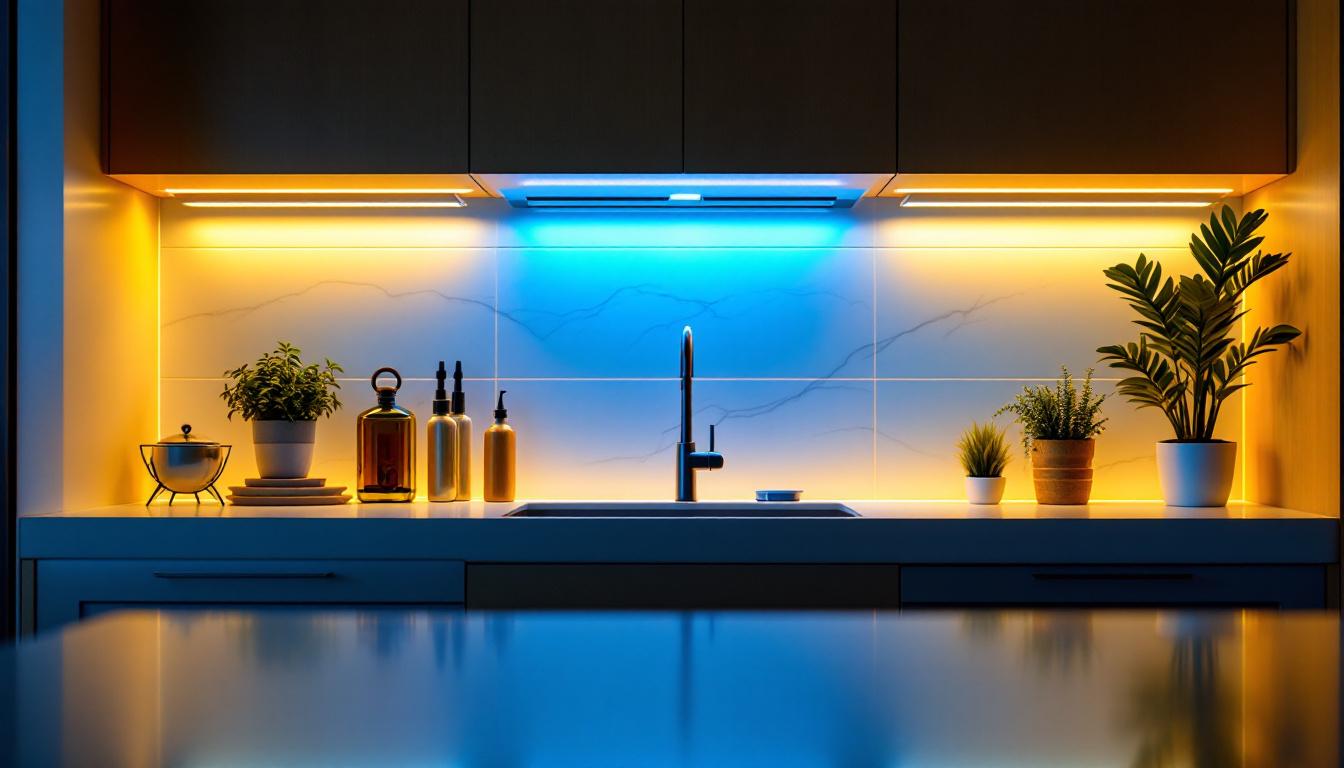
Automated lighting control allows for the creation of customizable lighting scenes that can be tailored to different activities, moods, or times of day. This flexibility enhances occupant comfort and productivity, whether in commercial offices, retail spaces, or residential environments. For lighting contractors, offering this level of personalization adds value beyond basic illumination. For instance, a cozy evening scene can be programmed to transition from bright, energizing light to warm, soft hues, creating an inviting atmosphere for relaxation or social gatherings. Similarly, a focused work scene can be optimized with cooler tones that enhance concentration and reduce eye strain, demonstrating how lighting can significantly impact overall well-being.
Clients increasingly expect lighting that adapts seamlessly to their needs, such as dimming during presentations or brightening in work areas. Automated systems enable these features with ease, positioning contractors as providers of cutting-edge, user-centric solutions. Moreover, the integration of smart sensors can further enhance these experiences by automatically adjusting lighting based on occupancy or natural light levels, ensuring that spaces are always optimally lit without manual intervention. This level of sophistication not only meets client expectations but also promotes energy efficiency, aligning with the growing demand for sustainable practices in design and construction.
Improved Accessibility and Convenience
Automation also simplifies lighting control for end users through intuitive interfaces like mobile apps, voice commands, or wall-mounted panels. This ease of use is especially beneficial in complex environments where multiple zones require independent control. Lighting contractors can highlight how automated systems reduce the hassle of manual adjustments and empower users to manage their lighting effortlessly. The ability to control lighting remotely means that users can set the perfect ambiance even before entering a room, enhancing the overall experience of the space. For example, a homeowner can program their outdoor lighting to illuminate pathways automatically at dusk, providing safety and convenience without the need for physical switches.
Additionally, the integration of smart home technology allows for the synchronization of lighting with other automated systems, such as heating and security. This interconnectedness not only streamlines user experience but also enhances safety and energy management. For instance, lighting can be programmed to mimic occupancy patterns when homeowners are away, deterring potential intruders while providing peace of mind. As the demand for smart solutions continues to rise, lighting contractors who embrace these technologies will not only meet client needs but also position themselves as leaders in the evolving landscape of home and commercial automation.
Streamlined Installation and Maintenance
Reduced Wiring and Simplified Setup
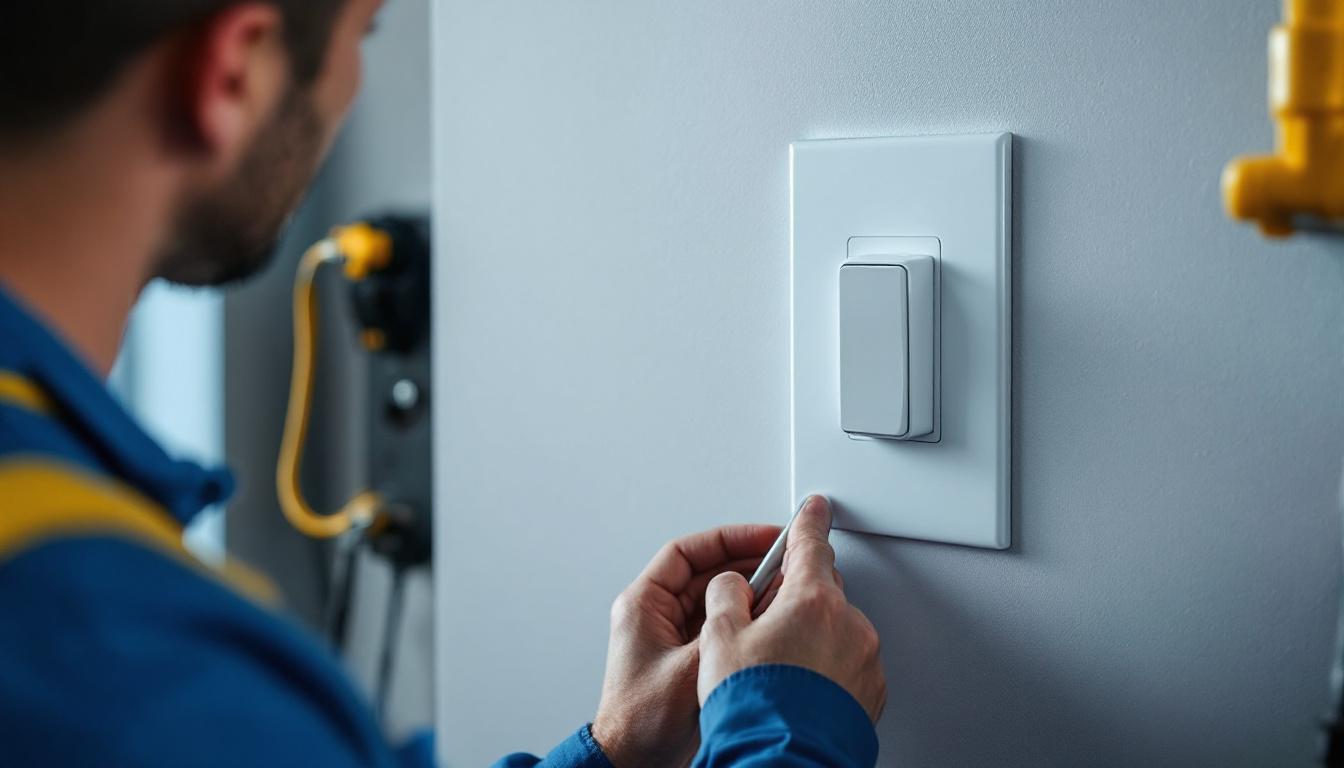
Modern automated lighting control systems often utilize wireless communication protocols such as Zigbee, Z-Wave, or Bluetooth Mesh. This reduces the need for extensive wiring, cutting down installation time and labor costs. For lighting contractors, this means faster project turnaround and fewer complications on-site. Additionally, the elimination of bulky wiring can lead to a cleaner aesthetic in both residential and commercial spaces, enhancing the overall design and appeal of the environment.
Wireless systems also offer scalability, allowing contractors to easily expand or modify lighting controls without major rewiring. This flexibility is a strong selling point for clients planning phased renovations or future upgrades. As technology evolves, the ability to integrate new devices or systems seamlessly into existing frameworks becomes increasingly important. Clients can feel confident that their initial investment will remain relevant and adaptable, ensuring that their lighting solutions can grow alongside their needs.
Remote Monitoring and Diagnostics
Automated lighting control platforms frequently include remote monitoring capabilities, enabling contractors to diagnose issues and perform maintenance without physical site visits. This proactive approach minimizes downtime and enhances service quality. Lighting contractors can offer maintenance contracts that leverage remote diagnostics, creating recurring revenue streams and strengthening client relationships. Furthermore, the data collected through these systems can provide valuable insights into energy usage patterns, allowing clients to make informed decisions about their lighting strategies and potentially reduce energy costs.
With the integration of advanced analytics, contractors can also identify trends and anticipate potential issues before they escalate, ensuring that clients enjoy optimal performance from their lighting systems. This level of foresight not only improves client satisfaction but also positions contractors as trusted advisors in the realm of smart building technology. As the demand for energy-efficient solutions continues to rise, being able to offer such comprehensive monitoring and maintenance services will set contractors apart in a competitive market.
Compliance and Sustainability Advantages
Meeting Energy Codes and Standards
Building codes and energy regulations increasingly mandate the use of energy-efficient lighting controls. Automated systems help contractors ensure compliance with these requirements, avoiding costly penalties and project delays. Staying current with evolving standards also positions contractors as knowledgeable experts in sustainable building practices.
Supporting Green Building Certifications
Automated lighting control contributes to green building certifications such as LEED, WELL, and BREEAM by optimizing energy use and enhancing occupant well-being. Contractors involved in projects pursuing these certifications can leverage automated lighting as a key component of the sustainability strategy, adding prestige and marketability to their services.
Business Growth and Competitive Edge
Expanding Service Offerings
By mastering automated lighting control technologies, contractors can diversify their service portfolio beyond traditional lighting installation. This includes system design, programming, integration with building management systems, and ongoing support. Offering comprehensive smart lighting solutions differentiates contractors in a crowded market and attracts clients seeking modern, efficient lighting environments.
Building Long-Term Client Relationships
Automated lighting control systems often require periodic updates and maintenance, giving contractors opportunities to engage with clients post-installation. Providing expert support and upgrades fosters trust and encourages repeat business. Contractors who position themselves as partners in clients’ sustainability and comfort goals are more likely to secure referrals and long-term contracts.
Conclusion: Embracing Automation for Future Success
Automated lighting control presents a multitude of benefits for lighting contractors, from energy savings and enhanced user experience to streamlined installation and compliance advantages. Embracing these technologies not only improves project outcomes but also opens new avenues for business growth and client satisfaction.
As the demand for smart, sustainable lighting solutions continues to rise, contractors who invest in understanding and implementing automated lighting control will be well-positioned to lead the industry. The integration of automation is not just a technical upgrade—it is a strategic move towards delivering innovative, efficient, and future-ready lighting solutions.
Get Started with LumenWholesale Today
Ready to harness the power of automated lighting control for your projects? At LumenWholesale, we provide lighting contractors with the highest quality, spec-grade lighting products at exceptional wholesale prices. Say goodbye to unnecessary markups and enjoy the convenience of free shipping on bulk orders. Our selection is designed to meet rigorous industry standards, ensuring you deliver reliable and high-performance lighting solutions to your clients. Elevate your lighting game and give your clients the smart, sustainable lighting they demand. Wholesale Lighting at the Best Value is just a click away. Make the strategic move with LumenWholesale and lead the way in innovative lighting solutions.