Understanding the Scope of Outdoor Lighting Projects
Outdoor lighting is more than just installing fixtures; it’s about creating an environment that balances safety, aesthetics, and functionality. For lighting contractors, grasping the full scope of a project is crucial before diving into design or installation. This means assessing the site thoroughly, understanding client expectations, and considering the technical challenges unique to outdoor environments.
Every outdoor space has its own set of variables—terrain, existing structures, vegetation, and local regulations—that influence the lighting design. A well-rounded contractor will take time to evaluate these factors, ensuring the lighting solution not only enhances the space but also stands up to weather conditions and energy demands.
Site Assessment: The Foundation of Success
Start with a detailed site survey. Walk the entire property to identify key areas needing illumination, such as pathways, entrances, architectural features, and landscape highlights. Note any obstacles like trees, uneven ground, or water features that could affect light placement or require specialized fixtures.
Consider the natural light patterns and shadows throughout the day and night. Understanding these patterns helps in positioning fixtures to avoid glare or dark spots, creating a balanced and inviting atmosphere. Additionally, evaluating the existing electrical infrastructure is vital; knowing where power sources are located can streamline the installation process and reduce potential complications.
Client Goals and Budget Alignment
Clear communication with the client is essential. Are they seeking security lighting, decorative effects, or a combination of both? Do they prefer energy-efficient solutions or smart, automated controls? Aligning the project goals with the client’s budget early on prevents costly changes later and ensures satisfaction.
Moreover, it’s beneficial to present clients with various lighting options that cater to their preferences while remaining within budget constraints. For instance, showcasing LED fixtures can highlight their long-term cost savings and environmental benefits, while also providing a modern aesthetic. Discussing the potential for programmable lighting systems can also excite clients about the added convenience and versatility these solutions offer, allowing them to customize their outdoor ambiance for different occasions or moods.
Choosing the Right Fixtures and Technologies
With the outdoor lighting market flooded with options, selecting the right fixtures and technologies can be overwhelming. Lighting contractors must balance durability, functionality, and design to meet project demands. The right choice not only enhances the aesthetic appeal of a property but also ensures safety and security, making it crucial for contractors to stay informed about the latest trends and technologies available in the market.
Fixture Types and Their Applications
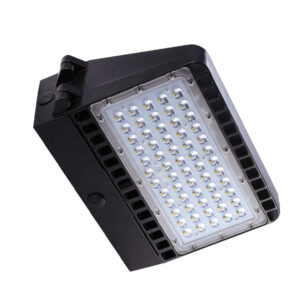
Path lights, floodlights, spotlights, wall-mounted fixtures, and well lights each serve specific purposes. Path lights guide visitors safely, while spotlights and floodlights highlight architectural elements or provide security. Understanding the strengths and limitations of each type allows contractors to create layered lighting schemes that enhance both utility and beauty. For instance, well lights can be seamlessly integrated into landscaping, providing subtle illumination that accentuates garden features without overwhelming the natural beauty of the surroundings.
Materials matter, too. Fixtures made from corrosion-resistant metals like brass or stainless steel tend to last longer in outdoor settings. Polycarbonate lenses and weatherproof seals protect against moisture and dust, reducing maintenance needs. Additionally, the choice of finish can impact not only the durability of the fixtures but also their visual appeal; matte finishes can blend more naturally into the environment, while polished surfaces can add a touch of elegance to modern designs.
LED Lighting: Efficiency Meets Performance
LED technology dominates outdoor lighting for good reasons. LEDs consume significantly less energy than traditional incandescent or halogen bulbs, reducing operational costs. They also offer longer lifespans, minimizing replacement frequency. Moreover, the low heat output of LEDs means they are safer to use in various settings, reducing the risk of burns or fire hazards, which is particularly important in residential areas.
Color temperature selection is important. Warmer tones (2700K-3000K) create inviting atmospheres, while cooler temperatures (4000K-5000K) enhance visibility and security. Some projects benefit from adjustable or RGB LEDs, allowing dynamic color changes for events or seasonal displays. This versatility not only caters to the aesthetic preferences of homeowners but also enables contractors to create unique lighting experiences that can be tailored to different occasions, from festive gatherings to quiet evenings outdoors.
Smart Controls and Automation
Modern outdoor lighting increasingly incorporates smart controls—motion sensors, timers, dimmers, and remote management systems. These features improve energy efficiency and user convenience. For example, motion-activated lights provide security without wasting energy, while programmable schedules ensure lights operate only when needed. This level of control can be particularly beneficial for large properties, where managing multiple lighting zones can become cumbersome without automation.
Contractors should stay updated on compatible control systems and integration possibilities with home automation platforms. This knowledge adds value to their service offerings and meets growing client expectations. As smart home technology continues to evolve, the integration of outdoor lighting with other systems—such as security cameras and smart doorbells—can create a cohesive and responsive environment that enhances both safety and convenience for homeowners. Additionally, educating clients on the benefits of these technologies can lead to more informed decisions and greater satisfaction with their outdoor lighting solutions.
Installation Best Practices and Safety Considerations
Proper installation is critical to the longevity and effectiveness of outdoor lighting systems. Lighting contractors must adhere to industry standards and prioritize safety at every step.
Electrical Codes and Permits
Compliance with local electrical codes is non-negotiable. These codes dictate wiring methods, grounding requirements, and fixture ratings for outdoor use. Securing necessary permits before starting work avoids legal complications and ensures inspections go smoothly. Additionally, staying updated on any changes to local regulations can help contractors avoid fines and ensure that their installations are up to date with the latest safety standards. Engaging with local building departments can provide insights into any specific requirements that may apply to unique landscapes or environmental considerations.
Wiring and Grounding Techniques
Use outdoor-rated cables and conduit to protect wiring from moisture and physical damage. Burying cables at the correct depth and marking them clearly prevents accidental cuts during landscaping or future work. It is also advisable to use wire connectors that are rated for outdoor use, as they provide additional protection against corrosion and environmental factors. Regular inspections of wiring and connections can help identify potential issues before they escalate, ensuring the system remains safe and functional over time.
Ground fault circuit interrupters (GFCIs) are essential for outdoor circuits to prevent electrical shock hazards. Proper grounding of fixtures and transformers enhances system safety and reduces interference. In addition to GFCIs, surge protectors can be installed to safeguard against voltage spikes caused by lightning or power surges, which can damage sensitive lighting equipment and lead to costly repairs.
Fixture Placement and Mounting
Position fixtures to maximize coverage while minimizing glare and light pollution. Secure mounting prevents movement caused by wind or vibration, which can misalign lights or damage wiring. When planning the layout, consider the natural landscape and existing structures that can either enhance or obstruct light distribution. Utilizing adjustable fixtures can provide flexibility in directing light where it is needed most, allowing for adjustments based on seasonal changes or landscaping growth.
Consider accessibility for maintenance. Fixtures mounted too high or in hard-to-reach spots complicate bulb replacement and cleaning, increasing long-term costs. Using fixtures with longer lifespans or energy-efficient LED options can reduce the frequency of replacements, but accessibility should still be a priority. Incorporating features like adjustable poles or easily removable fixtures can significantly ease maintenance tasks, ensuring that the lighting system remains in optimal condition without unnecessary hassle or expense.
Maintenance Planning and Client Education
Outdoor lighting systems require ongoing maintenance to perform optimally. Contractors who provide maintenance plans and educate clients on upkeep build trust and encourage repeat business.
Routine Inspection and Cleaning
Regularly inspect fixtures for damage, corrosion, or dirt buildup. Cleaning lenses and removing debris ensures maximum light output and prevents premature fixture failure.
Check wiring connections and control systems periodically to identify wear or faults early. Prompt repairs reduce downtime and costly replacements.
Seasonal Adjustments and Upgrades
Outdoor environments change with the seasons. Shrubs and trees grow, potentially obstructing lights, while weather conditions may affect fixture performance. Adjusting light angles and trimming vegetation keeps the lighting design effective year-round.
Advise clients on technological upgrades, such as switching to more efficient LEDs or integrating new smart controls. These enhancements improve system performance and energy savings over time.
Client Training and Documentation
Provide clients with clear instructions on operating timers, sensors, and manual overrides. Supplying documentation, including system diagrams and warranty information, empowers clients to manage their lighting confidently.
Building a Reputation as a Reliable Lighting Contractor
Success in outdoor lighting contracting hinges on professionalism, technical expertise, and customer satisfaction. Developing a reputation for quality work and dependable service attracts referrals and repeat clients.
Clear Communication and Project Management
Keep clients informed throughout the project-from initial consultation to final walkthrough. Transparent timelines, cost estimates, and progress updates build trust and reduce misunderstandings.
Showcasing Portfolio and Testimonials
Document completed projects with high-quality photos and detailed descriptions. Sharing these on websites and social media demonstrates capability and inspires potential clients.
Encourage satisfied clients to provide testimonials and reviews. Positive feedback is a powerful marketing tool in a competitive industry.
Continuous Learning and Industry Involvement
Stay current with emerging technologies, design trends, and code changes through training and professional associations. This commitment to growth ensures contractors deliver cutting-edge solutions and maintain compliance.
Networking with suppliers, electricians, and landscape professionals can open doors to new opportunities and collaborative projects.
Conclusion
Outdoor lighting projects demand a comprehensive approach-from initial assessment to maintenance planning. Contractors who master the technical, aesthetic, and client-relations aspects position themselves as trusted experts in the field.
By following this ultimate checklist, lighting contractors can deliver durable, efficient, and beautiful outdoor lighting solutions that enhance spaces and satisfy clients for years to come.
Illuminate Your Projects with LumenWholesale
Ready to elevate your outdoor lighting projects with the best products on the market? At LumenWholesale, we provide lighting contractors like you with the high-quality, spec-grade lighting solutions you need to create stunning, efficient, and reliable installations. Say goodbye to inflated markups and hello to our unbeatable wholesale prices, comprehensive selection, and the convenience of free shipping on bulk orders. Enhance your professional services with the durability and performance that LumenWholesale offers. Don’t compromise on quality or value—visit Wholesale Lighting at the Best Value and make your next project shine brighter than ever.