In the realm of construction and design, architectural lighting plays a pivotal role in shaping the ambiance and functionality of spaces. For lighting contractors, understanding the nuances of architectural lights is essential not only for enhancing aesthetic appeal but also for ensuring the practicality and efficiency of lighting installations. This article delves into the various aspects of architectural lighting and its significant impact on lighting contractors’ projects.
Understanding Architectural Lighting
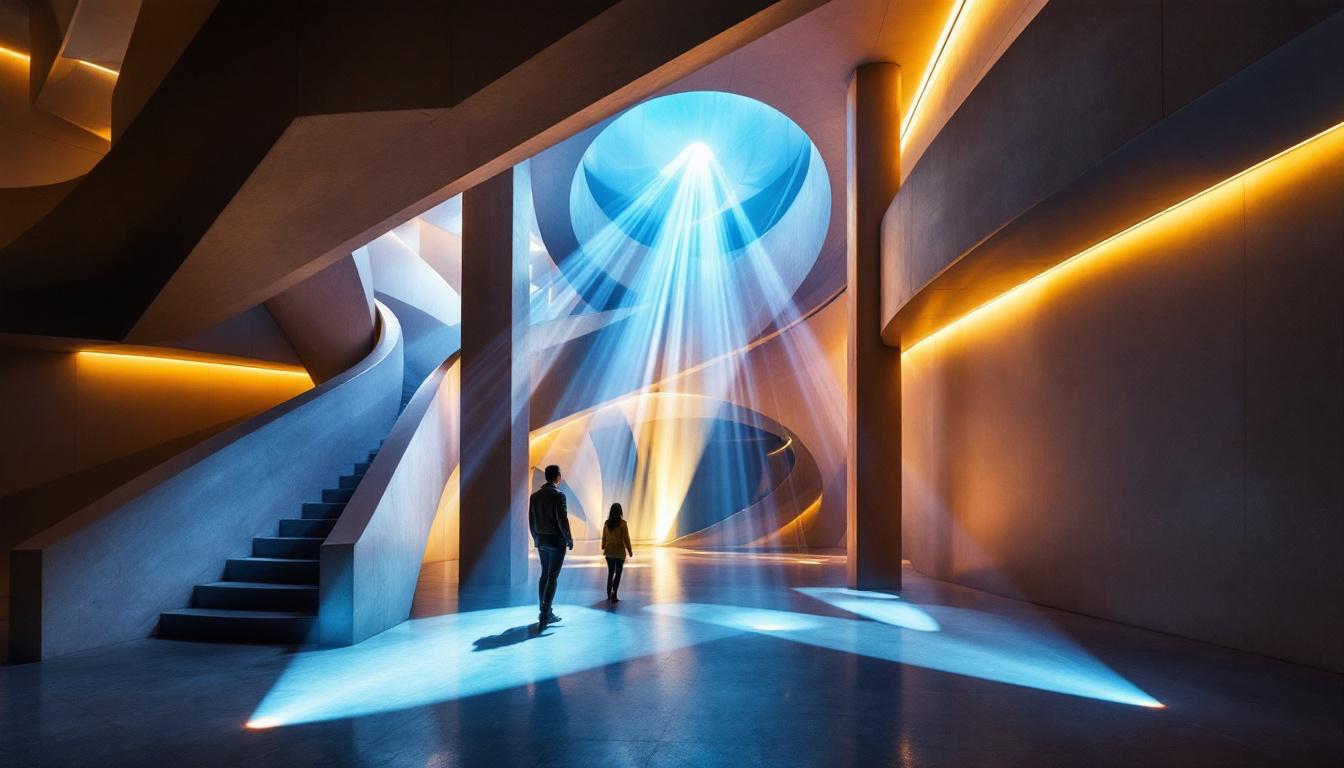
Architectural lighting refers to the integration of light into the design of buildings and structures. It serves both functional and aesthetic purposes, illuminating spaces while enhancing their architectural features. This type of lighting goes beyond mere illumination; it is about creating an experience, guiding movement, and highlighting the unique characteristics of a space. By carefully orchestrating the flow of light, designers can evoke emotions and influence how individuals interact with their environment, making lighting an essential component of architectural design.
The Role of Architectural Lighting in Design
Incorporating architectural lighting into a project requires a keen understanding of design principles. Lighting contractors must consider how light interacts with materials, colors, and textures. For instance, a well-placed light can accentuate the beauty of a textured wall or create dramatic shadows that add depth to a space. The interplay between light and architecture can transform ordinary environments into extraordinary experiences. Furthermore, the strategic use of lighting can enhance the perception of space, making smaller areas feel larger or creating intimate nooks within expansive environments.
Moreover, architectural lighting can dictate the mood of a space. Warm lighting can create a cozy atmosphere, while cooler tones can evoke a sense of professionalism and clarity. Lighting contractors need to collaborate closely with architects and designers to ensure that the lighting scheme aligns with the overall vision of the project. This collaboration often involves experimenting with different lighting sources and techniques, such as layering light or utilizing dimmable fixtures, to achieve the desired ambiance. The result is a harmonious blend of light and architecture that resonates with the intended use of the space.
Types of Architectural Lighting
There are several types of architectural lighting that contractors should be familiar with, each serving a distinct purpose:
- Ambient Lighting: This provides general illumination for a space, ensuring that areas are well-lit for everyday activities.
- Task Lighting: Focused lighting that aids in specific tasks, such as reading or cooking, enhancing functionality without overwhelming the space.
- Accent Lighting: Used to highlight particular features, such as artwork or architectural details, creating focal points within a room.
Understanding these types allows lighting contractors to tailor their approach based on the specific needs of each project, ensuring that all aspects of lighting are effectively addressed. Additionally, there are innovative options like LED technology that offer versatility and energy efficiency, enabling designers to push the boundaries of traditional lighting. The use of smart lighting systems also allows for dynamic adjustments, enabling spaces to adapt to different activities and times of day, further enhancing the user experience.
Impact on Project Planning and Execution
Architectural lighting significantly influences the planning and execution phases of lighting contractors’ projects. From initial design concepts to final installation, every step must consider the implications of lighting choices.
Design Collaboration
Effective collaboration between lighting contractors, architects, and interior designers is crucial. Early involvement in the design process allows contractors to provide insights on lighting placement, fixture selection, and energy efficiency. This collaborative approach not only enhances the design but also minimizes potential challenges during installation.
For instance, if a contractor understands the intended use of a space, they can recommend appropriate lighting solutions that align with the overall design intent. This proactive communication can lead to innovative solutions that elevate the project beyond traditional lighting applications. Additionally, the integration of smart lighting technologies can be discussed at this stage, allowing for the creation of dynamic environments that adapt to the needs of the occupants. By leveraging tools such as lighting control systems, contractors can help design spaces that are not only aesthetically pleasing but also functional and responsive to various activities throughout the day.
Budget Considerations
Architectural lighting can have a significant impact on project budgets. Lighting contractors must navigate the balance between high-quality lighting solutions and cost-effectiveness. Selecting the right fixtures and technologies can make a substantial difference in both initial costs and long-term energy savings.
Moreover, understanding the lifecycle costs of lighting products is essential. Investing in energy-efficient fixtures may have a higher upfront cost but can lead to substantial savings in energy bills over time. Lighting contractors should educate clients on these benefits, helping them make informed decisions that align with their financial objectives. Furthermore, exploring available rebates and incentives for energy-efficient lighting can also help mitigate initial costs, making it easier for clients to commit to high-quality solutions. By providing a detailed cost-benefit analysis, contractors can illustrate the long-term value of their recommendations, ensuring that clients feel confident in their investment choices.
Technological Advancements in Architectural Lighting
The lighting industry is continuously evolving, with technological advancements reshaping the landscape of architectural lighting. For lighting contractors, staying abreast of these developments is crucial for maintaining a competitive edge.
LED Technology
LED technology has revolutionized architectural lighting, offering energy efficiency, longevity, and versatility. Unlike traditional lighting solutions, LEDs consume significantly less power and have a longer lifespan, reducing maintenance costs and environmental impact.
Additionally, the versatility of LED fixtures allows for creative applications in architectural design. From color-changing capabilities to dimming options, LEDs can adapt to various settings and requirements, making them a preferred choice for many lighting contractors. The ability to create dynamic lighting scenes enhances the aesthetic appeal of spaces, allowing designers to tailor the ambiance to suit different occasions, from vibrant events to serene evenings.
Smart Lighting Systems
The rise of smart lighting systems has further transformed the way architectural lighting is implemented. These systems allow for remote control and automation, enabling users to adjust lighting based on their preferences and needs. For lighting contractors, integrating smart technology into projects can enhance user experience and provide added value to clients.
Smart lighting can also contribute to energy efficiency by allowing for precise control over lighting usage. This not only helps in reducing energy costs but also aligns with the growing demand for sustainable building practices. Furthermore, many smart lighting systems can be integrated with other smart home technologies, creating a cohesive ecosystem that enhances overall functionality. This interconnectedness allows users to synchronize lighting with other elements, such as heating and security systems, fostering an environment that is both comfortable and secure.
Human-Centric Lighting
Another emerging trend in architectural lighting is human-centric lighting, which focuses on the impact of light on human well-being. This approach considers factors such as color temperature and intensity, aiming to create environments that promote productivity and comfort. Research has shown that exposure to natural light and appropriately designed artificial lighting can significantly affect mood, health, and overall performance.
For lighting contractors, understanding the principles of human-centric lighting can open up new opportunities for designing spaces that prioritize occupant well-being. By incorporating tunable white LEDs and circadian lighting systems, contractors can create environments that adapt throughout the day, mimicking the natural progression of sunlight. This not only enhances the aesthetic quality of a space but also supports the physical and mental health of its occupants, making it a compelling selling point for clients looking to invest in innovative and thoughtful design solutions.
Challenges Faced by Lighting Contractors
While architectural lighting presents numerous opportunities, it also poses challenges that lighting contractors must navigate. Understanding these challenges is essential for successful project execution.
Regulatory Compliance
Lighting contractors must be well-versed in local building codes and regulations related to lighting installations. Compliance with these regulations is crucial for ensuring safety and functionality. Failure to adhere to these standards can result in costly delays and potential liability issues.
Moreover, as sustainability becomes a priority in construction, contractors must stay updated on energy efficiency standards and certifications. This requires ongoing education and training to ensure that all projects meet or exceed regulatory requirements.
Client Expectations
Meeting client expectations can be a daunting task, especially when it comes to architectural lighting. Clients often have specific visions for their spaces, and lighting contractors must find ways to bring those visions to life while staying within budget and time constraints.
Effective communication is key. Lighting contractors should actively engage with clients throughout the project, providing updates and seeking feedback. This collaborative approach helps manage expectations and fosters a sense of trust between contractors and clients.
Future Trends in Architectural Lighting
The future of architectural lighting is bright, with emerging trends that promise to reshape the industry. Lighting contractors who stay ahead of these trends will be better positioned to meet client demands and enhance their project offerings.
Sustainability and Energy Efficiency
As environmental concerns continue to rise, sustainability will play an increasingly significant role in architectural lighting. Lighting contractors will need to prioritize energy-efficient solutions and sustainable practices in their projects. This includes selecting eco-friendly materials, utilizing renewable energy sources, and implementing smart lighting technologies that reduce energy consumption.
Clients are becoming more conscious of their environmental impact, and contractors who can offer sustainable lighting solutions will stand out in a competitive market.
Human-Centric Lighting
Human-centric lighting is an emerging trend that focuses on designing lighting systems that support human well-being. This approach considers factors such as circadian rhythms and the psychological effects of lighting on mood and productivity. Lighting contractors can play a crucial role in creating spaces that enhance the health and comfort of occupants.
By integrating human-centric principles into architectural lighting designs, contractors can offer innovative solutions that resonate with clients seeking to create healthier environments.
Conclusion
Architectural lighting is more than just a functional element; it is an integral part of the overall design and experience of a space. For lighting contractors, understanding the impact of architectural lights on their projects is essential for success. From collaborating with design teams to navigating challenges and embracing new technologies, contractors must be adaptable and forward-thinking.
As the industry evolves, staying informed about trends and advancements will empower lighting contractors to deliver exceptional results that meet the needs of their clients. By prioritizing collaboration, sustainability, and innovation, lighting contractors can enhance their projects and contribute to the creation of beautiful, functional spaces that illuminate the world around us.
Illuminate Your Projects with LumenWholesale
Ready to elevate your architectural lighting projects with the finest selection of spec-grade lighting products? At LumenWholesale, we’re committed to providing you with exceptional quality and value. Say goodbye to inflated markups and hello to top-tier lighting at wholesale prices. Our extensive catalog is designed to meet the highest industry standards, ensuring every installation shines with reliability and performance. Plus, with free shipping on bulk orders, you can stock up on premium lighting solutions without any hidden fees. Don’t compromise on quality or cost—choose LumenWholesale for the perfect fusion of affordability and convenience. Wholesale Lighting at the Best Value is just a click away.