Introduction to Architectural Lighting Trends
Architectural lighting has evolved far beyond simple illumination, becoming an integral part of design that enhances aesthetics, functionality, and sustainability. For lighting contractors, staying abreast of current trends is essential to meet client expectations, comply with regulations, and leverage technological advancements. This article explores the most impactful trends shaping the architectural lighting industry today, providing contractors with insights to elevate their projects and business offerings.
Lighting contractors play a pivotal role in transforming architectural concepts into reality. Understanding emerging trends not only helps in specifying the right products but also in advising architects, designers, and property owners on optimal lighting solutions. From energy efficiency to smart controls, these trends reflect broader shifts toward sustainability, user experience, and technological integration.
One of the most prominent trends in architectural lighting is the increasing emphasis on energy efficiency. As environmental concerns continue to rise, more clients are seeking solutions that minimize energy consumption while maximizing visual impact. This has led to a surge in the adoption of LED technology, which not only consumes significantly less energy than traditional lighting options but also offers a longer lifespan and reduced maintenance costs. Furthermore, advancements in smart lighting systems allow for dynamic control over brightness and color temperature, enabling spaces to adapt to different activities and moods throughout the day, thus enhancing the overall user experience.
Another noteworthy trend is the integration of human-centric lighting, which focuses on the well-being of occupants. Research has shown that lighting can significantly affect mood, productivity, and even health. By mimicking natural light patterns, architects and lighting designers can create environments that promote alertness during the day and relaxation at night. This approach not only enhances the aesthetic appeal of a space but also aligns with the growing awareness of mental health and wellness in architectural design. As contractors embrace these innovative lighting strategies, they position themselves as key players in creating spaces that are not only visually stunning but also supportive of the occupants’ physical and emotional needs.
Energy Efficiency and Sustainable Lighting Solutions
LED Technology and Beyond
LED lighting remains the cornerstone of energy-efficient architectural lighting. Its longevity, low energy consumption, and versatility make it the preferred choice for contractors. However, innovation continues to push LED technology forward with advancements such as tunable white LEDs, which allow dynamic adjustment of color temperature to mimic natural daylight cycles. This feature not only enhances the aesthetic quality of spaces but also supports the well-being of occupants by aligning lighting with circadian rhythms, thereby promoting healthier environments.
Moreover, the integration of organic LEDs (OLEDs) and micro-LEDs is beginning to influence architectural lighting design. These technologies offer ultra-thin, flexible lighting panels that can be seamlessly incorporated into surfaces, enabling creative and unobtrusive illumination solutions. Contractors familiar with these emerging technologies can offer clients cutting-edge options that combine aesthetic appeal with sustainability. The potential for OLEDs to create ambient lighting that is both functional and artistic opens new avenues for designers, allowing for innovative applications in both residential and commercial settings. As these technologies continue to evolve, they promise to redefine the boundaries of what is possible in lighting design.
Incorporating Renewable Energy and Smart Controls
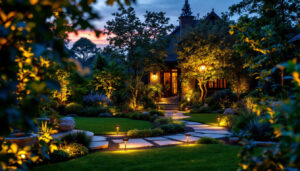
Another key trend is the integration of architectural lighting with renewable energy sources like solar power. Solar-powered lighting systems are increasingly viable for outdoor applications, reducing dependency on grid electricity and lowering carbon footprints. Lighting contractors who understand how to design and install these systems can tap into growing demand for green building solutions. Additionally, the combination of solar energy with LED technology maximizes efficiency, as LEDs require significantly less power, making solar installations more effective and economically viable.
Smart lighting controls enhance energy efficiency by enabling precise management of lighting levels based on occupancy, daylight availability, and user preferences. Systems equipped with sensors and IoT connectivity allow for automated dimming, scheduling, and remote monitoring, significantly reducing energy waste. Contractors proficient in these technologies can provide value-added services that improve building performance and occupant comfort. Furthermore, the integration of smart controls with mobile applications empowers users to customize their lighting experiences, creating environments that are not only energy-efficient but also tailored to individual needs. This level of personalization is becoming increasingly important in both residential and commercial spaces, where user experience plays a central role in design considerations.
Human-Centric and Biophilic Lighting Design
Emphasizing Circadian Rhythm Support
Human-centric lighting focuses on the physiological and psychological effects of light on occupants. Research shows that lighting influences circadian rhythms, mood, productivity, and overall well-being. Architectural lighting contractors are increasingly called upon to implement solutions that support these natural biological cycles, particularly in workplaces, healthcare facilities, and educational environments.
Tunable white lighting systems that adjust color temperature throughout the day help mimic natural daylight patterns, promoting alertness during daytime hours and relaxation in the evening. This approach enhances occupant comfort and can contribute to better health outcomes, making it a compelling selling point for contractors working on wellness-oriented projects.
Integrating Biophilic Design Principles
Biophilic design incorporates natural elements into built environments to foster a connection with nature. Lighting plays a crucial role in this concept by replicating natural light qualities and enhancing visual access to outdoor views. For instance, dynamic lighting that simulates the changing intensity and color of sunlight can create immersive environments that reduce stress and improve cognitive function.
Lighting contractors who understand biophilic principles can collaborate effectively with architects and designers to create spaces that resonate with occupants on a deeper level. This trend aligns with the growing emphasis on wellness and sustainability in architecture, positioning contractors as essential contributors to holistic design strategies.
Advanced Lighting Controls and Integration
IoT and Smart Building Ecosystems
The rise of the Internet of Things (IoT) has transformed architectural lighting into an interconnected system that integrates seamlessly with other building technologies. Lighting contractors must be adept at installing and configuring systems that communicate with HVAC, security, and energy management platforms to optimize building performance.
Smart lighting systems offer granular control over individual fixtures and zones, enabling personalized lighting scenes and adaptive responses to environmental conditions. This level of sophistication requires contractors to be knowledgeable about networking protocols, software platforms, and cybersecurity considerations to ensure reliable and secure operation.
Wireless and Modular Lighting Solutions
Wireless lighting controls are gaining traction due to their ease of installation and flexibility. These systems reduce the need for extensive wiring, lowering labor costs and minimizing disruption during retrofits or renovations. Modular lighting fixtures that can be easily reconfigured or expanded also support evolving design needs and tenant requirements.
Contractors skilled in wireless and modular solutions can offer clients adaptable lighting systems that future-proof buildings against changing technologies and usage patterns. This adaptability is especially valuable in commercial and mixed-use developments where space functions may shift over time.
Design Trends Influencing Architectural Lighting
Minimalism and Clean Lines
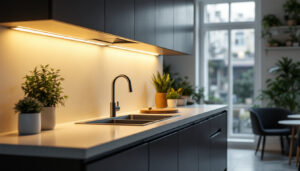
Contemporary architectural lighting favors minimalist aesthetics that emphasize clean lines, simplicity, and integration with architectural elements. Lighting fixtures are often concealed or designed to blend seamlessly with ceilings, walls, and structural components, creating a cohesive visual experience.
For contractors, this trend means paying close attention to precision installation and coordination with other trades to achieve the desired seamless effect. It also involves selecting fixtures with sleek profiles and finishes that complement modern architectural styles.
Accent and Layered Lighting
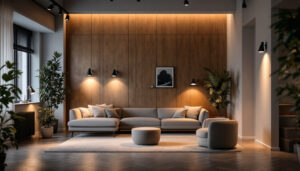
Layered lighting strategies that combine ambient, task, and accent lighting are essential to creating dynamic and functional spaces. Accent lighting, in particular, highlights architectural features, artwork, and textures, adding depth and visual interest.
Lighting contractors must be skilled in positioning and aiming fixtures to achieve the right balance of illumination and shadow. This requires an understanding of light distribution, beam angles, and color rendering to enhance spatial perception and mood.
Color and Dynamic Lighting Effects
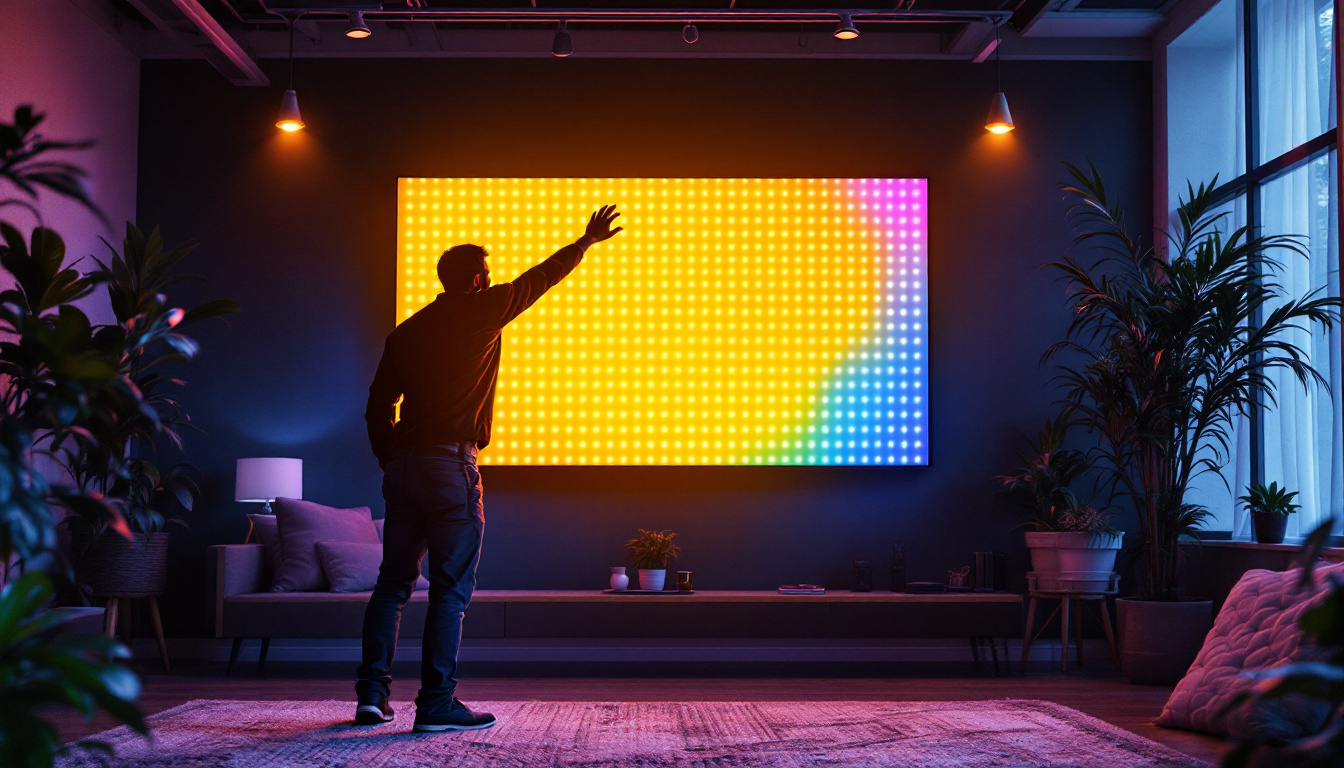
Advances in LED technology have expanded the palette of colors and effects available to architectural lighting designers. Dynamic lighting that changes color or intensity can be used to create memorable experiences, support branding, or respond to events and seasons.
Contractors familiar with programmable lighting systems can implement sophisticated effects that elevate the ambiance and functionality of spaces. This capability is particularly valuable in hospitality, retail, and entertainment venues where lighting plays a central role in customer engagement.
Regulatory and Safety Considerations
Compliance with Energy Codes and Standards
Lighting contractors must ensure that installations comply with local and national energy codes, which increasingly mandate the use of energy-efficient technologies and controls. Familiarity with standards such as ASHRAE 90.1, the International Energy Conservation Code (IECC), and relevant lighting certifications is critical to avoid costly rework and penalties.
Staying updated on evolving regulations also enables contractors to advise clients proactively on compliance strategies and incentives, enhancing their reputation as knowledgeable professionals.
Addressing Light Pollution and Dark Sky Initiatives
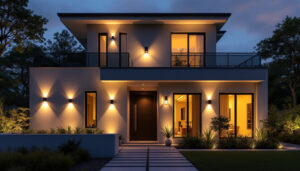
There is growing awareness of the environmental impact of light pollution, which affects ecosystems and human health. Many municipalities now require lighting designs that minimize glare, skyglow, and light trespass through shielding and directional control.
Lighting contractors should incorporate dark sky-friendly fixtures and design principles into their projects, particularly for outdoor and urban applications. This approach aligns with sustainability goals and community expectations, positioning contractors as responsible stewards of the environment.
Conclusion: Preparing for the Future of Architectural Lighting
The architectural lighting industry is rapidly evolving, driven by technological innovation, sustainability imperatives, and changing occupant needs. Lighting contractors who embrace these trends and invest in continuous learning will be well-positioned to deliver innovative, efficient, and human-centric lighting solutions.
By mastering energy-efficient technologies, smart controls, biophilic design principles, and regulatory requirements, contractors can differentiate themselves in a competitive market. Ultimately, understanding and applying these trends enables lighting professionals to contribute meaningfully to the built environment, enhancing both form and function.
Get the Best in Architectural Lighting with LumenWholesale
As you prepare to meet the future of architectural lighting head-on, choose LumenWholesale for your lighting supply needs. Our commitment to providing contractors with superior, spec-grade lighting products at wholesale prices ensures that you can keep up with the latest trends without breaking the bank. With LumenWholesale, you’ll find an extensive selection that meets the highest industry standards, paired with the convenience of hassle-free bulk buying and free shipping. Don’t let inflated markups and hidden fees hold you back. Elevate your projects with the quality, affordability, and convenience that LumenWholesale offers. Wholesale Lighting at the Best Value is just a click away.