Understanding Architectural Lighting: Foundations for Contractors
Architectural lighting is a specialized field that goes beyond simply illuminating spaces. It involves the strategic use of light to enhance architectural features, create ambiance, and support the functional needs of a building. For lighting contractors, mastering this discipline requires both technical knowledge and an artistic sensibility.
Many contractors entering this niche ask foundational questions about the role of architectural lighting. What distinguishes it from general lighting? How do design intentions influence lighting choices? Understanding these basics is crucial for delivering results that satisfy both designers and end-users.
What Defines Architectural Lighting?
Architectural lighting focuses on integrating light fixtures and design to complement and highlight the architecture itself. Unlike standard lighting, which primarily addresses visibility and safety, architectural lighting emphasizes aesthetics, mood, and spatial perception. This can mean accentuating textures, creating depth, or guiding movement through a space.
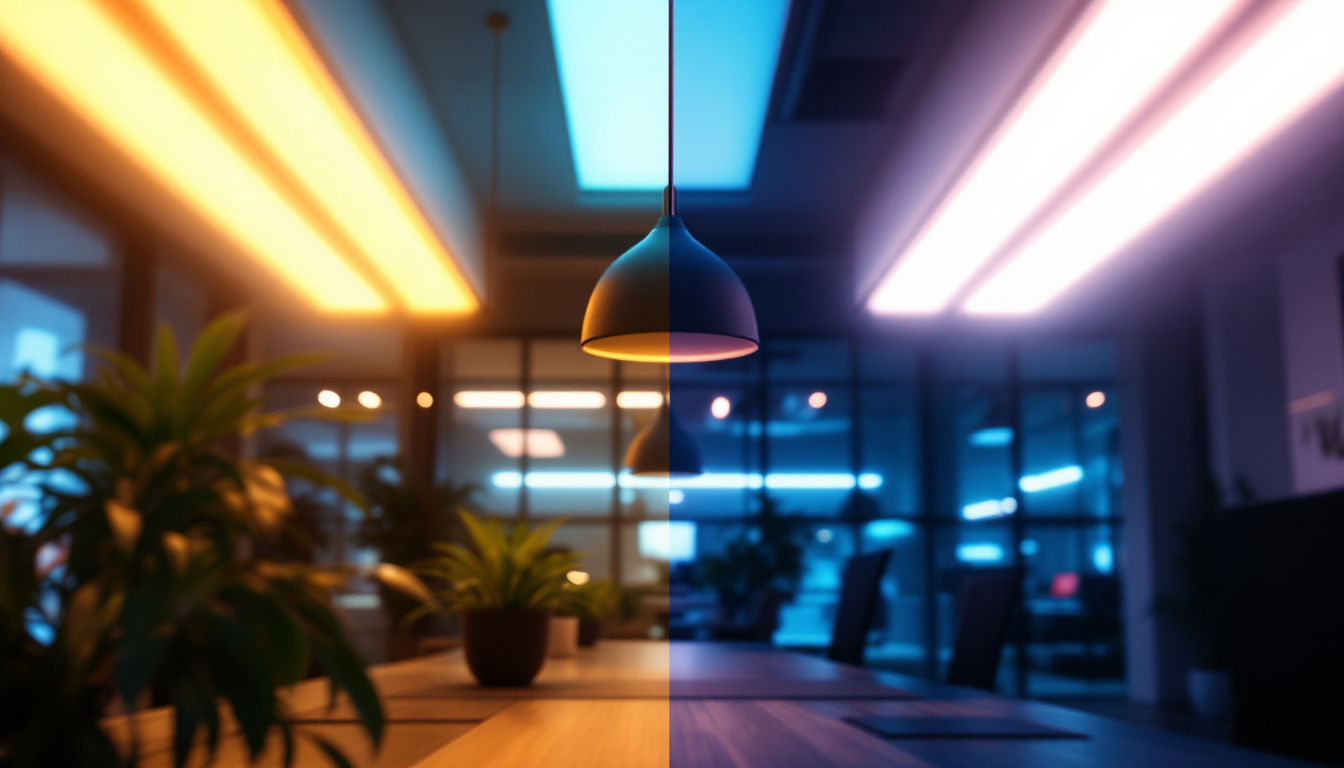
Lighting contractors must consider factors such as color temperature, light distribution, and fixture placement to achieve these effects. For example, warm light tones may enhance the natural warmth of wood finishes, while cooler tones might be used to emphasize sleek, modern materials like steel or glass. Additionally, the choice of fixtures can significantly impact the overall design; recessed lighting can create a clean look, while pendant lights can serve as striking focal points.
How Does Architectural Lighting Impact Building Performance?
Beyond aesthetics, architectural lighting plays a significant role in energy efficiency and occupant comfort. Properly designed lighting systems can reduce energy consumption by using LED technology, daylight harvesting, and smart controls. This is increasingly important as building codes and sustainability standards evolve.
Contractors should be familiar with the latest energy codes and standards, such as those related to lighting power density (LPD) and controls. Implementing dimmers, occupancy sensors, and programmable lighting schedules can help meet these requirements while enhancing user experience. Furthermore, the integration of natural light through strategically placed windows and skylights can reduce reliance on artificial lighting during daylight hours, promoting a healthier and more productive environment for occupants.
Moreover, the psychological effects of lighting on individuals cannot be overlooked. Studies have shown that well-designed lighting can improve mood, increase productivity, and even enhance cognitive function. By understanding the interplay between light and human behavior, contractors can create spaces that not only look beautiful but also foster well-being and creativity. This understanding is essential for contractors aiming to collaborate effectively with architects and interior designers, ensuring that the lighting solutions provided align seamlessly with the overall vision of the space.
Choosing the Right Fixtures and Technologies
The selection of fixtures and lighting technologies is one of the most common areas of inquiry for lighting contractors working on architectural projects. The choices made here affect not only the visual outcome but also installation complexity, maintenance, and long-term performance.
LED vs. Traditional Lighting: What Should Contractors Know?
LED lighting has become the industry standard for architectural applications due to its energy efficiency, longevity, and versatility. However, contractors often ask about specific considerations when transitioning from traditional sources like halogen or fluorescent.
LEDs offer superior color rendering and can be tailored to various beam angles and intensities, which is vital for architectural lighting’s nuanced demands. Additionally, LEDs generate less heat, reducing cooling loads and enhancing fixture lifespan. Contractors should ensure compatibility with dimming systems and be aware of potential flicker issues that can affect occupant comfort.
Moreover, the shift to LED technology also opens up opportunities for innovative design solutions. With the advent of tunable white LEDs, contractors can create dynamic lighting environments that adjust color temperature throughout the day, mimicking natural light patterns. This not only enhances aesthetic appeal but also contributes to the well-being of occupants by supporting circadian rhythms. Understanding the nuances of these advanced technologies will empower contractors to make informed decisions that elevate their projects.
How to Select Fixtures for Different Architectural Styles?
Fixture choice should complement the architectural style and design intent. For example, minimalist modern buildings may benefit from sleek, recessed fixtures that maintain clean lines, while classical or historic structures might require decorative sconces or pendant lighting that respects period aesthetics.
Contractors should collaborate closely with architects and lighting designers to understand the desired effect. Considerations include fixture finish, size, mounting method, and light distribution patterns. Custom fixtures or modifications are sometimes necessary to meet unique architectural requirements.
Additionally, understanding the context in which fixtures will be installed is crucial. For instance, in spaces with high ceilings, larger fixtures or clusters of smaller fixtures may be necessary to ensure adequate illumination. In contrast, low-ceiling environments might call for flush-mounted or pendant lights that draw the eye without overwhelming the space. By considering both the architectural style and the functional requirements of the space, contractors can make selections that enhance both form and function.
Incorporating Smart Lighting Controls
Smart lighting controls are transforming architectural lighting by enabling dynamic adjustments based on occupancy, daylight availability, or user preferences. Contractors frequently ask about integrating these systems effectively.
Key technologies include DALI (Digital Addressable Lighting Interface), DMX, and wireless control platforms. Proper installation and programming ensure seamless operation and avoid common pitfalls such as signal interference or system incompatibility. Training on these systems is essential for contractors to provide ongoing support and troubleshooting.
Furthermore, the integration of smart lighting controls can significantly enhance energy savings and operational efficiency. By utilizing sensors and automated systems, contractors can help clients reduce energy consumption during unoccupied hours or adjust lighting levels based on the time of day. This not only contributes to sustainability goals but also provides users with a customizable experience that can adapt to their needs. As the demand for smart buildings continues to grow, having a solid understanding of these technologies will position contractors as leaders in the evolving landscape of architectural lighting design.
Installation Challenges and Best Practices
Installation is a critical phase where design intentions meet practical realities. Lighting contractors often encounter challenges that require problem-solving skills and thorough preparation.
Common Installation Issues in Architectural Lighting
One frequent challenge is coordinating lighting installation with other trades, such as electrical, HVAC, and interior finishes. Delays or miscommunication can lead to fixture damage, improper wiring, or misaligned placement.
Another issue is ensuring that lighting achieves the intended visual effect once installed. Differences between design renderings and real-world conditions, such as surface reflectance or ambient light levels, can impact outcomes. Contractors should conduct on-site mock-ups or test installations when feasible.
Ensuring Proper Wiring and Safety Compliance
Architectural lighting often involves complex wiring schemes, especially when integrating controls and dimmers. Contractors must adhere to electrical codes and manufacturer guidelines to ensure safety and system reliability.
Grounding, surge protection, and proper conduit use are essential considerations. Additionally, labeling and documentation facilitate future maintenance and troubleshooting. Regular inspections during and after installation help catch potential issues early.
Tips for Efficient Installation and Quality Assurance
Planning is key to efficient installation. Reviewing design documents thoroughly, coordinating schedules with other trades, and verifying fixture specifications beforehand reduce delays and errors.
Using laser levels and mounting templates can improve fixture alignment and consistency. Post-installation, contractors should perform photometric measurements and visual inspections to confirm that lighting levels and uniformity meet project requirements.
Maintenance and Troubleshooting Architectural Lighting
Proper maintenance ensures that architectural lighting systems continue to perform as intended over time. Contractors often seek guidance on best practices for upkeep and troubleshooting common problems.
Routine Maintenance Practices
Regular cleaning of fixtures and lenses is essential to maintain light output and appearance. Dust, dirt, and environmental factors can degrade performance, especially in exterior applications.
LED fixtures typically require less frequent replacement than traditional lamps, but drivers and control components may need periodic inspection. Contractors should establish maintenance schedules aligned with manufacturer recommendations.
Addressing Common Lighting Issues
Flickering lights, dimming inconsistencies, or unexpected outages are common concerns. These issues can stem from wiring faults, control system glitches, or component failures.
Systematic troubleshooting involves checking power supplies, verifying control settings, and testing individual fixtures. Keeping detailed records of installations and maintenance helps identify recurring problems and inform corrective actions.
Upgrading and Retrofitting Existing Systems
Many architectural lighting projects involve upgrading older systems to improve efficiency or aesthetics. Contractors should assess existing infrastructure, compatibility with new technologies, and potential disruptions during retrofit work.
Phased upgrades and modular designs can minimize downtime and allow for future scalability. Clear communication with clients about expected benefits and limitations is vital for successful retrofits.
Collaboration and Communication with Stakeholders
Architectural lighting projects typically involve multiple stakeholders, including architects, interior designers, engineers, and building owners. Effective communication is essential for project success.
Understanding Design Intent and Client Expectations
Contractors must interpret design documents accurately and seek clarification when needed. Early involvement in the design process can help identify potential challenges and suggest practical solutions.
Regular meetings and progress updates keep all parties aligned. Visual aids such as mock-ups, samples, or lighting simulations enhance understanding and decision-making.
Providing Expert Advice and Recommendations
Clients and designers often rely on contractors for technical expertise. Offering informed recommendations on fixture selection, control strategies, and installation methods builds trust and adds value.
Staying current with industry trends, codes, and technologies enables contractors to propose innovative solutions that meet project goals and budget constraints.
Managing Change Orders and Project Adjustments
Changes during construction are common and can impact lighting scope and costs. Contractors should document all modifications clearly and communicate implications promptly.
Flexibility and problem-solving skills help navigate unforeseen issues while maintaining quality and schedule commitments.
Conclusion: Mastering Architectural Lighting as a Contractor
Architectural lighting is a complex, rewarding field that challenges contractors to blend technical proficiency with creative insight. By understanding design principles, selecting appropriate technologies, managing installation intricacies, and maintaining open communication, lighting contractors can deliver exceptional results that enhance both form and function.
Continuous learning and adaptation to emerging trends and standards ensure that contractors remain competitive and capable of meeting the evolving demands of architectural lighting projects. Ultimately, success in this arena depends on a commitment to quality, collaboration, and innovation.
Illuminate Your Projects with LumenWholesale
Ready to take your architectural lighting projects to the next level? At LumenWholesale, we provide you with the industry’s finest lighting solutions that embody the perfect fusion of quality, cost-effectiveness, and convenience. Say goodbye to overpriced markups and hello to our spec-grade lighting products that will illuminate your work, impress your clients, and keep your budget in check. With free shipping on bulk orders, your next project is just a click away. Discover the value that awaits at Wholesale Lighting at the Best Value and elevate your lighting game today.