Understanding Adjustable LED Light Strips: What Sets Them Apart?
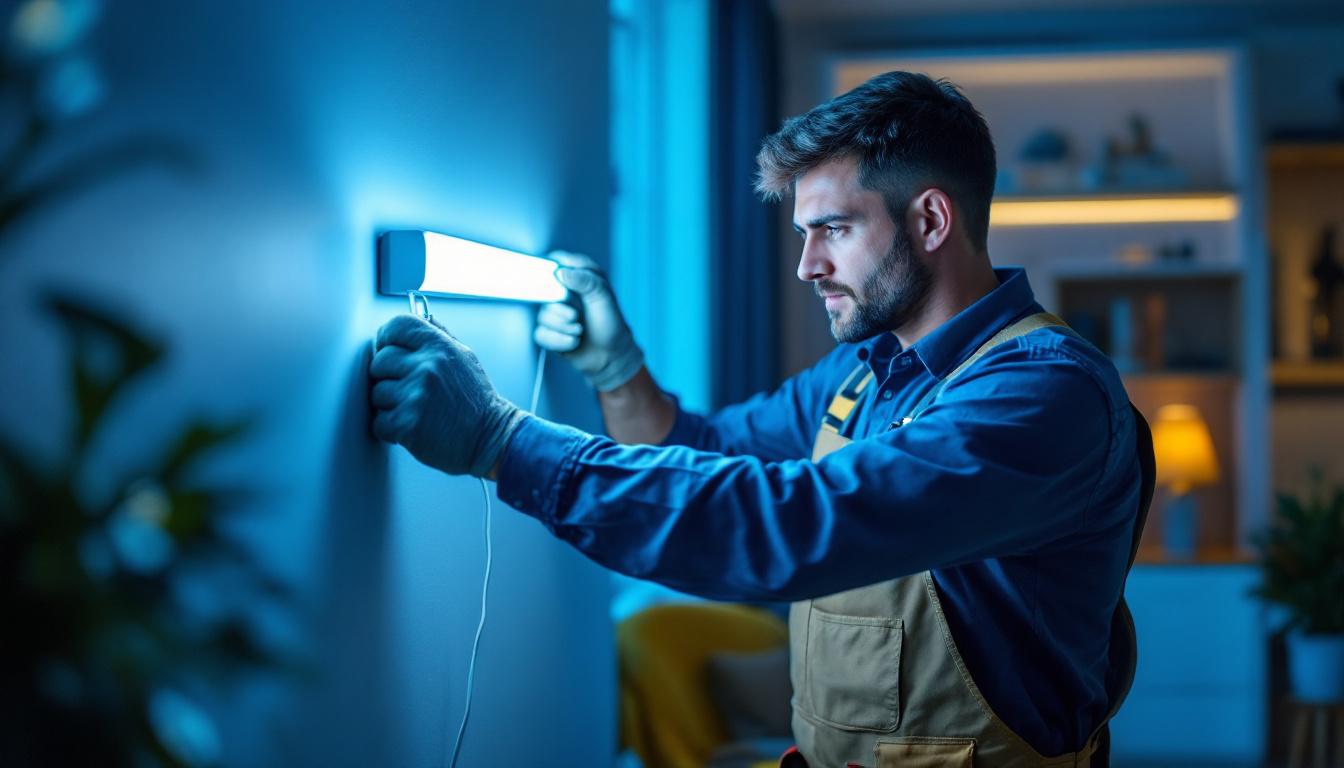
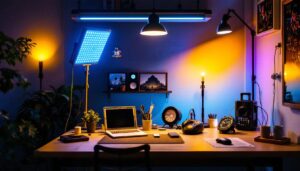
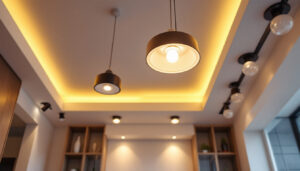
Adjustable LED light strips have transformed lighting design by offering flexibility in brightness, color temperature, and even color hues. Unlike fixed-output strips, these allow for dynamic control, adapting to different moods, tasks, or architectural features. For contractors, this means a wider range of applications but also a steeper learning curve.
These strips typically feature integrated controllers or require external dimmers and smart hubs. Their versatility makes them popular in commercial, residential, and hospitality projects. However, the complexity of wiring, compatibility, and installation can lead to costly mistakes if not handled with care. The ability to customize lighting not only enhances the aesthetic appeal of a space but also contributes to energy efficiency, as users can adjust the brightness based on their specific needs, potentially reducing energy consumption.
Why Adjustable LED Strips Demand Special Attention
Adjustability introduces variables that fixed LED strips don’t have. Voltage drops, controller compatibility, and heat dissipation become more critical. A lighting contractor must understand these nuances to avoid performance issues like flickering, inconsistent color, or premature failure.
For example, a 24V adjustable strip can run longer distances than a 12V strip without voltage drop issues, but it may require different power supplies and controllers. Selecting the right combination is essential to ensure uniform lighting and system longevity. Moreover, the integration of smart technology into these systems allows for remote control and automation, enabling users to set schedules or link lighting to other smart home devices. This level of sophistication not only enhances user convenience but also opens up new avenues for creative lighting design, where colors can shift throughout the day to mimic natural light patterns, thus improving the overall ambiance of a space.
Common Pitfalls in Adjustable LED Strip Installations
Ignoring Voltage Drop and Power Distribution
Voltage drop is the silent enemy in LED strip installations. As current travels along the strip, voltage decreases, causing dimmer light output at the far end. Adjustable strips, especially those with color-changing capabilities, are more sensitive to voltage inconsistencies.
Contractors often underestimate the length of the strip or the gauge of wiring needed. This oversight leads to uneven brightness or color shifts, which clients notice immediately. Planning power injection points and using thicker gauge wires can mitigate these issues. Additionally, it’s essential to consider the total length of the LED run; longer runs may require multiple power feeds to ensure consistent brightness. By calculating the total wattage and dividing it across the strips, installers can better distribute power and maintain uniformity throughout the installation.
Overlooking Controller and Power Supply Compatibility
Adjustable LED strips rely heavily on compatible controllers and power supplies. Using a power supply with insufficient wattage or a controller that doesn’t support the strip’s protocol can cause erratic behavior or damage.
For instance, an RGBW strip requires a controller that can handle four channels. Using a standard RGB controller will result in the white channel not functioning correctly. Similarly, power supplies must have a buffer-typically 20% above the calculated load-to avoid overheating and failure. It’s also crucial to verify that the controller’s communication protocol matches the strip’s specifications. Some advanced strips may use digital protocols like DMX or SPI, which necessitate specific controllers for proper operation. Ensuring compatibility not only enhances performance but also extends the lifespan of both the power supply and the strips themselves.
Neglecting Heat Management
Heat is a major factor in LED longevity. Adjustable strips often have more components, such as integrated drivers or sensors, which generate additional heat. Installing strips on surfaces that don’t dissipate heat well, like plastic or wood without proper backing, can shorten lifespan.
Aluminum channels or heat sinks are recommended to maintain optimal operating temperatures. Failing to manage heat can lead to color shifts, reduced brightness, and early failure, all of which increase warranty claims and damage reputation. Furthermore, it’s beneficial to consider the ambient temperature of the installation environment. Areas with poor ventilation or high ambient temperatures can exacerbate heat buildup. Implementing fans or ensuring adequate airflow around the installation can further enhance heat dissipation, thereby preserving the integrity and performance of the LED strips over time. Proper heat management not only contributes to the longevity of the installation but also ensures that the aesthetic quality of the lighting remains consistent and vibrant throughout its lifespan.
Best Practices for Installing Adjustable LED Light Strips
Accurate Load Calculations and Power Planning
Start by calculating the total wattage of the LED strips, including all adjustable features. Add a safety margin to account for power surges or future expansions. This ensures the power supply isn’t operating at maximum capacity, which can reduce reliability.
Distribute power injection points evenly along long runs to maintain consistent voltage. For runs exceeding recommended lengths, consider splitting the strip into sections powered independently. This approach minimizes voltage drop and maintains uniform lighting. Additionally, using a multimeter to measure voltage at various points along the strip can help identify any discrepancies that may arise during installation. Regular checks can prevent potential issues before they escalate into more significant problems, ensuring a smooth and effective lighting setup.
Choosing the Right Controllers and Accessories
Select controllers that match the strip’s specifications—voltage, channels, and control protocol. For smart lighting projects, ensure compatibility with the client’s preferred ecosystem, whether that’s Zigbee, Z-Wave, or Wi-Fi. Understanding the specific features of each protocol can also enhance user experience; for instance, some systems offer voice control or integration with home automation systems, which can significantly elevate the functionality of the lighting setup.
Use high-quality connectors and solder joints to prevent signal loss or intermittent connections. Waterproof connectors are essential for outdoor or damp locations. Avoid cheap, generic controllers that may not support advanced features like smooth dimming or color transitions. Investing in premium accessories can lead to a more reliable and visually appealing installation, as they often come with better warranties and customer support, ensuring peace of mind for both the installer and the end-user.
Proper Surface Preparation and Mounting Techniques
Clean and dry mounting surfaces thoroughly before installation. Adhesive backing on LED strips can fail if applied to dusty or oily surfaces. For permanent installations, mechanical fastening with clips or channels is advisable. Additionally, consider the thermal properties of the surface; certain materials may retain heat, which can affect the performance and longevity of the LED strips. Using thermal paste or pads can further enhance heat dissipation, ensuring optimal operation.
Aluminum mounting channels not only improve heat dissipation but also provide a professional finish. They protect the strips from physical damage and dust accumulation, extending the system’s lifespan. Furthermore, these channels can be designed with diffusers that soften the light output, reducing harsh glare and creating a more ambient atmosphere. When planning the layout, think about the overall aesthetic and functionality; strategically placed channels can highlight architectural features or create mood lighting in specific areas, enhancing the overall design of the space.
Troubleshooting and Maintenance Tips for Contractors
Diagnosing Flickering and Color Inconsistencies
Flickering often points to power supply issues or loose connections. Start by checking wiring continuity and ensuring the power supply can handle the load. Controllers with incompatible dimming protocols can also cause flicker, so verify that the dimmer matches the strip’s requirements.
Color inconsistencies usually stem from voltage drop or faulty controllers. Measuring voltage at multiple points along the strip can reveal drops. Replacing or supplementing power injection points often resolves the problem.
Additionally, it’s essential to consider the quality of the LED strips being used. Low-quality strips may have inconsistent manufacturing tolerances, leading to variations in brightness and color output. Opting for reputable brands can mitigate these issues significantly. Furthermore, environmental factors such as temperature fluctuations can impact LED performance. For instance, extreme heat can cause thermal throttling, affecting both brightness and color accuracy. Ensuring that the installation site has adequate ventilation can help maintain optimal operating conditions for the LEDs.
Routine Maintenance and Client Education
Encourage clients to keep the strips and channels clean to prevent dust buildup, which can affect heat dissipation. Regular inspections can catch early signs of wear or damage.
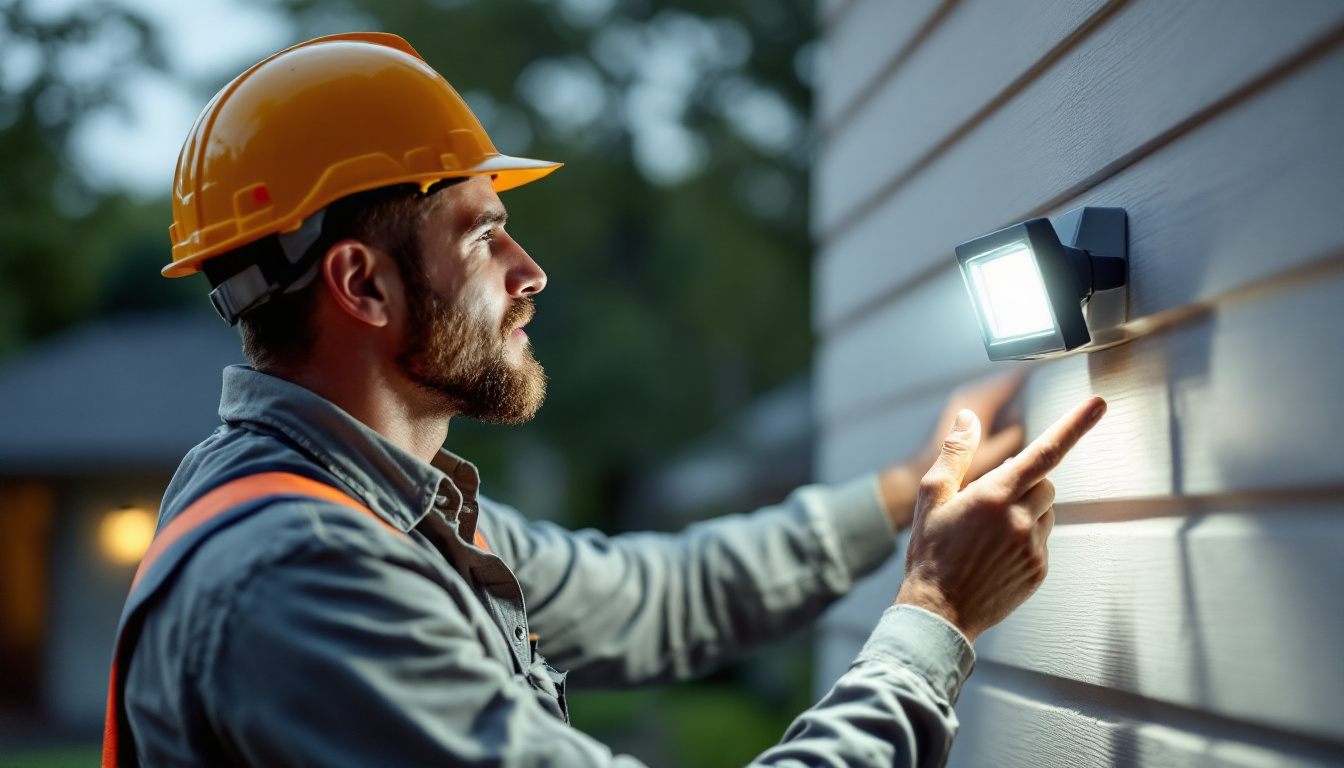
Educate clients on proper use of dimmers and controllers. Overloading or improper settings can shorten the lifespan of adjustable LED strips. Providing clear instructions or even remote support can reduce service calls and improve satisfaction.
Moreover, consider implementing a scheduled maintenance plan for clients, which can include periodic check-ups and performance assessments. This proactive approach not only helps in identifying potential issues before they escalate but also builds trust and strengthens client relationships. During these visits, contractors can demonstrate how to adjust settings for optimal performance based on the specific use case, whether for ambient lighting in a living space or task lighting in a workspace. Additionally, sharing tips on energy efficiency can empower clients to make informed decisions about their lighting systems, potentially leading to cost savings on their energy bills.
Maximizing Value: How to Position Adjustable LED Strips in Your Service Offering
Adjustable LED strips are more than just a lighting solution-they’re an opportunity to showcase expertise and add value. Offering customized lighting scenes, integration with smart home systems, and energy-efficient designs can differentiate your services.
Highlight the benefits to clients: enhanced ambiance, energy savings, and future-proofing. Demonstrating knowledge of pitfalls and how to avoid them builds trust and positions you as a go-to expert in modern lighting solutions.
Investing time in training and staying updated on new products and protocols will pay off. The adjustable LED market is growing rapidly, and contractors who master these systems will find a steady stream of projects and referrals.
Illuminate Your Projects with LumenWholesale
Ready to elevate your lighting installations with the best adjustable LED strips on the market? Look no further than LumenWholesale. Our commitment to quality and affordability ensures that you can provide your clients with the enhanced ambiance and energy efficiency they desire. With our spec-grade products and unbeatable wholesale prices, you’ll have the edge you need to stay ahead in the competitive lighting industry. Say goodbye to middleman markups and hello to hassle-free bulk buying with free shipping. Don’t compromise on quality or value. Discover wholesale lighting at the best value today and light up your service offering with LumenWholesale.