Understanding the 7 Watt Type B Light Bulb
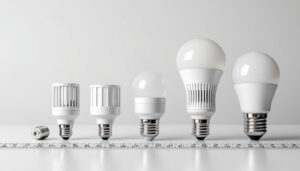
The 7 watt Type B light bulb is a staple in many lighting projects, especially when a compact, energy-efficient solution is required. Its small, candle-like shape makes it ideal for chandeliers, sconces, and decorative fixtures. Despite its popularity, many lighting contractors encounter challenges when specifying or installing these bulbs.
Type B bulbs are designed to mimic the look of traditional flame-tip bulbs but with modern LED technology. This combination offers both aesthetic appeal and energy savings. However, the unique design and electrical characteristics mean that contractors must be precise in their approach to avoid common pitfalls.
Key Features of the 7 Watt Type B Bulb
One of the main draws of the 7 watt Type B bulb is its low power consumption paired with sufficient brightness. Typically, these bulbs produce around 500 lumens, which is comparable to a 40-watt incandescent bulb. This makes them excellent for ambient lighting without driving up energy costs.
Additionally, Type B bulbs often come with dimmable options, allowing for greater control over lighting ambiance. However, not all dimmers are compatible, which can lead to flickering or reduced bulb lifespan if the wrong components are used.
Another important aspect to consider is the color temperature of the 7 watt Type B bulb. Available in various shades ranging from warm white (2700K) to daylight (5000K), these bulbs can dramatically influence the mood of a space. Warm white is often preferred for living rooms and bedrooms, creating a cozy atmosphere, while cooler temperatures are ideal for workspaces or kitchens, promoting alertness and focus. Understanding the desired ambiance can help in selecting the right color temperature for specific applications.
Moreover, the longevity of Type B bulbs is another significant advantage. With an average lifespan of 15,000 to 25,000 hours, these bulbs far outlast traditional incandescent options, reducing the frequency of replacements and maintenance costs. This durability makes them a practical choice for both residential and commercial settings, where consistent lighting is crucial. Additionally, many manufacturers offer warranties that further assure users of their reliability, making the 7 watt Type B bulb a sound investment for any lighting project.
Common Issues Lighting Contractors Face with 7 Watt Type B Bulbs
Despite their advantages, several issues frequently arise during installation or operation of these bulbs. Recognizing these problems early can save time, money, and client dissatisfaction.
Compatibility with Fixtures and Dimmers
One of the most frequent challenges is ensuring compatibility between the bulb, fixture, and dimmer switch. Many older dimmers were designed for incandescent bulbs and may not function properly with LED Type B bulbs. This incompatibility can cause flickering, buzzing, or even premature bulb failure.
Additionally, the physical size of the Type B bulb can sometimes be an issue. Although designed to fit decorative fixtures, some fixtures have limited space, and the bulb may not seat properly or could cause heat buildup. In some cases, contractors may need to recommend specific fixtures that are designed to accommodate LED bulbs, ensuring optimal performance and longevity.
Color Temperature Mismatches
Lighting contractors often encounter client complaints about the color temperature of the bulbs. The 7 watt Type B bulbs come in various color temperatures, from warm white (2700K) to cool white (5000K). Selecting the wrong temperature can result in a lighting effect that feels harsh or too dim for the intended space.
Understanding the space’s purpose and the client’s expectations is crucial. For example, warm white is generally preferred for residential settings to create a cozy atmosphere, while cooler temperatures might be better suited for commercial or task lighting. It’s also worth noting that the perception of color temperature can be influenced by surrounding colors and materials in a room, making it essential for contractors to conduct thorough consultations with clients to achieve the desired ambiance.
Heat Dissipation and Bulb Longevity
LED bulbs generate less heat than incandescent ones, but they still produce some heat that needs to be managed. Poor heat dissipation can shorten the lifespan of the bulb significantly. Lighting contractors must ensure that fixtures provide adequate ventilation or use bulbs designed with enhanced heat sinks.
Moreover, the placement of the bulbs can also affect their heat management. For instance, recessed lighting fixtures that are too enclosed can trap heat, leading to a decrease in efficiency and brightness over time. Contractors should educate clients on the importance of proper bulb placement and fixture selection to maximize performance and durability. Additionally, advising clients on routine maintenance can help in prolonging the life of their lighting systems, ensuring they remain satisfied with their investment for years to come.
Best Practices for Avoiding Issues with 7 Watt Type B Bulbs
Successful lighting projects hinge on careful planning and attention to detail. Here are some strategies contractors can use to avoid common problems.
Verify Fixture and Bulb Compatibility
Before installation, measure the fixture’s socket and available space to confirm the Type B bulb will fit comfortably. It’s also important to check the fixture’s maximum wattage rating to avoid overloading.
When selecting dimmers, choose models specifically rated for LED bulbs and compatible with the wattage of the 7 watt Type B bulb. Many manufacturers provide compatibility charts, which can be invaluable tools for contractors. Additionally, consider the type of dimming technology being used; for instance, trailing-edge dimmers tend to work better with LED bulbs compared to leading-edge dimmers, which can lead to flickering or reduced performance.
Choose the Right Color Temperature
Discuss the lighting goals with clients early in the project. Provide samples or mockups when possible to help them visualize the effect of different color temperatures. This proactive approach reduces the risk of dissatisfaction and costly replacements. Understanding the psychological impact of color temperature can also enhance your discussions; for example, warmer tones (around 2700K) create a cozy atmosphere, ideal for living spaces, while cooler tones (around 5000K) are better suited for task-oriented areas like kitchens and offices.
Focus on Quality and Certification
Not all 7 watt Type B bulbs are created equal. Opt for bulbs from reputable manufacturers that meet industry standards such as ENERGY STAR or UL certification. These certifications ensure the bulb has been tested for performance, safety, and longevity.
Quality bulbs often come with better warranties and technical support, which can be a significant advantage for contractors managing multiple projects. Furthermore, investing in higher-quality bulbs can lead to lower maintenance costs over time, as they typically have longer lifespans and reduced failure rates. This not only enhances client satisfaction but also strengthens your reputation as a contractor who prioritizes quality and reliability in every installation.
Installation Tips to Ensure Optimal Performance
Even with the right products, improper installation can cause issues. Following these tips can help contractors achieve the best results.
Handle Bulbs Carefully
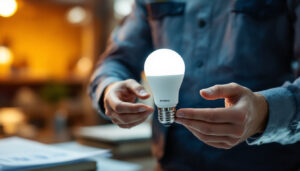
LED bulbs are more durable than incandescent ones but can still be damaged by rough handling. Avoid touching the bulb’s surface with bare hands, as oils can affect heat dissipation and reduce lifespan. Instead, consider using gloves or a clean cloth when handling bulbs to maintain their integrity. Additionally, store bulbs in their original packaging until installation to prevent any accidental damage during transport.
Secure Connections and Proper Wiring
Ensure all wiring connections are tight and secure. Loose connections can cause flickering or intermittent operation. When working with dimmers, double-check that wiring matches the manufacturer’s instructions. It’s also advisable to use wire nuts or electrical tape to secure connections, providing an extra layer of safety. Remember to keep the wiring organized and avoid any sharp bends that could lead to wear over time, ensuring a clean and efficient installation.
Test Before Finalizing
After installation, test the bulbs with the dimmer and fixture under normal operating conditions. Observe for flickering, buzzing, or unusual heat buildup. Address any issues immediately rather than waiting for client feedback. It’s beneficial to conduct a thorough inspection of the entire lighting system, including checking for any signs of voltage drop or inconsistencies in brightness. This proactive approach not only enhances the longevity of the installation but also ensures that clients are satisfied with the performance right from the start.
Consider Environmental Factors
When installing lighting, it’s crucial to consider the environmental factors that may affect performance. For instance, areas with high humidity or extreme temperatures can impact the lifespan of bulbs and fixtures. Using weather-resistant fixtures in outdoor settings or in areas prone to moisture can significantly enhance durability. Additionally, be mindful of the placement of lights; avoiding direct exposure to elements can prevent premature wear and tear, ensuring that the installation remains functional and aesthetically pleasing over time.
Educate the Client
Once the installation is complete, take the time to educate the client about the best practices for maintaining their new lighting system. Inform them about the importance of using compatible dimmers and the potential effects of using non-recommended bulbs. Providing a brief guide on how to clean fixtures and bulbs safely can also help prolong their lifespan. By empowering clients with knowledge, you not only enhance their satisfaction but also reduce the likelihood of future issues arising from misuse or misunderstanding.
Case Studies: Lessons from the Field
Real-world examples highlight how attention to detail can prevent common problems.
Residential Chandelier Retrofit
A contractor was tasked with retrofitting a large dining room chandelier with 7 watt Type B LED bulbs. Initially, the client reported flickering and buzzing. Investigation revealed the existing dimmer was incompatible with LED technology. After replacing the dimmer with an LED-compatible model, the issues resolved completely, and the client was pleased with the energy savings and improved ambiance.
Commercial Hotel Lighting Upgrade
In a hotel lobby renovation, contractors selected 7 watt Type B bulbs to maintain the classic look while reducing energy consumption. However, some bulbs failed prematurely due to poor heat dissipation within enclosed fixtures. Switching to bulbs with enhanced heat sinks and ensuring better ventilation in the fixtures extended bulb life and reduced maintenance costs.
Final Thoughts for Lighting Contractors
The 7 watt Type B light bulb offers a blend of style, efficiency, and versatility that suits many lighting applications. However, success depends on understanding the bulb’s characteristics and the environment in which it will operate.
By verifying compatibility, selecting the right color temperature, prioritizing quality, and following best installation practices, lighting contractors can avoid common pitfalls and deliver reliable, attractive lighting solutions. These steps not only enhance client satisfaction but also build a reputation for professionalism and expertise in the competitive lighting industry.
Get Your Premium Lighting Supplies at LumenWholesale
Ready to elevate your lighting projects with the 7 watt Type B light bulbs that promise style, efficiency, and versatility? Look no further than LumenWholesale for all your lighting needs. We provide contractors with high-quality, specification-grade lighting products at unbeatable wholesale prices. With our direct approach, you can say goodbye to inflated markups and hello to superior lighting solutions that meet the highest industry standards. Plus, with free shipping on bulk orders, you can stock up on premium lighting without worrying about hidden fees. Don’t compromise on quality or value—Wholesale Lighting at the Best Value is just a click away. Choose LumenWholesale for a seamless blend of quality, affordability, and convenience, and light up your projects with confidence.