Understanding the 7 Watt Type B Bulb: Key Features and Applications
Lighting contractors often encounter a variety of bulb types, each with unique characteristics that influence installation, performance, and maintenance. The 7 watt Type B bulb is a popular choice in residential and commercial lighting due to its energy efficiency and compact design. Understanding its specifications and ideal applications is crucial to avoid common pitfalls during installation and servicing.
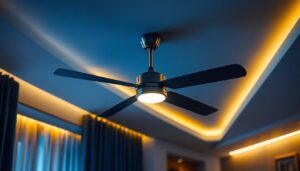
Type B bulbs, sometimes referred to as “candelabra” bulbs, typically feature a small, elongated shape with a screw base designed for decorative fixtures such as chandeliers, sconces, and ceiling fans. The 7 watt rating indicates a low energy consumption level, making these bulbs an excellent option for energy-conscious projects without compromising on brightness or aesthetic appeal.
Lighting contractors should note that despite their modest wattage, these bulbs can produce sufficient lumens for accent lighting or ambient illumination. Their compatibility with dimmer switches and various fixture types adds to their versatility. However, selecting the right bulb variant—whether LED, incandescent, or CFL—is essential to meet client expectations and regulatory standards.
In addition to their aesthetic advantages, 7 watt Type B bulbs are increasingly favored for their longevity. LED variants, in particular, can last up to 25,000 hours, significantly reducing the frequency of replacements and maintenance costs. This longevity is especially beneficial in hard-to-reach fixtures, where changing bulbs can be a cumbersome task. Furthermore, the low heat output of LED Type B bulbs minimizes the risk of overheating, making them a safer choice for enclosed fixtures and reducing the potential for fire hazards.
Moreover, the design of Type B bulbs allows for a wide range of decorative applications. They can be used in vintage-style fixtures to create a warm, inviting atmosphere, or in modern designs to provide a sleek, contemporary look. The ability to choose from various color temperatures—from warm white to cool daylight—enables contractors to tailor lighting solutions to specific environments, enhancing both functionality and aesthetics. As energy efficiency regulations become more stringent, the 7 watt Type B bulb stands out as a forward-thinking choice that aligns with sustainability goals while meeting the diverse needs of clients.
Common Issues Lighting Contractors Face with 7 Watt Type B Bulbs
Compatibility Challenges with Fixtures and Dimmers
One of the most frequent issues contractors encounter is the incompatibility between the 7 watt Type B bulb and certain fixtures or dimmer systems. Not all dimmers are designed to handle low-wattage LED bulbs, which can lead to flickering, buzzing, or reduced bulb lifespan. This problem is often overlooked during the planning phase, resulting in callbacks and dissatisfied clients.
Furthermore, some decorative fixtures have limited space or unique socket designs that may not accommodate the bulb’s shape or base correctly. This can cause poor electrical contact or mechanical stress on the bulb, increasing the risk of premature failure or safety hazards. To avoid these pitfalls, contractors should consider conducting a thorough compatibility check before installation, ensuring that both the fixtures and dimmers are rated for use with LED technology. This proactive approach not only enhances client satisfaction but also helps in building a reputation for reliability and professionalism.
Overheating and Ventilation Concerns
Although 7 watt Type B bulbs generally produce less heat than higher wattage counterparts, improper installation in enclosed or poorly ventilated fixtures can cause overheating. This not only reduces the bulb’s operational life but also poses a fire risk in extreme cases. Contractors must assess fixture specifications and ensure adequate airflow to maintain safe operating temperatures. In addition, educating clients about the importance of fixture design can help them make informed choices that prioritize safety and longevity.
Moreover, it is essential for contractors to stay updated on the latest advancements in LED technology and fixture designs. Newer models often come with better heat management features, which can significantly reduce the risk of overheating. By recommending fixtures that are specifically designed for LED use, contractors can enhance the overall performance and safety of their lighting installations, ensuring that clients enjoy the benefits of energy-efficient lighting without compromising on safety.
Quality Variations and Counterfeit Products
The market is flooded with bulbs of varying quality, and lighting contractors may inadvertently source counterfeit or substandard 7 watt Type B bulbs. These inferior products often fail prematurely, exhibit inconsistent light output, or do not comply with safety standards. Using reputable suppliers and verifying product certifications can mitigate these risks. Additionally, contractors should educate themselves on the signs of counterfeit products, such as unusual packaging or lack of warranty information, which can help them avoid costly mistakes.
Furthermore, establishing strong relationships with trusted manufacturers not only ensures access to high-quality products but also opens the door to better support and warranty options. This partnership can be invaluable when troubleshooting issues or seeking replacements for defective bulbs. By prioritizing quality over cost, contractors can provide clients with reliable lighting solutions that enhance their spaces while minimizing the likelihood of future issues, reinforcing their commitment to excellence in service delivery.
Best Practices for Selecting and Installing 7 Watt Type B Bulbs
Choosing the Right Bulb Type and Specifications
When selecting 7 watt Type B bulbs, contractors should prioritize LED options due to their superior energy efficiency, longer lifespan, and lower heat emission compared to incandescent or CFL alternatives. LEDs also offer a broader range of color temperatures, enabling tailored lighting solutions that enhance ambiance and functionality. For instance, a warm white (around 2700K) can create a cozy atmosphere in residential settings, while cooler temperatures (above 4000K) are ideal for workspaces where clarity and focus are paramount.
It is important to verify the bulb’s base type (commonly E12 for Type B bulbs) and ensure it matches the fixture’s socket. Additionally, confirming the bulb’s voltage rating and lumen output helps align performance expectations with the project’s requirements. The lumen output, which indicates the brightness of the bulb, should be compared to the intended use of the space. For example, areas requiring task lighting may benefit from bulbs with higher lumen ratings, while ambient lighting can be achieved with lower outputs.
Ensuring Fixture and Dimmer Compatibility
Before installation, contractors should consult fixture manufacturers’ guidelines to confirm compatibility with 7 watt Type B bulbs. When dimming capability is required, selecting dimmers specifically rated for LED bulbs is essential. Testing bulbs with the dimmer system prior to final installation can prevent operational issues and improve client satisfaction. It’s also wise to consider the total wattage of all bulbs on a dimmer circuit; exceeding the dimmer’s capacity can lead to flickering or premature failure of the bulbs.
Furthermore, understanding the type of dimmer switch is crucial. Some dimmers are designed for incandescent bulbs and may not perform well with LEDs, leading to inconsistent lighting experiences. Contractors should look for modern, LED-compatible dimmers that can handle the unique characteristics of LED lighting, ensuring a smooth transition from bright to dim without any noticeable flicker or delay.
Proper Installation Techniques
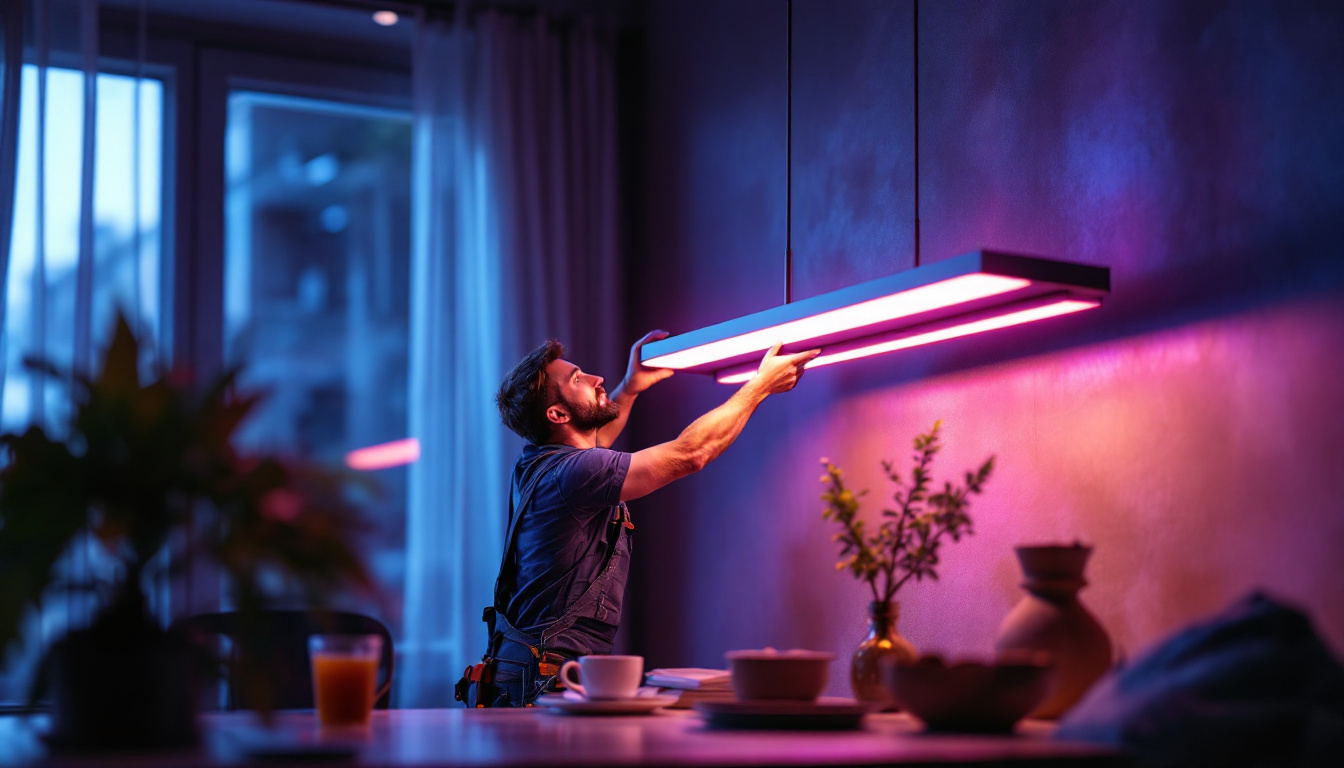
Installing 7 watt Type B bulbs requires careful handling to avoid damage. Contractors should ensure bulbs are securely screwed in without overtightening, which can crack the glass or damage the base. Additionally, verifying that fixtures provide adequate ventilation and are free from dust or debris enhances bulb longevity and performance. Proper ventilation is particularly important in enclosed fixtures, as inadequate airflow can lead to overheating and reduced lifespan of the bulbs.
Moreover, it’s beneficial to educate clients about the importance of regular maintenance. Dust accumulation on bulbs can diminish light output and efficiency, so simple cleaning with a soft, dry cloth can make a significant difference. Encouraging clients to periodically check their fixtures not only extends the life of the bulbs but also ensures that the lighting remains effective and aesthetically pleasing over time. This proactive approach can lead to enhanced client satisfaction and fewer service calls in the future.
Maintenance and Troubleshooting Tips for Lighting Contractors
Routine Inspection and Cleaning
Regular maintenance is vital to ensure optimal performance of 7 watt Type B bulbs. Contractors should advise clients on periodic cleaning of fixtures to remove dust buildup, which can impede heat dissipation and reduce light output. Inspecting bulbs for signs of discoloration, flickering, or physical damage allows for timely replacements before complete failure.
Addressing Flickering and Dimming Issues
If clients report flickering or inconsistent dimming, contractors should first verify that the bulbs are compatible with the existing dimmer switches. Replacing incompatible dimmers with LED-rated models or switching to bulbs designed for dimming can resolve these issues. Additionally, checking wiring connections for looseness or corrosion is recommended.
Handling Bulb Failures and Warranty Claims
In cases of premature bulb failure, contractors should document the issue and confirm that installation procedures were correctly followed. Many reputable manufacturers offer warranties on LED bulbs, which can be leveraged to replace defective units at no additional cost. Maintaining records of bulb purchases and installations facilitates efficient warranty claims and reinforces professional credibility.
Emerging Trends and Innovations in Low-Wattage Decorative Lighting
The lighting industry continues to evolve with advancements in LED technology, smart lighting controls, and sustainable materials. For lighting contractors, staying informed about these trends is essential to offer cutting-edge solutions that meet modern client demands.
Smart 7 watt Type B bulbs equipped with wireless connectivity enable users to adjust brightness, color temperature, and schedules remotely, enhancing convenience and energy savings. Additionally, innovations in bulb design, such as filament-style LEDs, replicate the aesthetic of traditional incandescent bulbs while delivering superior efficiency.
Contractors should also be aware of evolving energy codes and certification programs that influence bulb selection and installation practices. Adopting these innovations not only improves project outcomes but also positions contractors as knowledgeable and forward-thinking professionals in a competitive market.
Conclusion: Strategies for Lighting Contractors to Avoid Issues with 7 Watt Type B Bulbs
Successfully integrating 7 watt Type B bulbs into lighting projects requires a comprehensive understanding of their characteristics, potential challenges, and best practices. By carefully selecting quality bulbs, ensuring fixture and dimmer compatibility, and adhering to proper installation and maintenance protocols, lighting contractors can minimize issues and enhance client satisfaction.
Proactive communication with clients about bulb capabilities and limitations, combined with ongoing education about emerging technologies, further empowers contractors to deliver reliable and aesthetically pleasing lighting solutions. Ultimately, attention to detail and commitment to quality are the cornerstones of avoiding common pitfalls associated with 7 watt Type B bulbs.
Get Your Premium 7 Watt Type B Bulbs at LumenWholesale
Ready to elevate your lighting projects with high-quality 7 watt Type B bulbs? Look no further than LumenWholesale, where we provide contractors with spec-grade lighting products at unbeatable wholesale prices. Our extensive selection not only meets but exceeds industry standards, ensuring you have access to reliable and efficient lighting solutions. With free shipping on bulk orders, you can stock up on superior lighting without the worry of hidden fees. Make the smart choice for your lighting needs and experience the best value in wholesale lighting. Wholesale Lighting at the Best Value is just a click away.