Understanding the 50 Watt LED Flood Light: Why It Matters
LED flood lights have revolutionized outdoor and commercial lighting, offering energy efficiency, longevity, and superior illumination compared to traditional lighting sources. Among these, the 50 watt LED flood light stands out as a versatile option for various applications, from residential security to commercial site lighting. For lighting contractors, mastering the nuances of this fixture is essential to delivering optimal results and client satisfaction.
Despite its seemingly straightforward nature, the 50 watt LED flood light comes with specific considerations that, if overlooked, can lead to subpar performance, increased costs, and client dissatisfaction. Understanding the product’s technical specifications, installation requirements, and environmental factors is critical. This guide aims to highlight common mistakes contractors make with 50 watt LED flood lights and provide actionable insights to avoid them.
One of the primary advantages of the 50 watt LED flood light is its ability to provide bright, focused illumination while consuming significantly less energy than traditional halogen or incandescent flood lights. This energy efficiency not only translates to lower electricity bills but also contributes to a reduced carbon footprint, making it an environmentally friendly choice for both residential and commercial applications. Furthermore, the long lifespan of LED technology—often exceeding 25,000 hours—means that clients can enjoy years of reliable service without the frequent need for replacements, which can be both disruptive and costly.
Moreover, the versatility of the 50 watt LED flood light allows it to be used in a variety of settings, from illuminating outdoor sports facilities and parking lots to enhancing the security of residential properties. Its adjustable beam angle and durable construction make it suitable for different mounting heights and locations, ensuring that every corner is well-lit. Additionally, many modern LED flood lights come equipped with smart technology features, such as motion sensors and dimming capabilities, which can further enhance energy savings and provide tailored lighting solutions to meet specific needs. As contractors become more familiar with these features, they can offer clients innovative solutions that not only meet their lighting requirements but also exceed their expectations.
Common Mistakes Lighting Contractors Make with 50 Watt LED Flood Lights
1. Misjudging the Required Lumen Output
One of the most frequent errors is selecting a 50 watt LED flood light without properly assessing the lumen output needed for the space. While wattage gives a rough idea of energy consumption, lumens measure actual brightness. A 50 watt LED flood light typically produces between 4,000 to 5,000 lumens, but this can vary by manufacturer and model.
Failing to calculate the required lumens based on the area’s size, purpose, and ambient lighting conditions can result in insufficient or excessive lighting. For example, a security lighting application may require brighter illumination with a focused beam, whereas accent lighting might benefit from softer, diffused light. Contractors should always perform a lighting layout analysis to determine the appropriate lumen level before installation.
2. Ignoring Color Temperature and CRI
Color temperature and Color Rendering Index (CRI) are often overlooked, yet they significantly impact the quality and perception of light. A 50 watt LED flood light can come in a range of color temperatures, typically from 2700K (warm white) to 6500K (daylight). Selecting the wrong color temperature can affect the ambiance and functionality of the space.
For outdoor security or commercial applications, a cooler temperature (4000K to 5000K) is generally preferred because it mimics daylight and enhances visibility. Meanwhile, residential or hospitality settings may benefit from warmer tones for a welcoming atmosphere. Additionally, a CRI of 80 or above is ideal to ensure colors appear natural under the light. Contractors should specify these parameters carefully to meet client expectations.
3. Overlooking IP Ratings and Environmental Suitability
LED flood lights are often installed outdoors, where exposure to moisture, dust, and temperature fluctuations is inevitable. An IP (Ingress Protection) rating indicates how well the fixture resists these elements. Common ratings for outdoor LED flood lights include IP65, IP66, and IP67.
Installing a 50 watt LED flood light with an inadequate IP rating can lead to premature failure due to water ingress or dust accumulation. For example, an IP65 rating protects against water jets but not immersion, while IP67 can handle temporary immersion. Contractors must evaluate the installation environment carefully and select fixtures with appropriate IP ratings to ensure durability and compliance with local codes.
Installation Pitfalls and How to Avoid Them
1. Improper Mounting and Positioning
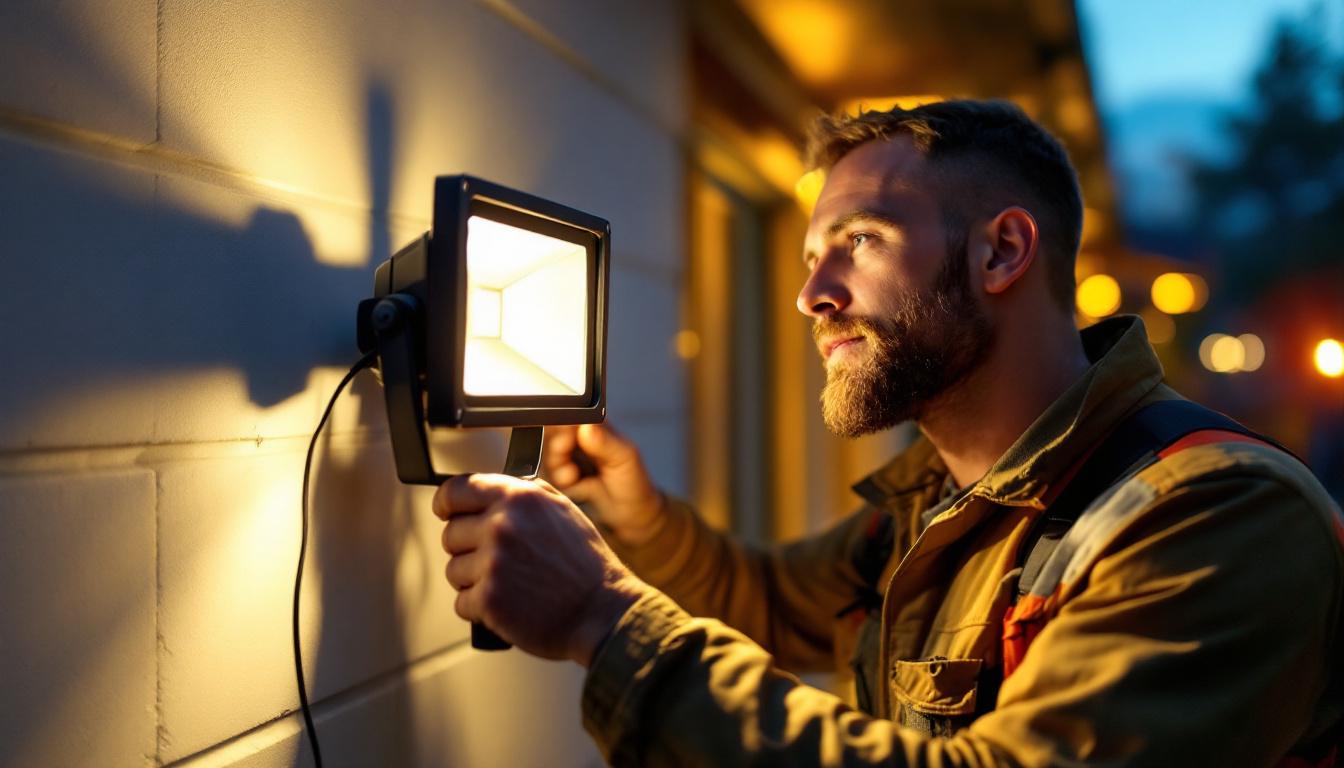
Correct mounting and positioning are crucial for maximizing the effectiveness of a 50 watt LED flood light. A common mistake is mounting the fixture too high or at an incorrect angle, which can cause uneven light distribution, glare, or shadows. This not only reduces the lighting quality but can also create safety hazards.
Lighting contractors should use adjustable brackets and perform on-site tests to determine the optimal height and angle. For security purposes, positioning the flood light to cover entry points and blind spots without causing glare to neighbors or drivers is essential. Utilizing lighting design software or photometric studies can assist in planning the best layout.
2. Neglecting Proper Wiring and Electrical Considerations
Electrical mistakes during installation can compromise safety and performance. Using incorrect wire gauges, failing to ground the fixture properly, or neglecting waterproof connectors are common errors. These issues can lead to electrical shorts, power loss, or even fire hazards.
Contractors should adhere strictly to electrical codes and manufacturer guidelines. Using weatherproof junction boxes, ensuring secure connections, and testing the circuit before finalizing installation are best practices. Additionally, incorporating surge protection can safeguard the LED flood light from voltage spikes, particularly in outdoor settings prone to lightning.
3. Skipping Maintenance Planning
While LED flood lights generally require less maintenance than traditional lighting, they are not maintenance-free. Dust buildup, fixture damage, or electrical issues can degrade performance over time. Some contractors overlook the importance of designing installations that allow easy access for cleaning and repairs.
Planning for maintenance includes selecting fixtures with accessible mounting points, providing clear documentation for clients, and scheduling periodic inspections. This proactive approach extends the lifespan of the 50 watt LED flood light and ensures consistent lighting quality.
Optimizing Performance and Energy Efficiency
1. Utilizing Smart Controls and Sensors
Incorporating smart lighting controls such as motion sensors, timers, and dimmers can significantly enhance the functionality and energy efficiency of 50 watt LED flood lights. For example, motion-activated flood lights reduce energy consumption by illuminating only when movement is detected, which is particularly useful for security lighting.
Lighting contractors should recommend and install compatible control systems that integrate seamlessly with the LED fixtures. This not only improves energy savings but also adds value for clients seeking modern, sustainable lighting solutions.
2. Considering Beam Angle and Light Distribution
The beam angle of a 50 watt LED flood light determines how light is spread across an area. Narrow beam angles (15° to 30°) provide focused, intense light suitable for highlighting specific features or security zones. Wide beam angles (60° to 120°) offer broader coverage for general illumination.
Choosing the right beam angle is critical for avoiding dark spots or light pollution. Contractors should assess the installation environment and client needs to select fixtures with appropriate optics. Some models offer adjustable beam angles, providing flexibility during installation.
3. Verifying Manufacturer Quality and Warranty
Not all 50 watt LED flood lights are created equal. Variations in LED chip quality, driver components, and housing materials affect reliability and performance. Contractors should prioritize products from reputable manufacturers who provide detailed specifications, certifications (such as UL or DLC listings), and robust warranties.
Investing in quality fixtures reduces the risk of early failures and costly replacements. Additionally, verifying warranty terms and support services ensures contractors can address issues promptly, maintaining client trust and satisfaction.
Case Studies: Lessons from Real-World Installations
Case Study 1: Commercial Parking Lot Lighting
A lighting contractor was tasked with upgrading a commercial parking lot using 50 watt LED flood lights. Initially, the contractor selected fixtures with insufficient lumens and an IP54 rating, which was inadequate for the area’s exposure to heavy rain. As a result, the lighting was dim and several fixtures failed prematurely.
After reassessing the project, the contractor replaced the fixtures with IP66-rated models delivering higher lumens and adjusted the mounting height to reduce glare. The improved installation enhanced safety, reduced maintenance costs, and satisfied the client’s requirements.
Case Study 2: Residential Security Lighting
In a residential security lighting project, a contractor installed 50 watt LED flood lights with a 6500K color temperature, which produced a harsh, bluish light that disturbed the homeowners and neighbors. The contractor then switched to 4000K fixtures with a high CRI, providing bright yet comfortable illumination that improved visibility without causing discomfort.
This example underscores the importance of selecting appropriate color temperature and considering the human factor in lighting design.
Final Recommendations for Lighting Contractors
Mastering the use of 50 watt LED flood lights requires a comprehensive approach that balances technical knowledge, practical installation skills, and client communication. To avoid common pitfalls, lighting contractors should:
- Conduct thorough lighting assessments to determine lumen requirements and beam angles.
- Specify appropriate color temperature and CRI based on the application.
- Choose fixtures with suitable IP ratings for environmental conditions.
- Ensure precise mounting and wiring practices aligned with safety codes.
- Incorporate smart controls to enhance efficiency and functionality.
- Plan for maintenance accessibility and client education.
- Prioritize high-quality products backed by solid warranties.
By adhering to these guidelines, lighting contractors can deliver effective, durable, and energy-efficient lighting solutions that meet or exceed client expectations. The 50 watt LED flood light, when properly selected and installed, is a powerful tool in the contractor’s arsenal for creating well-lit, safe, and inviting environments.
Illuminate Your Projects with LumenWholesale
Ready to elevate your lighting projects with the best in class 50 watt LED flood lights? Look no further than LumenWholesale, where we provide contractors with superior, spec-grade lighting solutions at unbeatable wholesale prices. Say goodbye to middleman markups and hello to our extensive selection that meets the highest industry standards. With LumenWholesale, you can count on reliable, high-performance lighting that brings your installations to life. Plus, enjoy the convenience of bulk buying with free shipping, ensuring you get premium lighting at the best value — without hidden fees. Make the smart choice for your lighting needs and experience the perfect blend of quality, affordability, and convenience. Wholesale Lighting at the Best Value is just a click away.