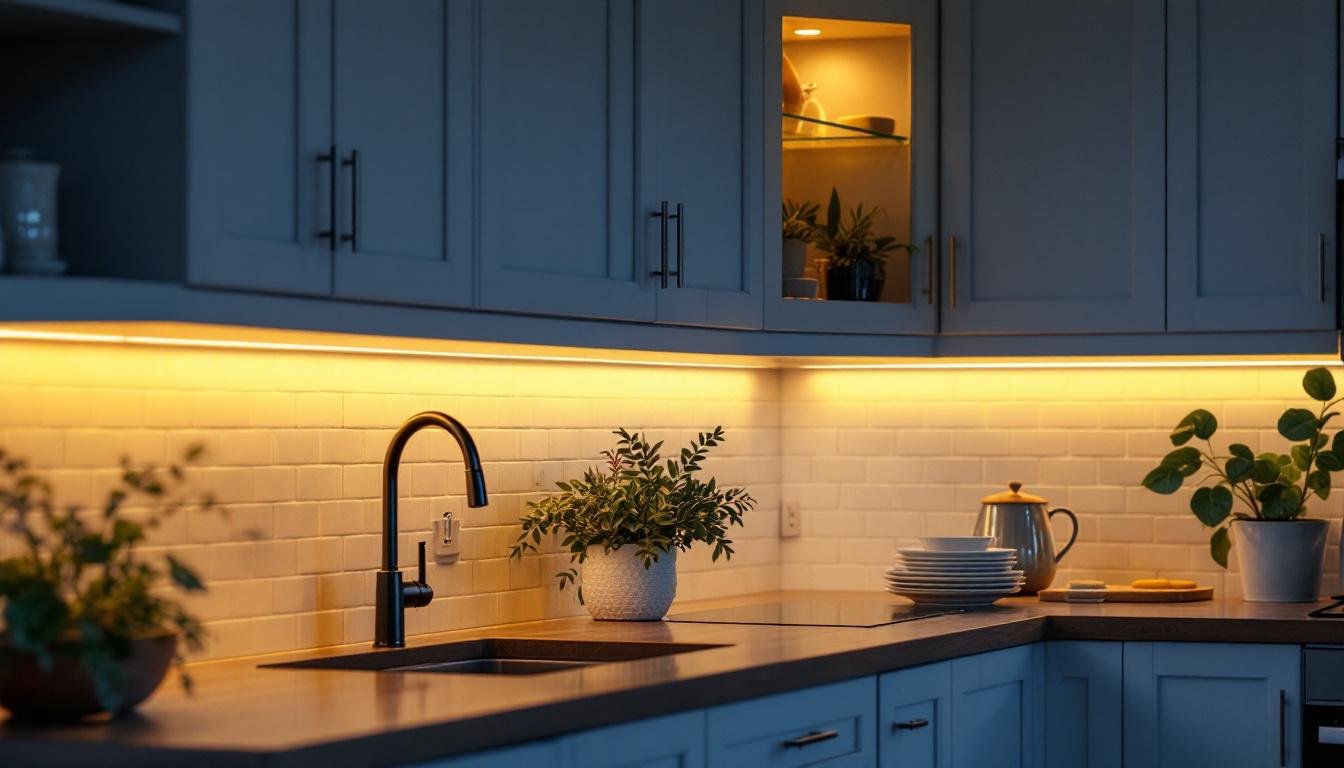
Lighting contractors play a crucial role in ensuring that residential and commercial spaces are adequately illuminated while adhering to regulations and standards. One of the emerging trends in the lighting industry is the use of energy-efficient LED bulbs, particularly the 4-watt LED bulb. This article delves into the compliance aspects of 4-watt LED bulbs, offering essential insights for lighting contractors.
Understanding 4-Watt LED Bulbs
4-watt LED bulbs are designed to replace traditional incandescent bulbs that consume significantly more energy. These bulbs provide a similar level of brightness while drastically reducing energy consumption, making them an attractive option for both consumers and contractors. The reduction in energy usage not only leads to lower electricity bills but also contributes to a more sustainable environment. In fact, by switching to LED technology, households can reduce their overall carbon footprint, which is increasingly important in today’s climate-conscious society.
Typically, a 4-watt LED bulb can produce light equivalent to a 40-watt incandescent bulb. This efficiency is a significant selling point for contractors looking to promote energy-saving solutions to their clients. However, understanding the technical specifications and compliance requirements associated with these bulbs is essential for successful installation and customer satisfaction. For instance, factors such as color temperature and lumens per watt can influence the choice of bulb for specific applications, whether it be for residential, commercial, or outdoor lighting needs.
Benefits of Using 4-Watt LED Bulbs
One of the primary benefits of 4-watt LED bulbs is their longevity. Unlike traditional bulbs, which may need frequent replacements, LED bulbs can last up to 25,000 hours or more. This durability translates into less waste and lower replacement costs over time. Additionally, many manufacturers offer warranties that can last several years, further assuring consumers of the quality and reliability of their purchase.
Moreover, 4-watt LED bulbs emit less heat compared to incandescent bulbs, which can contribute to a cooler environment and reduce air conditioning costs in warmer climates. Their energy efficiency also aligns with growing consumer demand for eco-friendly products, making them a compelling choice for contractors aiming to meet client expectations. Furthermore, the versatility of 4-watt LED bulbs allows them to be used in a variety of settings, from decorative fixtures to recessed lighting, enhancing both functionality and aesthetics in any space. As technology continues to advance, we can expect even more innovations in LED lighting that will further improve energy efficiency and user experience.
Compliance Standards for LED Lighting
Compliance with local and national regulations is critical for lighting contractors. Various standards govern the manufacturing, installation, and performance of LED lighting, including energy efficiency ratings and safety certifications. Understanding these compliance requirements ensures that contractors can provide safe and reliable lighting solutions.
Energy Star Certification
One of the most recognized certifications in the lighting industry is the Energy Star label. This certification indicates that a product meets strict energy efficiency guidelines set by the Environmental Protection Agency (EPA). For lighting contractors, recommending Energy Star-certified 4-watt LED bulbs can enhance credibility and assure clients of the product’s efficiency and reliability.
Products that earn the Energy Star label undergo rigorous testing for performance, quality, and efficiency. By using Energy Star-certified bulbs, contractors can help clients reduce energy consumption and qualify for rebates or incentives offered by utility companies. Additionally, these products are designed to last longer than traditional incandescent bulbs, which not only benefits the environment but also reduces maintenance costs for clients in the long run.
Compliance with Local Building Codes
In addition to national standards, local building codes may impose specific requirements regarding lighting installations. These codes can vary significantly from one jurisdiction to another, making it essential for contractors to familiarize themselves with the regulations in their area. Compliance with local codes not only ensures safety but also helps avoid potential fines or legal issues.
Contractors should stay updated on any changes to local building codes, especially those related to energy efficiency and lighting design. Regular training and participation in industry workshops can provide valuable insights into compliance requirements. Furthermore, engaging with local building authorities can foster a better understanding of the nuances of these codes, allowing contractors to navigate the regulatory landscape more effectively. This proactive approach not only enhances the contractor’s reputation but also builds trust with clients, who appreciate the contractor’s commitment to adhering to the highest standards of safety and quality.
Installation Considerations for 4-Watt LED Bulbs
Installing 4-watt LED bulbs requires attention to detail and an understanding of the specific needs of the space. Proper installation ensures optimal performance and longevity of the bulbs, which can ultimately affect client satisfaction.
Choosing the Right Fixtures
When selecting fixtures for 4-watt LED bulbs, contractors must consider compatibility. Not all fixtures are designed to accommodate LED technology, and using incompatible fixtures can lead to poor performance or shortened bulb life. It’s essential to check the manufacturer’s specifications for both the bulb and the fixture to ensure compatibility.
Additionally, the design of the fixture can impact the distribution of light. Contractors should consider the intended use of the space and choose fixtures that enhance the overall lighting design while maximizing the benefits of the 4-watt LED bulbs. For instance, in a kitchen, fixtures that provide focused task lighting can help illuminate work areas, while in a living room, softer, ambient lighting fixtures can create a cozy atmosphere. The color temperature of the LED bulbs, which can range from warm white to cool daylight, also plays a crucial role in setting the mood and functionality of the space.
Dimmer Compatibility
Many clients prefer adjustable lighting options, making dimmer switches a popular choice. However, not all LED bulbs are compatible with existing dimmer switches. When installing 4-watt LED bulbs, contractors must ensure that the dimmers used are specifically designed for LED technology. Using incompatible dimmers can result in flickering, reduced lifespan, or even damage to the bulbs.
Contractors should recommend dimmers that have been tested and certified for use with LED bulbs. This attention to detail can significantly enhance the client experience and promote the benefits of energy-efficient lighting solutions. Furthermore, educating clients about the advantages of using dimmers with LED technology can encourage them to embrace more versatile lighting setups. For example, dimmers can help create different atmospheres for various occasions, from bright lighting for entertaining guests to softer lighting for movie nights, thereby increasing the overall satisfaction with the lighting design.
Cost Considerations for Contractors
While the initial cost of 4-watt LED bulbs may be higher than traditional incandescent bulbs, the long-term savings can be substantial. Contractors should be prepared to discuss these cost considerations with clients, highlighting the benefits of investing in energy-efficient lighting.
Initial Investment vs. Long-Term Savings
The upfront cost of 4-watt LED bulbs can be a deterrent for some clients. However, when contractors present a comprehensive analysis of the long-term savings associated with reduced energy consumption and extended bulb life, clients are often more receptive to the investment. Over time, the cost savings on energy bills can offset the initial purchase price, making LED bulbs a financially sound choice.
Furthermore, many utility companies offer rebates or incentives for energy-efficient lighting upgrades. Contractors should be familiar with these programs and assist clients in navigating the application process to maximize potential savings.
Impact on Property Value
Investing in energy-efficient lighting solutions, such as 4-watt LED bulbs, can also enhance property value. As sustainability becomes increasingly important to homebuyers and tenants, properties equipped with energy-efficient lighting may be more attractive in the competitive real estate market.
Contractors can leverage this information when discussing lighting upgrades with clients, emphasizing the potential return on investment that comes with adopting energy-efficient practices.
Future Trends in LED Lighting
The lighting industry is continually evolving, with advancements in technology and design shaping the future of LED lighting. Staying informed about these trends is essential for contractors looking to remain competitive and provide the best solutions for their clients.
Smart Lighting Solutions
One of the most significant trends in the lighting industry is the rise of smart lighting solutions. These systems allow users to control their lighting remotely through smartphones or smart home devices, offering convenience and customization. As smart technology becomes more prevalent, contractors should consider integrating smart capabilities into their lighting designs.
4-watt LED bulbs can easily be incorporated into smart lighting systems, providing energy-efficient options for clients looking to modernize their spaces. Contractors should stay updated on the latest smart lighting technologies and be prepared to offer recommendations to clients interested in these solutions.
Advancements in LED Technology
As research and development in LED technology continue, new products are emerging that offer even greater efficiency and performance. Contractors should keep an eye on advancements such as tunable white light, which allows users to adjust the color temperature of their lighting, and improved color rendering capabilities that enhance the appearance of spaces.
By staying informed about these advancements, contractors can provide clients with cutting-edge solutions that meet their evolving needs and preferences.
Conclusion
For lighting contractors, understanding the compliance, installation considerations, and cost implications of 4-watt LED bulbs is essential for delivering high-quality lighting solutions. As the demand for energy-efficient lighting continues to grow, contractors who stay informed about industry standards and trends will be better positioned to serve their clients effectively.
By promoting the benefits of 4-watt LED bulbs and ensuring compliance with relevant regulations, contractors can enhance their reputation and contribute to a more sustainable future. The transition to LED lighting represents not only a shift in technology but also an opportunity for contractors to lead the way in energy efficiency and innovation.
Illuminate Your Projects with LumenWholesale
Ready to elevate your lighting game and drive your business forward? Look no further than LumenWholesale for all your 4-watt LED bulb needs. Our commitment to quality and affordability ensures you receive the best value on spec-grade lighting products. Say goodbye to inflated markups and hello to hassle-free bulk buying with free shipping. Don’t miss out on the opportunity to enhance your lighting solutions with the perfect blend of quality, affordability, and convenience. Wholesale Lighting at the Best Value is just a click away. Make the smart choice for your projects and partner with LumenWholesale today.