Understanding the Basics of 4-Inch Recessed Lighting
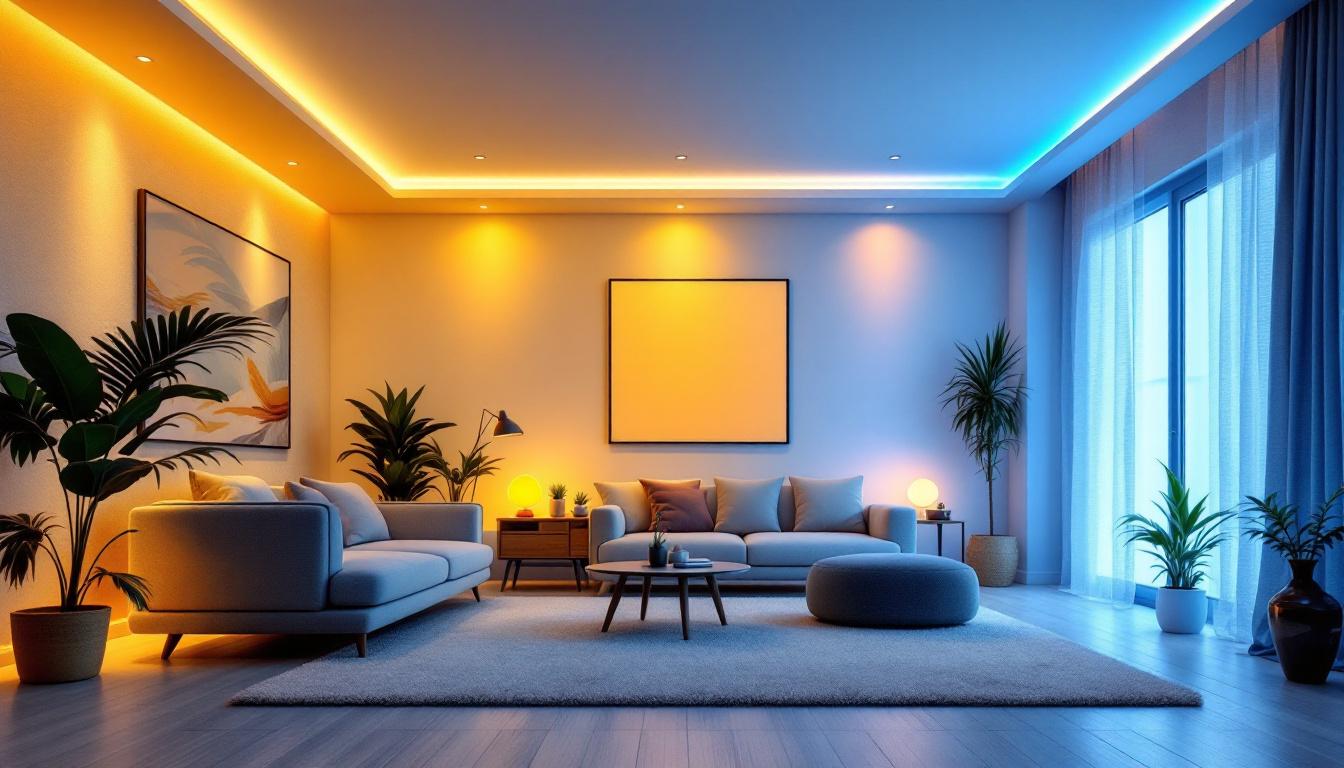
Recessed lighting has become a staple in modern interior design, offering a sleek and unobtrusive source of illumination. Among the various sizes available, 4-inch recessed lights strike a balance between subtlety and effective lighting, making them a popular choice for both residential and commercial projects.
For lighting contractors, understanding the nuances of 4-inch recessed lights is essential. These fixtures are compact enough to fit into tighter ceiling spaces while providing ample light output for task or accent lighting. Unlike larger cans, 4-inch housings allow for more precise placement and can be used to create layered lighting effects that enhance the ambiance of a room.
Moreover, the smaller aperture size helps minimize glare and creates a focused beam, which is particularly useful in kitchens, hallways, and retail environments. The versatility of 4-inch recessed lights makes them a valuable tool in a lighting contractor’s arsenal, especially when working with limited ceiling depth or aiming for a minimalist aesthetic.
In addition to their aesthetic appeal, 4-inch recessed lights come in a variety of styles and finishes, allowing for customization that can complement any design scheme. From sleek metallic trims to more decorative options, these fixtures can blend seamlessly into the architecture of a space or stand out as a design feature. Furthermore, many models are now available with energy-efficient LED options, which not only reduce electricity costs but also have a longer lifespan than traditional bulbs, making them a smart choice for eco-conscious consumers.
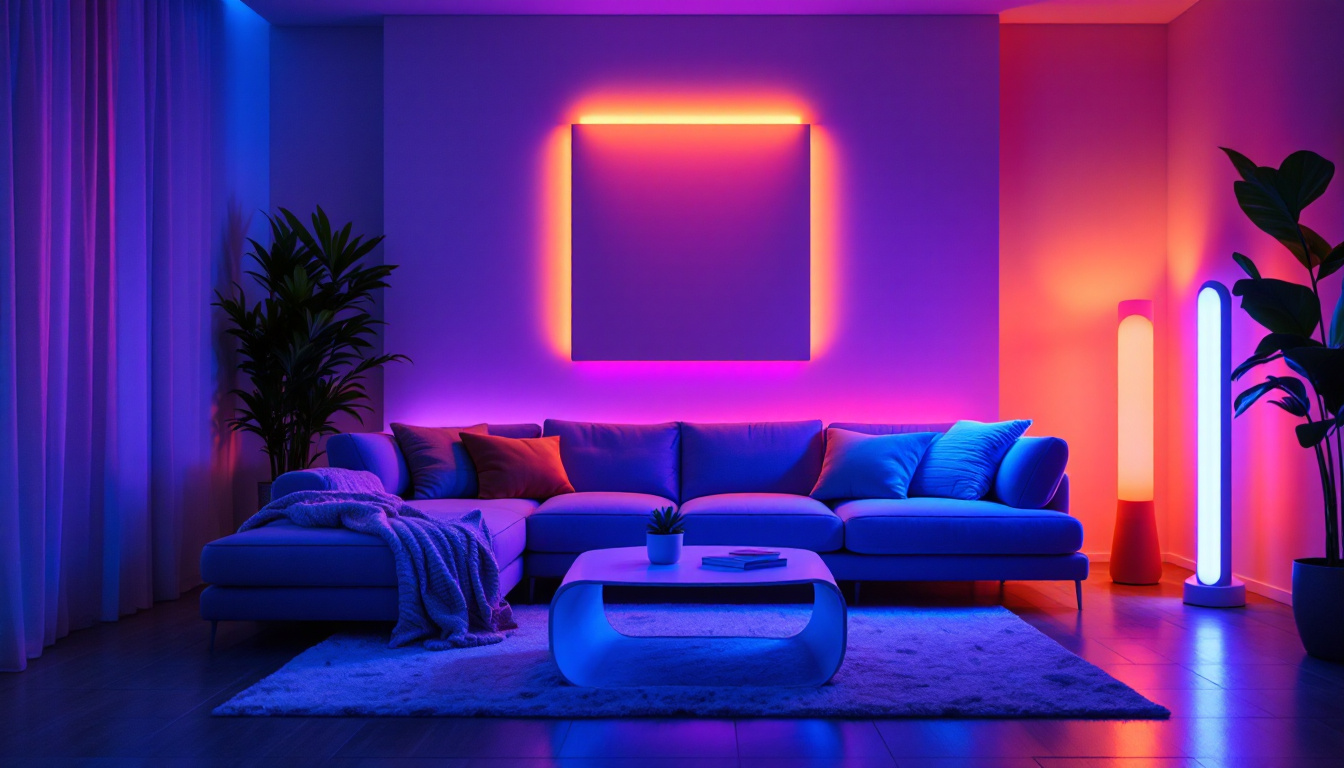
When planning a lighting layout, it’s important to consider the beam angle and color temperature of the bulbs used in 4-inch recessed fixtures. A narrow beam angle can create dramatic highlights on artwork or architectural features, while a wider angle is ideal for general illumination in larger areas. Additionally, selecting the right color temperature—whether warm, neutral, or cool—can significantly influence the mood of a space, enhancing the overall experience for occupants. This attention to detail is what sets apart a well-designed lighting plan from a mediocre one, showcasing the importance of thoughtful selection in every aspect of recessed lighting design.
Key Components and Installation Considerations
Housing Types and Their Applications
One of the first decisions when specifying 4-inch recessed lights is selecting the appropriate housing. The two primary types are new construction and remodel housings. New construction housings are designed for installation in open ceiling joists before drywall is installed, making them ideal for new builds or major renovations. Remodel housings, on the other hand, are designed to be installed into existing ceilings with minimal disruption.
Lighting contractors should also consider the type of ceiling—whether it’s drywall, drop ceiling, or plaster—as this will influence the choice of housing and mounting clips. For example, remodel housings often come with adjustable mounting brackets to secure the fixture firmly in place without the need for access above the ceiling. Furthermore, the aesthetic considerations of the space should not be overlooked; choosing the right trim style can enhance the overall design of a room. Options range from baffle trims that help reduce glare to decorative trims that can add a touch of elegance, making the lighting not just functional but also a key design element.
IC-Rated vs. Non-IC-Rated Housings
Another critical factor is whether the housing is IC-rated (Insulation Contact) or non-IC-rated. IC-rated housings are designed to be safely installed in direct contact with ceiling insulation without risk of overheating, which is essential for energy efficiency and fire safety. Non-IC housings require a clearance of at least three inches from insulation, limiting their use in insulated ceilings.
For lighting contractors, understanding the building codes and local regulations regarding insulation contact is vital. Using the wrong housing type can lead to safety hazards and code violations, potentially resulting in costly rework or liability issues. Additionally, the choice between IC-rated and non-IC-rated housings can also affect the overall energy efficiency of the home. By opting for IC-rated options, homeowners can reduce their heating and cooling costs, as these fixtures are designed to minimize heat loss and improve the thermal envelope of the building.
Electrical and Wiring Requirements
Proper electrical installation is fundamental to the performance and safety of recessed lighting. 4-inch fixtures typically use low-voltage or line-voltage wiring, and contractors must ensure compatibility with the existing electrical system. Many modern 4-inch recessed lights come with integrated LED modules, which may require specific drivers or transformers.
Additionally, junction boxes attached to the housings must be accessible and meet electrical code requirements. Lighting contractors should verify wire gauge, circuit load, and dimmer compatibility to avoid flickering or premature fixture failure. Adhering to National Electrical Code (NEC) standards and local amendments is non-negotiable for professional installations. It’s also worth noting that the use of smart lighting technology is on the rise, and contractors should be prepared to integrate these systems into their designs. Smart recessed lights can be controlled via mobile apps or voice commands, providing homeowners with greater flexibility and energy management options. This trend not only enhances user experience but also opens up new avenues for energy savings and convenience in modern living spaces.
Choosing the Right 4-Inch Recessed Light for Your Project
Light Source: LED vs. Traditional Bulbs
LED technology has revolutionized recessed lighting, offering superior energy efficiency, longer lifespan, and improved color rendering compared to traditional incandescent or halogen bulbs. For 4-inch recessed lights, integrated LED modules are now the industry standard, providing consistent light output and reducing maintenance needs.
Lighting contractors should prioritize LED fixtures that offer high Color Rendering Index (CRI) values—typically above 80—to ensure colors appear natural and vibrant. Adjustable color temperature options, ranging from warm white (2700K) to daylight (5000K), allow for customization based on the room’s function and design goals. Additionally, many LED recessed lights now come with features such as tunable white technology, enabling users to adjust the color temperature throughout the day, mimicking natural sunlight and enhancing mood and productivity. This flexibility is particularly beneficial in spaces like home offices or creative studios, where lighting can significantly impact performance and comfort.
Beam Angle and Light Distribution
The beam angle of a 4-inch recessed light affects how the light spreads across a space. Narrow beam angles (15° to 30°) are ideal for accent lighting, highlighting artwork or architectural features, while wider beam angles (60° to 90°) provide general illumination suitable for kitchens or living areas.
Understanding the lighting layout and purpose helps contractors select fixtures with the appropriate beam spread. Combining different beam angles within a space can create depth and visual interest, enhancing the overall lighting design. For instance, using narrow beam fixtures to spotlight a textured wall while employing wider beams for ambient light can create a dynamic interplay of light and shadow. Furthermore, considering the height of the ceiling and the distance between fixtures can help optimize light distribution, ensuring that every corner of the room is adequately illuminated without harsh shadows or overly bright spots.
Dimming and Control Compatibility
Modern lighting projects often incorporate dimming controls to improve ambiance and energy savings. Not all 4-inch recessed lights are compatible with all dimmers, so contractors must verify that the fixtures support the intended dimming technology, whether it’s leading-edge, trailing-edge, or digital control systems.
Smart lighting controls, including wireless and app-based systems, are becoming increasingly popular. Selecting 4-inch recessed lights that integrate seamlessly with these platforms can add value to a project and meet client expectations for modern convenience. Moreover, many smart systems allow for scheduling and remote access, enabling homeowners to create lighting scenes that suit their daily routines or special occasions. This level of control not only enhances the user experience but also contributes to energy efficiency, as homeowners can easily turn off lights when not in use or adjust brightness levels based on the time of day. As technology continues to evolve, staying informed about the latest advancements in lighting control will be essential for contractors aiming to deliver cutting-edge solutions.
Common Challenges and Best Practices for Lighting Contractors
Addressing Ceiling Depth and Obstructions
One of the frequent challenges when installing 4-inch recessed lights is limited ceiling depth. HVAC ducts, plumbing, or structural elements can restrict the available space for housings. Contractors must carefully measure and plan the fixture placement to avoid conflicts.
Low-profile or shallow housings are available for tight spaces, but they may come with trade-offs in terms of light output or heat dissipation. Collaborating with architects and builders early in the project can help anticipate these constraints and select appropriate fixtures.
Ensuring Proper Air Sealing and Insulation
Energy efficiency standards often require recessed lighting fixtures to be airtight to prevent air leakage between conditioned and unconditioned spaces. Using airtight housings and proper sealing techniques around the fixture is crucial to maintain building envelope integrity.
Lighting contractors should also be mindful of insulation installation around IC-rated housings to avoid gaps or compression that could reduce insulation effectiveness. Proper air sealing not only improves energy performance but also reduces noise transmission and potential moisture issues.
Maintaining Aesthetic Consistency
Because 4-inch recessed lights are often installed in multiples, maintaining uniformity in fixture style, trim color, and light output is important for a cohesive look. Contractors should source fixtures from the same product line and batch to avoid subtle variations that can become noticeable in a finished space.
Trim options, including baffle, reflector, or eyeball styles, provide different visual effects and glare control. Selecting the right trim type based on the room’s function and design theme enhances both aesthetics and comfort.
Conclusion: Maximizing the Potential of 4-Inch Recessed Lighting
For lighting contractors, mastering the specifications, installation techniques, and design considerations of 4-inch recessed lights can significantly elevate the quality and professionalism of their work. These fixtures offer a versatile and efficient lighting solution suitable for a wide range of applications.
By staying informed about the latest LED technologies, code requirements, and best practices, contractors can deliver lighting installations that are safe, energy-efficient, and visually appealing. Thoughtful planning and attention to detail ensure that 4-inch recessed lighting not only meets client expectations but also stands the test of time.
Ultimately, understanding the full scope of 4-inch recessed lighting—from housing selection to dimming compatibility—empowers lighting contractors to provide expert guidance and superior results on every project.
Get Your Premium 4-Inch Recessed Lights at LumenWholesale
Ready to enhance your lighting projects with the best 4-inch recessed lights on the market? Look no further than LumenWholesale, where we provide contractors with exceptional, spec-grade lighting solutions at unbeatable wholesale prices. Say goodbye to local distributor markups and hello to our extensive selection that meets rigorous industry standards. With LumenWholesale, you can expect reliable, high-performance lighting that will impress your clients and stand the test of time. Plus, with the convenience of free shipping on bulk orders, you can stock up on premium lighting without worrying about hidden fees. Elevate your lighting game and experience the perfect blend of quality, affordability, and convenience. Visit us now for Wholesale Lighting at the Best Value.