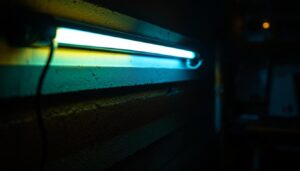
Choosing the Right 3Ft Fluorescent Tube for Your Project
When working with 3ft fluorescent tubes, the selection process can make or break the lighting outcome. These tubes are common in commercial and industrial settings, prized for their compact size and efficient illumination. However, not all 3ft fluorescent tubes are created equal. Understanding the nuances between types, color temperatures, and wattages is essential.
First, consider the tube type. The most prevalent are T8 and T12 tubes. T8 tubes, with an 8/8 inch diameter, offer better energy efficiency and longer lifespan compared to the older T12 models. For contractors aiming to meet modern energy codes and client expectations, specifying T8 tubes is often the smarter choice. Additionally, T5 tubes exist but are less common in the 3ft length and usually require specialized fixtures. T5 tubes are known for their slim design and high lumen output, making them an excellent choice for spaces where aesthetics and brightness are paramount, such as in galleries or showrooms.
Wattage is another critical factor. A typical 3ft T8 tube runs at about 17 to 18 watts, which balances brightness and power consumption effectively. Selecting a tube with the correct wattage ensures optimal performance without overloading the fixture or wasting energy. It’s also worth noting that some fixtures are designed to accommodate multiple wattages, allowing for flexibility in lighting design. This adaptability can be particularly beneficial in environments that may require changes in lighting intensity, such as classrooms or multipurpose rooms.
Color Temperature and Its Impact
Color temperature affects the ambiance and functionality of the space. For example, 3000K tubes emit a warm white light, suitable for retail or hospitality environments where a cozy atmosphere is desired. On the other hand, 4000K to 5000K tubes produce neutral to cool white light, enhancing visibility and focus in offices, warehouses, or healthcare facilities. The choice of color temperature can also influence the perception of colors in a space, making it crucial for applications like food service or design studios where accurate color representation is essential.
Lighting contractors should always verify the client’s needs and the environment before settling on a color temperature. Mismatched lighting can lead to dissatisfaction, even if the installation is flawless. Additionally, it’s important to consider the potential for dimming options. Many modern fluorescent tubes are compatible with dimming systems, allowing for greater control over lighting levels and enhancing the versatility of a space. This feature is particularly advantageous in settings such as conference rooms or theaters, where lighting needs may vary throughout the day or event. Understanding these aspects can significantly elevate the quality of the lighting design and ultimately contribute to a more satisfying user experience.
Installation Best Practices for 3Ft Fluorescent Tubes
Proper installation is paramount to maximize the lifespan and efficiency of 3ft fluorescent tubes. While the tubes themselves are straightforward to handle, the fixtures and ballasts require attention to detail. Ensuring that the installation is done correctly not only enhances the performance of the lighting system but also contributes to energy efficiency, which can lead to significant cost savings over time.
Start by ensuring the fixture matches the tube type and wattage. Using a T8 tube in a T12 fixture, for example, can cause flickering or premature failure. Confirm the ballast compatibility as well. Electronic ballasts are preferred over magnetic ones due to quieter operation, reduced flicker, and improved energy savings. Additionally, consider the environment where the tubes will be installed; for instance, areas with high humidity may require fixtures that are specifically designed to withstand moisture, which can prolong the life of both the tubes and the fixtures.
When installing, always power down the circuit to prevent electrical hazards. Use gloves or a clean cloth to handle tubes, avoiding oils from skin contact that can create hot spots and reduce tube life. It’s also advisable to inspect the tubes for any visible defects before installation, as even minor imperfections can lead to performance issues down the line. Taking these precautions can ensure a smoother installation process and enhance the overall reliability of the lighting system.
Wiring and Ballast Considerations
Modern electronic ballasts often support rapid start or instant start modes. Rapid start ballasts gently preheat the tube filaments before striking the arc, which can extend tube life, especially in environments with frequent switching. Instant start ballasts, while more energy-efficient, may shorten tube lifespan if lights are turned on and off often. Furthermore, the choice of ballast can also affect the quality of light produced; some ballasts are designed to minimize flicker and provide a more stable light output, which can be particularly important in settings where visual tasks are performed.
Lighting contractors should assess the usage patterns of the space before selecting the ballast type. For example, in a warehouse where lights remain on for long periods, instant start ballasts might be ideal. In contrast, in restrooms or storage rooms where lights are switched frequently, rapid start ballasts are preferable. It’s also worth noting that the installation of dimmable ballasts can provide additional flexibility, allowing users to adjust light levels according to specific needs or preferences, which can further enhance energy savings and extend the life of the tubes. By carefully considering these factors, you can create a lighting solution that is both efficient and tailored to the specific requirements of the space.
Maintenance and Troubleshooting Tips
Even the best installations can encounter issues. Familiarity with common problems and their solutions is a hallmark of a skilled lighting contractor. Understanding the intricacies of lighting systems not only enhances the contractor’s reputation but also ensures client satisfaction through effective problem resolution.
One frequent complaint is flickering tubes. This can stem from loose connections, incompatible ballasts, or aging tubes. Start by checking the tube seating and wiring. If these are intact, testing the ballast can reveal if it’s the culprit. Replacing an old magnetic ballast with an electronic one often resolves flicker issues. Additionally, it’s wise to inspect the sockets for corrosion or damage, as these can also lead to inconsistent performance. A thorough examination of the entire circuit can help identify underlying issues that may not be immediately apparent.
Another maintenance tip is to regularly clean fixtures and tubes. Dust accumulation reduces light output and can cause overheating. Using a soft, dry cloth or a vacuum with a brush attachment keeps the system running efficiently. Furthermore, consider scheduling routine maintenance checks to ensure that all components are functioning optimally. This proactive approach can prevent minor issues from escalating into major problems, saving time and resources in the long run.
Extending Tube Lifespan
Fluorescent tubes degrade over time, but their lifespan can be maximized with proper handling and operation. Avoid frequent on/off cycling, as it stresses the tube electrodes. Instead, consider installing occupancy sensors or timers to manage lighting usage smartly. These devices not only enhance energy efficiency but also contribute to a longer lifespan for the tubes, making them a worthwhile investment for any installation.
When replacing tubes, ensure the new ones match the existing color temperature and wattage to maintain consistent lighting quality. Mixing different tubes can cause uneven illumination and client dissatisfaction. Additionally, keep an eye on the ambient temperature of the installation area; extreme temperatures can affect tube performance and longevity. By maintaining a stable environment and using compatible components, contractors can significantly enhance the reliability and effectiveness of their lighting systems. Regularly educating clients about the importance of these factors can also foster a collaborative approach to lighting maintenance, ensuring that installations remain in peak condition for years to come.
Energy Efficiency and Upgrading Options
Energy codes and client demands are pushing lighting contractors to deliver more efficient solutions. While 3ft fluorescent tubes are efficient compared to older lighting technologies, LED alternatives have gained significant ground.
LED tubes designed to retrofit existing fluorescent fixtures offer immediate energy savings and reduced maintenance. They consume up to 50% less power and last significantly longer, often exceeding 50,000 hours compared to 20,000 hours for fluorescent tubes.
When to Recommend LED Retrofits
For projects with tight budgets or where fixture replacement isn’t feasible, LED tube retrofits are an excellent choice. They typically require minimal rewiring and provide instant-on capabilities without flicker.
However, some clients prefer sticking with fluorescent tubes due to initial cost constraints or fixture compatibility. In these cases, specifying high-quality T8 tubes with electronic ballasts can still deliver respectable efficiency and performance.
Safety and Compliance Considerations
Lighting contractors must always prioritize safety and compliance. Fluorescent tubes contain small amounts of mercury, which requires careful handling and disposal. Familiarity with local regulations on hazardous waste is essential to avoid fines and environmental harm.
Additionally, ensure that all installed components comply with relevant safety standards such as UL listings and energy efficiency certifications. This not only protects the contractor legally but also assures clients of quality and reliability.
Disposal and Recycling
Many regions offer recycling programs for fluorescent tubes. Contractors should educate clients about proper disposal and, when possible, arrange for collection and recycling services. This responsible approach enhances the contractor’s reputation and supports environmental sustainability.
Conclusion: Mastering the 3Ft Fluorescent Tube
Mastering the use of 3ft fluorescent tubes requires a blend of technical knowledge, practical skills, and attention to detail. Selecting the right tube, ensuring proper installation, maintaining the system, and considering energy-efficient upgrades are all critical steps.
Lighting contractors who invest time in understanding these elements will deliver superior lighting solutions that satisfy clients and stand the test of time. Whether working on a retrofit or a new installation, the 3ft fluorescent tube remains a versatile and reliable choice when handled with expertise.
Illuminate Your Projects with LumenWholesale
Ready to elevate your lighting projects with the expertise you’ve gained on 3ft fluorescent tubes? At LumenWholesale, we’re here to support your journey to lighting mastery. Discover our extensive range of top-quality, spec-grade lighting products at unbeatable wholesale prices. Say goodbye to local distributor markups and hello to superior lighting solutions that meet the highest industry standards. With free shipping on bulk orders, you can stock up on premium lighting without the hidden fees. Make your next project shine with the best value in lighting—visit LumenWholesale today and experience the perfect blend of quality, affordability, and convenience.