In the dynamic world of lighting, the 120 volt cord has emerged as a critical component that lighting contractors can no longer overlook. As lighting technology advances and consumer expectations evolve, understanding the role and significance of 120 volt cords is essential for professionals aiming to deliver safe, efficient, and innovative lighting solutions. This article explores the growing importance of 120 volt cords in the lighting industry, highlighting key trends, safety considerations, and practical applications that lighting contractors must know.
The Foundation of Residential and Commercial Lighting: Understanding 120 Volt Cords
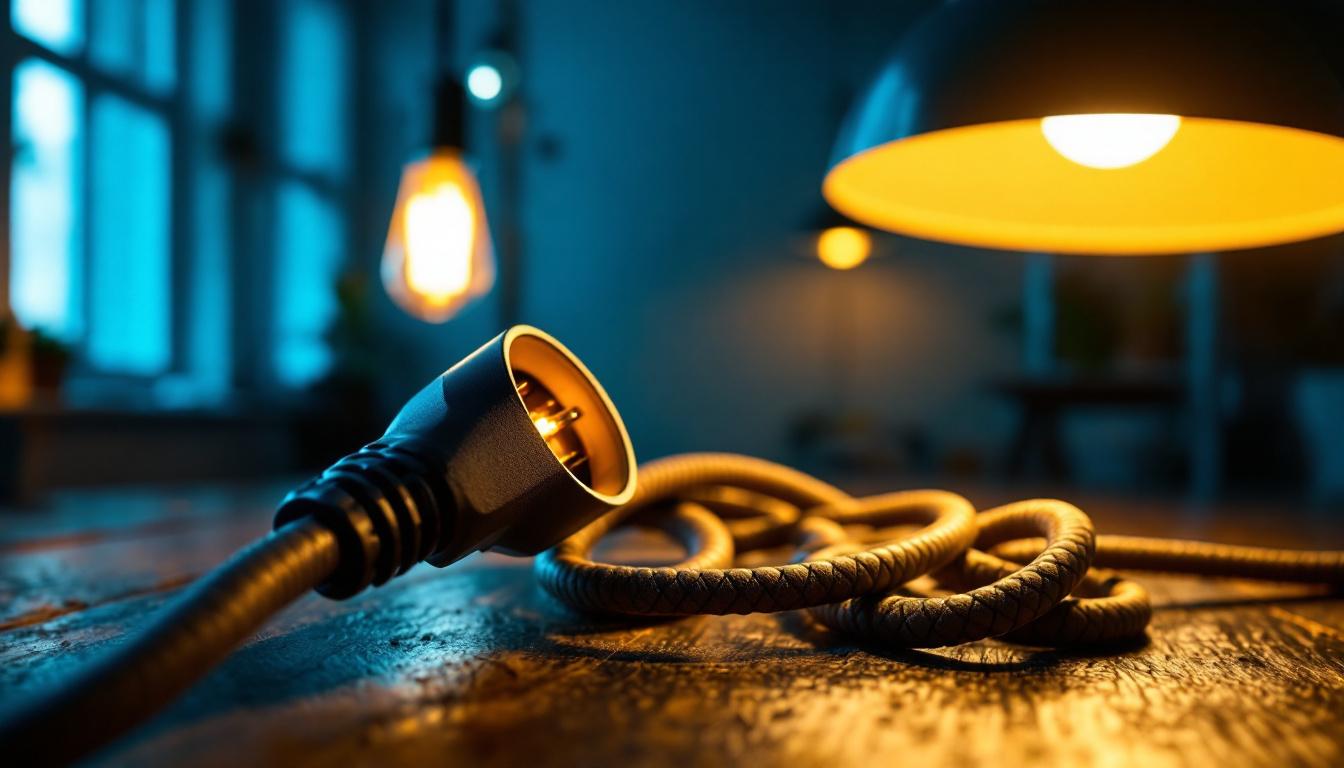
The 120 volt cord is the standard power connection in many residential and commercial lighting systems across North America. Its widespread use stems from the typical household electrical supply, which delivers 120 volts alternating current (AC). This voltage level is ideal for powering a broad range of lighting fixtures, from simple lamps to complex LED installations.
Lighting contractors frequently encounter 120 volt cords when installing or upgrading lighting systems. These cords serve as the primary conduit for electrical energy, connecting fixtures to power sources safely and reliably. Their design and quality directly influence the performance and longevity of lighting installations.
Why 120 Volt Cords Remain the Industry Standard
Despite the emergence of low-voltage lighting systems and alternative power sources, 120 volt cords continue to dominate due to their compatibility and ease of use. They support a wide variety of lighting technologies, including incandescent, fluorescent, halogen, and increasingly, LED lighting. This versatility makes them indispensable for contractors working in diverse environments.
Moreover, the infrastructure in most buildings is designed around 120 volt circuits, simplifying installation and maintenance. Lighting contractors benefit from this standardization by reducing complexity and ensuring that replacement parts and accessories are readily available.
The reliability of 120 volt cords is further enhanced by stringent safety standards and regulations that govern their manufacture and use. These standards ensure that cords are built to withstand various environmental conditions, making them suitable for both indoor and outdoor applications. For instance, outdoor-rated cords are designed to resist moisture and UV exposure, which is crucial for maintaining performance in harsh weather conditions. This durability not only extends the lifespan of the lighting systems but also minimizes the risk of electrical hazards, providing peace of mind for both contractors and end-users.
Additionally, the evolution of smart lighting technology has begun to incorporate 120 volt systems, allowing for seamless integration with modern home automation platforms. This trend is particularly appealing to homeowners looking to enhance energy efficiency and convenience. Smart 120 volt lighting solutions can be controlled remotely, programmed for specific schedules, and even adjusted based on occupancy, showcasing the adaptability of 120 volt cords in a rapidly changing technological landscape. As the demand for smart home features continues to grow, the role of 120 volt cords in facilitating these innovations will only become more significant.
Safety and Compliance: The Critical Role of 120 Volt Cords
Safety is paramount in the lighting industry, and the 120 volt cord plays a pivotal role in ensuring installations meet rigorous standards. Lighting contractors must be well-versed in the electrical codes and regulations governing the use of these cords to prevent hazards such as electrical shock, fire, and equipment damage.
Adherence to Electrical Codes and Standards
National and local electrical codes, such as the National Electrical Code (NEC), specify requirements for wiring, grounding, insulation, and cord construction. Lighting contractors must ensure that 120 volt cords comply with these standards to guarantee safe operation. This includes selecting cords with appropriate gauge wire sizes, insulation ratings, and certifications from recognized testing laboratories.
Failure to comply with these standards can result in costly fines, insurance complications, and most importantly, endanger occupants. Therefore, contractors should prioritize sourcing cords from reputable manufacturers who provide detailed specifications and certifications. Furthermore, staying updated with any changes or amendments to these codes is crucial, as regulations can evolve to address new safety concerns or technological advancements in electrical systems.
Enhancing Safety Through Cord Design
Modern 120 volt cords incorporate several design features that enhance safety. For example, polarized plugs ensure that the hot and neutral wires are connected correctly, reducing the risk of electrical shock. Grounded cords provide an additional path for electrical current, protecting users from faults.
Additionally, cords designed for outdoor or damp environments include weather-resistant jackets and insulation to prevent moisture ingress. Lighting contractors should assess the installation environment carefully and select cords with appropriate ratings to maintain safety and durability. Moreover, the use of strain relief features in cord design can prevent damage at connection points, which is often a common failure area. These enhancements not only prolong the life of the cord but also significantly reduce the risk of electrical hazards during operation.
Another important consideration in cord design is the length and flexibility of the cord. Longer cords can sometimes lead to voltage drops, which may affect the performance of the connected lighting fixtures. Contractors should be mindful of the specific power requirements of their installations and choose cords that strike a balance between adequate length and minimal resistance. Additionally, flexible cords that can withstand bending and twisting are essential in dynamic environments, such as event spaces or temporary installations, where movement and repositioning are frequent. By understanding these nuances, contractors can make informed choices that enhance both safety and functionality in their lighting projects.
Energy Efficiency and Performance: The Impact of 120 Volt Cord Quality
While cords may seem like simple components, their quality significantly affects the overall energy efficiency and performance of lighting systems. Poorly constructed or damaged cords can lead to voltage drops, increased resistance, and energy losses, undermining the benefits of advanced lighting technologies.
Voltage Drop and Its Consequences
Voltage drop occurs when electrical current travels through a conductor with insufficient gauge or length, causing a reduction in voltage at the fixture. This can result in dimmer lights, flickering, or even premature failure of lighting components. For lighting contractors, understanding how to minimize voltage drop is crucial, especially in large or complex installations.
Using high-quality 120 volt cords with appropriate wire gauges and minimizing cord length where possible helps maintain consistent voltage levels. This ensures lighting fixtures operate at their intended brightness and efficiency, enhancing client satisfaction and reducing maintenance costs.
Supporting Advanced Lighting Technologies
As LED and smart lighting systems become more prevalent, the demands on 120 volt cords increase. These technologies often require stable and clean power delivery to function optimally. High-quality cords with superior insulation and shielding can reduce electrical noise and interference, supporting the performance of sensitive lighting controls and dimmers.
Lighting contractors who invest in premium 120 volt cords can differentiate their services by delivering installations that maximize the lifespan and functionality of modern lighting solutions.
Versatility and Innovation: Adapting 120 Volt Cords for Emerging Lighting Trends
The lighting industry is undergoing rapid transformation, driven by innovations in design, control systems, and energy management. The 120 volt cord remains a versatile element that adapts to these changes, enabling contractors to meet evolving client needs.
Integration with Smart Lighting Systems
Smart lighting systems, which offer remote control, automation, and energy monitoring, often rely on standard 120 volt power inputs. Lighting contractors must ensure that cords used in these installations support the necessary electrical and communication requirements without compromising safety or performance.
Innovative cord designs now include features such as integrated connectors for quick installation and compatibility with smart hubs. This facilitates faster deployment and easier maintenance, benefiting both contractors and end-users.
Customization for Specialty Applications
Specialty lighting applications, such as theatrical lighting, architectural accent lighting, and outdoor landscape illumination, demand cords tailored to specific environmental and aesthetic requirements. Lighting contractors can leverage custom 120 volt cords with unique lengths, colors, and protective features to enhance project outcomes.
For example, cords with UV-resistant jackets are ideal for outdoor use, while flexible and lightweight cords improve maneuverability in tight spaces. Such customization supports creative lighting designs and improves installation efficiency.
Practical Considerations for Lighting Contractors When Selecting 120 Volt Cords
Choosing the right 120 volt cord is a critical decision that impacts project success. Lighting contractors should consider several practical factors to ensure optimal performance and compliance.
Assessing Load Requirements and Cord Specifications
Determining the electrical load of the lighting fixtures is the first step in selecting an appropriate cord. The cord’s wire gauge must be sufficient to handle the current without overheating. Contractors should consult manufacturer specifications and electrical codes to match cords with load demands accurately.
Additionally, the cord’s length affects voltage drop; longer cords require thicker wires to maintain voltage levels. Careful planning and measurement during the design phase can prevent costly adjustments during installation.
Evaluating Environmental Conditions
The installation environment influences cord selection significantly. Indoor lighting may require standard cords, but outdoor or industrial settings demand cords with enhanced durability, moisture resistance, and chemical protection.
Lighting contractors should also consider temperature ranges, exposure to sunlight, and potential physical wear. Selecting cords rated for specific environmental conditions ensures longevity and reduces maintenance interventions.
Prioritizing Safety and Certification
Safety certifications from organizations such as Underwriters Laboratories (UL) or Intertek (ETL) provide assurance that cords meet stringent safety standards. Lighting contractors should prioritize cords with these certifications to mitigate liability and enhance client trust.
Furthermore, regular inspection and testing of cords during installation and maintenance help identify wear or damage early, preventing accidents and downtime.
Conclusion: Embracing the Essential Role of 120 Volt Cords in Modern Lighting
The 120 volt cord is far more than a simple power cable; it is a foundational element that shapes the safety, efficiency, and innovation of lighting installations. For lighting contractors, mastering the nuances of 120 volt cords—from compliance and safety to performance and customization—is vital for delivering superior results.
As the lighting industry continues to evolve with new technologies and applications, the importance of selecting and installing the right 120 volt cords will only grow. Contractors who stay informed and proactive in this area position themselves as trusted experts capable of meeting the complex demands of today’s lighting projects.
Ultimately, investing attention and expertise into 120 volt cords translates into safer, more reliable, and energy-efficient lighting systems that satisfy clients and stand the test of time.
Get Your Premium 120 Volt Cords at LumenWholesale
Ready to elevate your lighting projects with the highest quality 120 volt cords? Look no further than LumenWholesale, where we specialize in providing contractors with spec-grade lighting products at the best wholesale prices. Our commitment to quality and affordability means you can trust our selection to meet the most rigorous industry standards. Plus, with free shipping on bulk orders, you can stock up on essential lighting components like 120 volt cords without worrying about hidden fees. Don’t compromise on performance or cost—choose LumenWholesale for a seamless blend of quality, affordability, and convenience. Wholesale Lighting at the Best Value is just a click away.