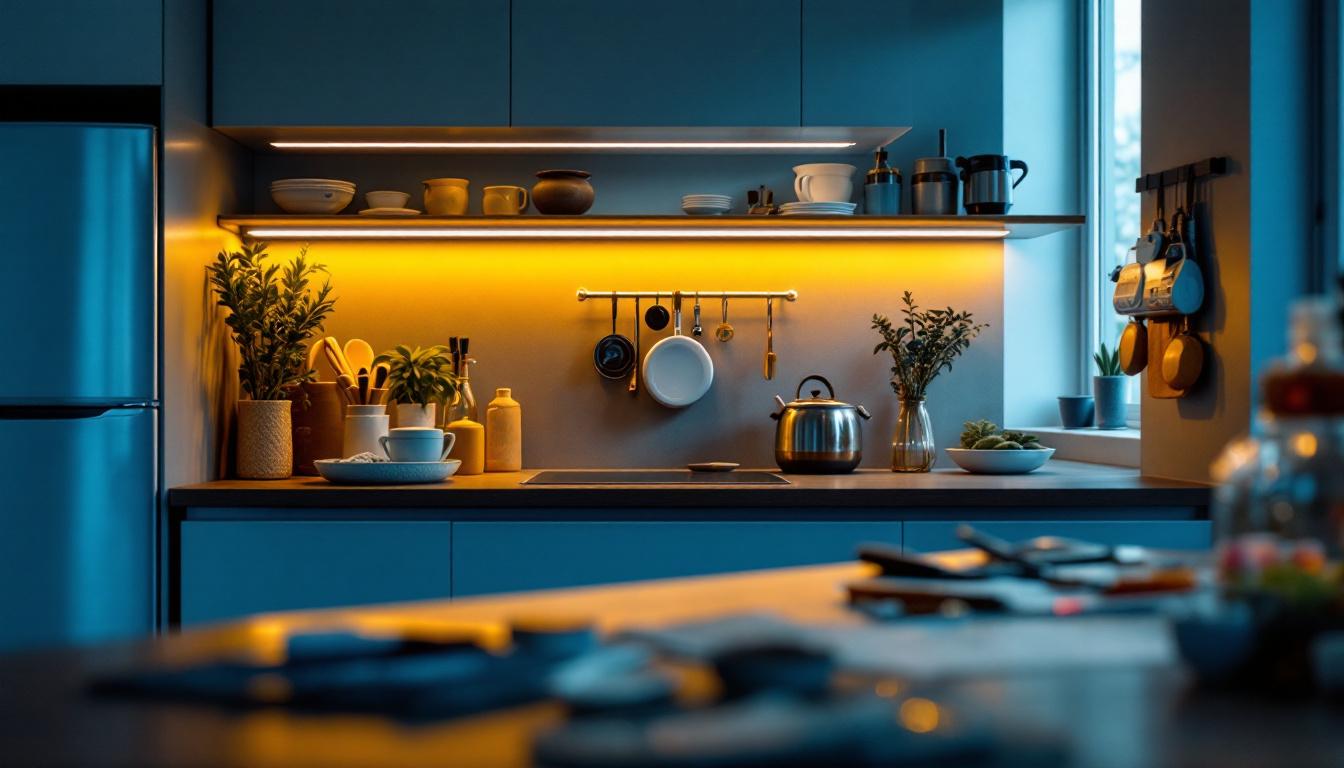
Lighting plays a crucial role in enhancing the functionality and aesthetics of any space, especially in kitchens and work areas. One of the most effective solutions for achieving optimal illumination in these environments is through the use of 12 volt under cabinet lighting. This article aims to provide lighting contractors with best practices for installing and utilizing this type of lighting, ensuring both safety and satisfaction for their clients.
Understanding 12 Volt Under Cabinet Lighting
12 volt under cabinet lighting is a popular choice among homeowners and contractors alike due to its versatility and efficiency. Unlike traditional 120 volt lighting systems, 12 volt systems are safer to handle and can be installed in tighter spaces. This section delves into the fundamentals of 12 volt systems, their components, and their advantages.
Components of a 12 Volt System
A typical 12 volt under cabinet lighting system consists of several key components: the power supply, the light fixtures, and the wiring. The power supply converts standard household voltage to 12 volts, allowing the fixtures to operate safely. Light fixtures can vary in type, including LED strips, puck lights, and linear lights, each offering unique benefits. Proper wiring is essential to ensure that the system operates efficiently and safely. Additionally, connectors and dimmers can be integrated into the system to provide further customization and control over the lighting ambiance, allowing homeowners to set the perfect mood for any occasion.
Advantages of 12 Volt Lighting
One of the primary advantages of 12 volt lighting is its safety. Lower voltage reduces the risk of electrical shock, making it an ideal choice for areas prone to moisture, such as kitchens. Additionally, 12 volt systems are often more energy-efficient, leading to lower energy bills for homeowners. The flexibility in design also allows for creative lighting solutions that can enhance the overall aesthetic of the space. For instance, the use of dimmable LED fixtures can create a warm, inviting atmosphere for family gatherings or a bright, focused light for cooking and preparation tasks. Moreover, the compact nature of 12 volt systems means they can be seamlessly integrated into cabinetry or under shelves, providing illumination without compromising on style or space.
Installation Best Practices
Proper installation is critical to the performance and longevity of 12 volt under cabinet lighting systems. Lighting contractors should follow specific guidelines to ensure a successful installation process. This section outlines essential practices that can help avoid common pitfalls and enhance the quality of the installation.
Planning the Layout
Before beginning installation, careful planning of the layout is essential. Contractors should assess the space to determine the best locations for fixtures, taking into account the tasks performed in the area. For example, areas where food preparation occurs may require brighter lighting, while ambient lighting may be more suitable for dining spaces. Using a combination of different fixture types can create a balanced and functional lighting scheme. Additionally, it is beneficial to consider the height of the cabinets and the placement of shelves, as these factors can influence how light is distributed across the workspace. Utilizing design software or mock-ups can also aid in visualizing the final outcome, ensuring that the lighting complements the overall design of the kitchen or workspace.
Choosing the Right Fixtures
The choice of fixtures can significantly impact the overall effectiveness of the lighting. LED options are highly recommended due to their longevity and energy efficiency. When selecting fixtures, consider factors such as brightness (measured in lumens), color temperature (measured in Kelvins), and beam angle. A well-thought-out selection will ensure that the lighting meets the needs of the space while providing a pleasing aesthetic. Furthermore, it is important to consider dimmable options, as they allow for flexibility in lighting levels depending on the time of day or activity. Integrating smart lighting technology can also enhance user experience, enabling remote control and automation for added convenience and energy savings.
Wiring Considerations
Wiring is a critical aspect of any lighting installation. For 12 volt systems, it is essential to use the appropriate gauge wire to handle the current without overheating. The distance between the power supply and the fixtures can also affect performance; longer runs may require thicker wire to minimize voltage drop. Properly securing and routing the wiring will not only enhance safety but also contribute to a cleaner installation. Moreover, it is advisable to use connectors and terminals that are rated for low voltage applications to ensure reliable connections. Keeping wiring organized and labeled can simplify future maintenance or upgrades, making it easier to troubleshoot any issues that may arise. Additionally, incorporating a fuse or circuit breaker into the system can provide an extra layer of protection against electrical faults, safeguarding both the fixtures and the wiring from potential damage.
Safety Measures
Safety should always be a top priority when working with electrical systems. Lighting contractors must adhere to safety standards and best practices to protect themselves and their clients. This section highlights key safety measures that should be implemented during installation.
Adhering to Electrical Codes
Compliance with local electrical codes is non-negotiable. These codes are designed to ensure the safety and reliability of electrical installations. Contractors should familiarize themselves with the relevant codes in their area and ensure that all installations meet these standards. This includes proper grounding, circuit protection, and the use of approved materials. Additionally, staying updated on any changes to these codes is crucial, as regulations can evolve to address new technologies and safety concerns. Regular training sessions or workshops can help contractors remain informed and compliant, ultimately reducing the risk of accidents and liabilities.
Using Quality Components
Investing in high-quality components is essential for ensuring the safety and longevity of the lighting system. Cheap or subpar materials can lead to failures, which may pose safety hazards. Contractors should source products from reputable manufacturers and verify that they meet safety certifications. This not only protects the client but also enhances the contractor’s reputation in the industry. Furthermore, using quality components can significantly reduce maintenance costs over time. By selecting durable fixtures and reliable wiring, contractors can minimize the likelihood of frequent repairs or replacements, providing clients with peace of mind and a better overall experience. Additionally, educating clients about the importance of quality materials can foster trust and encourage them to prioritize safety in their own projects.
Enhancing Aesthetics with 12 Volt Lighting
Beyond functionality, lighting plays a significant role in the overall design of a space. 12 volt under cabinet lighting offers numerous opportunities for enhancing aesthetics. This section explores creative ways to use this lighting to elevate the visual appeal of a room.
Layering Light
Layering light is a technique that involves combining different types of lighting to create a dynamic and inviting atmosphere. Under cabinet lighting can serve as an excellent source of task lighting, while ambient lighting from overhead fixtures can provide overall illumination. Accent lighting can also be integrated to highlight specific features, such as decorative backsplashes or artwork. This multi-layered approach adds depth and interest to the space.
Color Temperature and Mood
The color temperature of the lighting can significantly influence the mood of a room. Warmer tones (around 2700K to 3000K) create a cozy and inviting atmosphere, ideal for kitchens and dining areas. Cooler tones (4000K and above) can promote alertness and focus, making them suitable for workspaces. By carefully selecting the color temperature of under cabinet lighting, contractors can help clients achieve the desired ambiance in their homes.
Maintenance and Troubleshooting
Regular maintenance is essential for ensuring the longevity and performance of 12 volt under cabinet lighting systems. This section provides guidance on maintenance practices and troubleshooting common issues that may arise.
Routine Inspections
Contractors should advise clients on the importance of routine inspections of their lighting systems. This includes checking for any signs of wear or damage, such as frayed wires or flickering lights. Regular cleaning of fixtures can also help maintain brightness and efficiency. By encouraging clients to be proactive about maintenance, contractors can help prevent more significant issues down the line.
Troubleshooting Common Issues
Despite best efforts, issues may occasionally arise with 12 volt systems. Common problems include flickering lights, dimming, or complete failure of fixtures. Contractors should be equipped to troubleshoot these issues, starting with checking the power supply and connections. If a fixture is not working, it may be necessary to replace the bulb or the entire fixture, depending on the design. Providing clients with basic troubleshooting tips can empower them to address minor issues independently.
Client Education and Communication
Effective communication with clients is vital for ensuring their satisfaction and understanding of the lighting systems installed. This section emphasizes the importance of educating clients about their 12 volt under cabinet lighting systems.
Explaining the Benefits
Clients may not fully understand the advantages of 12 volt lighting compared to traditional systems. Lighting contractors should take the time to explain the benefits, including safety, energy efficiency, and design flexibility. Providing clear information can help clients appreciate the value of the investment they are making in their homes.
Providing User Guides
After installation, providing clients with user guides can enhance their experience with the new lighting system. These guides should include information on how to operate the system, perform basic maintenance, and troubleshoot common issues. Additionally, including information about warranty and support options can reassure clients that they have resources available should they need assistance.
Conclusion
12 volt under cabinet lighting presents a fantastic opportunity for lighting contractors to enhance the functionality and aesthetics of residential spaces. By understanding the components, adhering to best practices during installation, prioritizing safety, and effectively communicating with clients, contractors can ensure successful projects and satisfied customers. As the demand for efficient and stylish lighting solutions continues to grow, embracing these best practices will position contractors for success in the evolving landscape of residential lighting.
Get Your Premium 12 Volt Under Cabinet Lighting at LumenWholesale
Ready to elevate your lighting projects with high-quality 12 volt under cabinet lighting? Look no further than LumenWholesale, where we provide contractors with spec-grade lighting products at unbeatable wholesale prices. Our extensive selection is designed to meet the highest industry standards, ensuring you deliver reliable and high-performance lighting solutions to your clients. With free shipping on bulk orders, you can access premium lighting at the best value — all without hidden fees or compromises. Enhance your residential lighting installations today by visiting LumenWholesale for Wholesale Lighting at the Best Value.