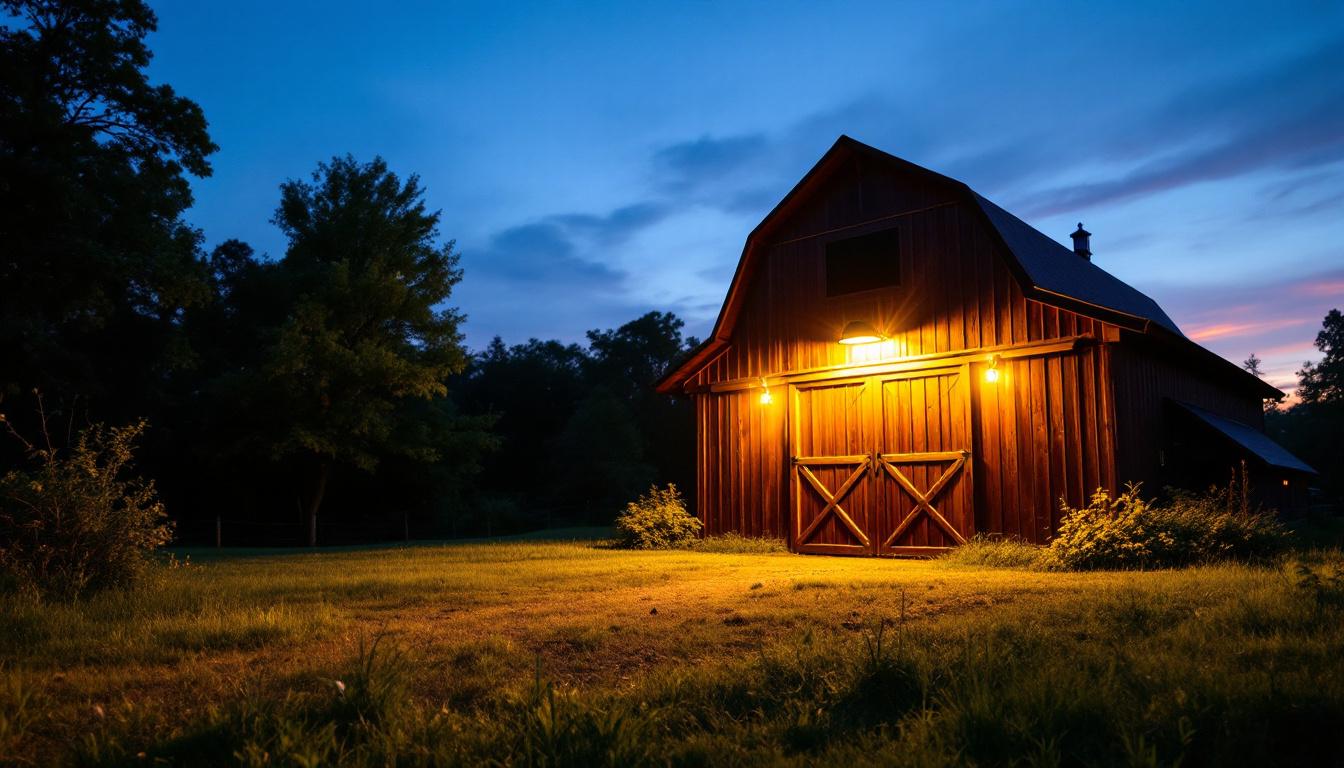
Why Solar Powered Barn Lights Are Gaining Traction
Lighting contractors are witnessing a significant shift in how outdoor barn lighting is approached. Traditional wired lighting systems, while reliable, come with their own set of challenges—costly trenching, ongoing electrical bills, and vulnerability to power outages. Solar powered outdoor barn lights offer an elegant solution that addresses many of these pain points.
Solar lighting systems harness free energy from the sun, making them a sustainable and cost-effective alternative. This is especially appealing in rural or remote areas where running electrical wiring can be prohibitively expensive or logistically difficult. For contractors, understanding the nuances of solar barn lighting can open new avenues for projects and client satisfaction.
Energy Independence and Reduced Operating Costs
One of the biggest advantages of solar barn lights is their ability to operate independently of the grid. This means no monthly electricity bills and fewer concerns about power outages disrupting lighting. For barn owners, this translates into reliable illumination without the ongoing financial burden.
From the contractor’s perspective, this independence simplifies installation and reduces the need for complex electrical work. The upfront investment might be higher in some cases, but the long-term savings and ease of maintenance often justify the cost. Additionally, many solar lights come equipped with advanced features such as motion sensors and dimming capabilities, which can further enhance energy efficiency and tailor lighting to specific needs, making them a versatile choice for various applications.
Environmental Benefits That Resonate with Clients
More clients are prioritizing sustainability. Solar lighting aligns perfectly with this trend, offering a clean energy solution that reduces carbon footprints. Lighting contractors who can advise on and install solar barn lights position themselves as forward-thinking professionals attuned to environmental concerns.
Moreover, the use of solar lights contributes to biodiversity by minimizing light pollution, which can disrupt local wildlife. This aspect is particularly significant for farmers and ranchers who are conscious of their ecological impact. By choosing solar-powered options, they not only enhance the functionality of their barns but also promote a healthier environment. As awareness of these benefits grows, contractors who specialize in solar installations can expect increased demand from clients who wish to align their agricultural practices with eco-friendly initiatives.
Key Components of Solar Powered Outdoor Barn Lights
Understanding the anatomy of a solar barn light system is crucial for contractors. Each component plays a role in ensuring reliable performance and longevity.
Solar Panels
Solar panels capture sunlight and convert it into electrical energy. The efficiency of these panels depends on their material—monocrystalline panels typically offer higher efficiency than polycrystalline ones. For barn lighting, selecting panels that can generate sufficient power even on cloudy days is essential.
Panel placement is equally important. Panels should be installed where they receive maximum sunlight exposure, ideally facing south in the northern hemisphere, and free from shading by trees or structures. Furthermore, the angle of the panels can significantly impact their performance; a tilt that matches the latitude of the barn can optimize energy capture throughout the year. Regular maintenance, such as cleaning the panels to remove dust and debris, can also enhance their efficiency and prolong their lifespan.
Battery Storage
Energy captured by solar panels is stored in batteries to power the lights during nighttime or overcast conditions. Lithium-ion batteries are becoming the preferred choice due to their higher energy density, longer lifespan, and lighter weight compared to traditional lead-acid batteries.
Contractors should ensure the battery capacity matches the lighting load and expected autonomy—how many nights the system can operate without sunlight. This is critical for barns in regions with frequent cloudy weather. Additionally, integrating a battery management system can help monitor battery health and performance, providing insights into charge cycles and potential issues before they become critical. This proactive approach can prevent unexpected outages and ensure that the barn remains well-lit and secure at all times.
LED Fixtures
Light Emitting Diodes (LEDs) are the standard for solar barn lighting due to their energy efficiency and durability. LEDs consume less power, produce less heat, and have a longer lifespan compared to incandescent or fluorescent bulbs. This efficiency allows for smaller solar panels and batteries, reducing system size and cost.
Moreover, the color temperature of LED fixtures can be tailored to suit specific needs—warmer tones can create a welcoming atmosphere, while cooler tones may enhance visibility for tasks. Some advanced LED systems also offer dimming capabilities, allowing for adjustable brightness levels based on activity or time of day, which can further conserve energy and extend battery life.
Charge Controllers and Sensors
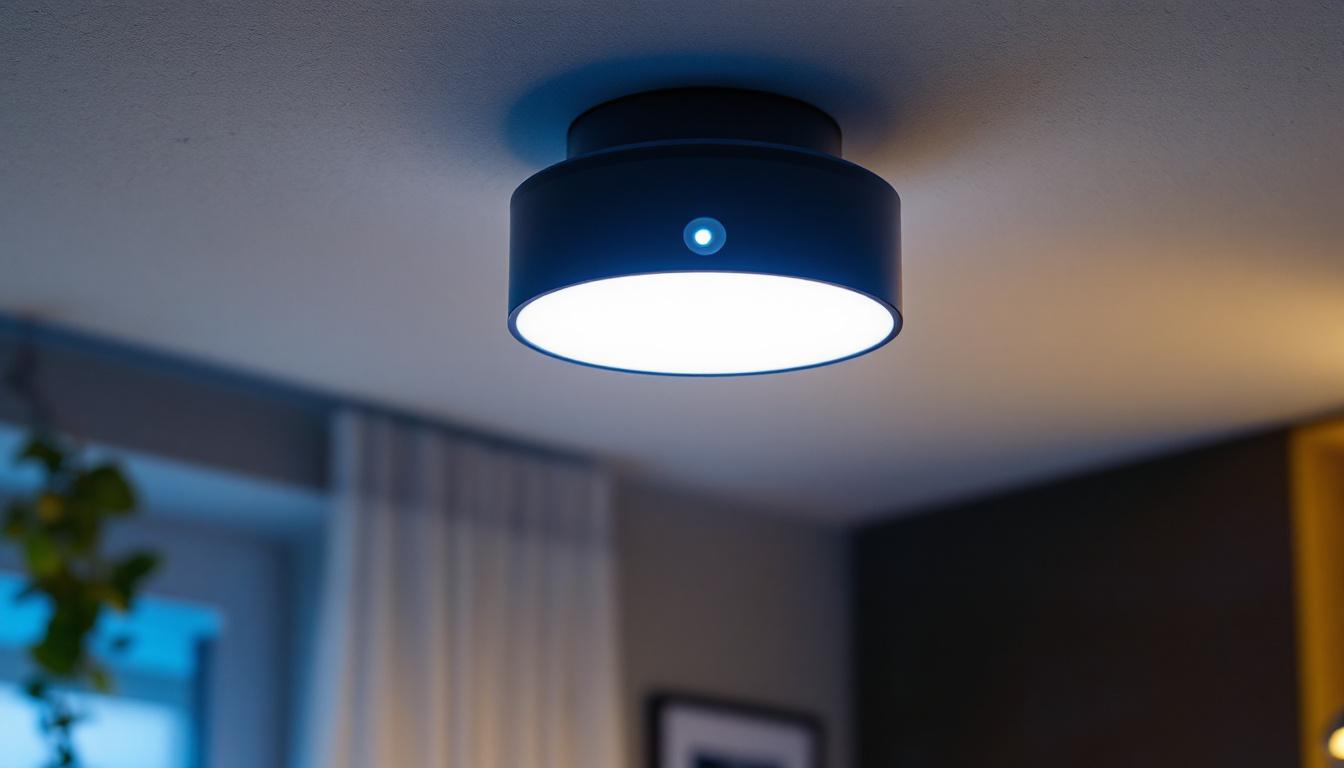
Charge controllers regulate the flow of electricity from the solar panel to the battery, preventing overcharging and extending battery life. Many systems also incorporate motion sensors or photocells to optimize energy use—activating lights only when needed or during nighttime hours.
These sensors not only enhance energy efficiency but also improve safety and security around the barn. For instance, motion sensors can deter potential intruders by illuminating the area when movement is detected, while photocells ensure that lights automatically turn on at dusk and off at dawn, providing convenience without manual intervention. Additionally, some modern systems offer smart technology integration, allowing users to control lighting remotely via smartphone apps, providing flexibility and peace of mind, especially for those managing multiple properties or remote locations.
Installation Best Practices for Lighting Contractors
Proper installation can make or break the performance of a solar powered barn light system. Lighting contractors must pay attention to site assessment, mounting, and wiring to ensure optimal results.
Site Assessment and Planning
Before installation, conduct a thorough site assessment. Identify potential shading issues throughout the day and year, as even partial shading can drastically reduce solar panel output. Evaluate the barn’s lighting needs-determine the brightness required, areas to be illuminated, and any special features like motion detection.
Consider the local climate and weather patterns to select appropriate equipment and battery capacity. For example, regions with heavy snowfall may require panels with a tilted mounting angle to prevent accumulation.
Mounting and Positioning
Solar panels should be mounted securely, with an angle optimized for the location’s latitude to maximize solar gain. Panels can be mounted on the barn roof, poles, or nearby structures. Ensure the mounting hardware is weather-resistant and capable of withstanding local wind loads.
LED fixtures should be positioned to provide even illumination across the barn exterior, minimizing shadows and dark spots. Avoid mounting lights too low, which can cause glare or be obstructed by animals or equipment.
Wiring and Connections
Although solar systems reduce the need for extensive wiring, proper connections between panels, batteries, controllers, and fixtures are critical. Use weatherproof connectors and conduit where necessary to protect wiring from moisture and physical damage.
Label all components clearly to simplify future maintenance and troubleshooting. Follow manufacturer guidelines for wiring to ensure system safety and compliance with electrical codes.
Common Challenges and How to Overcome Them
Even with the advantages of solar barn lighting, contractors may encounter obstacles. Preparing for these challenges can prevent costly delays and dissatisfied clients.
Inconsistent Sunlight and Weather Variability
Cloud cover, seasonal changes, and geographic location affect solar energy availability. To mitigate this, recommend larger battery banks or hybrid systems that combine solar with traditional power sources. This ensures consistent lighting even during extended periods of low sunlight.
Vandalism and Physical Damage
Barns are often in rural, less supervised areas. Solar panels and fixtures can be targets for vandalism or accidental damage from farm equipment. Use tamper-resistant mounting hardware and consider protective cages or covers for vulnerable components.
Maintenance and Longevity Concerns
While solar systems require less maintenance than wired systems, periodic checks are necessary. Batteries degrade over time and may need replacement every few years. Panels should be cleaned regularly to remove dirt, dust, and bird droppings that reduce efficiency.
Educate clients on maintenance routines and offer service contracts to ensure system longevity and performance.
Design Considerations for Optimal Performance
Lighting contractors should tailor solar barn light designs to meet specific client needs and site conditions. Thoughtful design maximizes efficiency, safety, and client satisfaction.
Choosing the Right Lumens and Color Temperature
Brightness is measured in lumens. Barn lighting typically requires between 1,000 to 3,000 lumens depending on the size and purpose of the space. For tasks like equipment handling or animal care, brighter lighting is necessary.
Color temperature affects visibility and ambiance. A neutral white (around 4000K) is often preferred for outdoor barn lighting as it offers clear visibility without harshness.
Incorporating Smart Controls
Smart lighting controls enhance energy savings and convenience. Motion sensors activate lights only when movement is detected, reducing unnecessary power use. Photocells can automatically turn lights on at dusk and off at dawn.
Some advanced systems offer remote monitoring and control via smartphone apps, providing clients with real-time status updates and customization options.
Scalability and Future Expansion
Design systems with scalability in mind. Clients may want to expand their lighting coverage or add additional features in the future. Modular solar lighting components and flexible wiring layouts facilitate easy upgrades without major rework.
Regulatory and Safety Considerations
Lighting contractors must ensure that solar barn light installations comply with local regulations and safety standards. This protects both the contractor and client from liability and ensures reliable operation.
Electrical Codes and Permitting
Although solar lighting systems often fall under less stringent electrical requirements, many jurisdictions require permits and inspections. Verify local codes related to solar installations, wiring practices, and mounting structures.
Proper documentation and adherence to standards demonstrate professionalism and can prevent costly fines or forced modifications.
Safety and Liability
Installations should prioritize safety. Secure mounting prevents panels or fixtures from falling. Proper grounding and surge protection guard against electrical hazards. Inform clients about safe operation and maintenance procedures.
Conclusion: Expanding Your Expertise with Solar Barn Lighting
Solar powered outdoor barn lights represent a growing segment within the lighting industry. For contractors, mastering this technology means tapping into a market that values sustainability, cost savings, and ease of installation. By understanding system components, installation best practices, and design considerations, contractors can deliver reliable, efficient lighting solutions that meet the unique needs of barn owners.
Staying informed about advances in solar technology and battery storage will further enhance your ability to recommend cutting-edge solutions. Offering solar barn lighting services not only broadens your portfolio but also positions you as a trusted advisor in an evolving market.
Illuminate Your Projects with LumenWholesale
Ready to elevate your lighting projects with solar-powered solutions that promise sustainability and cost-effectiveness? Look no further than LumenWholesale for a comprehensive range of spec-grade lighting products. Our commitment to quality and affordability ensures that you can provide your clients with top-notch solar barn lighting without the burden of inflated costs. Take advantage of our hassle-free bulk buying options and enjoy free shipping on your orders. Make the smart choice for your business and visit Wholesale Lighting at the Best Value to discover how we can brighten your projects while keeping your budget in check.