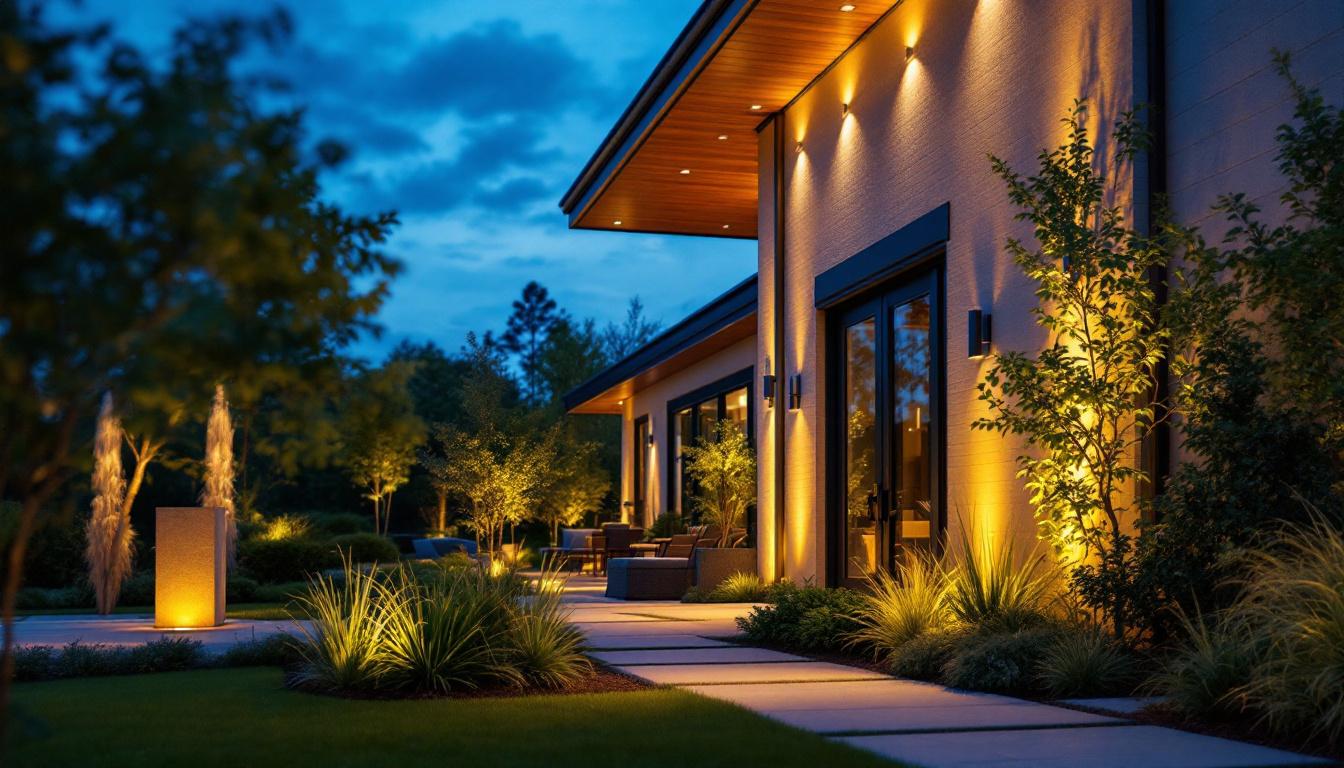
Understanding the Importance of Future-Proofing Wall Sconce Lighting
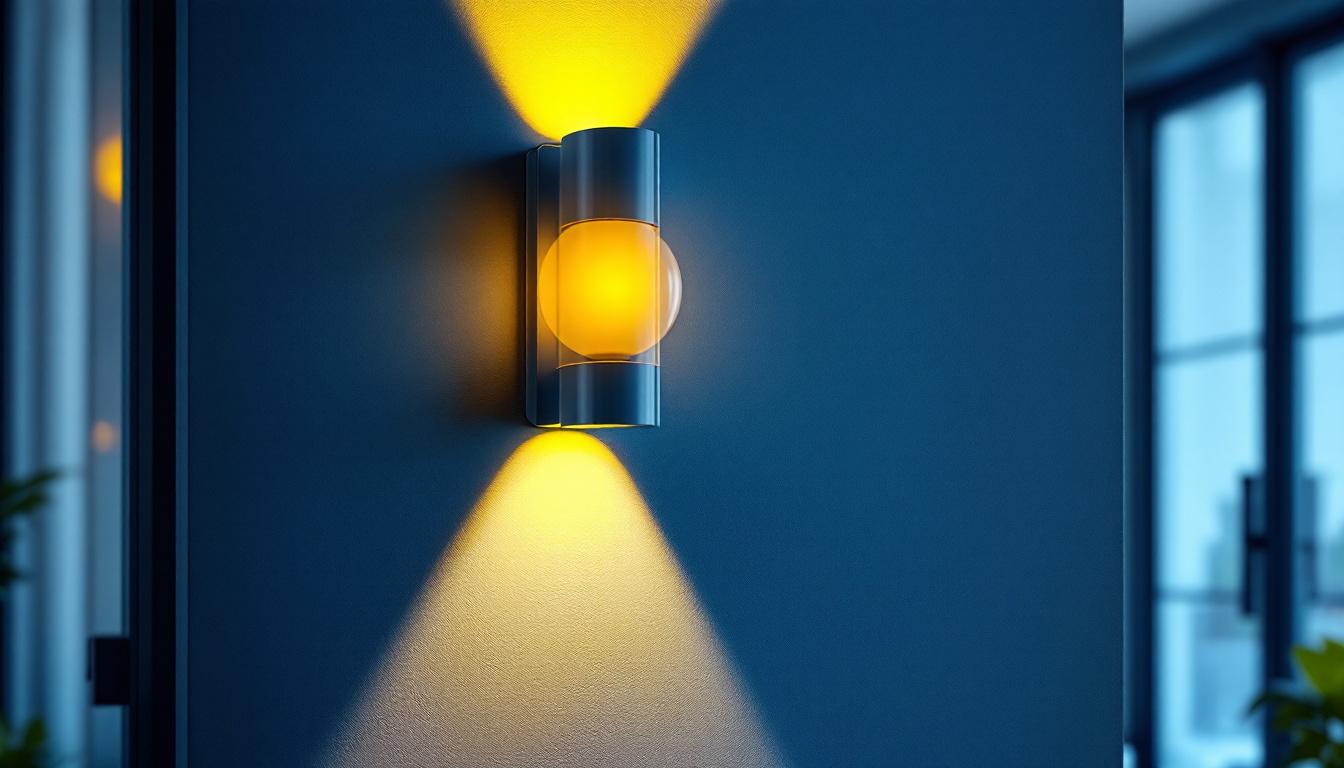
For lighting contractors, wall sconces represent a versatile and elegant lighting solution that can transform residential and commercial spaces alike. However, the rapid evolution of lighting technology means that today’s installations can quickly become outdated. Future-proofing wall sconce lighting projects ensures longevity, client satisfaction, and adaptability to emerging trends and standards.
Future-proofing is not merely about installing the latest bulbs or fixtures; it involves a comprehensive approach that considers energy efficiency, compatibility, maintenance, and environmental impact. By anticipating changes in technology and user needs, contractors can deliver installations that remain functional and stylish for years to come.
The Growing Demand for Energy Efficiency and Sustainability
Energy consumption is a critical consideration in lighting design. According to recent energy studies, lighting accounts for a significant portion of electricity use in commercial and residential buildings. Wall sconces, often used for accent and ambient lighting, contribute to this total. Selecting energy-efficient bulbs such as LEDs can reduce energy consumption by up to 80% compared to traditional incandescent bulbs.
Moreover, sustainability is increasingly important to clients. Many are seeking lighting solutions that minimize environmental impact through reduced energy use, longer lifespan, and recyclable materials. Future-proofing wall sconce lighting means prioritizing bulbs and fixtures that align with these values, ensuring compliance with evolving regulations and market expectations. Additionally, integrating smart technology into wall sconce designs can further enhance energy efficiency. Smart sconces equipped with sensors can adjust brightness based on natural light levels or occupancy, providing illumination only when needed, thus conserving energy and reducing costs.
Furthermore, the aesthetic appeal of wall sconces can be enhanced through the use of customizable designs and finishes that cater to individual tastes and interior styles. As trends shift towards more personalized and unique home environments, offering clients a selection of customizable options can set a contractor apart in a competitive market. This not only adds value to the installation but also ensures that the lighting remains relevant and appealing as design trends evolve. By staying ahead of the curve and embracing both technology and design flexibility, contractors can create wall sconce lighting solutions that are not only functional but also a true reflection of the client’s vision.
Choosing the Right Bulb Technology for Wall Sconces
The choice of bulb technology is central to future-proofing. While incandescent and halogen bulbs have historically been popular, their inefficiency and shorter lifespans make them less viable for modern projects. Instead, LED and smart lighting technologies offer superior performance and flexibility.
LED Bulbs: The Industry Standard for Longevity and Efficiency
LED (Light Emitting Diode) bulbs have revolutionized the lighting industry. They offer exceptional energy efficiency, often lasting 25,000 to 50,000 hours, which significantly reduces maintenance and replacement costs. LEDs also generate less heat, enhancing safety and reducing cooling loads in interior spaces.
Another advantage is the wide range of color temperatures and dimming capabilities available with LED bulbs, allowing contractors to customize ambiance and functionality. LEDs are compatible with many dimmer switches and smart controls, making them adaptable to various client preferences and technological upgrades.
Moreover, the environmental impact of switching to LED technology cannot be overstated. By consuming significantly less energy than traditional bulbs, LED lighting contributes to lower carbon emissions and reduced electricity bills. This eco-friendly aspect appeals to environmentally conscious clients, making it an attractive option for modern lighting designs. Additionally, many LED products are now available with recyclable components, further enhancing their sustainability profile.
Smart Lighting: Integrating Control and Connectivity
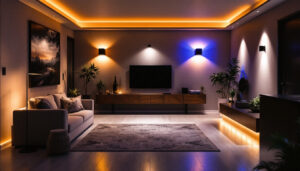
Smart lighting systems are increasingly popular in both residential and commercial settings. These systems allow users to control lighting remotely via smartphones, voice assistants, or automated schedules. Incorporating smart-compatible bulbs in wall sconces future-proofs installations by enabling easy integration with home automation systems.
For contractors, recommending bulbs that support popular communication protocols such as Zigbee, Z-Wave, or Wi-Fi ensures that clients can expand or modify their lighting systems without replacing fixtures. This flexibility is a key selling point and adds long-term value to lighting projects.
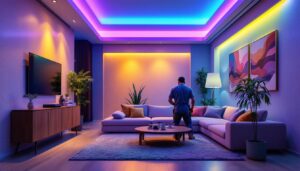
Furthermore, smart lighting systems often come with advanced features such as motion sensors, which can enhance security and energy savings by automatically turning lights on or off based on occupancy. This capability not only provides convenience but also contributes to a more sustainable lifestyle by minimizing energy waste. Additionally, many smart lighting solutions offer customizable scenes and schedules, allowing users to create the perfect atmosphere for any occasion, from a cozy family dinner to an energetic party, all at the touch of a button.
Compatibility and Fixture Considerations
Future-proofing extends beyond bulb selection to include fixture compatibility and design. Ensuring that wall sconces can accommodate a range of bulb types and sizes enhances adaptability and client satisfaction. This consideration is particularly important in spaces where lighting needs may evolve, such as in residential areas that transition from casual living to more formal entertaining. By selecting versatile fixtures, designers can create environments that remain functional and appealing over time.
Universal Sockets and Adjustable Fixtures
Opting for fixtures with universal sockets, such as E26 or GU10 bases, allows for easy bulb replacement and upgrades. Adjustable fixtures that can accommodate different beam angles and color temperatures provide versatility in lighting design, catering to changing needs over time. This adaptability is especially beneficial in settings where ambiance is key, such as restaurants or galleries, where the lighting may need to shift to highlight different features or create varying moods throughout the day.
Contractors should also consider the physical dimensions of bulbs, especially when dealing with decorative wall sconces where bulb shape and size affect aesthetics. Selecting fixtures that can house various bulb profiles without compromising design integrity is essential for future-proofing. Additionally, the ability to mix and match bulb types can enhance creative expression in design, allowing for unique lighting effects that can transform a space dramatically.
Heat Management and Material Durability
Proper heat dissipation is crucial for the longevity of both bulbs and fixtures. Materials such as aluminum and high-quality plastics with heat-resistant properties help manage thermal output, especially when using higher wattage or LED bulbs with integrated drivers. This is particularly important in environments where fixtures are installed close to combustible materials or in enclosed spaces, as effective heat management can prevent potential fire hazards and ensure safety.
Durable materials also ensure that wall sconces withstand environmental factors like humidity and temperature fluctuations, particularly in commercial or outdoor applications. Investing in robust fixtures reduces the need for frequent replacements and supports sustainable project outcomes. Furthermore, selecting materials that are resistant to corrosion and fading can maintain the aesthetic appeal of the fixtures over time, ensuring that they continue to enhance the visual character of the space, regardless of the external conditions they face. This attention to detail not only benefits the immediate project but also contributes to a broader commitment to quality and sustainability in design practices.
Installation Best Practices for Longevity and Flexibility
How wall sconces are installed can significantly impact their future-proofing potential. Proper installation techniques safeguard against premature failures and facilitate easy upgrades.
Wiring and Electrical Compatibility
Ensuring that wiring meets current electrical codes and supports future upgrades is fundamental. Installing wiring capable of handling dimmable LEDs and smart lighting controls prevents costly rewiring down the line. Additionally, using conduit or accessible junction boxes simplifies maintenance and modifications.
Contractors should also consider integrating low-voltage wiring options where appropriate, as these can support emerging lighting technologies and reduce energy consumption.
Accessibility and Maintenance Planning
Designing wall sconce installations with accessibility in mind allows for straightforward bulb replacement and fixture servicing. This includes mounting sconces at reachable heights and avoiding obstructive placements.
Providing clients with maintenance guidelines and recommending bulbs with long lifespans reduces service calls and enhances the reputation of the contractor as a provider of reliable, future-ready lighting solutions.
Regulatory Compliance and Industry Standards
Staying informed about evolving regulations and standards is essential for future-proofing lighting projects. Compliance ensures safety, energy efficiency, and eligibility for rebates or incentives.
Energy Codes and Certification Programs
Many jurisdictions enforce energy codes that dictate minimum efficiency levels for lighting installations. LED bulbs often exceed these requirements, making them a safe choice for compliance. Additionally, certification programs such as ENERGY STAR and DLC (DesignLights Consortium) provide benchmarks for quality and efficiency.
Contractors should specify bulbs and fixtures that meet or exceed these standards to avoid costly retrofits and to provide clients with access to potential rebates and tax incentives.
Safety and Environmental Regulations
Considerations such as mercury content, disposal requirements, and electrical safety standards are integral to responsible lighting design. LEDs, for example, contain no mercury and have fewer hazardous materials, simplifying disposal and reducing environmental impact.
Adhering to safety standards, including UL listing and proper grounding, protects both occupants and contractors from liability and ensures long-term project success.
Future Trends and Innovations in Wall Sconce Lighting
Anticipating future trends can give contractors a competitive edge and help clients enjoy cutting-edge lighting solutions.
Human-Centric and Circadian Lighting
Human-centric lighting, which adjusts color temperature and intensity to support natural circadian rhythms, is gaining traction. Wall sconces equipped with tunable white LEDs can enhance occupant well-being by mimicking natural light patterns throughout the day.
Incorporating this technology into projects prepares clients for health-focused lighting environments, particularly in healthcare, hospitality, and residential markets.
Integration with Renewable Energy and Smart Grids
As renewable energy adoption grows, lighting systems that can interface with smart grids and energy management platforms will become more valuable. Wall sconces designed for low power consumption and smart controls can participate in demand response programs, helping clients reduce energy costs and carbon footprints.
Contractors who understand and implement these integrations position themselves as leaders in sustainable and intelligent lighting solutions.
Conclusion: Delivering Value Through Future-Proof Wall Sconce Lighting
Future-proofing wall sconce lighting projects is a multifaceted endeavor that requires careful consideration of bulb technology, fixture compatibility, installation practices, and regulatory compliance. By prioritizing energy efficiency, adaptability, and emerging trends, lighting contractors can ensure their installations remain relevant, efficient, and appealing over time.
Clients benefit from reduced maintenance costs, enhanced ambiance, and alignment with sustainability goals, while contractors build reputations for quality and forward-thinking solutions. Embracing future-proofing principles today lays the foundation for successful lighting projects that stand the test of time.
Illuminate Your Projects with LumenWholesale
Ready to elevate your lighting projects with future-proof solutions? At LumenWholesale, we provide lighting contractors with the highest quality, spec-grade wall sconce light bulbs and fixtures at unbeatable wholesale prices. Say goodbye to local distributor markups and hello to a vast selection of energy-efficient, adaptable lighting options that meet the most stringent industry standards. Plus, with free shipping on bulk orders, you can stock up on premium lighting without any hidden fees. Don’t compromise on quality or value—visit LumenWholesale now for the best in wholesale lighting at the best value.