Choosing the Right Wall Sconce for Every Space
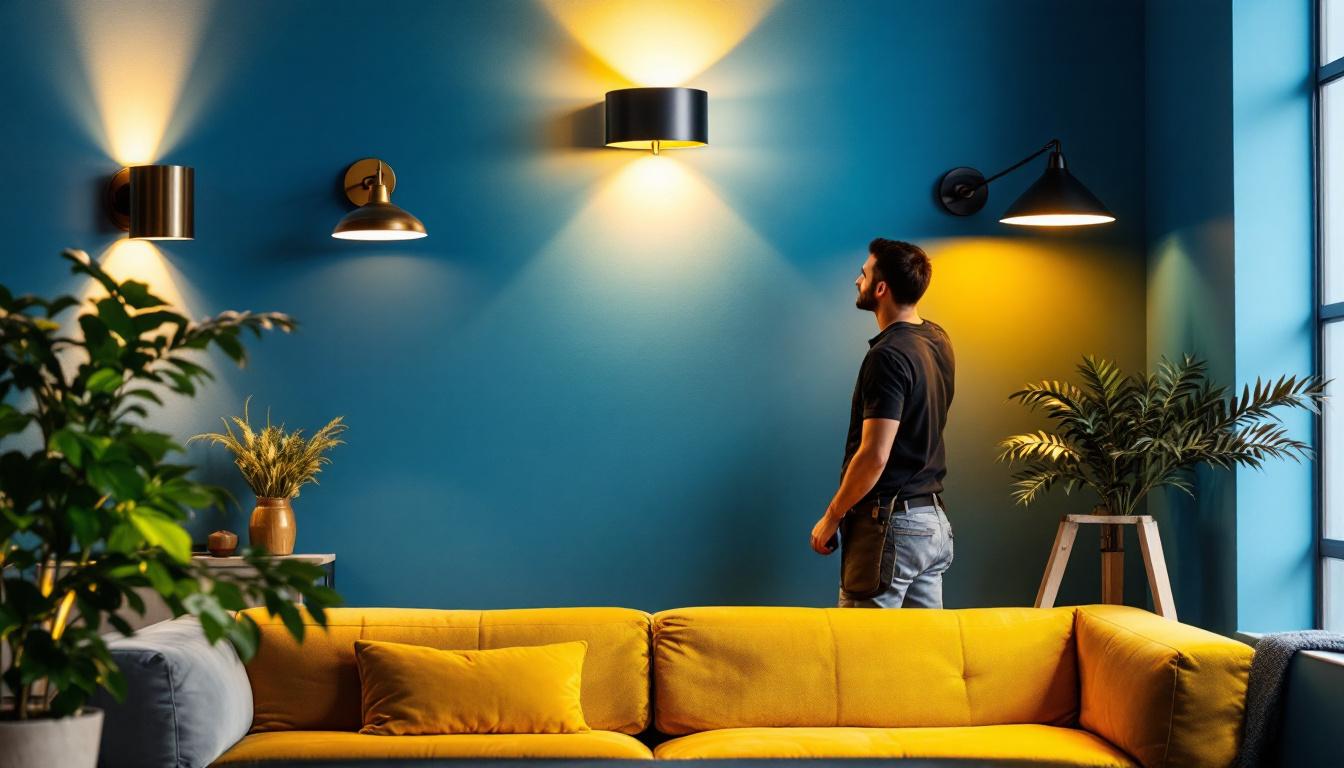
Wall sconces are more than just decorative fixtures; they’re functional lighting solutions that can transform a room’s ambiance while saving space. For lighting contractors, selecting the right sconce means understanding the client’s needs, the room’s purpose, and the architectural style. The wrong choice can lead to poor lighting distribution, client dissatisfaction, or even costly rework.
Start by evaluating the room’s size and natural light availability. Smaller rooms benefit from sconces with a softer glow and smaller profiles, while larger spaces can handle bolder, statement fixtures. For example, a narrow hallway might call for slim, linear sconces that provide guiding light without overwhelming the walls. Meanwhile, living rooms or dining areas often accommodate fixtures with adjustable arms or dimmable features to tailor the ambiance.
Material and finish also play a crucial role. Matte black or brushed nickel finishes complement modern interiors, while antique brass or bronze suit traditional or rustic settings. Remember, the fixture should enhance the room’s design, not clash with it. Additionally, consider the texture and color palette of the surrounding decor; a well-chosen sconce can serve as an artistic element, drawing the eye and adding depth to the overall design.
Consider the Mounting Height and Placement
Mounting height directly affects both aesthetics and functionality. A common guideline is to install sconces between 60 to 72 inches from the floor, but this can vary based on ceiling height and furniture placement. For instance, sconces flanking a bathroom mirror should be at eye level to minimize shadows on the face, typically around 65 to 70 inches. In contrast, sconces in a high-ceilinged foyer can be mounted higher to create a dramatic effect, emphasizing the vertical space and enhancing the entryway’s grandeur.
Spacing between sconces matters too. In living rooms or bedrooms, sconces placed 6 to 8 feet apart provide balanced illumination. Hallways might require closer spacing to avoid dark spots. When sconces are used to complement overhead lighting, coordinate their placement to prevent overlapping light beams or unnecessary glare. Furthermore, consider the type of light bulb used; warm LED bulbs can create a cozy atmosphere, while cooler tones may be more suitable for task-oriented spaces like kitchens or home offices. This attention to detail ensures that each sconce not only serves its purpose but also contributes to a cohesive and inviting environment.
Smart Wiring and Installation Tips
Efficient wiring and installation save time and reduce headaches down the line. One common mistake contractors make is underestimating the wiring complexity behind wall sconces, especially when integrating smart controls or dimmers. This complexity can lead to frustrating troubleshooting later, particularly if the initial setup doesn’t account for future upgrades or changes in technology.
Before installation, map out the wiring routes carefully. If the project involves smart lighting, ensure the wiring supports low-voltage controls or wireless modules. Using flexible conduit can simplify future maintenance or upgrades, allowing for easier access to wires without extensive wall damage. Additionally, consider the placement of power sources and switches; strategically positioning them can enhance usability and aesthetic appeal, while also minimizing the risk of electrical interference.
Use Backplates and Mounting Brackets Strategically
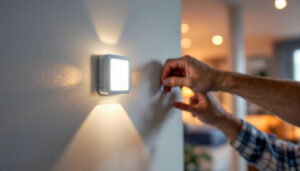
Backplates not only add to the fixture’s aesthetic but also provide a stable mounting surface. For uneven walls or surfaces with textured finishes, a quality backplate can compensate for irregularities, ensuring the sconce sits flush and secure. Opting for backplates that match the finish of your sconces can create a cohesive look that elevates the overall design of the space.
Mounting brackets should be aligned precisely with the wall studs to support the fixture’s weight, especially for heavier or larger sconces. When studs aren’t available, use appropriate anchors rated for the fixture’s weight to prevent sagging or detachment over time. It’s also wise to double-check the manufacturer’s specifications for weight limits and installation guidelines, as this can vary widely between different types of sconces. Furthermore, consider the electrical load; if multiple fixtures are connected to a single circuit, ensure that the total load does not exceed the circuit’s capacity, as this can lead to tripped breakers or even fire hazards.
Integrating Smart Controls for Enhanced Functionality
Smart lighting is no longer a luxury; it’s an expectation. Clients want control over brightness, color temperature, and scheduling, often from their smartphones or voice assistants. Lighting contractors who master smart integration stand out in a competitive market.
When installing wall sconces with smart capabilities, compatibility is key. Choose fixtures or retrofit kits that work seamlessly with popular smart home ecosystems. Zigbee, Z-Wave, and Wi-Fi-based systems each have pros and cons. Wi-Fi offers direct cloud connectivity but can be less reliable in congested networks. Zigbee and Z-Wave provide mesh networking with low latency but require a compatible hub.
Programming Scenes and Schedules
Help clients envision how smart sconces can enhance their daily routines. Programming scenes—preset lighting levels and colors for activities like reading, entertaining, or relaxing—adds real value. Scheduling lights to turn on or off at specific times improves security and energy efficiency.
For example, a client might want wall sconces in the hallway to gradually brighten in the morning, mimicking natural sunrise and easing wake-up routines. Or, sconces near artwork could be programmed to highlight pieces only during evening hours, conserving energy during the day. Additionally, integrating motion sensors with these smart sconces can further enhance functionality. Imagine sconces that automatically illuminate when someone enters a room, providing instant light without the need for a switch. This feature not only adds convenience but also promotes safety, especially in areas like staircases or entryways.
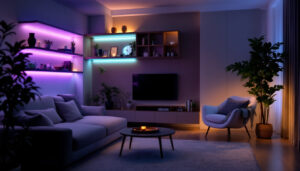
Moreover, consider the aesthetic impact of smart lighting. Clients can customize the ambiance of their spaces by adjusting the color temperature of their sconces to suit different moods or occasions. For instance, a warmer hue might be perfect for a cozy movie night, while cooler tones can create a vibrant atmosphere for gatherings. The ability to change lighting based on the time of day or activity can transform a space, making it feel more dynamic and personalized. By educating clients on these advanced features, contractors can position themselves as not just installers but as valuable advisors in creating tailored lighting solutions that elevate the overall living experience.
Energy Efficiency and Maintenance Hacks
Energy efficiency is a top priority for many clients, both for environmental reasons and cost savings. LED technology dominates the market, offering long life spans and low power consumption. For lighting contractors, specifying high-quality LED sconces with dimmable drivers ensures clients get the best performance.
Consider recommending fixtures with replaceable LED modules. While integrated LEDs are common, modular designs allow for easier repairs or upgrades without replacing the entire fixture. This approach appeals to clients who value sustainability and long-term savings.
Maintenance Tips for Longevity
Wall sconces often accumulate dust and grime, which can diminish light output and fixture appearance. Advise clients on simple maintenance routines, like cleaning glass shades with a microfiber cloth and checking for loose connections annually.
For contractors, offering maintenance packages or follow-up visits can build trust and generate repeat business. During these visits, inspect wiring for wear, tighten mounting hardware, and update smart control firmware if applicable.
Design Hacks to Impress Clients
Beyond technical considerations, lighting contractors can differentiate themselves by offering design insights that elevate a project. Mixing sconces with other lighting layers-ambient, task, and accent-creates dynamic, inviting spaces.
Suggest pairing sconces with recessed ceiling lights or floor lamps to avoid flat lighting. Using sconces with adjustable arms or swivel heads adds flexibility, allowing clients to direct light where needed for reading or highlighting decor.
Play with Color Temperature and Diffusion
Color temperature dramatically influences mood. Warm white (2700K–3000K) creates cozy, intimate environments, ideal for bedrooms and lounges. Cooler white (3500K–4100K) suits kitchens and workspaces where clarity is essential.
Diffusers and shades soften light, reducing harsh shadows and glare. For clients sensitive to bright light, frosted glass or fabric shades can make a big difference. Offering a variety of diffuser options helps tailor the lighting experience precisely.
Common Pitfalls and How to Avoid Them
Even experienced contractors can stumble on wall sconce projects. One frequent issue is inadequate lighting levels. A sconce that looks great but fails to provide sufficient illumination frustrates clients and wastes time.
Always calculate lumen output relative to room size and function. Tools like lighting calculators or software can assist in planning. Don’t rely solely on fixture wattage; focus on lumens and beam angles.
Beware of Glare and Shadows
Improper placement or fixture design can create glare or unwanted shadows, especially near mirrors or seating areas. Test fixture positioning with temporary mounts or mockups before final installation.
Consider the direction of the light beam. Upward-facing sconces can wash walls with soft light, while downward-facing models provide task illumination but may cast shadows. Combining both types can balance the effect.
Final Thoughts
Wall sconces offer endless possibilities for creating smart, stylish, and functional lighting solutions. For lighting contractors, mastering the technical and design aspects of sconces can lead to happier clients and more successful projects.
From selecting the right fixture and mounting it properly to integrating smart controls and ensuring energy efficiency, every step counts. Staying ahead means combining technical expertise with a keen eye for design and client needs.
With these hacks in your toolkit, wall sconces will no longer be just an afterthought but a highlight of your lighting installations.
Illuminate Your Projects with LumenWholesale
Ready to elevate your lighting installations with the finest wall sconces and smart lighting solutions? At LumenWholesale, we provide lighting contractors like you with the highest quality, spec-grade lighting products at prices that can’t be beaten. Say goodbye to local distributor markups and hello to a vast selection of reliable lighting that meets rigorous industry standards. Plus, with free shipping on bulk orders, you can stock up on premium lighting without worrying about hidden fees or compromises. Don’t let your projects be dimmed by subpar lighting—choose LumenWholesale for the perfect blend of quality, affordability, and convenience. Wholesale Lighting at the Best Value is just a click away.