Understanding the Importance of Wired Fence Lighting
Fence lighting is more than just an aesthetic upgrade; it’s a critical component for safety, security, and enhancing outdoor spaces. For lighting contractors, wired fence lighting offers a reliable, durable, and high-performance solution compared to wireless alternatives. While wireless options may seem convenient, they often fall short in terms of consistent power delivery and longevity.
Wired fence lighting ensures a steady current, which is essential for maintaining brightness and avoiding flickers or outages. This reliability is especially important in commercial or high-traffic residential settings where lighting failure could pose safety risks or security vulnerabilities. Additionally, wired setups allow for more complex lighting designs, including dimming capabilities, timers, and integration with smart home systems.
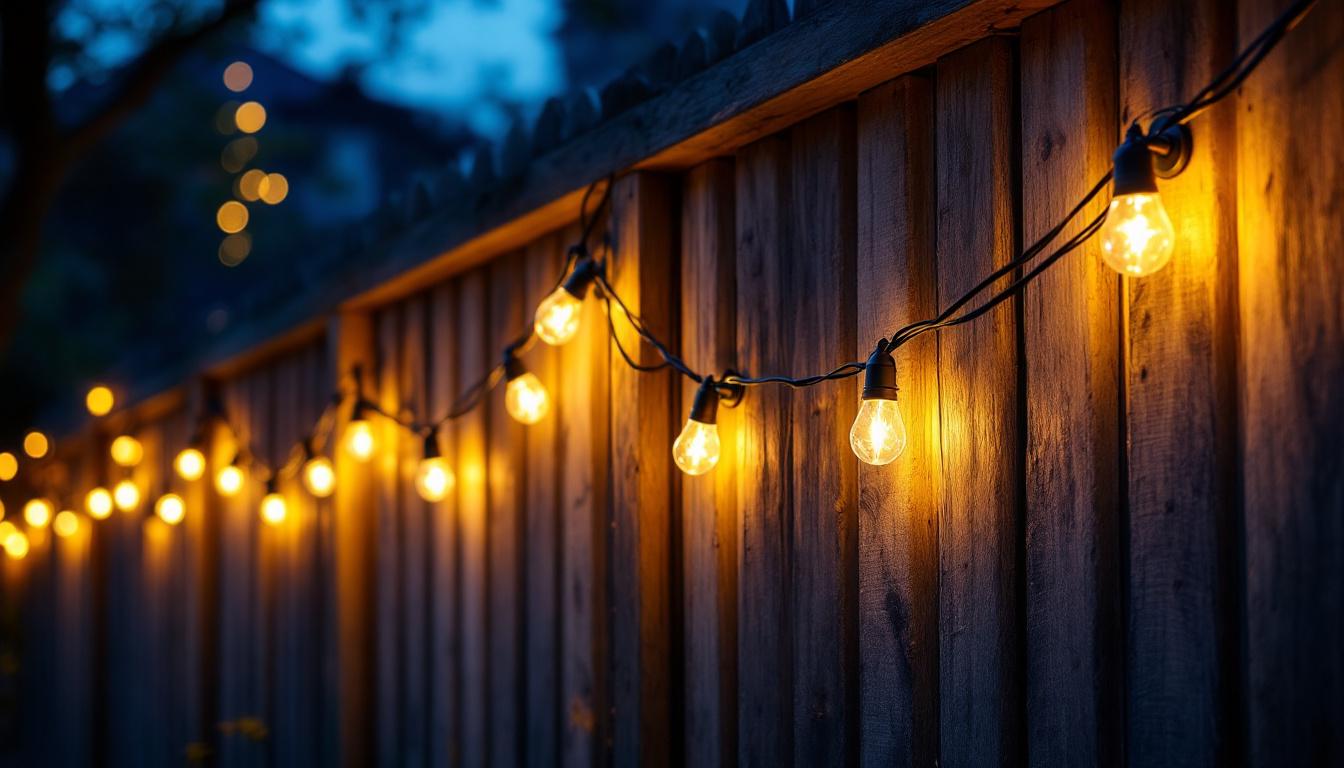
Moreover, the installation of wired fence lighting can significantly enhance the visual appeal of a property. By strategically placing lights along the fence line, homeowners can create a warm and inviting atmosphere that highlights landscaping features and architectural details. This not only improves the overall aesthetic but can also increase property value, as well-lit outdoor spaces are often more attractive to potential buyers. Furthermore, with a variety of styles and fixtures available, from sleek modern designs to rustic lanterns, homeowners can easily find options that complement their personal taste and the existing decor of their property.
Another critical aspect to consider is the energy efficiency of wired lighting systems. Many modern wired fixtures are designed to accommodate LED bulbs, which consume significantly less power than traditional incandescent lights. This not only reduces energy costs but also minimizes the environmental impact. Additionally, wired systems can be integrated with solar technology, allowing for a hybrid approach that harnesses renewable energy while maintaining the benefits of a wired setup. This combination not only ensures consistent lighting but also promotes sustainability, making it an ideal choice for environmentally conscious homeowners and businesses alike.
Planning and Design Considerations
Assessing the Site and Client Needs
Before any installation, a thorough site assessment is crucial. Evaluate the fence material, length, and height, as these factors influence the type of wiring and fixtures needed. Metal fences may require grounding considerations, while wooden fences might necessitate additional mounting hardware. Additionally, it’s essential to consider the surrounding landscape and existing structures, as these elements can impact both the aesthetic and functional aspects of the lighting design. For instance, nearby trees or shrubs may cast shadows that could affect the effectiveness of the lighting, while proximity to pathways or driveways may necessitate brighter illumination for safety.
Understanding the client’s objectives is equally important. Are they looking for subtle accent lighting, robust security illumination, or a combination? Clarifying this upfront helps in selecting appropriate fixtures and power sources. For instance, low-voltage LED lights are ideal for ambiance, while high-output halogen or LED floodlights serve security purposes better. Moreover, discussing the desired color temperature and brightness with the client can enhance the overall design. Warmer tones can create a cozy atmosphere, while cooler tones may be more suitable for modern aesthetics or security applications. Engaging the client in these discussions ensures that the final design aligns with their vision and enhances the overall appeal of the property.
Choosing the Right Wiring Method
Two primary wiring methods exist for fence lighting: direct burial cables and conduit installations. Direct burial cables are cost-effective and simpler to install but require careful selection of cable types rated for underground use to prevent damage from moisture and soil conditions. It’s also wise to consider the depth of burial, as local wildlife or landscaping activities could potentially disrupt the wiring if not installed at an adequate depth.
Conduit installations, while more labor-intensive, provide superior protection for wiring and facilitate easier future maintenance or upgrades. PVC or metal conduits can be used, depending on local electrical codes and environmental factors. Lighting contractors should always consult local regulations to ensure compliance with wiring standards. Furthermore, using conduits allows for the possibility of integrating additional features in the future, such as smart lighting controls or additional fixtures, without the need for extensive rework. This forward-thinking approach not only saves time and costs down the line but also enhances the adaptability of the lighting system to evolving client needs or technological advancements.
Electrical Components and Installation Best Practices
Power Sources and Transformers
Most wired fence lighting systems operate on low voltage (12V or 24V), which is safer and more energy-efficient. This requires a transformer to step down the standard 120V or 240V household current. Selecting the right transformer capacity is critical; undersized transformers can lead to dim lights and premature failure, while oversized ones may waste energy. Additionally, it’s important to consider the total wattage of all connected fixtures when determining the transformer size. A good rule of thumb is to choose a transformer that can handle at least 20% more than the total wattage to ensure optimal performance and longevity.
Transformers should be installed in weatherproof enclosures and positioned close enough to the fence to minimize voltage drop but accessible for maintenance. Lighting contractors should also consider surge protection to safeguard against electrical spikes, especially in areas prone to storms. Furthermore, installing a timer or a photocell can enhance efficiency by automatically turning the lights on at dusk and off at dawn, reducing unnecessary energy consumption. Regularly checking the transformer and connections for wear and tear can help maintain the system’s integrity over time.
Fixture Selection and Mounting Techniques
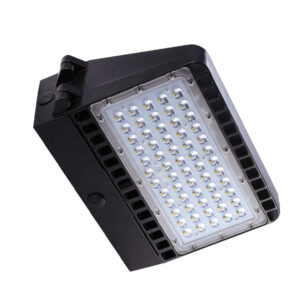
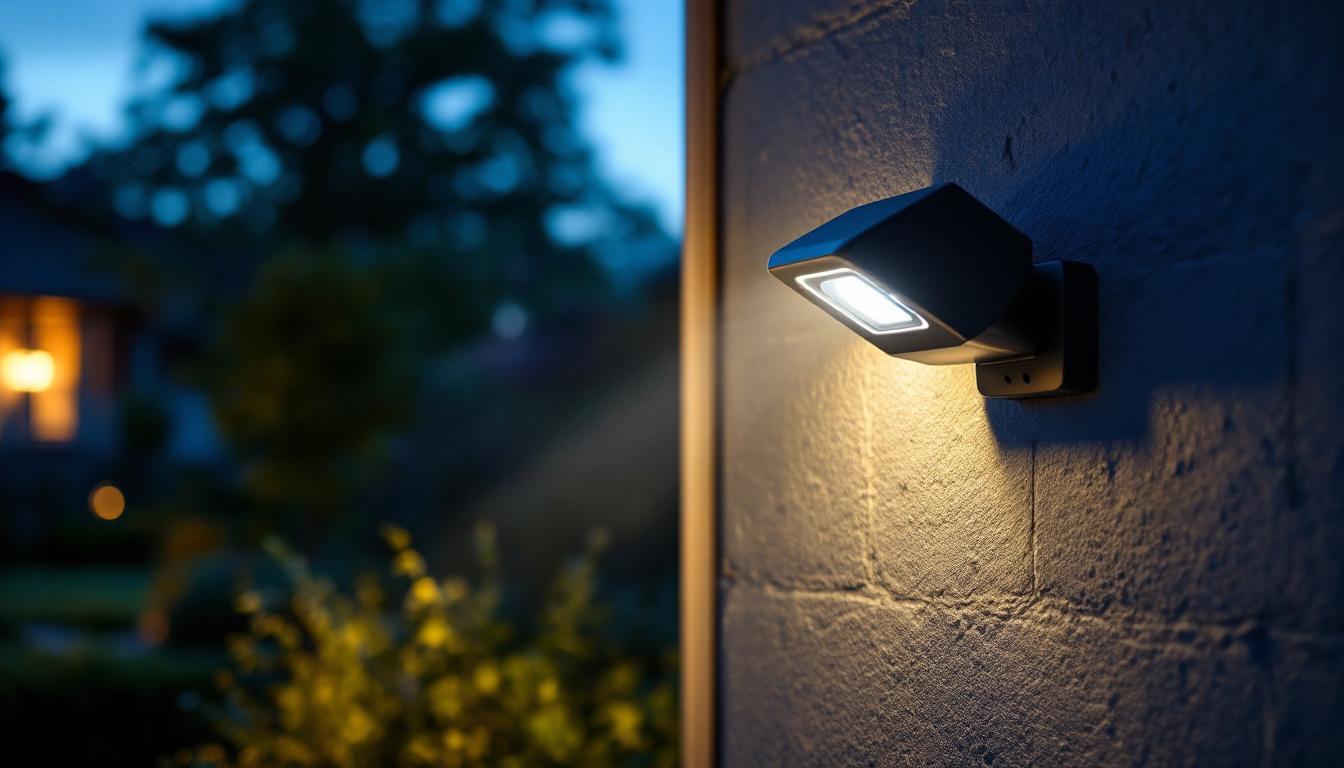
Fence lighting fixtures come in various styles, including spotlights, path lights, and integrated strip lights. For wired installations, fixtures designed specifically for outdoor use with waterproof ratings like IP65 or higher are essential to prevent moisture ingress. When selecting fixtures, consider not only the aesthetic appeal but also the beam angle and lumen output to ensure adequate illumination for the intended area. For instance, wider beam angles are ideal for illuminating pathways, while narrow beams can highlight specific features like trees or architectural elements.
Mounting fixtures securely is vital to withstand weather conditions and potential physical impacts. Use corrosion-resistant hardware such as stainless steel screws and brackets. When attaching to wooden fences, pre-drilling holes prevents splitting. For metal fences, clamps or specialized mounts can avoid damaging the structure. Additionally, it’s advisable to install fixtures at varying heights and angles to create a dynamic lighting effect that enhances the overall ambiance. Regular maintenance, including cleaning the fixtures and checking for loose connections, will ensure that the lighting system remains functional and visually appealing throughout the seasons.
Wiring Installation and Safety Protocols
Running the Wiring
When running wiring along a fence, maintaining neatness and protection is key. Wires should be fastened at regular intervals using UV-resistant cable ties or clips to prevent sagging and damage. Avoid running cables across sharp edges or areas prone to abrasion. Additionally, consider the environmental factors that may affect the wiring, such as exposure to extreme temperatures or moisture. Using cables with appropriate insulation ratings can significantly enhance durability, ensuring that they withstand the elements over time.
For underground runs, bury cables at least 18 inches deep or as required by local codes, using warning tapes above the cables to alert future excavators. This precaution not only protects the wiring but also helps prevent accidental damage during landscaping or construction activities. In conduit installations, ensure all joints are sealed to prevent moisture ingress. Furthermore, using conduit made from corrosion-resistant materials can extend the lifespan of the installation, especially in areas with high humidity or saline conditions.
Testing and Troubleshooting
Once installed, thorough testing is mandatory. Check each fixture for proper operation and inspect wiring connections for tightness and corrosion. Voltage testers and multimeters are invaluable tools for verifying current flow and identifying potential shorts or breaks. Additionally, performing a load test can help ensure that the system can handle the expected electrical load without overheating or tripping breakers. This step is crucial for preventing future failures that could lead to costly repairs or safety hazards.
Common issues include loose connections, damaged cables, or transformer overloads. Addressing these promptly prevents long-term damage and client dissatisfaction. It’s also beneficial to educate clients on basic maintenance practices, such as periodic visual inspections and the importance of keeping the area around the wiring clear of debris. Documenting the installation with photos and wiring diagrams also aids future maintenance. This documentation serves as a valuable reference for any subsequent work, allowing technicians to quickly understand the layout and specifics of the installation, which can be particularly helpful in complex systems or when troubleshooting issues down the line.
Maintenance and Upgrades
Routine Inspections
Encourage clients to schedule regular inspections, especially after severe weather events. Look for signs of wear such as frayed wires, rusted fixtures, or water ingress. Early detection of problems can save significant repair costs down the line.
For contractors, offering maintenance packages can build ongoing client relationships and ensure the lighting system performs optimally year-round.
Integrating Smart Controls
Modern wired fence lighting systems can be enhanced with smart controls, allowing remote operation, scheduling, and even color changes. While this requires additional components such as smart switches or controllers, the benefits in energy savings and user convenience are substantial.
Lighting contractors should stay updated on the latest smart lighting technologies and compatibility with wired systems to provide clients with future-proof solutions.
Compliance and Documentation
Adhering to Electrical Codes
Compliance with local electrical codes and standards is non-negotiable. These regulations govern wiring methods, grounding requirements, fixture ratings, and installation practices to ensure safety and reliability.
Contractors must stay informed about code updates and obtain necessary permits before starting work. Proper inspections and approvals not only protect clients but also shield contractors from liability.
Providing Clear Documentation
Detailed documentation including wiring diagrams, fixture specifications, and maintenance instructions should be handed over to clients. This transparency builds trust and simplifies future troubleshooting or upgrades.
Additionally, maintaining records of materials used and installation dates supports warranty claims and service calls.
Conclusion
Wired fence lighting is a cornerstone of quality outdoor illumination, offering unmatched reliability and flexibility. For lighting contractors, mastering the nuances of design, installation, and maintenance is essential to delivering superior results that satisfy client needs and comply with safety standards.
By prioritizing thorough planning, using appropriate materials, adhering to codes, and embracing technological advancements, contractors can elevate their fence lighting projects from functional to exceptional.
Illuminate with Excellence from LumenWholesale
Ready to take your fence lighting projects to the next level? At LumenWholesale, we provide lighting contractors with the highest quality, spec-grade lighting products at prices that can’t be beaten. Say goodbye to local distributor markups and hello to a vast selection of reliable, high-performance lighting that meets the most rigorous industry standards. With free shipping on bulk orders, you can stock up on superior lighting solutions and enjoy the best value without any hidden fees. Elevate your outdoor illumination with the quality, affordability, and convenience that only LumenWholesale can offer. Wholesale Lighting at the Best Value is just a click away.