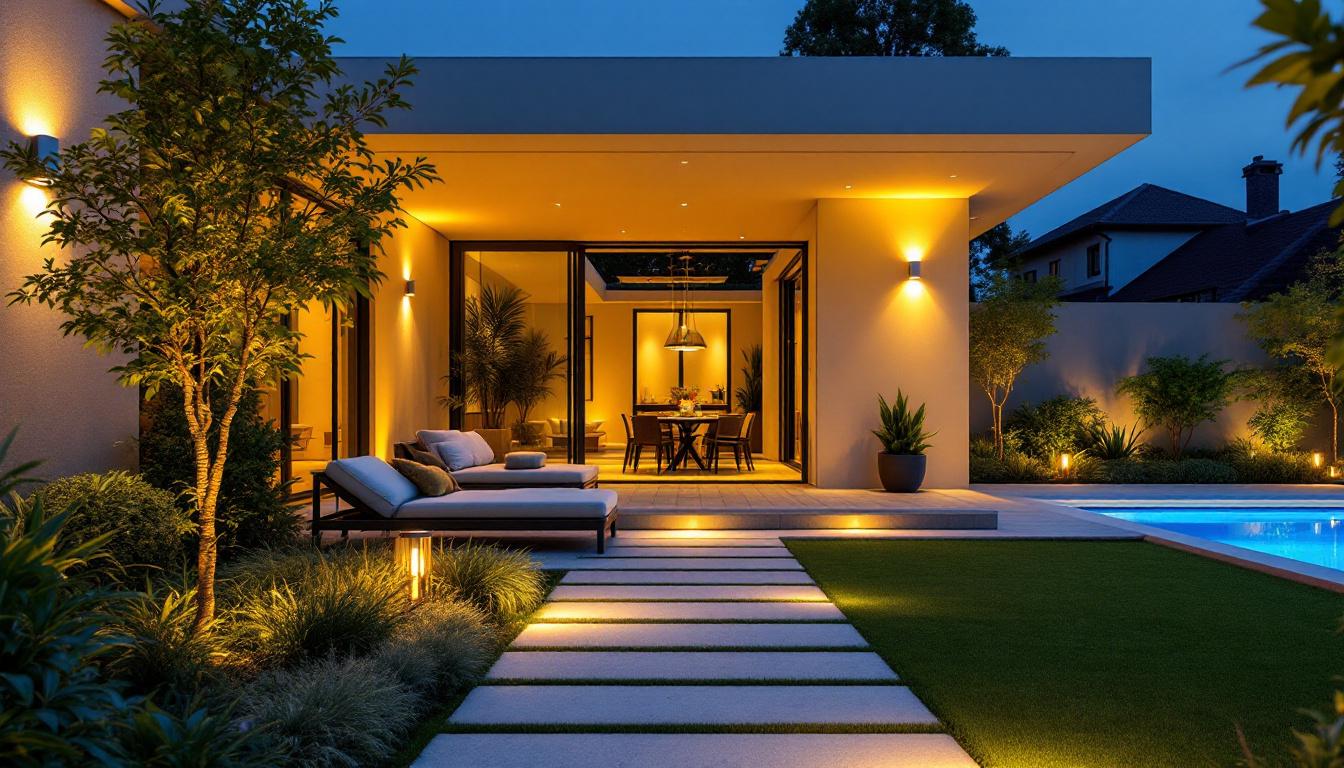
Understanding the Basics: LED and Fluorescent Lighting Technologies
Lighting contractors face a critical choice when specifying fixtures: LED or fluorescent? Both technologies have been staples in commercial and residential lighting, but their power consumption and operational costs vary significantly. Understanding these differences is key to making cost-effective decisions that benefit clients and contractors alike.
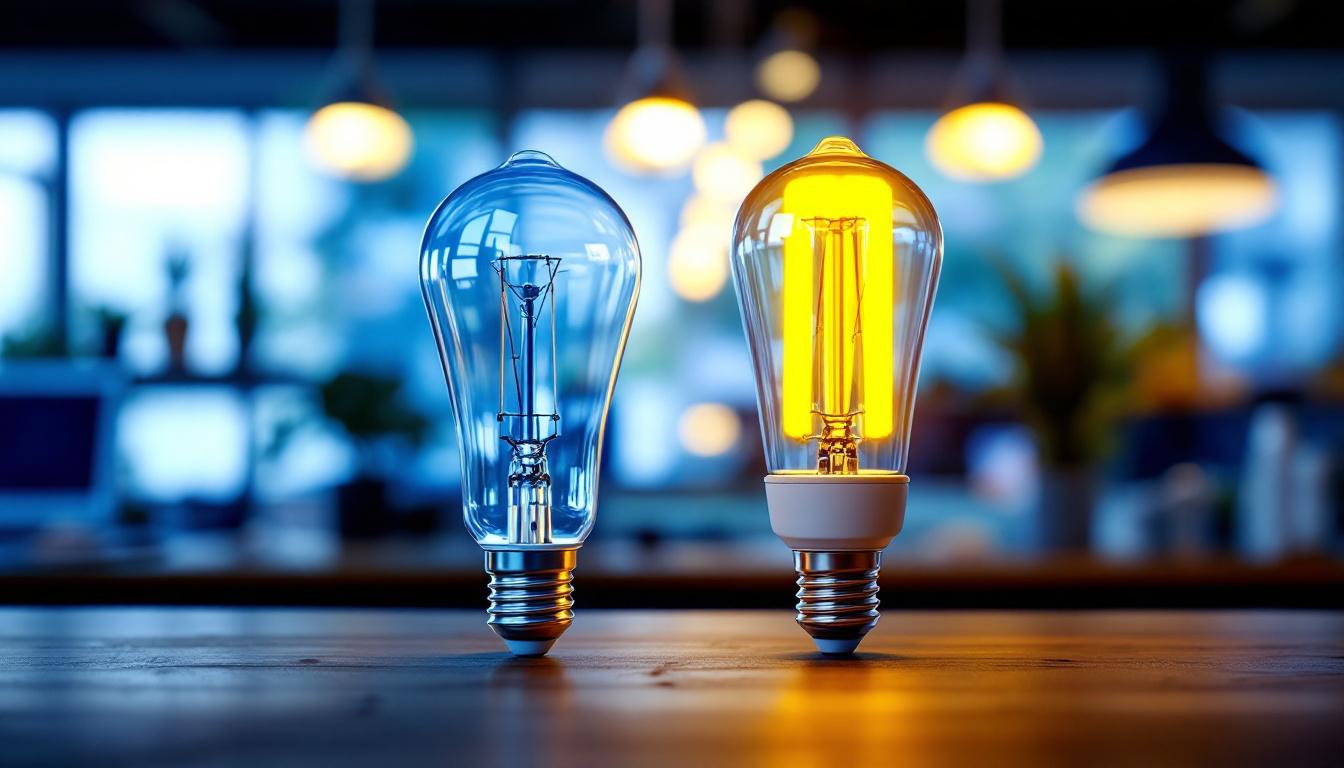
Fluorescent lamps operate by exciting mercury vapor inside a glass tube, which then emits ultraviolet light. This light interacts with a phosphor coating inside the tube, producing visible light. LEDs, or Light Emitting Diodes, work differently by passing an electric current through a semiconductor, emitting light directly without the need for gases or phosphors.
While fluorescent lighting has been popular for decades due to its efficiency compared to incandescent bulbs, LEDs have disrupted the market with superior energy efficiency, longer lifespans, and lower maintenance costs. For lighting contractors, these factors translate into tangible cost savings and improved client satisfaction.
In addition to their energy efficiency, LEDs also offer a range of color temperatures, allowing for greater flexibility in design and ambiance. From warm white tones that create a cozy atmosphere to cool white shades that enhance productivity in workspaces, the versatility of LED lighting can cater to diverse client preferences and needs. Furthermore, advancements in dimming technology and smart lighting controls have made it easier to integrate LEDs into modern building systems, providing contractors with innovative solutions that can be tailored to specific environments.
On the other hand, while fluorescent lights are generally less expensive upfront, they can incur higher long-term costs due to their shorter lifespan and the need for more frequent replacements. Additionally, the environmental impact of fluorescent lamps, which contain small amounts of mercury, poses challenges for disposal and recycling. This concern has led many contractors to advocate for LED solutions, which are not only free from hazardous materials but also contribute to a more sustainable future by reducing overall energy consumption and greenhouse gas emissions.
Power Consumption: Comparing Energy Usage
Wattage and Efficiency
One of the most straightforward metrics to compare is wattage. Fluorescent tubes typically consume between 14 to 40 watts, depending on the size and type. LEDs designed to replace these tubes often use between 8 to 20 watts to produce an equivalent amount of light. This reduction in wattage directly impacts energy bills. Moreover, as energy costs continue to rise, the savings from switching to LED technology can accumulate significantly over time, making it a financially sound choice for both residential and commercial applications.
LEDs convert a higher percentage of electrical energy into visible light, with efficiencies often exceeding 100 lumens per watt. Fluorescent lamps generally fall between 50 and 100 lumens per watt, depending on the quality and age of the fixture. This means LEDs deliver the same or better illumination while consuming less power. Additionally, the longevity of LEDs—often lasting up to 25,000 hours or more—further enhances their cost-effectiveness, as they require fewer replacements and less maintenance than their fluorescent counterparts, which typically last around 7,000 to 15,000 hours.
Ballasts and Drivers: Hidden Energy Consumers
Fluorescent lamps require ballasts to regulate current flow. Traditional magnetic ballasts can consume an additional 10% or more of the lamp’s power, increasing overall energy use. Electronic ballasts are more efficient but still add to the total consumption. LEDs, on the other hand, use drivers that are generally more efficient and do not suffer from the same energy losses. The design of LED drivers allows them to operate at a lower voltage, which not only reduces energy consumption but also minimizes the risk of overheating, contributing to a longer lifespan for the LED fixtures.
Moreover, the advancements in LED technology have led to the development of smart drivers that can adjust light output based on ambient light conditions or occupancy, further enhancing energy savings. These intelligent systems can significantly reduce energy consumption during periods of low activity, making them ideal for use in commercial spaces such as offices, warehouses, and retail environments. As energy efficiency becomes increasingly important in sustainability efforts, understanding the role of ballasts and drivers in overall energy consumption is crucial for making informed lighting choices.
Operational Lifespan and Maintenance Costs
Longevity of LEDs vs Fluorescents
Fluorescent lamps typically last between 7,000 and 15,000 hours, depending on usage and quality. LEDs can last anywhere from 25,000 to 50,000 hours or more. This extended lifespan reduces the frequency of replacements, which is a significant advantage in commercial or industrial settings where labor costs for maintenance can be substantial. Moreover, the durability of LEDs means they are less prone to breakage, which is particularly beneficial in high-traffic areas or environments where fixtures are exposed to vibrations or shocks.
Lighting contractors should consider the total cost of ownership, not just the upfront price. The longer lifespan of LEDs means fewer service calls, less downtime, and lower inventory costs for replacement parts. These factors contribute to overall savings that clients will appreciate. Additionally, the energy efficiency of LEDs translates to lower electricity bills, further enhancing the financial benefits over time. As businesses increasingly focus on sustainability, the reduced environmental impact of LED lighting—due to lower energy consumption and less frequent disposal—also aligns with corporate social responsibility goals.
Impact of Frequent Switching
Fluorescent lamps are sensitive to frequent on/off cycles, which can drastically reduce their lifespan. This limitation makes them less suitable for areas with motion sensors or intermittent use. LEDs handle frequent switching without degradation, making them ideal for modern energy-saving controls and smart lighting systems. This resilience not only enhances their performance in dynamic environments but also allows for greater flexibility in lighting design, enabling the creation of spaces that can adapt to varying needs throughout the day.
Furthermore, the ability of LEDs to maintain their brightness and color quality over time, even with frequent switching, ensures that spaces remain visually appealing and functional. This is particularly important in settings such as retail environments, where consistent lighting can influence customer experience and purchasing behavior. The integration of smart technology with LED lighting systems also opens up possibilities for advanced features such as dimming, color tuning, and automated scheduling, further optimizing energy use and enhancing user comfort.
Cost-Saving Strategies for Lighting Contractors
Choosing the Right Technology for the Application
Not every project requires the highest-end LED fixtures. Lighting contractors should evaluate the specific needs of each installation. For example, in spaces with long operating hours, such as warehouses or office buildings, LEDs offer substantial energy and maintenance savings. In contrast, for areas with minimal use, the cost difference may be less impactful.
Understanding client priorities is essential. Some may prioritize initial costs, while others focus on long-term savings. Presenting clear comparisons of energy consumption and maintenance requirements helps clients make informed decisions.
Incorporating Controls and Sensors
Integrating occupancy sensors, daylight harvesting, and dimming controls can amplify the energy savings of LED systems. Fluorescent lamps do not respond as well to dimming and can flicker or degrade prematurely when used with some control systems. LEDs provide smooth dimming capabilities and immediate response, enhancing both energy efficiency and user experience.
Retrofit vs New Installation
For retrofit projects, LED tube replacements for fluorescent fixtures are a popular choice. However, contractors should be cautious about compatibility issues with existing ballasts. In many cases, bypassing or removing the ballast and installing LED tubes designed for direct wiring results in better performance and energy savings.
New installations offer the greatest opportunity to optimize lighting design with LEDs, including fixture selection, layout, and control systems. Contractors can leverage this to deliver superior lighting quality and cost savings.
Environmental and Regulatory Considerations
Mercury Content and Disposal
Fluorescent lamps contain mercury, a hazardous substance that requires special handling and disposal procedures. This adds complexity and potential costs for contractors and clients. LEDs do not contain mercury, simplifying disposal and reducing environmental impact.
Compliance with Energy Codes and Incentives
Many jurisdictions have updated energy codes favoring LED lighting due to its efficiency. Lighting contractors should stay informed about local regulations to ensure compliance and avoid costly rework. Additionally, utility companies and government programs often offer incentives or rebates for LED installations, which can offset upfront costs and improve project budgets.
Real-World Examples of Cost Savings
Consider a commercial office building replacing 100 fluorescent tubes (32 watts each) with LED tubes consuming 18 watts each. The reduction in power consumption is 14 watts per fixture. Over a 10-hour workday, this translates to 14 kWh saved daily. Annually, that’s over 3,500 kWh saved, which can amount to hundreds or thousands of dollars depending on local electricity rates.
When factoring in reduced maintenance-fewer lamp replacements and ballast failures-the total savings increase significantly. Clients benefit from lower utility bills and less disruption, while contractors gain a reputation for delivering value and expertise.
Conclusion: Making the Smart Choice
For lighting contractors, understanding the nuances of LED versus fluorescent power consumption is more than a technical detail-it’s a pathway to delivering cost-effective, sustainable lighting solutions. LEDs consistently outperform fluorescents in energy efficiency, lifespan, and maintenance, making them the preferred choice for most applications.
By carefully assessing project requirements, integrating smart controls, and navigating regulatory landscapes, contractors can maximize savings for their clients and build long-term trust. The upfront investment in LEDs often pays off quickly, proving that smarter lighting choices lead to brighter business outcomes.
Illuminate Your Projects with LumenWholesale
Ready to enhance your lighting projects with the most cost-effective and sustainable solutions? LumenWholesale is here to support you every step of the way. Our commitment to providing contractors with spec-grade lighting products at unbeatable wholesale prices ensures that you can deliver exceptional value to your clients. With our extensive selection that meets the highest industry standards, you’ll find the perfect LED solutions to outshine the competition. Plus, with the convenience of free shipping on bulk orders, you can trust that you’re getting premium lighting at the best value — without any hidden fees. Make the smart choice for your lighting needs and experience the best in wholesale lighting with LumenWholesale.