Understanding the Grow Light Market: What Lighting Contractors Need to Know
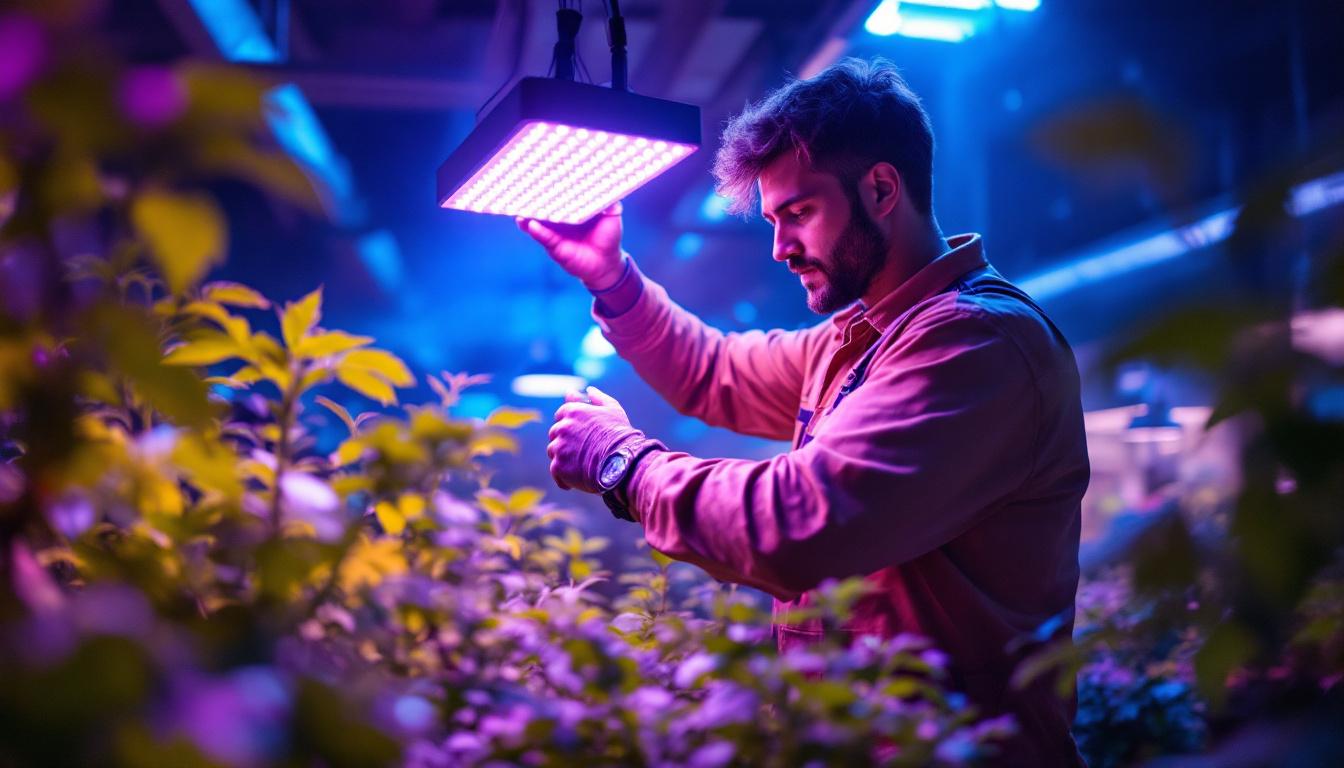
Grow lights have transformed horticulture, indoor gardening, and commercial agriculture. For lighting contractors, this sector offers lucrative opportunities—but only if approached with the right knowledge. The market is flooded with options, from traditional HID (High-Intensity Discharge) lamps to cutting-edge LEDs, each with distinct advantages and challenges.
Before diving into deals and procurement, it’s essential to grasp the core needs of your clients. Are they commercial growers requiring high-output solutions for large-scale operations? Or are they hobbyists seeking energy-efficient, user-friendly setups? Understanding these nuances will help tailor your recommendations and build trust.
Energy efficiency is a top priority. LED grow lights, for instance, consume up to 50% less energy than traditional HPS (High-Pressure Sodium) lamps while providing precise light spectrums tailored to plant growth stages. This efficiency translates into lower operational costs—a compelling selling point for clients.
Moreover, the versatility of LED technology allows for adjustable light spectrums, which can be customized to suit different types of plants at various growth phases. For example, seedlings may thrive under a blue light spectrum, while flowering plants often require a red spectrum to promote blooming. This adaptability not only enhances plant health and yield but also positions lighting contractors as knowledgeable partners in their clients’ success. Understanding the science behind light wavelengths and their impact on photosynthesis can significantly elevate the quality of service provided.
Additionally, the grow light market is witnessing a surge in smart technology integration. Many modern grow lights now come equipped with timers, dimmers, and even app connectivity, allowing users to monitor and control their lighting systems remotely. This trend towards automation not only simplifies the growing process for clients but also opens up new avenues for contractors to offer value-added services, such as installation and ongoing support for smart systems. Staying informed about these advancements will not only enhance your credibility but also ensure that you remain competitive in a rapidly evolving market.
Choosing the Right Grow Lights: Factors That Matter
Light Spectrum and Plant Growth Stages
Plants respond differently to various light spectra. Blue light promotes vegetative growth, while red light encourages flowering and fruiting. Modern LED grow lights allow contractors to customize the spectrum, optimizing plant health and yield. When advising clients, emphasize the importance of spectrum flexibility, especially for growers cultivating multiple plant varieties. Additionally, some advanced systems even offer the ability to adjust the light spectrum throughout the day, mimicking natural sunlight patterns. This dynamic approach can lead to improved photosynthesis rates and overall plant vigor, making it a valuable feature for serious growers.
Power Consumption and Heat Output
Lighting contractors must balance power consumption with heat management. Traditional HID lamps generate significant heat, necessitating robust ventilation systems. LEDs, on the other hand, run cooler, reducing HVAC demands. This difference impacts installation complexity and operational costs, making LEDs an attractive option for many clients. Moreover, the energy efficiency of LEDs not only translates to lower electricity bills but also supports sustainable growing practices. Clients can reduce their carbon footprint while still achieving high yields, which is increasingly important in today’s environmentally-conscious market. Highlighting these benefits can help clients see the long-term value of investing in energy-efficient lighting solutions.
Durability and Lifespan
Grow lights are an investment. Contractors should prioritize products with long lifespans and warranties. LEDs typically last 25,000 to 50,000 hours, far exceeding HID lamps. This longevity reduces maintenance frequency and replacement costs, enhancing client satisfaction. Furthermore, the robust construction of many LED models can withstand the rigors of indoor gardening environments, including humidity and temperature fluctuations. This durability not only ensures consistent performance but also instills confidence in clients that their lighting systems will serve them well over time. Offering clients a thorough understanding of the benefits of durable lighting can help them make informed decisions that align with their long-term growing goals.
Where to Find the Best Grow Light Deals
Establishing Relationships with Reputable Suppliers
Reliable suppliers are the backbone of successful grow light procurement. Lighting contractors should seek out manufacturers and distributors known for quality and customer support. Building strong relationships can unlock volume discounts, early access to new products, and flexible payment terms. Furthermore, engaging with suppliers through industry events or trade shows can foster a deeper understanding of their product lines and innovations. Networking with other professionals in the field can also provide valuable insights into which suppliers are most reliable, helping contractors make informed decisions that can lead to long-term partnerships.
Leveraging Bulk Purchases and Seasonal Sales
Buying in bulk often yields significant savings. Contractors managing multiple projects can negotiate better pricing by consolidating orders. Additionally, keep an eye on seasonal sales or trade show promotions. Many suppliers offer discounts during industry events or end-of-year clearances, perfect for stocking up on essentials. It’s also wise to subscribe to newsletters or follow suppliers on social media to stay updated on flash sales or limited-time offers. Some suppliers even provide loyalty programs that reward frequent buyers with exclusive deals, further enhancing the cost-effectiveness of bulk purchasing strategies.
Evaluating Online Marketplaces and Direct Sales
Online platforms can provide competitive pricing but require due diligence. Verify seller credentials, read customer reviews, and confirm warranty policies. Direct purchases from manufacturers may offer better customization options and technical support, an advantage for complex installations. Additionally, many online marketplaces feature user-generated content, such as installation videos and product comparisons, which can be invaluable for contractors looking to make informed choices. Engaging with customer service representatives can also clarify any uncertainties about product specifications, ensuring that the chosen grow lights meet the specific needs of each project.
Installation Tips to Maximize Grow Light Efficiency
Optimal Placement and Coverage
Proper installation is critical. Lights placed too close can cause plant stress or burn, while those too far reduce effectiveness. Contractors should calculate the ideal hanging height based on light intensity and crop type. Uniform coverage ensures consistent growth and maximizes yield. Additionally, understanding the specific light requirements of different plants is essential; for instance, leafy greens may thrive under lower light intensities, while fruiting plants often require higher levels. Utilizing light meters can help gauge the intensity at various heights and distances, ensuring that every plant receives the appropriate amount of light for optimal photosynthesis.
Integrating Controls and Automation
Modern grow light systems often include dimmers, timers, and smart controls. These features allow growers to simulate natural light cycles and adjust intensity as plants develop. Contractors who can integrate these technologies add value and differentiate their services. Moreover, the use of sensors that monitor environmental conditions such as temperature and humidity can further enhance the automation process. By linking these sensors to the grow lights, growers can create a responsive system that adjusts lighting based on real-time data, ensuring that plants receive the ideal conditions for growth throughout their life cycle. This level of integration not only promotes healthier plants but can also lead to significant energy savings over time.
Ensuring Electrical Safety and Compliance
Grow light installations must comply with local electrical codes and safety standards. Proper grounding, circuit protection, and moisture-resistant fixtures are essential. Lighting contractors should conduct thorough inspections and provide clients with documentation to avoid future liabilities. Additionally, it’s crucial to consider the load capacity of existing circuits, as grow lights can draw significant power. Educating clients on the importance of using dedicated circuits for high-wattage lights can prevent overloads and potential hazards. Regular maintenance checks and updates to the electrical system can also ensure long-term safety and efficiency, helping to foster a reliable growing environment.
Common Challenges and How to Overcome Them
Managing Heat and Ventilation
Even with efficient LEDs, heat buildup can occur in enclosed grow rooms. Contractors should advise clients on ventilation solutions, including exhaust fans and air circulation systems. Coordinating lighting and HVAC installations ensures a balanced environment. Additionally, implementing temperature monitoring systems can provide real-time data, allowing for timely adjustments to maintain optimal growing conditions. Utilizing thermal insulation materials can also help in reducing heat transfer, thereby enhancing energy efficiency and keeping the internal environment stable. By integrating these strategies, contractors can create a more sustainable and productive growing space that minimizes stress on plants.
Addressing Client Budget Constraints
Grow light systems vary widely in cost. Contractors can offer tiered solutions, balancing upfront expenses with long-term savings. Educating clients on return on investment helps justify higher-quality products that reduce energy bills and maintenance. Furthermore, providing financing options or leasing agreements can make advanced systems more accessible to clients with tighter budgets. It’s also beneficial to highlight the potential for increased yield and improved plant health that come with investing in superior technology. By illustrating the long-term benefits and potential profit margins, contractors can help clients see the value in choosing quality over short-term savings.
Keeping Up with Technological Advances
The grow light industry evolves rapidly. Staying informed about emerging technologies, such as full-spectrum LEDs and wireless control systems, allows contractors to provide cutting-edge solutions. Regular training and industry networking are crucial. Participating in trade shows and workshops can expose contractors to the latest innovations and best practices in the field. Additionally, subscribing to industry publications and online forums can keep them updated on trends and consumer preferences. By fostering relationships with manufacturers and technology developers, contractors can gain insights into upcoming products and features, ensuring they remain competitive and knowledgeable in an ever-changing market.
Final Thoughts: Building Expertise and Client Trust
Lighting contractors who master grow light deals position themselves as indispensable partners in the horticulture industry. Success comes from understanding plant needs, sourcing quality products at competitive prices, and executing precise installations. By combining technical knowledge with strong supplier relationships, contractors can deliver exceptional value and grow their business sustainably.
Every project is an opportunity to refine expertise and expand networks. Embrace the complexity of grow light systems, and clients will recognize the professionalism and insight you bring to their cultivation goals.
Illuminate Your Projects with LumenWholesale
Ready to elevate your lighting game and become the go-to expert for grow light installations? At LumenWholesale, we’re here to support your journey with premium, spec-grade lighting products at unbeatable wholesale prices. Say goodbye to middleman markups and hello to a vast selection of industry-standard, reliable lighting solutions. With free shipping on bulk orders, we ensure you get the best value without any hidden costs. Make your next project shine and experience the best in wholesale lighting with LumenWholesale.