Understanding the Physical Characteristics of LED Bulbs
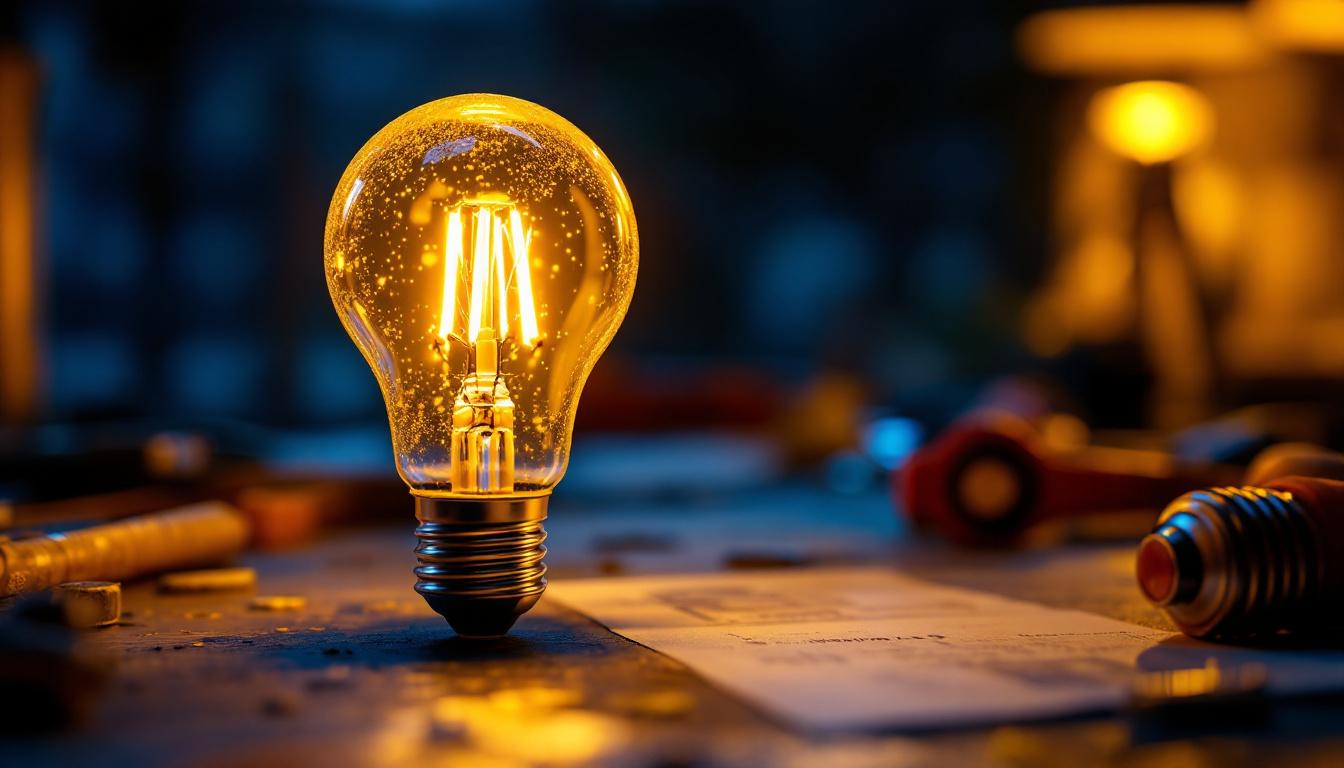
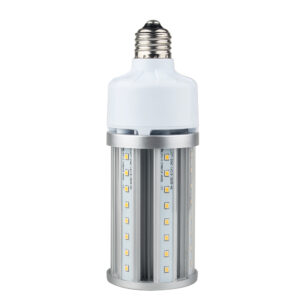
When you pick up an LED bulb, it might look familiar at first glance—often shaped like a traditional incandescent bulb with a rounded glass or plastic cover and a screw-in base. However, the design details reveal a world of difference. LED bulbs typically feature a cluster of tiny light-emitting diodes arranged on a circuit board inside the bulb housing. This setup is often encased in a heat sink, usually made of aluminum or ceramic, which helps dissipate heat efficiently. The heat sink is essential because, unlike incandescent bulbs that radiate heat outward, LEDs generate heat at the base, necessitating effective thermal management to prolong their lifespan.
The size and shape of LED bulbs vary widely depending on their intended use. Some resemble classic A19 bulbs, while others come in tubular, candle, or spotlight forms. The outer shell is frequently made from durable polycarbonate or frosted glass to diffuse light evenly and protect the internal components. Unlike traditional bulbs, LEDs do not have a filament, which allows for more compact and versatile designs. Additionally, many LED bulbs are designed with optics that enhance light distribution, providing a more uniform illumination that can be tailored to specific applications, whether for ambient lighting in a living room or focused lighting in a workspace.
For lighting contractors, recognizing these physical traits is crucial. It helps in selecting the right bulb for specific fixtures and understanding installation constraints. The lightweight nature of LED bulbs also makes handling and fitting easier, especially in complex or overhead installations. Moreover, the energy efficiency of LED technology means that these bulbs produce more lumens per watt compared to their incandescent counterparts, making them a preferred choice for both residential and commercial applications. As energy costs continue to rise, the long-term savings associated with LED usage can be a significant selling point for clients looking to reduce their utility bills.
Furthermore, the advancements in LED technology have led to the development of smart LED bulbs that can be controlled remotely via smartphones or smart home systems. These bulbs often come with features such as dimming capabilities, color temperature adjustments, and programmable schedules, allowing users to create customized lighting environments that suit their mood or activity. This integration of technology not only enhances the user experience but also opens up new avenues for energy management and efficiency in modern lighting solutions.
How LED Bulbs Function and Why Their Design Matters
LED bulbs generate light through electroluminescence, where an electric current passes through semiconductor material, emitting photons. This process is fundamentally different from the heating of a filament in incandescent bulbs or the gas excitation in fluorescents. Because LEDs produce light without generating excessive heat, their design incorporates heat sinks to manage the minimal heat generated, extending bulb lifespan and maintaining performance. The efficiency of this process not only translates to lower energy consumption but also minimizes the environmental impact, making LEDs a more sustainable choice compared to traditional lighting options.
The compact size of LEDs allows for innovative designs that traditional bulbs cannot match. For instance, LED arrays can be arranged to produce directional light, reducing wasted illumination and improving efficiency. This directional nature means less light is lost inside fixtures, which is a significant consideration when retrofitting existing lighting systems. Moreover, the ability to create various color temperatures and intensities with LEDs opens up new possibilities for mood and ambiance in residential and commercial spaces alike, allowing designers to tailor lighting to specific needs and preferences.
For contractors, understanding how LED design influences light output and heat management ensures better project outcomes. It allows for informed recommendations on bulb selection based on fixture type, desired lighting effect, and energy efficiency goals. Additionally, the longevity of LED bulbs—often lasting up to 25,000 hours or more—means less frequent replacements, which can significantly reduce maintenance costs over time. This durability is particularly advantageous in commercial settings, where lighting is crucial for both functionality and aesthetics. Furthermore, the integration of smart technology with LED lighting systems is becoming increasingly prevalent, enabling features such as dimming, color changing, and remote control, which further enhance the versatility and appeal of LED solutions in modern design.
Cost-Saving Benefits of LED Bulbs for Lighting Contractors
Lower Energy Consumption
One of the most compelling reasons to choose LED bulbs is their energy efficiency. LEDs consume up to 80% less electricity compared to incandescent bulbs and about 50% less than compact fluorescents. For contractors working on commercial or residential projects, this translates directly into lower utility bills for clients and a strong selling point when proposing lighting upgrades.
Energy savings also mean reduced load on electrical infrastructure, which can simplify project specifications and potentially lower installation costs. For large-scale projects, these savings accumulate quickly, making LEDs an economically sound choice. Furthermore, as energy prices continue to rise, the long-term cost benefits of LED lighting become even more pronounced, allowing contractors to position themselves as forward-thinking professionals who prioritize sustainability and cost-effectiveness in their projects.
Longer Lifespan and Reduced Maintenance
LED bulbs can last 25,000 to 50,000 hours or more, significantly outlasting traditional bulbs. This longevity reduces the frequency of replacements, which is especially beneficial in hard-to-reach or high-ceiling installations. For contractors, fewer service calls and maintenance visits mean lower long-term operational costs and improved client satisfaction.
Additionally, the durability of LED bulbs—they are less prone to breakage due to their solid-state construction—further reduces replacement frequency and associated labor costs. This reliability is a key factor when advising clients on lighting solutions that minimize disruption and ongoing expenses. Moreover, the consistent performance of LED lighting over time ensures that clients enjoy stable illumination levels without the flickering or dimming that can occur with older technologies, enhancing the overall ambiance of the spaces they illuminate.
Rebates and Incentives
Many utility companies and government programs offer rebates or incentives for installing energy-efficient LED lighting. Contractors who stay informed about these programs can pass savings onto clients or enhance project profitability by incorporating eligible LED products. This financial advantage can make LED upgrades more attractive and competitive in bids.
In addition to rebates, some regions are implementing energy efficiency programs that provide additional funding for contractors who prioritize sustainable practices. By leveraging these incentives, contractors can not only improve their bottom line but also contribute to broader environmental goals, such as reducing carbon footprints and promoting energy conservation. This proactive approach can enhance a contractor’s reputation in the community, positioning them as leaders in the transition to more sustainable building practices.
Installation and Compatibility Considerations
LED bulbs often require compatible fixtures or drivers, especially for specialized applications like dimming or color temperature control. Lighting contractors must assess existing infrastructure to ensure seamless integration. While many LED bulbs are designed as direct replacements for incandescent or fluorescent bulbs, some installations may need additional components such as LED drivers or compatible dimmer switches.
Understanding these technical requirements upfront prevents costly mistakes and ensures optimal performance. Proper installation also maximizes energy savings and bulb lifespan, reinforcing the value proposition to clients.
Moreover, it is essential to consider the specific wattage and voltage ratings of both the LED bulbs and the existing fixtures. For instance, using a bulb with a higher wattage than the fixture can lead to overheating and potential damage. Additionally, the compatibility of the bulb’s base type with the fixture socket must be verified; common base types include E26, E27, and GU10, each serving different applications. Furthermore, the choice of color temperature—ranging from warm white to cool daylight—can significantly influence the ambiance of a space, making it crucial for contractors to discuss these options with clients to achieve the desired aesthetic and functionality.
Another aspect to consider is the potential for future upgrades or changes in lighting technology. As LED technology continues to evolve, newer bulbs may offer enhanced features such as smart connectivity, allowing for remote control and automation. Contractors should stay informed about these advancements to provide clients with options that not only meet current needs but also anticipate future trends. This proactive approach not only enhances customer satisfaction but also positions contractors as knowledgeable experts in the rapidly changing landscape of lighting solutions.
Visual Appeal and Client Satisfaction
LED technology offers a wide range of color temperatures and brightness levels, allowing contractors to tailor lighting solutions to client needs. From warm, inviting hues for residential spaces to bright, daylight-like illumination for commercial environments, LEDs provide flexibility that enhances ambiance and functionality.
The consistent light quality and instant-on performance of LEDs improve user experience compared to older lighting technologies. Clients appreciate the immediate and reliable illumination, which can be a decisive factor in choosing LED upgrades.
Conclusion: Why Lighting Contractors Should Embrace LED Bulbs
Recognizing what an LED bulb looks like and understanding its design and functionality is more than just technical knowledge-it’s a gateway to smarter, cost-effective lighting solutions. The energy savings, reduced maintenance, and growing market incentives make LEDs a strategic choice for contractors aiming to deliver value and quality.
By mastering the nuances of LED technology, lighting contractors can confidently guide clients through transitions to more efficient lighting systems, enhancing project outcomes and fostering long-term relationships. The future of lighting is bright, and LEDs are at the forefront, offering practical advantages that benefit both contractors and their clients.
Illuminate Your Projects with LumenWholesale
Ready to harness the power of LED technology and elevate your lighting projects? Look no further than LumenWholesale for all your lighting needs. We provide contractors with the highest quality, spec-grade LED bulbs at unbeatable wholesale prices, ensuring you get the best value for your investment. With our direct-to-consumer approach, you can say goodbye to inflated markups and hello to superior lighting products that meet the highest industry standards. Plus, with free shipping on bulk orders, you can stock up on premium lighting solutions without worrying about hidden fees. Don’t compromise on quality or price. Choose LumenWholesale for a seamless blend of quality, affordability, and convenience. Make the smart choice and explore our collection of Wholesale Lighting at the Best Value today.