Understanding the Role of Switched Electrical Sockets in Lighting Installations
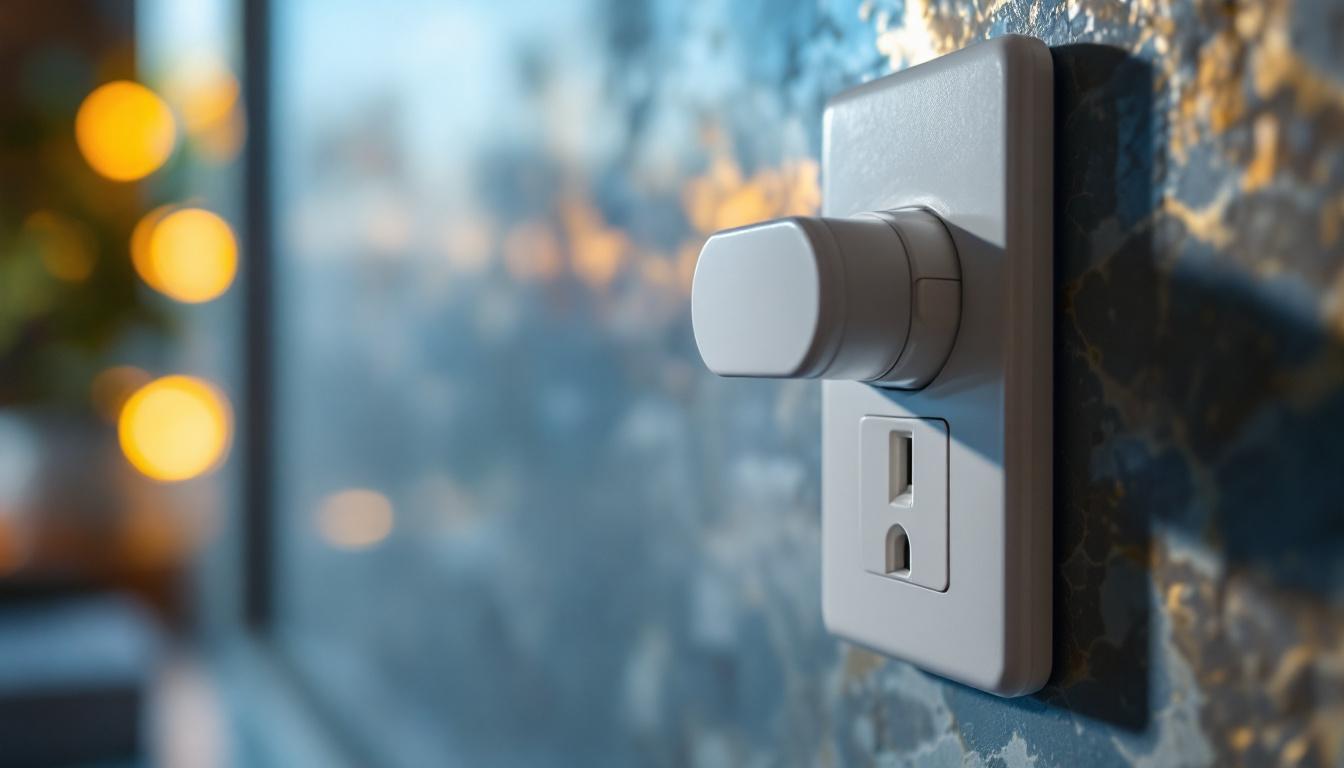
Switched electrical sockets are more than just a convenience feature; they play a crucial role in the safety and functionality of lighting systems. For lighting contractors, knowing when and how to install sockets with integrated switches can streamline operations and enhance user control. These sockets allow users to cut power to connected devices without unplugging them, reducing wear on plugs and improving energy management.
In lighting setups, switched sockets can control lamps, LED strips, or other lighting accessories directly. This eliminates the need for separate wall switches or remote controls, simplifying the wiring and user interface. However, the benefits come with responsibilities—ensuring that installations meet electrical codes and safety standards is non-negotiable.
Moreover, the versatility of switched electrical sockets extends beyond mere convenience. They can be strategically placed in various locations, allowing for tailored lighting solutions that cater to specific needs. For instance, in a home theater setup, having switched sockets near seating areas can enhance the user experience by allowing for easy control of ambient lighting without disrupting the viewing experience. Additionally, these sockets can be integrated into smart home systems, enabling users to control their lighting through mobile apps or voice commands, thus adding another layer of functionality and modern convenience.
Furthermore, the aesthetic aspect of switched sockets should not be overlooked. With a variety of designs and finishes available, they can complement the overall decor of a space while providing practical benefits. Choosing the right style can enhance the visual appeal of a room, making it not only functional but also inviting. As lighting technology continues to evolve, incorporating switched sockets into new installations or renovations can future-proof a space, ensuring it remains adaptable to the latest innovations in lighting design and energy efficiency.
Compliance Essentials: Regulations and Standards for Switched Sockets
Key Electrical Regulations to Follow
Electrical socket installations must comply with national wiring regulations, such as the IET Wiring Regulations (BS 7671) in the UK or the NEC in the US. These standards dictate the requirements for socket placement, circuit protection, and switch integration. For lighting contractors, the critical takeaway is that any socket with a switch must be installed on a circuit designed to handle the load and must include appropriate protective devices like RCDs (Residual Current Devices). Failure to adhere to these regulations can result in costly rework and potential legal ramifications, making it imperative for contractors to stay informed about the latest updates in electrical codes.
Compliance ensures not only legal adherence but also the safety of end-users. Incorrect installation can lead to electrical faults, fire hazards, or equipment damage. It’s essential to verify that the switched socket is rated for the intended load and that the switch mechanism is robust enough for frequent operation. Additionally, contractors should consider the environmental factors that may affect the installation, such as humidity levels and exposure to dust or corrosive elements, which can impact the longevity and reliability of the socket. Proper planning and consideration of these factors can significantly enhance the performance and safety of electrical installations.
Testing and Certification Requirements
Before installation, lighting contractors should confirm that the switched sockets come with proper certification, such as CE marking or UL listing. These certifications indicate that the products have undergone rigorous testing for electrical safety, durability, and performance. Using certified components reduces liability and enhances client trust. Moreover, it is advisable for contractors to source materials from reputable suppliers who provide transparent documentation of compliance, as this can simplify the verification process during inspections.
Post-installation, testing is equally important. Conducting insulation resistance tests, polarity checks, and functional tests on the switch and socket ensures everything operates as intended. Documentation of these tests is often required for compliance verification and future maintenance. Furthermore, regular inspections and maintenance checks should be scheduled to ensure ongoing compliance and safety. This proactive approach not only helps in identifying potential issues before they escalate but also reinforces the contractor’s commitment to quality and safety, fostering long-term relationships with clients who value reliability in their electrical systems.
Installation Best Practices for Lighting Contractors
Choosing the Right Socket and Switch Combination
Not all switched sockets are created equal. Lighting contractors should select sockets that match the specific requirements of the lighting project. For example, in damp or outdoor environments, weatherproof switched sockets with appropriate IP ratings are necessary to prevent moisture ingress and electrical hazards. These sockets are designed to withstand harsh conditions and are often made from durable materials that resist corrosion, ensuring longevity and safety in exposed locations.
Additionally, consider the amperage and voltage ratings. A switched socket intended for low-power LED lighting will differ from one designed to handle high-wattage halogen lamps. Selecting the correct type avoids overheating and premature failure. It’s also important to be aware of the compatibility between the socket and the light fixtures being used. Some modern lighting systems utilize smart technology, which may require specific types of sockets or switches that can handle both the electrical load and the communication signals necessary for smart features.
Wiring and Positioning Considerations
Correct wiring is fundamental. The switch within the socket must be wired to interrupt the live conductor only, ensuring that the neutral conductor remains continuous. This practice prevents potential electric shock risks when the socket is switched off but still connected to the neutral line. Furthermore, using color-coded wiring can help ensure that installations are both safe and compliant with local electrical codes, making it easier for future maintenance or upgrades.
Positioning the switched socket in accessible locations enhances user convenience. For lighting contractors, this means anticipating how end-users will interact with the lighting system and placing sockets where switches can be easily reached without disrupting the aesthetic or functionality of the space. Consideration should also be given to the height at which sockets are installed; for instance, in residential settings, switches are typically mounted at a height that is comfortable for adults, while in commercial spaces, they may need to be adjusted for accessibility compliance. Additionally, integrating dimmer switches or smart controls can provide users with greater flexibility and control over their lighting experience, allowing for customization based on the time of day or specific activities.
Common Challenges and How to Overcome Them
Dealing with Load Compatibility Issues
One frequent challenge is ensuring the switched socket can handle the load of connected lighting devices. Overloading can cause switches to fail prematurely or create fire risks. Lighting contractors should calculate the total wattage of connected devices and select sockets with a margin above that load.
When dealing with LED lighting, special attention is necessary. Some LEDs have electronic drivers that may cause flickering or incompatibility with certain switch types. Using sockets with switches designed for LED compatibility or incorporating additional components like dimmers or LED drivers can resolve these issues. Moreover, it’s essential to stay updated on the latest advancements in LED technology, as newer models often come with improved efficiency and compatibility features. This not only enhances performance but also extends the lifespan of both the lighting and the switches.
Maintaining Aesthetic and Functional Balance
Lighting contractors often face the challenge of integrating switched sockets without compromising the design intent. Modern sockets come in various styles and finishes, allowing for seamless integration with different décor themes. Selecting the right design can enhance the overall look while maintaining functionality. For instance, minimalist designs can complement contemporary interiors, while vintage-inspired sockets can add character to traditional spaces.
Functionally, ensuring that switched sockets do not interfere with other control systems, such as smart lighting or automation, is crucial. Coordinating with electrical engineers or system integrators can help maintain system harmony and avoid conflicts. Additionally, considering the placement of these sockets is vital; they should be accessible yet unobtrusive, allowing for ease of use without detracting from the room’s aesthetic appeal. Incorporating features like touch-sensitive controls or remote access can further enhance user experience, making it easier to manage lighting in a way that aligns with the homeowner’s lifestyle and preferences.
Future-Proofing Installations with Switched Sockets
As lighting technology evolves, so do the requirements for electrical sockets. Lighting contractors should anticipate future needs by installing switched sockets that support smart home integration or modular upgrades. Some switched sockets now come with built-in communication capabilities, allowing remote control or energy monitoring. This means homeowners can easily adjust lighting settings from their smartphones or integrate them into broader home automation systems, enhancing convenience and energy efficiency.
Planning for adaptability can save time and costs in the long run. For example, installing switched sockets compatible with both traditional and smart lighting devices ensures that clients can upgrade their systems without rewiring. Additionally, the versatility of these sockets allows for seamless integration with various lighting technologies, from LED to incandescent, catering to diverse client preferences and future trends in energy-efficient lighting.
Moreover, the rise of the Internet of Things (IoT) has made it increasingly important for installations to be prepared for the next wave of technological advancements. Switched sockets equipped with Wi-Fi or Bluetooth capabilities can facilitate communication between devices, enabling features like automated lighting schedules or energy usage reports. This not only empowers homeowners to make informed decisions about their energy consumption but also aligns with growing sustainability goals.
Furthermore, as energy regulations become more stringent, the ability to monitor and control energy usage through switched sockets can help clients comply with local codes and standards. By investing in these advanced installations now, contractors can position themselves as forward-thinking professionals who prioritize both innovation and client satisfaction, ultimately leading to stronger relationships and repeat business.
Summary: What Lighting Contractors Must Remember
Switched electrical sockets are a vital component in lighting installations, offering convenience, safety, and control. Compliance with electrical regulations and standards is mandatory, requiring careful product selection, proper installation, and thorough testing.
Lighting contractors should focus on load compatibility, environmental suitability, and user accessibility when choosing and installing switched sockets. Addressing common challenges proactively and considering future technology trends will enhance the quality and longevity of lighting projects.
Ultimately, mastering the nuances of electrical sockets with switches positions lighting contractors as trusted professionals capable of delivering safe, efficient, and user-friendly lighting solutions.
Get Your Switched Sockets at LumenWholesale
Ready to elevate your lighting installations with the highest quality switched electrical sockets? Look no further than LumenWholesale, where we specialize in providing contractors with spec-grade lighting products at unbeatable wholesale prices. Say goodbye to inflated markups and hello to superior lighting solutions that meet the most rigorous industry standards. With our hassle-free bulk buying and free shipping, you can ensure your projects shine with reliability and performance, all while keeping costs down. Don’t compromise on quality or value—explore our selection now and join the ranks of satisfied professionals who trust LumenWholesale for their lighting needs.