Understanding the Spectrum: Not All UV Lights Are Created Equal
Ultraviolet (UV) light spans a range of wavelengths, and knowing the differences can make or break a project. Many lighting contractors jump into purchasing UV lights without fully grasping the distinctions between UVA, UVB, and UVC. This oversight can lead to improper applications, wasted budgets, or even safety hazards.
UVA (315-400 nm) is the least harmful and is often used in curing adhesives or for aesthetic lighting effects. UVB (280-315 nm) has more energy and is used in medical therapies or for controlled germicidal purposes. UVC (100-280 nm), the most energetic, is primarily employed for disinfection and sterilization. However, UVC is also the most dangerous to human skin and eyes, so safety protocols are paramount.
Before purchasing, contractors should determine the exact UV wavelength required for the intended application. For example, a hospital’s sterilization system demands UVC lamps with specific intensity and wavelength ranges, while a museum might require UVA for artifact preservation without causing damage.
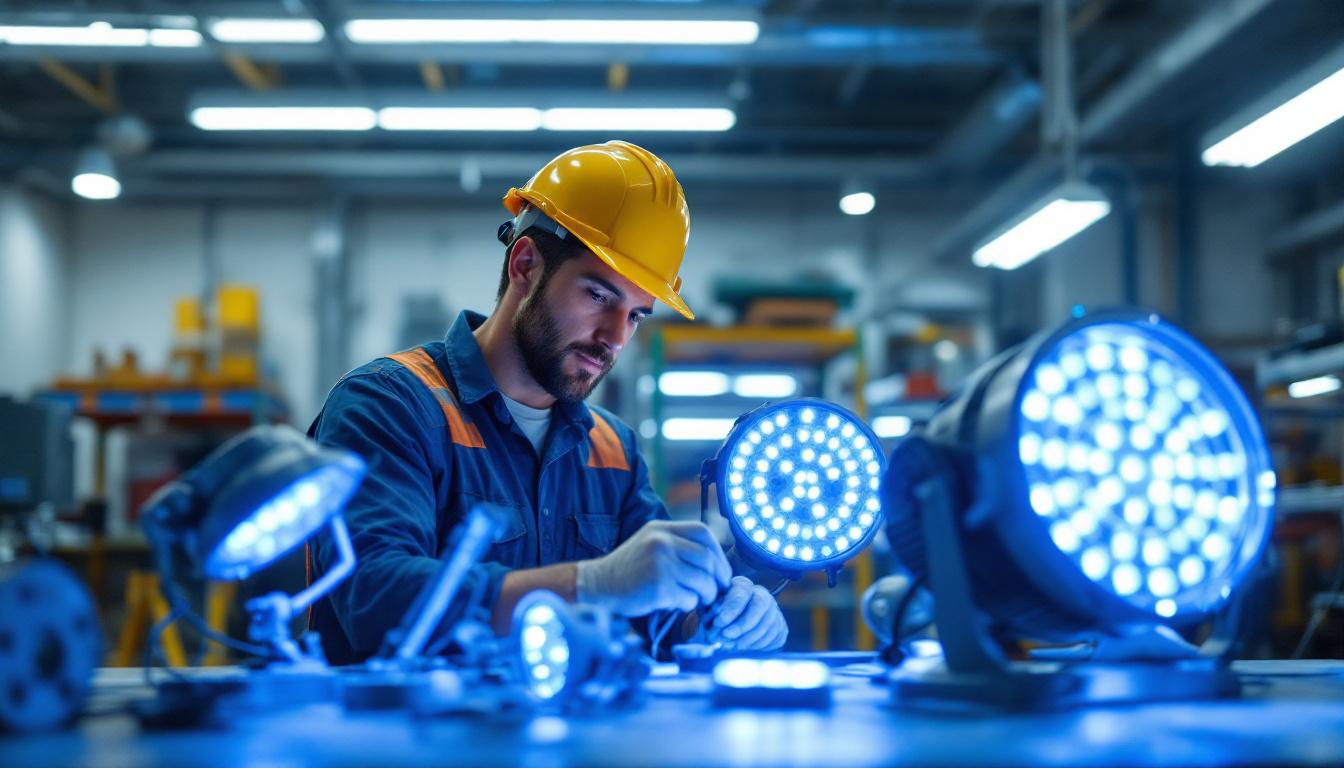
In addition to understanding the different types of UV light, it’s crucial for contractors to be aware of the technologies available in the market. For instance, LED UV lights have gained popularity due to their energy efficiency and long lifespan compared to traditional mercury vapor lamps. These modern lights not only reduce energy costs but also minimize heat output, making them safer for prolonged use in sensitive environments. Furthermore, advancements in UV technology have led to the development of hybrid systems that can switch between UVA, UVB, and UVC, providing versatility for various applications, from industrial settings to residential use.
Moreover, the effectiveness of UV light can be influenced by several factors, including distance from the target surface, exposure time, and the presence of obstacles that may block the light. For instance, in water treatment facilities, the clarity of the water can significantly impact the efficiency of UVC disinfection. Contractors must consider these variables when designing systems to ensure optimal performance. Additionally, ongoing research into UV light’s effects on microorganisms continues to evolve, leading to new applications and improved safety measures, further emphasizing the need for contractors to stay informed about the latest developments in UV technology.
Hidden Costs: Beyond the Initial Purchase Price
Price tags on UV lighting products can be deceiving. A low-cost UV lamp might seem like a bargain, but the total cost of ownership often tells a different story. Replacement bulbs, maintenance, power consumption, and disposal fees add up quickly.
UV lamps, especially mercury vapor or low-pressure lamps, have a limited lifespan. Contractors frequently overlook the cost and availability of replacement bulbs. Some specialized UV bulbs can be expensive and have long lead times, causing project delays.
Energy efficiency is another factor. Some UV lamps consume significantly more power than others for the same output. Over months or years, this can inflate operational costs. Additionally, certain UV lamps require specialized ballasts or drivers, which may not be compatible with existing electrical systems, leading to additional retrofit expenses.
Moreover, the environmental impact of UV lamps is an often-neglected aspect of their total cost. Many UV lamps contain hazardous materials, such as mercury, which necessitates careful disposal to comply with environmental regulations. This can incur additional costs for proper disposal services, which may not be factored into the initial purchase price. Furthermore, improper disposal can lead to hefty fines and environmental damage, adding to the long-term financial burden.
Maintenance costs can also escalate if the UV system is not regularly serviced. Dust and grime can accumulate on the lamps, reducing their efficiency and effectiveness. This can lead to more frequent replacements and higher energy bills as the lamps struggle to maintain their output. Regular cleaning and maintenance schedules are essential, but they require time and labor, which can further increase operational costs. Understanding these hidden expenses is crucial for anyone considering the long-term investment in UV lighting solutions.
Safety Considerations: Protecting Workers and End Users
UV light, particularly UVC, poses serious health risks if not handled correctly. Contractors often underestimate the importance of safety measures when installing or maintaining UV systems.
Exposure to UVC can cause skin burns and eye injuries, sometimes without immediate symptoms. Proper shielding, warning signs, and personal protective equipment (PPE) are essential. It’s critical to ensure that UV lamps are installed in locations inaccessible to unauthorized personnel or are equipped with motion sensors that deactivate the light when someone enters the area.
Another overlooked aspect is ozone generation. Some UVC lamps produce ozone, which can be harmful if inhaled in high concentrations. Ventilation and ozone monitoring systems should be considered during design and installation.
In addition to these immediate safety concerns, it is also vital to provide comprehensive training for all personnel involved in the installation and maintenance of UV systems. This training should cover not only the operational aspects of the equipment but also the potential hazards associated with UV exposure and ozone production. Regular safety drills and refreshers can help ensure that workers remain vigilant and aware of the risks, fostering a culture of safety that extends beyond compliance to genuine concern for health and well-being.
Furthermore, the importance of regular maintenance cannot be overstated. UV systems should be inspected routinely to ensure that protective measures, such as shielding and ventilation systems, are functioning correctly. Any signs of wear or damage should be addressed immediately to prevent accidents. Keeping detailed logs of maintenance activities can also help identify patterns that may indicate a need for improved safety protocols or equipment upgrades, thereby enhancing the overall safety of the work environment.
Compatibility and Integration Challenges
UV lighting systems rarely operate in isolation. They often need to integrate with existing lighting controls, building management systems (BMS), or HVAC setups. Contractors sometimes neglect to verify compatibility, resulting in system malfunctions or inefficiencies.
For instance, integrating UV sterilization lamps into HVAC ducts requires coordination with airflow controls and sensors to optimize disinfection without compromising air quality or energy use. Failure to synchronize these systems can reduce effectiveness or cause equipment damage.
Additionally, some UV lamps emit visible light or heat that can interfere with other lighting or climate control systems. Understanding these interactions beforehand helps avoid costly rework.
Moreover, the integration of UV lighting systems often necessitates a thorough understanding of the specific requirements of different environments. For example, healthcare facilities may have stricter guidelines regarding UV exposure levels and air quality standards compared to commercial spaces. This variance means that contractors must not only be aware of the technical specifications of the UV systems but also the regulatory frameworks that govern their use. Such diligence can help ensure compliance and enhance the overall safety and efficacy of the installation.
Furthermore, the evolving technology landscape presents additional challenges. As manufacturers introduce new UV technologies, such as LED-based systems that offer longer lifespans and lower energy consumption, contractors must stay informed about these advancements. This knowledge is crucial for making informed decisions about upgrades or replacements in existing systems. Failing to keep pace with technological developments can lead to missed opportunities for efficiency improvements and cost savings, ultimately impacting the long-term viability of the building’s environmental controls.
Regulatory Compliance and Certification
UV lighting is subject to various regulations and standards, depending on the application and jurisdiction. Contractors often overlook these requirements, risking penalties or failed inspections.
For example, germicidal UV devices used in healthcare or public spaces must comply with safety standards such as those from the Illuminating Engineering Society (IES) or the American National Standards Institute (ANSI). Certain applications may also require FDA approval or adherence to Environmental Protection Agency (EPA) guidelines.
Documentation and certification from manufacturers are crucial. Lighting contractors should request detailed product specifications, test reports, and compliance certificates to ensure the UV equipment meets all applicable regulations.
Environmental Impact and Disposal
UV lamps, especially those containing mercury, pose environmental challenges. Contractors often overlook proper disposal methods, which can lead to contamination and legal issues.
Mercury-based UV lamps must be recycled or disposed of following hazardous waste protocols. Some manufacturers offer take-back programs, but not all contractors are aware of these options. Improper disposal can result in hefty fines and environmental damage.
Emerging alternatives like LED UV lamps reduce environmental risks and energy consumption but come with their own set of considerations, such as upfront cost and performance variations. Evaluating these trade-offs is essential when recommending UV lighting solutions.
Training and Technical Support: An Afterthought That Costs
Installing UV lighting systems is not always straightforward. Many contractors underestimate the need for specialized training and ongoing technical support. This can lead to improper installations, reduced system lifespan, or ineffective performance.
Manufacturers often provide training resources or certification programs. Taking advantage of these can improve installation quality and client satisfaction. Furthermore, access to responsive technical support can save time and money when troubleshooting issues.
Contractors should also educate end users on safe operation and maintenance, ensuring the longevity and effectiveness of the UV lighting system.
Conclusion: Making Informed UV Lighting Purchases
Ultraviolet lighting offers powerful solutions for disinfection, curing, and specialized illumination. However, the nuances of UV technology require careful consideration beyond the initial purchase price.
Lighting contractors who thoroughly evaluate wavelength requirements, total costs, safety protocols, compatibility, regulatory compliance, environmental impact, and training needs position themselves as trusted experts. This approach not only safeguards health and the environment but also enhances project success and client trust.
Taking the time to delve into these often-overlooked factors ensures that UV lighting installations deliver maximum value and performance for years to come.
Get Your UV Lighting Solutions from LumenWholesale
Ready to ensure your UV lighting purchases are up to the task? At LumenWholesale, we provide lighting contractors with the highest quality UV lighting products at unbeatable wholesale prices. Our spec-grade selection is designed to meet rigorous industry standards, so you can trust in the performance and reliability of every product. With free shipping on bulk orders, you can stock up on superior lighting solutions without worrying about hidden costs. Don’t compromise on quality or value—choose LumenWholesale for all your lighting needs. Wholesale Lighting at the Best Value.