Understanding the Role of Hanging Light Tubes in Lighting Installations
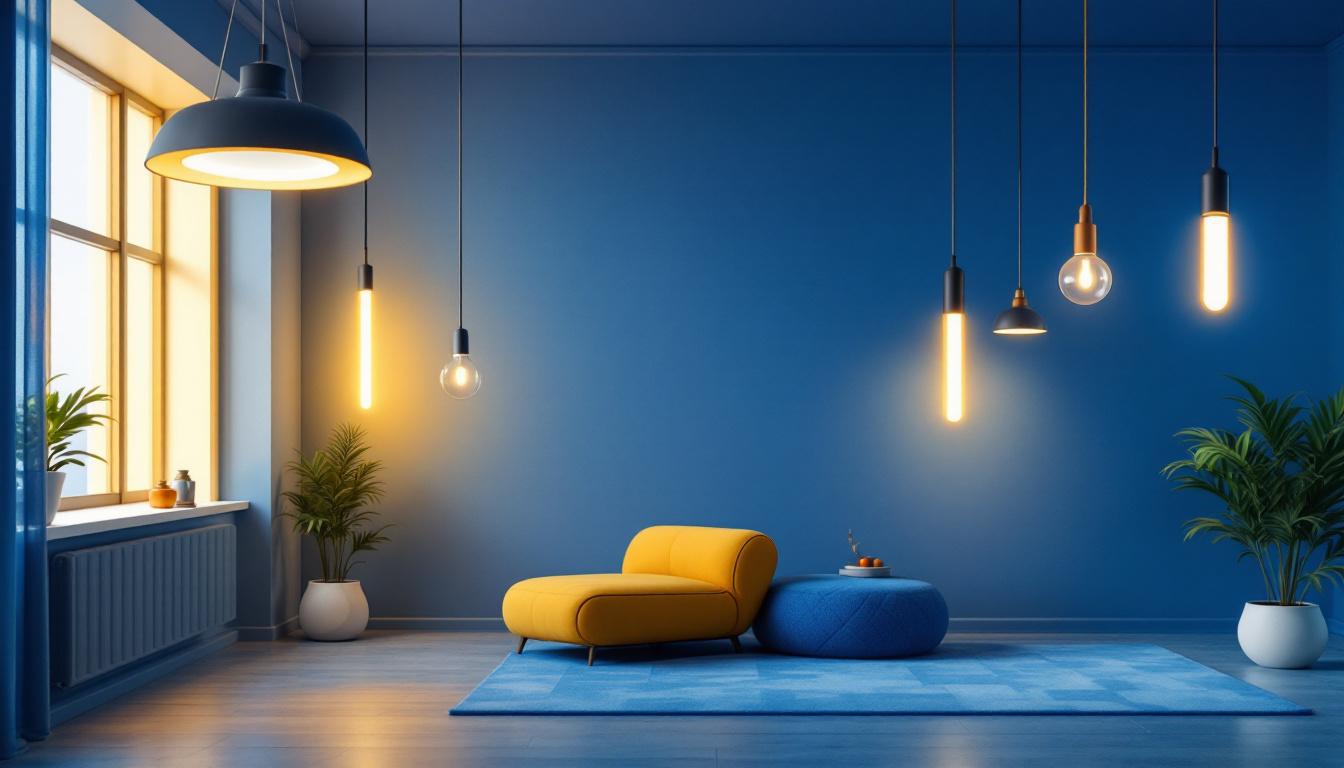
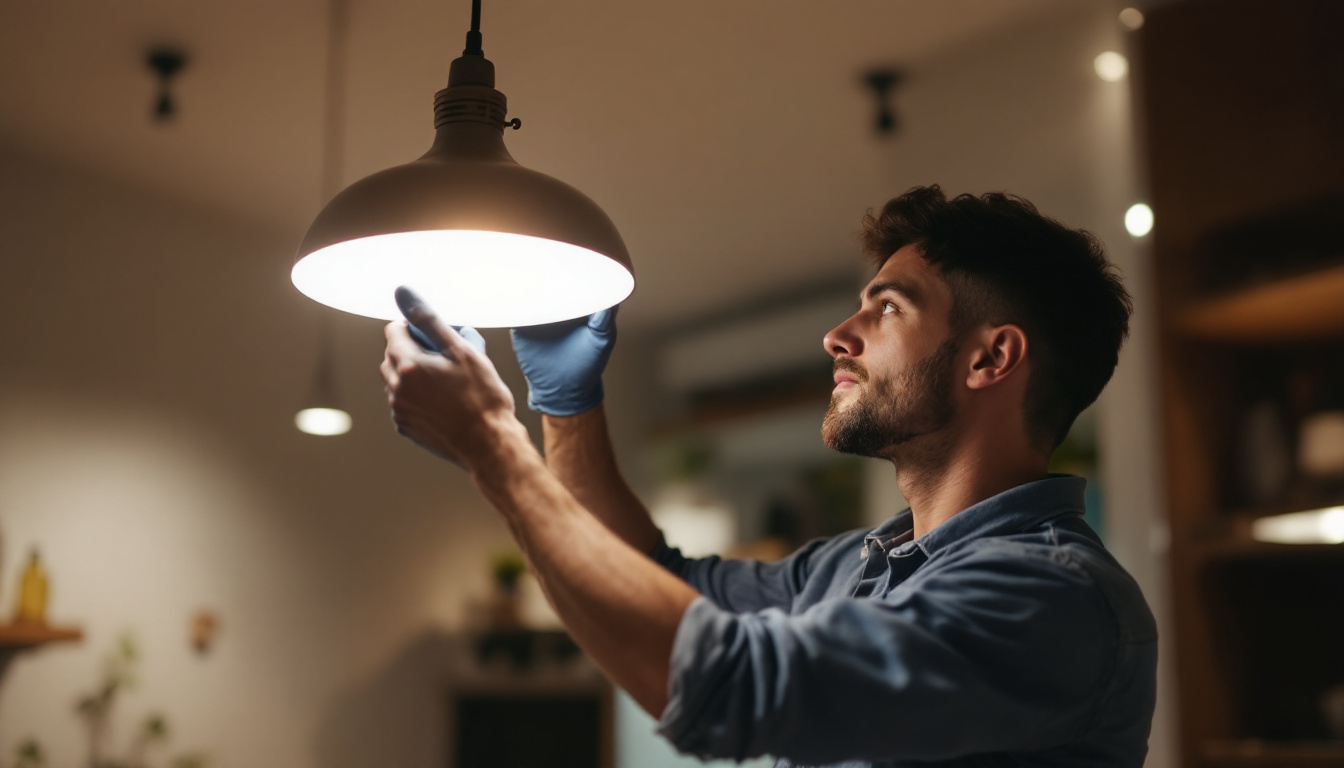
Hanging light tubes are more than just a mounting choice—they’re a foundational element that directly impacts the functionality, aesthetics, and safety of lighting installations. For lighting contractors, mastering the art and science of hanging these tubes correctly is essential. It’s not merely about suspending a fixture; it’s about ensuring optimal light distribution, durability, and compliance with safety standards.
Light tubes, often used in commercial, industrial, and architectural lighting, serve as the housing for fluorescent or LED lamps. Their positioning affects everything from glare control to energy efficiency. A poorly hung light tube can cause uneven illumination, create maintenance headaches, and even pose safety risks.
Moreover, the choice of materials and design in hanging light tubes can significantly influence the overall ambiance of a space. For instance, reflective surfaces can enhance brightness and reduce energy consumption by maximizing light output, while matte finishes may be preferred in settings where glare reduction is paramount. Additionally, the length and diameter of the tubes can be tailored to fit specific environments, allowing for creative solutions that align with the architectural vision of a project. This flexibility not only meets functional needs but also contributes to the aesthetic appeal of a space, making it crucial for contractors to consider these factors during installation.
Furthermore, advancements in technology have led to the development of smart lighting systems that can be integrated with hanging light tubes. These systems allow for dynamic adjustments in lighting based on occupancy, time of day, or even the specific tasks being performed in a space. This not only enhances user experience but also promotes energy efficiency, as lights can be dimmed or turned off when not needed. Understanding how to incorporate these technologies into hanging light tube installations is becoming increasingly important for contractors aiming to stay competitive in a rapidly evolving industry.
Why Proper Suspension Matters
Ensuring Even Light Distribution
The height and angle at which light tubes are hung determine how light spreads across a space. For example, in warehouses or large retail environments, hanging tubes too high can result in dim, uneven lighting with shadows that hinder visibility. Conversely, hanging them too low might cause glare and discomfort for occupants.
Lighting contractors must consider the lumen output of the tubes, the ceiling height, and the room’s layout. The goal is to achieve uniform illumination that enhances visibility and safety without wasting energy. Hanging tubes at the correct height and spacing helps achieve this balance. In addition, the color temperature of the light emitted can significantly affect the ambiance of a space. Warmer tones can create a cozy atmosphere, making them ideal for retail areas where customer comfort is paramount, while cooler tones are often preferred in workspaces to promote alertness and productivity. By carefully selecting both the height and the color temperature of the light tubes, contractors can create an environment that not only meets functional requirements but also enhances the overall aesthetic appeal.
Maintaining Structural Integrity and Safety
Light tubes are often long and relatively fragile. Improper hanging methods can lead to sagging, twisting, or even detachment, posing risks to both the fixture and people below. Using the right suspension hardware—such as sturdy cables, chains, or rods—and securing them properly is critical.
Furthermore, adherence to local electrical and building codes is non-negotiable. These codes often specify requirements for fixture support to prevent accidents. Lighting contractors must ensure that hanging systems can bear the weight of the tubes and withstand environmental factors like vibrations or temperature changes. Regular inspections of the suspension system are also essential, as wear and tear can compromise safety over time. This includes checking for rust on metal components, fraying of cables, or loosening of fixtures. By maintaining a proactive approach to safety, contractors not only protect the integrity of the installation but also safeguard the well-being of individuals who occupy the space. Additionally, implementing a maintenance schedule can help identify potential issues before they escalate, ensuring that the lighting remains both functional and safe throughout its lifespan.
Techniques and Best Practices for Hanging Light Tubes
Choosing the Right Suspension System
There are several options for hanging light tubes, including wire suspension kits, chain hangers, and rigid rods. Each has its advantages depending on the environment and aesthetic goals. Wire suspension is popular for its adjustability and clean look, while rigid rods offer enhanced stability in industrial settings.
Contractors should evaluate the installation environment carefully. For example, in areas prone to vibrations or movement, rigid suspensions reduce the risk of fixture oscillation. In contrast, wire suspensions might be preferred in office or retail spaces for their sleek appearance. Additionally, the choice of suspension system can impact the overall design theme; for instance, chain hangers can evoke a vintage or industrial vibe, which may be desirable in certain settings. Understanding the architectural context can greatly influence the selection process, ensuring that the lighting not only serves its functional purpose but also complements the space aesthetically.
Precision in Measurement and Alignment
Accurate measurement is crucial. Lighting contractors often use laser levels or plumb lines to ensure that tubes are hung perfectly parallel and at the intended height. Misalignment can cause visual distractions and reduce the overall effectiveness of the lighting system.
Spacing between tubes also matters. Overlapping light patterns can cause hotspots, while excessive gaps lead to dark zones. Following manufacturer guidelines and lighting design plans ensures the installation meets the desired performance criteria. Moreover, contractors might consider the angle of the light tubes, as this can significantly influence the distribution of light across surfaces. A well-thought-out layout not only enhances the functionality of the lighting but also contributes to the ambiance of the space, making it more inviting and comfortable for occupants.
Securing Electrical Connections Safely
Hanging light tubes involves more than mechanical suspension; electrical connections must be secure and compliant with safety standards. Proper strain relief on wiring prevents damage from movement or weight of the fixture. Additionally, grounding and insulation must be verified to avoid electrical hazards.
Lighting contractors should also consider ease of maintenance. Hanging systems that allow quick access to tubes for replacement or repair reduce downtime and labor costs. Furthermore, implementing modular designs can facilitate future upgrades or changes in lighting technology, such as transitioning to LED tubes or integrating smart lighting systems. This foresight not only enhances the longevity of the installation but also ensures that the lighting remains adaptable to evolving needs and advancements in technology, ultimately providing a more sustainable solution for the space.
Common Challenges and How to Overcome Them
Dealing with Uneven Ceilings and Obstructions
Not all ceilings are flat or free of obstructions like ductwork, pipes, or beams. These irregularities complicate hanging light tubes evenly. Contractors can use adjustable suspension kits or custom mounting brackets to adapt to these challenges.
Planning is key. Conducting a thorough site survey before installation helps identify potential obstacles. Using 3D modeling software or detailed sketches can assist in visualizing the final setup and adjusting plans accordingly.
Managing Weight and Length Limitations
Long light tubes require robust support systems. Overextending suspension cables or using inadequate hardware can lead to sagging or failure. It’s essential to calculate the total weight, including the fixture and any protective covers, and select suspension components rated for that load.
For very long runs, intermediate supports may be necessary to prevent bending. This approach maintains the integrity of the tubes and ensures consistent lighting performance.
Environmental Factors Affecting Hanging Systems
Temperature fluctuations, humidity, and exposure to chemicals can degrade suspension materials over time. In industrial or outdoor settings, corrosion-resistant hardware like stainless steel or galvanized steel is recommended.
Regular inspections and maintenance schedules help detect wear early. Replacing worn components before failure is a best practice that safeguards both the lighting system and building occupants.
The Impact of Hanging Light Tubes on Energy Efficiency and Costs
Optimizing Light Placement to Reduce Energy Consumption
Properly hung light tubes maximize the effectiveness of each lumen emitted. When light is distributed evenly and directed where needed, fewer fixtures or lower wattage lamps can achieve the desired illumination levels. This translates into significant energy savings over time.
Lighting contractors who prioritize precise hanging techniques contribute directly to reducing operational costs for building owners. It’s a practical way to enhance sustainability without compromising on lighting quality.
Minimizing Maintenance and Replacement Costs
Secure and well-aligned hanging systems reduce the risk of damage to tubes and fixtures. This lowers the frequency of replacements and repairs, saving labor and material expenses. Furthermore, installations that allow easy access for maintenance reduce downtime and associated costs.
Investing time and expertise in the hanging phase pays dividends throughout the lifecycle of the lighting installation.
Conclusion: Elevating Lighting Installations Through Expert Hanging Techniques
Hanging light tubes correctly is a critical step that influences every aspect of a lighting installation-from performance and safety to cost efficiency and longevity. For lighting contractors, it demands a blend of technical knowledge, precision, and practical problem-solving.
Choosing the right suspension system, ensuring accurate alignment, and accounting for environmental and structural variables are all part of delivering a high-quality lighting solution. When done right, hanging light tubes not only illuminates spaces effectively but also enhances the reputation of contractors as skilled professionals who understand the nuances of their craft.
Illuminate Your Projects with LumenWholesale
Ready to elevate your lighting installations with expert hanging techniques? At LumenWholesale, we provide you with the high-quality, spec-grade lighting products you need to ensure every project shines. Our unbeatable wholesale prices mean you get the best value without the middleman markups. With our extensive selection that meets rigorous industry standards, you can trust in the performance and reliability of your lighting solutions. Plus, with free shipping on bulk orders, you can stock up on superior lighting products without worrying about hidden fees. Make your next project a beacon of quality, affordability, and convenience. Discover the ideal lighting for your installations at Wholesale Lighting at the Best Value.