Why Can LEDs Are a Game-Changer for Lighting Contractors
Lighting contractors face a unique set of challenges: balancing client expectations, managing installation complexities, and ensuring long-term reliability. Can LEDs—LED modules housed within compact, sealed canister fixtures—offer a smart solution that addresses many of these challenges? Their design simplifies installation while delivering superior lighting performance, making them increasingly popular in both residential and commercial projects.
Unlike traditional recessed lighting that often requires bulky housings and complicated wiring, can LEDs integrate the light source and fixture into one unit. This integration reduces installation time and potential points of failure, which can be a significant advantage on tight schedules or complex builds. Moreover, the compact nature of can LEDs allows for greater flexibility in design, enabling contractors to create innovative lighting layouts that were previously challenging to achieve with conventional fixtures.
Additionally, can LEDs are designed with energy efficiency in mind, consuming significantly less power than traditional incandescent or fluorescent options. This not only reduces energy bills for clients but also aligns with the growing demand for sustainable building practices. Lighting contractors can promote these energy-efficient solutions as part of their service offerings, enhancing their appeal to environmentally-conscious customers. Furthermore, many can LEDs come with adjustable color temperatures and dimming capabilities, allowing for customizable lighting experiences that can adapt to various moods and occasions, thereby increasing client satisfaction.
The durability of can LEDs also plays a crucial role in their appeal. With a lifespan that often exceeds 25,000 hours, these fixtures require less frequent replacements, minimizing maintenance costs and disruptions for both contractors and clients. This longevity is particularly beneficial in commercial settings, where downtime can lead to significant financial losses. By choosing can LEDs, lighting contractors can ensure that their installations not only meet immediate aesthetic and functional needs but also provide a reliable, long-term lighting solution that stands the test of time.
Streamlined Installation Saves Time and Labor Costs
Plug-and-Play Design
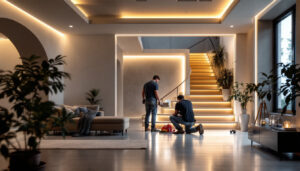
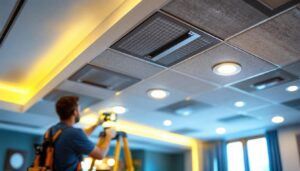
One of the biggest selling points for can LEDs is their plug-and-play nature. These fixtures typically come pre-wired and pre-assembled, allowing contractors to simply mount the can and connect power quickly. This straightforward setup reduces the need for specialized labor or additional electrical work, cutting down on installation time significantly. Furthermore, this ease of installation translates into fewer labor hours billed to the client, making the overall project more cost-effective. Contractors can allocate their workforce to other tasks, enhancing productivity and ensuring that projects are completed on schedule.
Compatibility with Existing Infrastructure
Many can LED fixtures are designed to fit into standard recessed lighting housings or retrofit into existing cans. This compatibility means contractors can upgrade older lighting systems without extensive demolition or rewiring. For retrofit projects, this reduces disruption for clients and lowers the overall project cost. Additionally, the ability to utilize existing infrastructure minimizes waste and promotes sustainability, as fewer materials are discarded during the upgrade process. This eco-friendly approach not only appeals to environmentally conscious clients but also aligns with modern building practices that prioritize energy efficiency and resource conservation.
Enhanced Energy Efficiency
In addition to their easy installation, can LEDs are renowned for their energy efficiency. These fixtures consume significantly less power compared to traditional incandescent or fluorescent lighting, leading to lower utility bills for homeowners and businesses alike. The long lifespan of LED technology—often exceeding 25,000 hours—means that replacements are infrequent, further reducing maintenance costs over time. As energy efficiency becomes a critical consideration in both residential and commercial spaces, the adoption of can LEDs can contribute to achieving sustainability goals and meeting regulatory requirements for energy consumption.
Improved Lighting Quality
Another advantage of can LEDs is the superior quality of light they provide. Unlike older lighting technologies that may emit harsh or flickering light, can LEDs offer a steady, bright illumination that enhances the ambiance of any space. With options for adjustable color temperatures, contractors can customize the lighting to suit different environments, from warm tones for cozy living areas to cooler shades for workspaces that require focus. This versatility not only improves the aesthetic appeal of interiors but also supports the well-being and productivity of occupants, making can LEDs a smart choice for both residential and commercial applications.
Energy Efficiency and Long-Term Savings
Lower Power Consumption
Can LEDs consume a fraction of the energy compared to traditional incandescent or halogen recessed lights. This translates directly into lower electricity bills for clients, a compelling selling point when pitching lighting upgrades. For contractors, emphasizing energy savings can help justify higher upfront costs and position them as experts in sustainable lighting solutions. Furthermore, as energy prices continue to rise, the long-term financial benefits of switching to LED lighting become even more pronounced, making it a wise investment for both residential and commercial properties. Many clients are increasingly aware of their carbon footprints, and by opting for LED lighting, they can contribute to a more sustainable environment while enjoying the financial perks.
Extended Lifespan Reduces Maintenance
LEDs boast lifespans that can exceed 50,000 hours, far outlasting traditional bulbs. Can LEDs, with their sealed design, also resist dust and moisture, which can degrade other lighting types over time. This durability means fewer replacements and less maintenance, a benefit that contractors can highlight to property managers and commercial clients looking to minimize downtime and upkeep expenses. Additionally, the reduced frequency of replacements means less waste generated, aligning with the growing trend towards environmentally responsible practices. Property managers can also leverage this aspect in their marketing strategies, showcasing their commitment to sustainability and cost-effectiveness, which can be a significant draw for eco-conscious tenants and clients alike. In high-traffic areas, where lighting fixtures are often subject to wear and tear, the resilience of LEDs can significantly reduce the hassle and costs associated with frequent bulb changes.
Superior Lighting Quality Enhances Client Satisfaction
Consistent Color Temperature and CRI
Modern can LEDs offer excellent color rendering indexes (CRI) and consistent color temperatures. This means lighting appears natural and vibrant, enhancing the ambiance of any space. For retail or hospitality clients, this can improve product displays or guest experiences, making lighting not just functional but a strategic asset.
Dimmability and Control Options
Many can LED fixtures support dimming and integrate with smart lighting controls. This flexibility allows contractors to offer clients customizable lighting schemes that adapt to different moods or tasks. The ability to control lighting intensity and color temperature remotely is a strong selling point in both residential and commercial markets.
Safety and Compliance Advantages
Reduced Heat Output
Traditional recessed lighting can generate significant heat, posing fire risks or requiring additional ventilation. Can LEDs produce minimal heat, improving safety in confined spaces and reducing the need for costly cooling solutions. This feature also aligns with increasingly stringent building codes and energy standards.
Code Compliance and Certifications
Reputable can LED products come with certifications such as UL listing, Energy Star rating, and compliance with local building codes. Lighting contractors can rely on these certifications to ensure installations meet regulatory requirements, avoiding costly rework or liability issues.
Design Flexibility and Aesthetic Appeal
Variety of Styles and Finishes
Can LEDs are available in numerous trims, finishes, and shapes, allowing contractors to tailor lighting to the client’s design vision. Whether the project calls for sleek modern aesthetics or classic recessed fixtures, there’s a can LED option that fits seamlessly.
Minimalist Profile and Seamless Integration
The compact design of can LEDs enables a clean, minimalist ceiling appearance. Their low profile means they don’t protrude or dominate the space, which is especially important in modern architectural designs where subtlety is key. This helps contractors deliver a polished final look that clients appreciate.
Environmental Impact and Sustainability
Lighting contractors increasingly encounter clients who prioritize sustainability. Can LEDs contribute positively by reducing energy consumption and minimizing waste due to their long lifespan. Additionally, many LED fixtures are made with recyclable materials, supporting broader green building initiatives.
Choosing can LEDs can position contractors as environmentally responsible professionals, opening doors to projects that require LEED certification or other green building standards.
Challenges and Considerations for Lighting Contractors
Initial Cost vs. Long-Term Value
While can LEDs often come with a higher upfront price compared to traditional fixtures, the long-term savings in energy and maintenance usually offset this. Contractors should be prepared to educate clients on the total cost of ownership rather than just initial expenses.
Compatibility with Existing Systems
Not all can LEDs fit every existing housing or electrical setup. Contractors need to verify dimensions, voltage requirements, and compatibility with dimmers or control systems before installation. Proper planning can prevent costly delays or returns.
Quality Variability Among Manufacturers
The growing popularity of can LEDs has led to a wide range of products on the market. Lighting contractors should prioritize reputable brands and verify product certifications to ensure reliability and performance. Testing samples before large installations can help avoid headaches down the line.
Conclusion: Can LEDs Are a Smart Choice for Lighting Contractors
Can LEDs combine ease of installation, energy efficiency, superior lighting quality, and design flexibility, making them an excellent option for lighting contractors looking to deliver value and satisfaction to their clients. Their durability and compliance with safety standards further enhance their appeal.
By understanding the benefits and addressing potential challenges, contractors can confidently recommend can LEDs in a variety of projects, from residential renovations to commercial builds. This knowledge not only improves project outcomes but also strengthens client trust and opens opportunities for future work.
Illuminate Your Projects with LumenWholesale
Ready to elevate your lighting installations with the game-changing benefits of can LEDs? Look no further than LumenWholesale for a vast selection of top-quality, spec-grade lighting products at unbeatable wholesale prices. Say goodbye to inflated markups and hello to superior lighting solutions that meet the highest industry standards. With LumenWholesale, bulk buying is a breeze, thanks to free shipping and transparent pricing. Don’t compromise on quality or value—choose LumenWholesale for Wholesale Lighting at the Best Value and light up your clients’ spaces with confidence and convenience.