Why Lighting Contractors Should Care About Industrial Fans
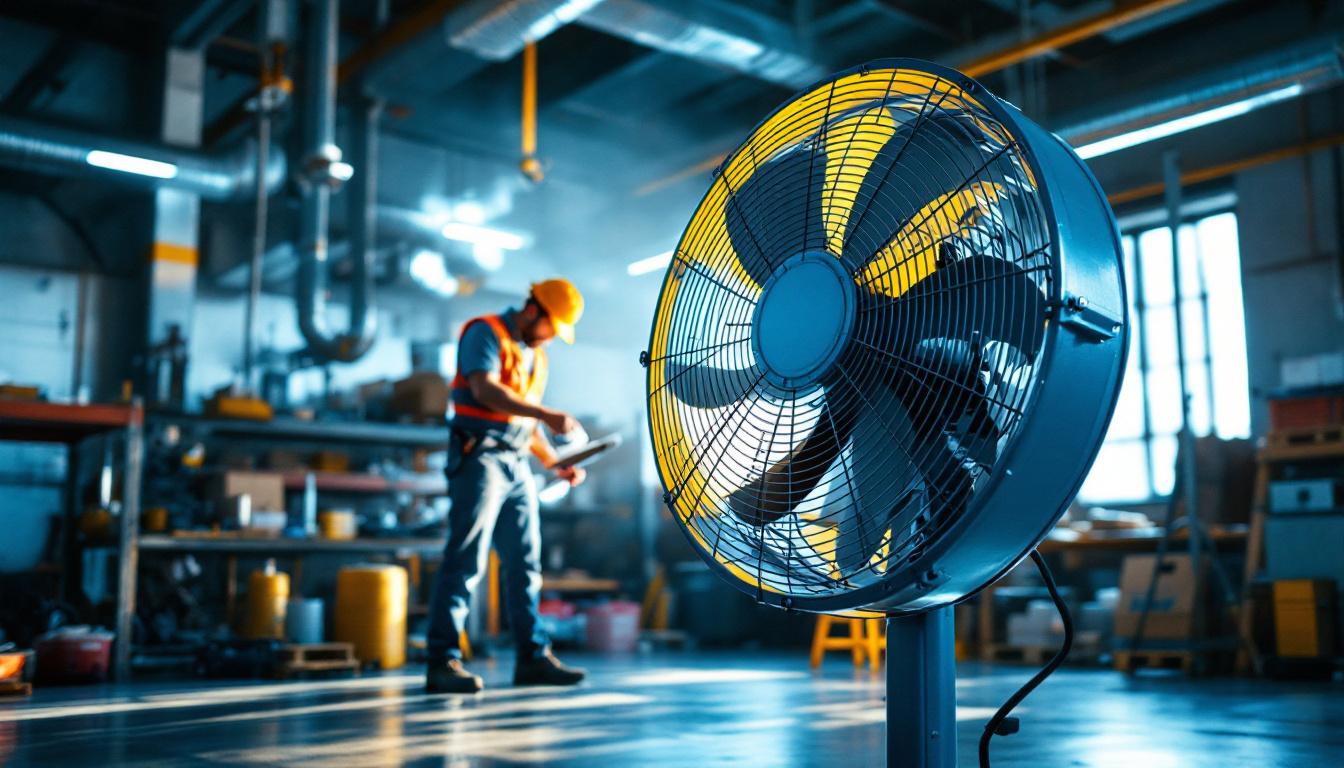
Lighting contractors often focus on illumination quality, energy efficiency, and fixture placement. However, the environment where lighting is installed plays a crucial role in the overall performance and longevity of lighting systems. Industrial fans, particularly 24-inch models, are a powerful tool to optimize these environments. They improve air circulation, reduce heat buildup, and maintain consistent temperatures, all of which directly impact lighting effectiveness and equipment durability.
In warehouses, manufacturing plants, and large commercial spaces, heat generated by lighting fixtures can accumulate, leading to premature wear or even failure. Installing a 24-inch industrial fan can help dissipate this heat, extending the lifespan of lighting components and reducing maintenance costs. For lighting contractors, understanding how to integrate these fans into their projects can add significant value to their services.
Moreover, the benefits of industrial fans extend beyond just temperature control. Enhanced air circulation can also contribute to improved air quality, which is vital in environments where dust and other particulates may affect both the lighting fixtures and the overall work environment. By reducing stagnant air zones, industrial fans help minimize the accumulation of dust on lighting fixtures, which can otherwise lead to decreased light output and increased energy consumption. This dual benefit of maintaining both lighting efficiency and air quality can be a compelling selling point for contractors looking to differentiate their services in a competitive market.
Additionally, the strategic placement of industrial fans can complement the design and functionality of lighting systems. For instance, in spaces with high ceilings, the use of 24-inch fans can create a downward airflow that not only cools the area but also enhances the distribution of light. This synergy between lighting and air movement can lead to more uniform illumination, reducing shadows and dark spots that can hinder productivity. By collaborating with HVAC professionals, lighting contractors can develop comprehensive solutions that address both lighting and climate control, ultimately leading to a more comfortable and efficient workspace for employees.
Key Features of 24-Inch Industrial Fans for Lighting Applications
Size and Airflow Capacity
The 24-inch diameter strikes a balance between compactness and powerful airflow. These fans are large enough to move significant volumes of air but small enough to fit into tight spaces where lighting fixtures are often installed. The airflow capacity, measured in cubic feet per minute (CFM), typically ranges from 2,000 to 5,000 CFM for 24-inch models, depending on motor power and blade design.
For lighting contractors, selecting a fan with the right airflow capacity is essential. Too little airflow won’t adequately cool the area, while excessive airflow might cause dust circulation or discomfort for occupants. Understanding the space’s size and heat load helps determine the appropriate fan specifications. Additionally, the design of the fan blades plays a crucial role in airflow efficiency. Blades that are aerodynamically designed can enhance performance, ensuring that the air is distributed evenly without creating excessive noise, which is particularly important in settings where concentration and comfort are paramount.
Durability and Material Considerations
Industrial fans must withstand harsh environments, including dust, moisture, and temperature fluctuations. Fans with corrosion-resistant materials such as galvanized steel or aluminum are preferable. Some models come with powder-coated finishes for extra durability, which not only enhances their lifespan but also allows for aesthetic customization to match the surrounding decor.
Lighting contractors should also consider the fan’s motor type. TEFC (Totally Enclosed Fan Cooled) motors are common in industrial fans and offer protection against dust and moisture, ensuring reliable operation in challenging conditions. Furthermore, energy efficiency is a growing concern; therefore, selecting fans with energy-efficient motors can significantly reduce operational costs over time. This is particularly beneficial in large-scale lighting applications where fans may run for extended periods, making energy savings a critical factor in overall project budgeting.
Mounting Options and Installation Flexibility
24-inch industrial fans come with various mounting options: ceiling, wall, or portable stands. Ceiling-mounted fans are often ideal for lighting projects since they save floor space and provide even air distribution around fixtures. This versatility allows contractors to tailor installations to the specific needs of the space, ensuring optimal performance and comfort.
Ease of installation is a key factor for contractors. Fans with adjustable mounting brackets or quick-connect wiring simplify the process, reducing labor time and costs. Additionally, fans that integrate with existing building management systems or lighting controls can offer enhanced operational efficiency. For instance, smart fans that can be programmed to operate in conjunction with lighting schedules not only improve comfort but also contribute to energy savings by ensuring that airflow is only utilized when necessary. This level of integration is increasingly sought after in modern industrial and commercial settings, where sustainability and efficiency are paramount considerations.
How Industrial Fans Enhance Lighting Performance
Temperature Regulation to Protect Fixtures
High-intensity lighting, such as metal halide or LED fixtures, generates heat during operation. Excessive heat can degrade internal components, causing color shifts, reduced brightness, or early failure. A 24-inch industrial fan helps regulate ambient temperature by promoting air circulation, preventing hot spots around the lighting fixtures.
By maintaining a stable temperature, these fans contribute to consistent light output and reduce the risk of thermal damage. This is especially important in enclosed or poorly ventilated spaces where heat tends to accumulate.
Reducing Energy Costs Through Improved Airflow
When lighting systems are paired with effective ventilation, HVAC systems don’t have to work as hard to cool the space. Industrial fans help distribute air evenly, reducing the need for excessive air conditioning. This synergy can lead to noticeable energy savings, which is a critical consideration for commercial clients looking to minimize operational expenses.
Lighting contractors who recommend or install industrial fans demonstrate a holistic approach to energy efficiency, which can differentiate their services in a competitive market.
Minimizing Dust and Debris Accumulation
Dust accumulation on lighting fixtures reduces their effectiveness and can cause overheating. Industrial fans maintain steady airflow, which helps keep dust from settling on sensitive components. This reduces cleaning frequency and maintenance costs over time.
For contractors working in dusty environments like warehouses or manufacturing floors, specifying a 24-inch industrial fan can be a proactive measure to protect lighting investments.
Choosing the Right 24-Inch Industrial Fan for Your Lighting Projects
Assessing the Project Environment
Before selecting a fan, lighting contractors must evaluate the installation environment. Key factors include ceiling height, room size, heat sources, and existing ventilation systems. For example, a 24-inch fan might be ideal for a medium-sized warehouse with moderate heat generation but insufficient airflow.
Understanding these parameters ensures the fan’s capacity matches the space’s needs, avoiding underperformance or unnecessary energy consumption.
Matching Fan Specifications to Lighting Requirements
Lighting systems vary widely-from fluorescent tubes to high-powered LEDs. Each has different heat output and sensitivity to environmental conditions. Contractors should consider the heat dissipation requirements of the lighting fixtures when choosing fan speed, airflow, and placement.
For instance, LED fixtures generate less heat than traditional metal halide lamps but still benefit from consistent airflow to maintain optimal performance. Consulting manufacturer guidelines for both lighting and fan equipment can provide valuable insights.
Integration with Lighting Controls and Automation
Modern industrial fans often support integration with building automation systems. This allows fans to operate in sync with lighting schedules, occupancy sensors, or temperature controls. Such integration maximizes energy efficiency and ensures fans run only when necessary.
Lighting contractors can add value by recommending fans with smart controls or by coordinating with HVAC professionals to create seamless environmental management solutions.
Installation Best Practices for Lighting Contractors
Proper Placement for Maximum Efficiency
Installing a 24-inch industrial fan requires strategic placement to optimize airflow around lighting fixtures. Ceiling mounting near heat-generating lights is common, but contractors should avoid directing airflow directly onto occupants to prevent discomfort.
Positioning fans to promote cross-ventilation can also enhance overall air movement in the space, contributing to better temperature regulation and dust control.
Ensuring Electrical Safety and Compliance
Industrial fans must be wired according to local electrical codes and standards. Lighting contractors should verify that fan motors are compatible with the existing electrical infrastructure and that all connections are secure and protected.
Using proper conduit, grounding, and circuit protection minimizes the risk of electrical faults. Additionally, consulting with electricians or obtaining necessary permits ensures compliance and safety.
Maintenance Considerations
Regular maintenance extends the life of industrial fans and maintains their performance. Contractors should advise clients on cleaning fan blades, lubricating motors if applicable, and checking for wear or damage.
Including maintenance guidance as part of the lighting project documentation helps clients protect their investment and reduces the likelihood of unexpected failures.
Case Studies: Industrial Fans Improving Lighting Environments
Warehouse Lighting Upgrade with 24-Inch Fans
A mid-sized distribution center faced issues with heat buildup around high-bay LED fixtures. Lighting contractors recommended installing multiple 24-inch industrial ceiling fans to improve air circulation. The fans reduced fixture temperatures by up to 15%, which extended the LED lifespan and improved light consistency across the warehouse.
The client also reported a 10% reduction in HVAC costs due to better airflow, showcasing the dual benefits of fan integration.
Manufacturing Facility Dust Control
In a manufacturing plant with heavy dust generation, lighting contractors integrated 24-inch industrial fans to maintain airflow around lighting arrays. This approach minimized dust accumulation on fixtures, reducing cleaning frequency and preventing overheating.
The fans’ TEFC motors with corrosion-resistant blades ensured reliable operation in the harsh environment, demonstrating the importance of selecting durable fan models.
Final Thoughts for Lighting Contractors
Incorporating 24-inch industrial fans into lighting projects is more than just adding another piece of equipment. It’s about creating an environment where lighting systems perform optimally, last longer, and contribute to overall energy efficiency. Lighting contractors who understand the interplay between airflow and lighting can offer smarter, more comprehensive solutions to their clients.
Choosing the right fan involves assessing the environment, matching specifications to lighting needs, and ensuring proper installation and maintenance. When done correctly, industrial fans become an indispensable part of the lighting ecosystem, enhancing both performance and client satisfaction.
Get Your Industrial Fans and Lighting Supplies at LumenWholesale
Ready to enhance your lighting projects with the optimal performance of 24-inch industrial fans? Look no further than LumenWholesale for all your lighting and fan needs. Our commitment to quality and affordability ensures you receive the best value on spec-grade lighting products. By choosing us, you eliminate the middleman and gain access to our extensive selection of reliable, high-performance products. Plus, with free shipping on bulk orders, you can equip your projects with premium lighting solutions without worrying about hidden fees. Elevate your lighting installations today by visiting LumenWholesale for the best in wholesale lighting at unbeatable prices.