Understanding the Ballast: The Heart of Fluorescent Lighting
Every lighting contractor knows that a successful installation isn’t just about bulbs and fixtures. The ballast plays a crucial role in fluorescent and HID (High-Intensity Discharge) lighting systems. Without it, the lamp won’t start or operate correctly. But what exactly is a ballast, and why should it matter to you on the job?
A ballast is an electrical device that regulates the current to the lamp. Fluorescent lamps and HID lamps require a specific current to ignite and sustain light. Too much current can damage the lamp, while too little means it won’t light up at all. The ballast ensures the right amount of electrical flow, protecting the lamp and optimizing performance.
For lighting contractors, understanding ballast types, compatibility, and troubleshooting is essential. This knowledge not only improves installation quality but also helps in diagnosing issues quickly, saving time and money.
There are mainly two types of ballasts: magnetic and electronic. Magnetic ballasts have been around for decades and are typically larger and heavier, utilizing electromagnetic coils to regulate current. While they are often more affordable, they are less energy-efficient and can produce a flickering light that some users find distracting. On the other hand, electronic ballasts are more compact, lightweight, and energy-efficient, providing a smoother and flicker-free light output. They also tend to have a longer lifespan, making them a popular choice for modern installations.
Moreover, the advent of smart technology has introduced advanced ballasts that can be integrated into automated lighting systems. These smart ballasts can adjust the light output based on ambient light levels or occupancy, enhancing energy savings and convenience. Understanding these advancements can give contractors a competitive edge, as more clients are looking for energy-efficient and smart solutions in their lighting systems. By staying informed about the latest ballast technologies, you can not only improve your installations but also offer valuable insights to your clients, helping them make informed decisions about their lighting needs.
Types of Ballasts and Their Applications
Magnetic Ballasts: The Traditional Workhorse
Magnetic ballasts have been around for decades. They use electromagnetic induction to regulate current. These ballasts are generally heavier and noisier, often producing a humming sound during operation. They also generate more heat and are less energy-efficient compared to modern alternatives.
Despite these drawbacks, magnetic ballasts remain common in certain applications due to their lower upfront cost and simplicity. They are often found in older commercial buildings or industrial settings where retrofit projects are common. Additionally, magnetic ballasts are known for their durability; they can withstand harsher conditions and have a longer lifespan in environments where electronic components might fail. This resilience makes them a preferred choice in factories or warehouses where equipment may be subjected to vibrations and temperature fluctuations.
Electronic Ballasts: Efficiency and Performance
Electronic ballasts have largely replaced magnetic ballasts in new installations. They use electronic circuitry to control the current, resulting in quieter operation, less heat, and improved energy efficiency. Electronic ballasts can also support dimming and instant start features, which are valuable in many commercial and residential settings.
For contractors, electronic ballasts offer easier installation and greater flexibility. They reduce flickering and extend lamp life, which can improve client satisfaction and reduce maintenance calls. Moreover, the ability to integrate with smart lighting systems has made electronic ballasts increasingly popular in modern building designs. This compatibility allows for advanced control options, such as automated lighting based on occupancy or daylight levels, further enhancing energy savings and user comfort.
Hybrid and Specialized Ballasts
Some ballast designs combine features from both magnetic and electronic types or are tailored for specific lamp types like LED retrofit kits or specialty HID lamps. These specialized ballasts require careful selection to match the lamp and fixture specifications exactly.
Understanding the nuances of these options is critical, especially when working on complex projects or upgrading older systems to modern standards. Hybrid ballasts, for instance, can provide the benefits of both worlds, offering the reliability of magnetic ballasts while incorporating the efficiency of electronic designs. This versatility is particularly advantageous in applications such as horticultural lighting, where different growth stages of plants may require varying light intensities and spectrums. Additionally, as technology continues to evolve, new ballast designs are emerging that promise even greater efficiency and functionality, paving the way for innovative lighting solutions in diverse sectors.
Key Considerations When Selecting a Ballast
Compatibility with Lamp Type and Wattage
Not all ballasts work with all lamps. Fluorescent lamps come in various sizes and wattages, such as T8, T12, or compact fluorescent lamps (CFLs). Each requires a ballast designed to handle its electrical characteristics. Installing the wrong ballast can lead to poor performance, premature lamp failure, or even safety hazards.
Always verify the lamp’s specifications and cross-reference with the ballast manufacturer’s guidelines. This step is non-negotiable for ensuring a reliable lighting system. Additionally, it is worth noting that some newer lamp technologies, such as LED retrofits, may require specific types of ballasts or even the removal of existing ballasts altogether. Understanding the compatibility of new technologies with existing fixtures can save time and resources during the installation process.
Voltage and Frequency Ratings
Ballasts are designed to operate within specific voltage and frequency ranges. Residential and commercial power supplies may vary, especially in retrofit scenarios or international projects. Using a ballast with incompatible voltage or frequency can cause malfunction or damage.
Check the local power supply standards and ensure the ballast matches. Some electronic ballasts are universal voltage, which simplifies selection, but confirmation is still necessary. Furthermore, it is essential to consider the potential for voltage fluctuations in certain environments, which may necessitate the use of ballasts with built-in surge protection. This added layer of security can prolong the lifespan of both the ballast and the lamps it powers, ultimately leading to a more reliable lighting solution.
Energy Efficiency and Regulatory Compliance
Energy codes and regulations increasingly influence lighting projects. Ballasts that meet or exceed efficiency standards can reduce energy costs and help clients comply with local laws. Look for ballasts with certifications like ENERGY STAR or compliance with standards such as DOE (Department of Energy) regulations.
Choosing energy-efficient ballasts not only benefits the environment but also adds value to your service offering and can be a selling point for clients focused on sustainability. Moreover, many utility companies offer rebates or incentives for projects that incorporate energy-efficient lighting solutions, providing an additional financial benefit for both contractors and clients. Staying informed about these programs can enhance project feasibility and encourage the adoption of greener technologies.
Physical Size and Mounting Requirements
Ballasts come in various sizes and mounting configurations. Some are designed for fixture integration, while others are remote-mounted. Space constraints within fixtures or ceilings can affect the choice.
Before installation, measure the available space and confirm the ballast’s dimensions and mounting options. This foresight prevents costly rework and ensures a neat, professional finish. Additionally, consider the thermal management of the ballast, as overheating can lead to reduced performance and lifespan. Adequate ventilation and placement away from heat sources can further optimize the ballast’s operation, ensuring that your lighting system remains efficient and effective over time.
Installation Best Practices for Ballasts
Proper Wiring and Connections
Correct wiring is fundamental. Follow the ballast wiring diagram meticulously. Incorrect connections can cause the lamp to fail to start, flicker, or even create electrical hazards.
Use wire nuts or connectors rated for the application and ensure all connections are secure. Double-check polarity and grounding to maintain safety and performance.
Handling and Safety Precautions
Ballasts can contain hazardous materials, such as PCBs in older magnetic ballasts, or capacitors that hold charge even after power is off. Always handle with care and follow local disposal regulations for hazardous waste.
Wear appropriate personal protective equipment (PPE) and disconnect power before servicing or installing ballasts. Safety is paramount to prevent shocks or injuries.
Testing and Verification
After installation, verify the ballast and lamp operation. Check for flickering, buzzing, or unusual heat generation. Use a multimeter to confirm voltage and current levels if necessary.
Document the installation details, including ballast model, lamp type, and any observations. This record aids future maintenance and troubleshooting.
Troubleshooting Common Ballast Issues
Flickering or Dim Lighting
Flickering often indicates ballast problems. It can result from loose wiring, incompatibility between ballast and lamp, or a failing ballast. Start by inspecting connections and replacing lamps if needed.
If the issue persists, test the ballast with a known good lamp or replace the ballast entirely. Electronic ballasts are more sensitive but generally more reliable than magnetic ones.
Buzzing or Humming Noise
Magnetic ballasts commonly produce a humming sound, but excessive noise can signal a problem. Loose mounting screws or internal component wear can cause this. Tighten mounting hardware and consider replacing noisy ballasts with quieter electronic models.
Failure to Start or Lamp Not Lighting
If the lamp doesn’t start, check the ballast wiring and lamp condition first. A dead ballast or one with an internal fault will prevent ignition. Use a ballast tester if available or swap with a known working ballast to isolate the issue.
Remember, some lamps also have a limited number of starts before failure, so consider lamp age and usage history.
Maintaining Ballasts for Longevity and Performance
Regular Inspections
Periodic inspection can catch ballast issues before they cause failures. Look for signs of overheating, discoloration, or corrosion. Ensure ventilation around fixtures is adequate to prevent heat buildup.
Cleaning and Environmental Considerations
Dust and debris can accumulate on ballasts and fixtures, affecting heat dissipation. Clean fixtures during routine maintenance to extend ballast life. Avoid exposure to moisture or extreme temperatures, which can degrade components.
Upgrading to Modern Solutions
Older magnetic ballasts are less efficient and more prone to failure. When feasible, upgrade to electronic ballasts or LED retrofit kits. This not only improves energy efficiency but also reduces maintenance frequency.
Final Thoughts: Why Ballast Knowledge Matters for Lighting Contractors
Mastering ballast selection, installation, and troubleshooting is a cornerstone of professional lighting contracting. It impacts system reliability, client satisfaction, and project profitability. A well-chosen and properly installed ballast ensures the lighting performs as intended, lasts longer, and meets regulatory standards.
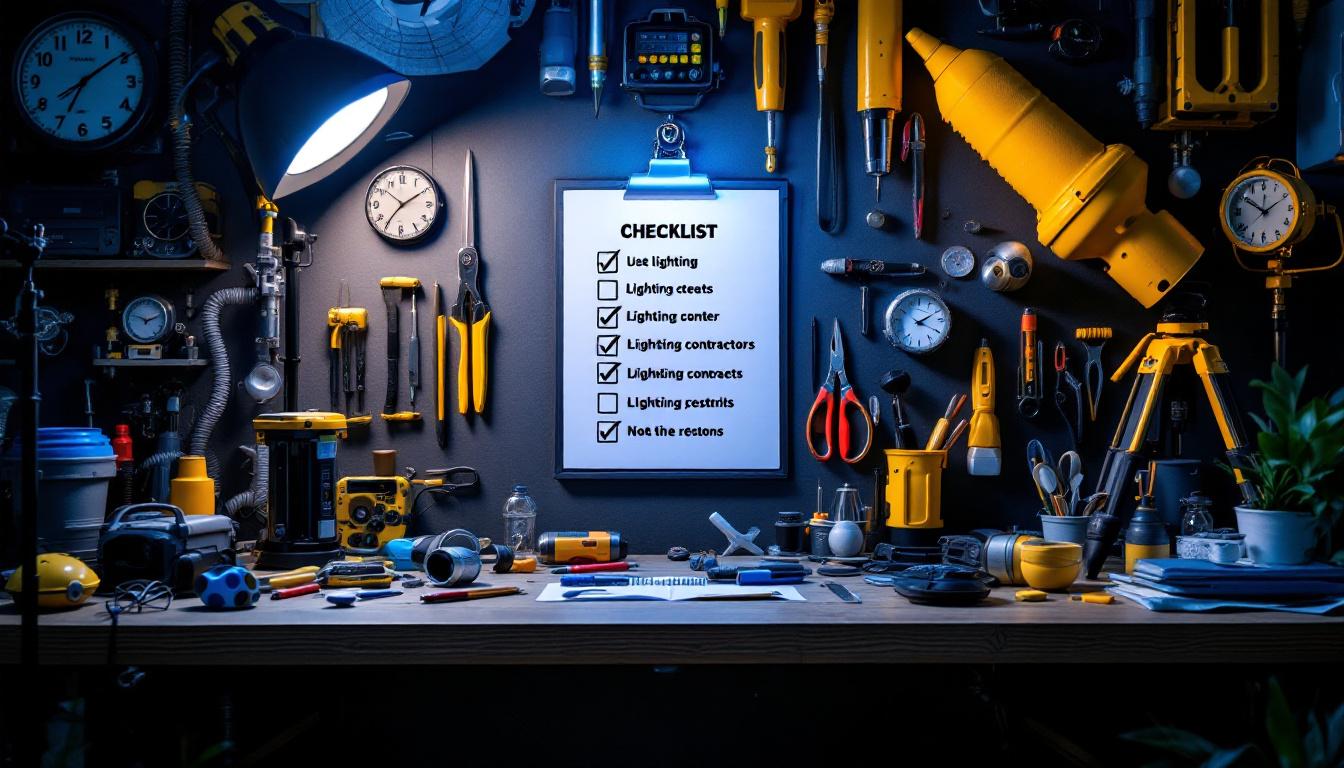
Investing time in understanding ballasts pays off in smoother projects, fewer callbacks, and stronger client relationships. Whether working on new builds, retrofits, or repairs, keep this checklist handy to deliver lighting solutions that shine bright and stand the test of time.
Get Your Premium Ballasts at LumenWholesale
Ready to elevate your lighting projects with the best ballasts in the market? Look no further than LumenWholesale, where we provide contractors with high-quality, spec-grade lighting products at unbeatable wholesale prices. Say goodbye to local distributor markups and hello to superior lighting products that meet the highest industry standards. With LumenWholesale, bulk buying is a breeze, and with free shipping, you’re guaranteed premium lighting at the best value — all without hidden fees or compromises. Don’t let subpar ballasts dim your project’s potential. Wholesale Lighting at the Best Value is just a click away. Experience the LumenWholesale difference today!