Understanding LED Technology: The Foundation for Smart Lighting Choices
For lighting contractors, selecting the best LED light bulb goes beyond simply picking the brightest or the most energy-efficient option. It requires a deep understanding of LED technology and its evolving landscape. Light Emitting Diodes (LEDs) are semiconductor devices that emit light when an electric current passes through them. Unlike traditional incandescent or fluorescent bulbs, LEDs offer superior energy efficiency, longer lifespan, and enhanced durability.
One of the key advantages of LEDs is their ability to produce a wide range of color temperatures, measured in Kelvins (K), from warm white (2700K) to daylight (5000K and above). This versatility allows contractors to tailor lighting solutions to specific environments, whether residential, commercial, or industrial. Additionally, LEDs generate less heat, reducing cooling costs and improving safety in installations. The low thermal output also means that fixtures can be designed with more compact and innovative forms, opening up new possibilities for aesthetic and functional lighting designs.
Moreover, the dimming capabilities of LED technology provide an added layer of flexibility. Many modern LEDs are compatible with dimmer switches, allowing for adjustable brightness levels that can enhance mood and functionality in various settings. This feature is particularly beneficial in residential applications, where homeowners may desire softer lighting during the evening or brighter illumination for tasks during the day. Furthermore, smart LED systems can be integrated with home automation technologies, enabling users to control their lighting remotely or set schedules for energy savings and convenience.
Key Performance Metrics for LED Bulbs
When evaluating LED bulbs, several metrics are critical for contractors to consider:
- Luminous Efficacy: Measured in lumens per watt (lm/W), this indicates how efficiently a bulb converts electricity into visible light. Higher efficacy means more light output for less energy consumption.
- Color Rendering Index (CRI): This scale, ranging from 0 to 100, measures how accurately a light source reveals colors compared to natural light. A CRI of 80 or above is generally recommended for most applications, while specialized settings might require 90+ for true color fidelity.
- Beam Angle: The spread of light emitted by the bulb affects how the space is illuminated. Narrow beam angles are suitable for accent lighting, while wider angles serve general illumination needs.
- Rated Life: LED bulbs typically last tens of thousands of hours, but this can vary based on quality and usage conditions. Understanding the rated life helps contractors plan maintenance and replacements effectively.
In addition to these metrics, contractors should also consider the importance of thermal management in LED design. Proper heat dissipation mechanisms, such as heat sinks, are crucial for maintaining optimal performance and longevity. LEDs that run too hot can suffer from reduced efficacy and a shorter lifespan, which ultimately impacts the cost-effectiveness of the installation. Furthermore, the quality of the driver circuitry plays a significant role in the overall performance of LED systems. A high-quality driver ensures consistent light output and minimizes flickering, which can be detrimental to both the aesthetic quality of the light and the comfort of the occupants.
Lastly, as the market for LED technology continues to evolve, staying informed about the latest advancements and trends is essential for contractors. Innovations such as tunable white lighting, which allows users to adjust the color temperature dynamically, and smart lighting solutions that incorporate sensors and connectivity features, are becoming increasingly popular. These developments not only enhance the functionality of lighting systems but also contribute to energy savings and sustainability goals, making them a valuable consideration for any lighting project.
Choosing the Right LED Bulb for Different Applications
Lighting contractors must match LED bulbs to the specific demands of each project. This requires a nuanced approach that considers the environment, purpose, and client expectations.
Residential Lighting
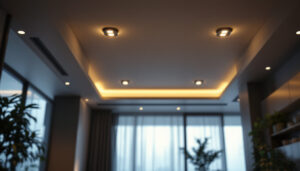
In residential settings, ambiance and comfort are paramount. Warm white LEDs (2700K to 3000K) create inviting atmospheres in living rooms, bedrooms, and dining areas. Dimmable bulbs offer flexibility, allowing homeowners to adjust lighting levels to suit different activities.
Contractors should also consider the bulb’s size and shape to fit existing fixtures. Common options include A19 bulbs for general use and BR30 or PAR30 bulbs for recessed lighting. Energy Star-rated products ensure compliance with efficiency standards and often come with manufacturer warranties, providing peace of mind to clients. Additionally, smart LED bulbs are gaining popularity in residential applications, allowing homeowners to control their lighting through smartphone apps or voice-activated devices. This technology not only enhances convenience but also enables users to create customized lighting scenes that can change with their mood or activity, from bright and energizing to soft and relaxing.
Commercial and Office Spaces
For commercial environments, the focus shifts to productivity and visual comfort. Neutral white LEDs (3500K to 4100K) are ideal for offices, retail stores, and healthcare facilities, offering a balance between warmth and brightness. High CRI bulbs (above 80) improve color accuracy, which is crucial in settings like clothing stores or medical examination rooms.
Contractors should also evaluate the compatibility of LED bulbs with existing dimming systems and controls. Integrating LEDs with smart lighting controls can enhance energy savings and user experience, a growing trend in modern commercial installations. Furthermore, the implementation of circadian lighting systems, which mimic natural daylight patterns, can significantly improve employee well-being and productivity. These systems adjust the color temperature and intensity of light throughout the day, aligning with our natural biological rhythms and promoting a healthier work environment.
Industrial and Outdoor Lighting
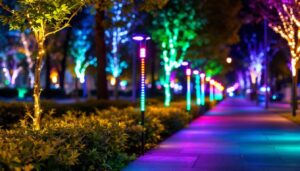
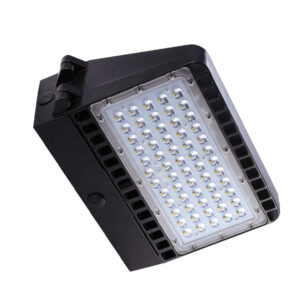
Industrial and outdoor applications demand robust, high-performance LED bulbs. These environments often require bulbs with higher lumen output and wider operating temperature ranges. Cool white LEDs (5000K to 6500K) provide bright, clear illumination that enhances safety and visibility.
Durability features such as impact resistance, moisture protection (IP ratings), and surge protection are critical. Lighting contractors should select bulbs designed to withstand harsh conditions and comply with local regulations for outdoor lighting to minimize light pollution and energy waste. In addition, the use of advanced optics in industrial LED fixtures can help direct light precisely where it is needed, reducing glare and improving safety for workers in manufacturing plants or construction sites. Moreover, the integration of motion sensors and timers can optimize energy usage by ensuring that lights are only on when necessary, further contributing to overall efficiency and sustainability in industrial settings.
Mastering Installation and Maintenance for Optimal LED Performance
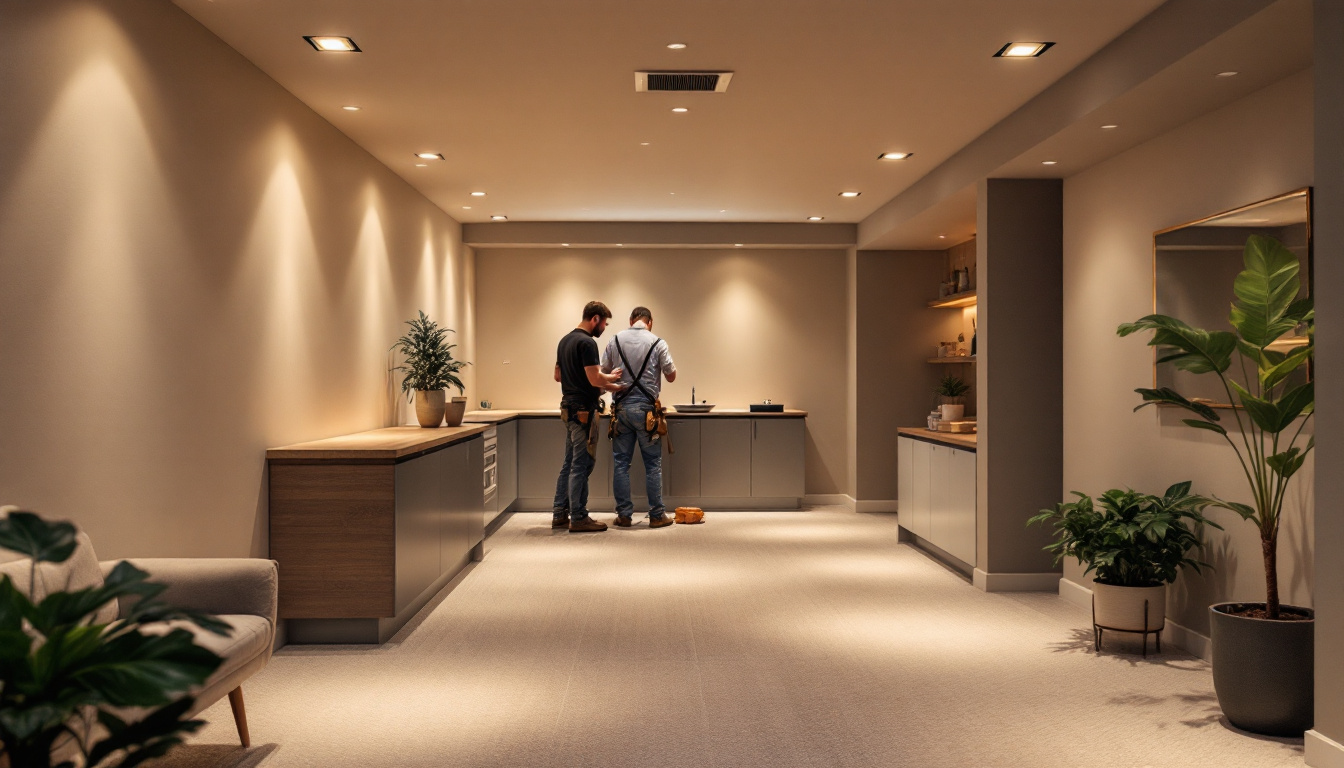
Even the best LED bulbs can underperform if not installed and maintained properly. Lighting contractors play a crucial role in ensuring that LED lighting systems deliver their promised benefits.
Proper Installation Techniques
LED bulbs often require specific fixtures or drivers to operate correctly. Contractors should verify voltage compatibility and ensure that fixtures support the bulb’s wattage and size. Using incompatible dimmers or controls can cause flickering, reduced lifespan, or failure.
Attention to heat dissipation is vital. Although LEDs produce less heat than traditional bulbs, they are sensitive to high temperatures. Installing bulbs in enclosed fixtures without adequate ventilation can shorten their lifespan. Selecting bulbs with built-in heat sinks or using fixtures designed for LEDs helps mitigate this risk.
Routine Maintenance and Troubleshooting
Regular inspection of LED installations can prevent premature failures. Contractors should check for signs of discoloration, flickering, or dimming, which may indicate electrical issues or bulb degradation. Cleaning fixtures and lenses enhances light output and prevents dust accumulation that can affect performance.
When troubleshooting, it’s important to isolate the problem—whether it’s the bulb, fixture, wiring, or control system. Using LED-specific testing tools and consulting manufacturer guidelines ensures accurate diagnosis and effective repairs.
Emerging Trends and Innovations in LED Lighting
Staying informed about the latest developments in LED technology empowers lighting contractors to offer cutting-edge solutions and maintain a competitive edge.
Smart Lighting Integration
Smart LED bulbs with wireless connectivity enable advanced control options such as scheduling, color tuning, and remote operation via smartphones or voice assistants. These features enhance energy efficiency and user convenience, especially in commercial and residential markets.
Contractors should familiarize themselves with popular smart lighting protocols like Zigbee, Z-Wave, and Wi-Fi, and understand compatibility with home automation systems. Proper integration requires careful planning to avoid interference and ensure seamless user experience.
Human-Centric Lighting
Human-centric lighting (HCL) adjusts color temperature and intensity throughout the day to support circadian rhythms and improve well-being. LEDs capable of dynamic tuning are increasingly in demand for workplaces, healthcare, and educational facilities.
Lighting contractors can leverage HCL by recommending bulbs and control systems that offer tunable white light, helping clients create healthier and more productive environments.
Advances in LED Efficiency and Sustainability
Continuous improvements in LED chip technology and materials have pushed luminous efficacy beyond 200 lm/W in some products, significantly reducing energy consumption. Sustainable manufacturing practices and recyclable components also contribute to greener lighting solutions.
Contractors should prioritize products with verified certifications such as Energy Star, DLC (DesignLights Consortium), and UL listings to ensure quality and environmental responsibility.
Conclusion: Elevating Your Expertise as a Lighting Contractor
Choosing the best LED light bulb is a multifaceted decision that requires technical knowledge, practical experience, and awareness of client needs. By mastering the nuances of LED technology, application-specific requirements, installation best practices, and emerging trends, lighting contractors can deliver superior lighting solutions that enhance spaces, save energy, and satisfy customers.
Investing time in continuous education and staying updated with industry standards will not only improve project outcomes but also position contractors as trusted experts in the evolving world of LED lighting.
Discover Unmatched Lighting Solutions with LumenWholesale
Ready to elevate your lighting projects with the highest quality LED bulbs? Look no further than LumenWholesale, where we specialize in providing spec-grade lighting products at unbeatable wholesale prices. Say goodbye to local distributor markups and hello to a vast selection of reliable, high-performance lighting that meets the most rigorous industry standards. With the added benefits of free shipping on bulk orders, you can ensure your projects shine with premium lighting at the best value. Don’t compromise on quality or cost—experience the LumenWholesale difference today.