Understanding the Basics of Color Landscape Lighting
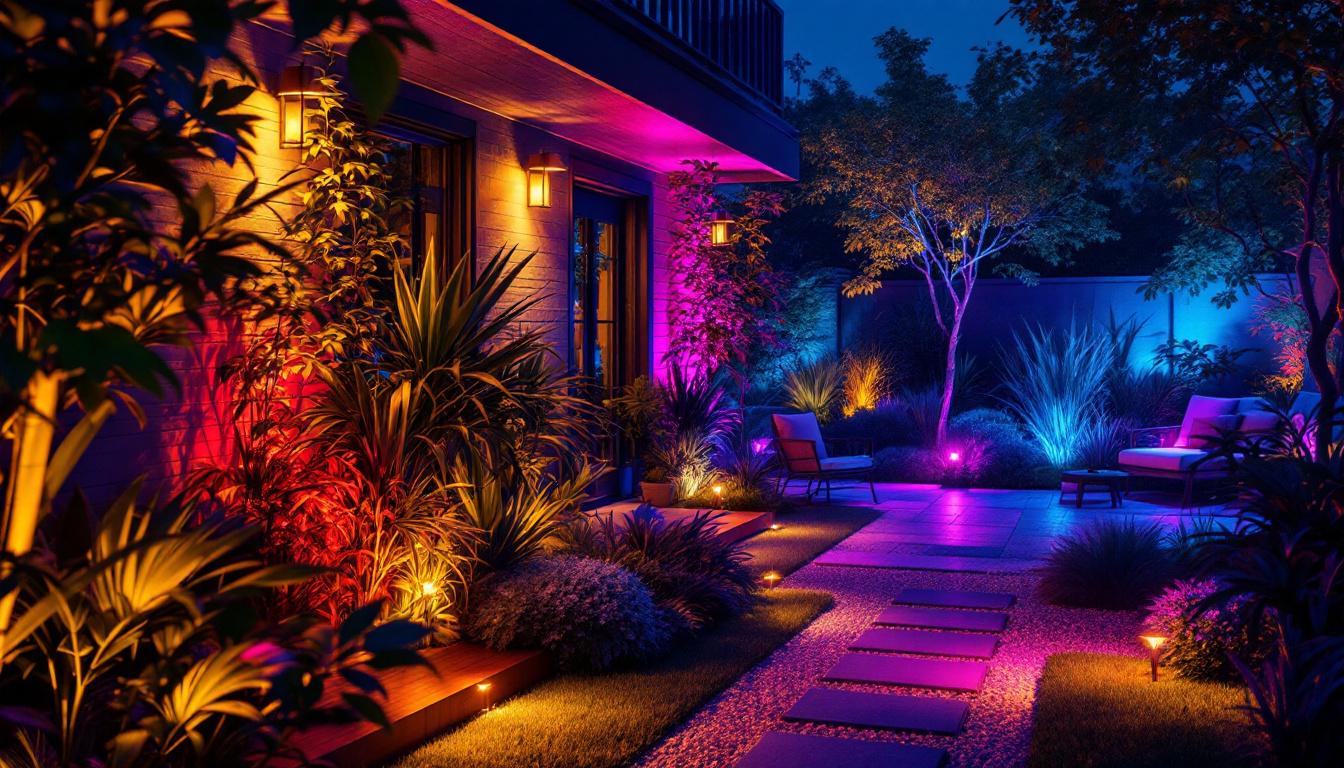
Color landscape lighting has transformed outdoor spaces from simple illumination to dynamic, expressive environments. For lighting contractors, mastering this art means more than just installing fixtures—it involves understanding how color impacts mood, perception, and functionality in outdoor settings.
At its core, color landscape lighting uses LED technology to produce a range of hues, allowing for tailored ambiance and highlighting architectural or natural features. Unlike traditional white lighting, color lighting offers versatility that can elevate a project’s aesthetic and client satisfaction.
However, the complexity of color options can intimidate contractors who are accustomed to standard lighting setups. Simplifying the approach to color lighting can streamline installations, reduce troubleshooting, and enhance project outcomes.
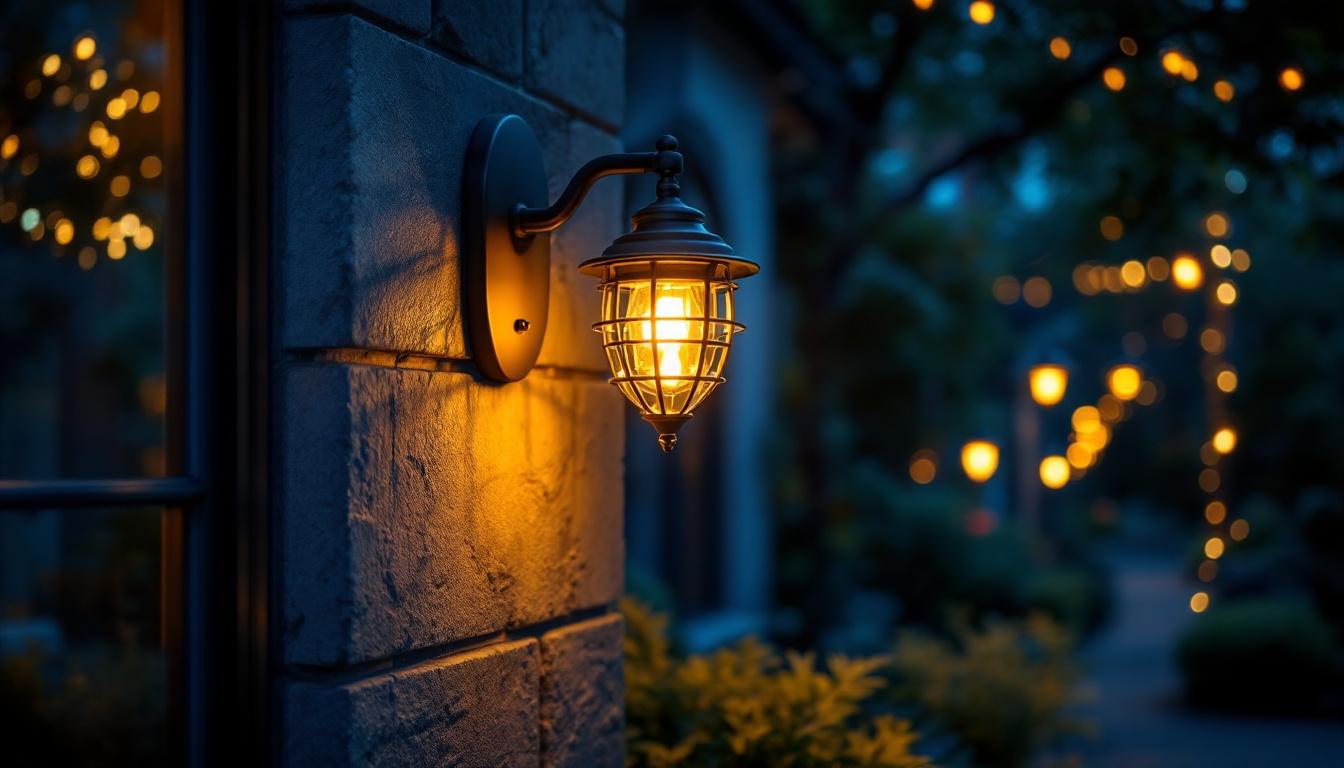
One of the key advantages of color landscape lighting is its ability to create different atmospheres for various occasions. For instance, a warm amber glow can evoke a cozy, intimate setting for evening gatherings, while vibrant blues and greens can energize a space during outdoor events or parties. This adaptability not only caters to the preferences of homeowners but also allows contractors to showcase their creativity and expertise in designing unique lighting schemes that resonate with the intended use of the space.
Moreover, the integration of smart technology into color landscape lighting systems has opened new avenues for customization. Homeowners can now control their outdoor lighting through mobile apps, adjusting colors and brightness levels to suit their moods or specific events. This level of interactivity not only enhances user experience but also positions contractors as forward-thinking professionals who are adept at incorporating the latest technological advancements into their designs, ultimately leading to more satisfied clients and repeat business.
Why Color Lighting Matters to Your Clients
Clients increasingly seek outdoor lighting that does more than just brighten pathways or patios. They want lighting that creates atmosphere, enhances safety, and adds value to their properties. Color landscape lighting meets these demands by offering customizable effects that can change with seasons, events, or moods.
Consider a residential client who wants soft amber tones to complement fall foliage or a commercial property aiming for branded colors during holidays. These requests highlight the importance of flexibility in your lighting solutions. Understanding client goals upfront helps you recommend the right products and control systems. Moreover, the ability to adjust lighting schemes based on the time of day or special occasions allows clients to maximize their outdoor spaces, ensuring they are inviting and functional at all hours.
Enhancing Aesthetic Appeal
Color lighting can accentuate textures, shapes, and focal points in a landscape. For example, a deep blue wash over a water feature can create a calming effect, while warm reds and oranges can energize a garden space. Knowing how colors interact with natural elements and materials ensures your installations achieve the intended visual impact. Additionally, using color lighting can transform ordinary landscapes into extraordinary experiences. For instance, illuminating trees with varying shades of green can evoke a sense of tranquility, while vibrant purples and pinks can create a whimsical atmosphere for evening gatherings. This versatility allows clients to express their personal style and enhances the overall enjoyment of their outdoor environments.
Improving Safety and Functionality
Beyond aesthetics, color lighting can improve safety by differentiating zones or highlighting steps and pathways with subtle hues. Using softer colors in low-traffic areas reduces glare, while brighter colors can signal entrances or exits. This dual purpose of color lighting enhances both beauty and usability. Furthermore, strategically placed color lights can guide guests through a property, making navigation intuitive and seamless. For instance, a gentle blue hue along a walkway can create a serene path, while a bright white light at the front door ensures visitors feel welcomed and secure. By considering both the functional and decorative aspects of color lighting, you can help clients achieve a harmonious balance that elevates their outdoor spaces while prioritizing safety and accessibility.
Simplifying Product Selection and Installation
The market offers a vast array of color landscape lighting fixtures, controllers, and accessories. For contractors, this variety can be overwhelming. Simplification begins with focusing on reliable, user-friendly products that integrate well with existing systems.
Choosing the Right Fixtures
Opt for LED fixtures with adjustable color temperatures and RGB capabilities. Fixtures with built-in color mixing reduce the need for multiple light sources. Look for IP-rated products that withstand outdoor conditions, ensuring longevity and reducing maintenance calls.
Fixtures with modular designs can also simplify installation and future upgrades. For example, some models allow swapping lenses or adjusting beam angles without replacing the entire unit, saving time and cost. Additionally, consider fixtures that come with integrated sensors for motion detection or ambient light adjustment. These features not only enhance energy efficiency but also provide an added layer of security, making the landscape more functional and appealing during nighttime hours.
Streamlining Control Systems
Control systems are the heart of color landscape lighting. Wireless controllers that support multiple zones and scenes offer flexibility without complex wiring. Many modern systems come with intuitive smartphone apps, enabling clients to adjust colors and schedules easily.
When selecting control solutions, prioritize compatibility with popular smart home platforms and ease of programming. This reduces the learning curve for both contractors and clients, minimizing service calls related to user errors. Furthermore, consider systems that allow for voice control integration with assistants like Amazon Alexa or Google Assistant. This not only enhances user experience but also keeps the lighting system at the forefront of technological advancements, appealing to a tech-savvy clientele. As the demand for smart home features continues to rise, offering such integrations can set contractors apart in a competitive market.
Best Practices for Installation and Programming
Proper installation and programming are critical to delivering a seamless color lighting experience. Following a few best practices can prevent common pitfalls and enhance client satisfaction.
Planning the Layout
Start with a detailed site assessment to determine optimal fixture placement. Consider sightlines, vegetation growth, and power availability. Mapping out zones for different colors or effects helps organize wiring and control setup.
Keep wiring runs as short and direct as possible to reduce voltage drop, which can affect color consistency. Using higher gauge wire for longer runs maintains performance. Additionally, think about the future; if the client plans to expand their lighting system, leave room for additional fixtures and wiring. This foresight can save time and money down the line, ensuring that the installation remains flexible and adaptable to changing needs.
Calibrating Colors and Scenes
During programming, test colors in the actual environment at night. Colors can appear different outdoors due to ambient light and surface reflectivity. Adjust brightness and saturation to achieve the desired effect without overpowering the space. Take into account how different surfaces, such as stone, wood, or water, can alter the perception of color and intensity. This attention to detail ensures that the lighting complements the architecture and landscaping rather than competing with it.
Set up scenes that clients can easily select, such as “Relax,” “Party,” or “Holiday.” Providing a few preset options simplifies operation and encourages client engagement with their lighting system. Consider incorporating dynamic scenes that can change gradually, such as a sunset transition or a gentle fade, to enhance the ambiance and create a more immersive experience. This not only showcases the capabilities of the lighting system but also allows clients to enjoy their space in new and exciting ways.
Educating Clients
Spend time demonstrating how to use the control app or panel. Clear instructions reduce frustration and empower clients to make the most of their investment. Providing quick reference guides or video tutorials can be valuable post-installation resources. Encourage clients to experiment with different settings and colors, fostering a sense of ownership over their lighting design. This hands-on approach not only builds confidence but also enhances their appreciation for the technology and artistry involved in their lighting system.
Additionally, consider scheduling follow-up visits or check-ins to address any questions or concerns that may arise after installation. This ongoing support can help clients feel more connected to their lighting system and encourage them to explore new features as they become more comfortable with the technology. By maintaining an open line of communication, you can also gather valuable feedback that can inform future projects and improve your overall service offering.
Common Challenges and How to Overcome Them
Even with simplification, color landscape lighting presents challenges that contractors should anticipate.
Color Consistency Issues
Different fixtures or LED batches can produce slight color variations. To mitigate this, source fixtures from reputable manufacturers with strict quality control. Test all fixtures together before installation when possible.
Power and Voltage Concerns
Color LEDs can be sensitive to voltage fluctuations, leading to flickering or color shifts. Properly sized transformers and wiring help maintain stable power. Using constant current drivers ensures consistent LED performance.
Environmental Factors
Outdoor conditions such as moisture, temperature extremes, and dirt can degrade fixtures and controls. Selecting IP65 or higher rated equipment and sealing connections protects against these elements. Regular maintenance schedules prolong system life.
Maximizing Profitability with Color Landscape Lighting
Adding color lighting to your service offerings can boost revenue and differentiate your business. It opens opportunities for upselling premium fixtures, control systems, and ongoing maintenance contracts.
Bundling Services
Offer packages that include design consultation, installation, programming, and seasonal updates. Clients appreciate turnkey solutions that simplify their experience and ensure consistent quality.
Training and Certification
Investing in training on color lighting technologies and control platforms enhances your credibility. Certifications from manufacturers or industry groups reassure clients about your expertise.
Showcasing Your Work
Document completed projects with high-quality photos and videos demonstrating color effects. Sharing these on your website and social media attracts new clients and showcases your capabilities.
Looking Ahead: Trends Lighting Contractors Should Watch
Technology continues to evolve rapidly in color landscape lighting. Staying informed about emerging trends helps contractors stay competitive.
Integration with Smart Home Ecosystems
More clients expect seamless integration of outdoor lighting with their smart home systems. Voice control, geofencing, and automation based on weather or occupancy are becoming standard features.
Energy Efficiency and Sustainability
Advances in LED efficiency and solar-powered color lighting systems reduce environmental impact and operational costs. Offering green solutions appeals to eco-conscious clients.
Advanced Control and Effects
Dynamic lighting effects such as color fades, chases, and music synchronization are gaining popularity. These features require sophisticated controllers but deliver memorable experiences.
Conclusion
Color landscape lighting offers lighting contractors a powerful tool to enhance outdoor spaces and satisfy clients’ evolving tastes. Simplifying product choices, installation methods, and programming techniques makes these projects manageable and profitable.
By focusing on quality fixtures, user-friendly controls, and client education, contractors can deliver stunning, reliable color lighting installations. Embracing ongoing trends and technologies ensures continued growth and relevance in a competitive market.
Illuminate Your Projects with LumenWholesale
Ready to elevate your color landscape lighting installations with the finest products on the market? At LumenWholesale, we provide lighting contractors with the tools needed to create captivating outdoor spaces. Our spec-grade lighting solutions come at unbeatable wholesale prices, ensuring you get the best value for your projects. Say goodbye to inflated markups and hello to a vast selection of high-performance lighting that meets the highest industry standards. Plus, with free shipping on bulk orders, you can stock up on premium lighting without any hidden fees. Don’t compromise on quality or cost. Choose LumenWholesale for a seamless blend of excellence, affordability, and convenience. Wholesale Lighting at the Best Value is just a click away.