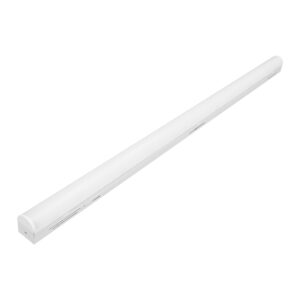
Understanding the Importance of Choosing the Right 4-Foot LED Replacement Bulbs
Lighting contractors often face the challenge of selecting the most suitable LED replacement bulbs for various applications. The 4-foot LED bulb is a common choice for commercial and industrial settings, replacing traditional fluorescent tubes. However, not all LED replacements are created equal. Picking the right bulb can significantly impact energy efficiency, maintenance costs, and overall lighting quality.
Energy savings remain a top priority. LED bulbs consume up to 50-70% less energy compared to fluorescent tubes, depending on the model and installation. This reduction translates into substantial cost savings for clients, especially in large-scale facilities with extensive lighting systems. Beyond energy, LED bulbs also offer longer lifespans—often exceeding 50,000 hours—meaning fewer replacements and less downtime. Additionally, many LED options are designed to be more environmentally friendly, containing no hazardous materials like mercury, which is commonly found in fluorescent tubes. This aspect not only aligns with sustainability goals but also simplifies disposal processes, making LED bulbs a more responsible choice for eco-conscious businesses.
Lighting contractors must balance these factors with the specific needs of each project. Whether retrofitting an office, warehouse, or retail space, understanding the nuances of 4-foot LED replacement bulbs ensures optimal performance and client satisfaction. Factors such as color temperature, lumens output, and beam angle play crucial roles in achieving the desired ambiance and functionality of a space. For instance, a cooler color temperature may be more suitable for work environments where focus and alertness are paramount, while warmer tones can create a welcoming atmosphere in retail settings. Furthermore, the ability to dim LED fixtures adds another layer of versatility, allowing for tailored lighting solutions that can adapt to different activities throughout the day. By considering these variables, contractors can provide tailored recommendations that enhance both the aesthetic and practical aspects of their clients’ lighting needs.
Key Specifications to Evaluate Before Installation
Wattage and Lumen Output
One of the first considerations is the wattage of the LED replacement bulb. While LEDs use less power, it’s essential to select a bulb that delivers sufficient brightness. Lumens measure the total amount of visible light emitted, and a 4-foot LED tube typically ranges from 1,500 to 3,500 lumens.
For example, a standard fluorescent 32-watt T8 tube produces around 2,500 lumens. A comparable LED replacement might consume only 15-18 watts but provide the same or better brightness. Lighting contractors should always verify lumen output rather than relying solely on wattage to ensure the space receives adequate illumination. Additionally, it’s worth noting that the efficiency of LED technology continues to improve, meaning newer models may offer higher lumen output for even lower wattage, making them an increasingly attractive option for energy-conscious consumers.
Furthermore, the distribution of light is also a critical factor. Some LED tubes provide a more focused beam angle, which can be beneficial in applications where directed lighting is necessary, such as in display cases or workstations. Conversely, a wider beam angle may be preferable in larger areas where ambient light is required. Understanding the specific lighting needs of a space can help in selecting the most appropriate LED tube for optimal performance.
Color Temperature and Color Rendering Index (CRI)
Color temperature, measured in Kelvins (K), affects the ambiance and functionality of a space. Common options for 4-foot LED tubes include 3000K (warm white), 4000K (neutral white), and 5000K (daylight). Choosing the right color temperature depends on the environment. For instance, warmer tones suit hospitality or retail spaces, while cooler tones work well in offices and industrial areas.
CRI is equally important. It indicates how accurately a light source reveals colors compared to natural light. A CRI of 80 or above is generally recommended for commercial spaces. Higher CRI bulbs ensure that colors appear vibrant and true, which can be critical in settings like retail stores or design studios. Additionally, the choice of color temperature can influence mood and productivity; studies have shown that cooler light can enhance alertness and concentration, making it a popular choice for educational and work environments.
Moreover, it’s essential to consider the potential for color consistency across multiple fixtures. Variations in color temperature or CRI among different LED tubes can lead to an uneven lighting experience, which may detract from the overall aesthetic of a space. Therefore, sourcing LED tubes from the same manufacturer and ensuring they are from the same production batch can help maintain uniformity in lighting quality.
Compatibility with Existing Fixtures and Ballasts
One of the trickiest aspects of LED tube replacement is ensuring compatibility with existing fixtures. Some LED tubes are designed to work with the existing fluorescent ballast (plug-and-play), while others require bypassing or removing the ballast (direct wire or ballast bypass). Each approach has pros and cons.
Plug-and-play tubes are easier and faster to install but may face issues if the ballast fails or is incompatible with the LED tube’s specifications. Ballast bypass tubes eliminate ballast maintenance and improve energy savings but require rewiring, which may increase labor costs and installation time. It’s also crucial to consider the age and condition of the existing fixtures; older fixtures may not be optimized for LED technology, potentially leading to inefficiencies or reduced performance.
Lighting contractors should assess the condition and type of existing ballasts before recommending a solution. This step avoids costly callbacks and ensures safety and compliance with electrical codes. Additionally, understanding the specific application of the lighting can influence the choice of installation method. For instance, in environments where frequent on/off cycling occurs, such as in retail spaces, using LED tubes that are compatible with existing ballasts may provide a quicker and less disruptive solution while still offering energy savings.
Installation Best Practices for Lighting Contractors
Safety First: Handling and Wiring
LED replacement bulbs are generally safer than fluorescent tubes, as they do not contain mercury. However, proper handling is still crucial. Contractors should wear gloves to avoid oils from hands affecting the bulb’s surface and ensure that power is turned off before installation.
When dealing with ballast bypass installations, it’s critical to follow manufacturer wiring diagrams precisely. Incorrect wiring can lead to bulb damage or electrical hazards. Labeling circuits and documenting changes during installation helps future maintenance and troubleshooting.
Testing and Quality Assurance
After installation, testing the lighting system is essential. Check for flickering, dimming, or uneven light distribution. Flickering can be a sign of incompatible ballasts or wiring issues. Additionally, verify that the color temperature and brightness meet project specifications.
Lighting contractors should also inspect for physical damage and ensure all tubes are securely seated in the fixture sockets. Taking photos and notes during the final walkthrough can provide valuable records for clients and warranty claims.
Common Challenges and How to Overcome Them
Dealing with Flickering and Buzzing
Flickering and buzzing are common complaints after LED tube installation. These issues often stem from ballast incompatibility or aging ballasts that struggle to regulate current for LED tubes. The simplest fix is to switch to ballast bypass tubes, which eliminate the ballast from the circuit.
In cases where ballast replacement is necessary, contractors should recommend high-quality electronic ballasts rated for LED compatibility. This approach can extend fixture life and reduce maintenance frequency.
Ensuring Uniform Lighting in Large Spaces
Large commercial or industrial spaces require consistent lighting to avoid dark spots or glare. Contractors should consider the spacing and placement of fixtures when replacing bulbs. Using LED tubes with wide beam angles can improve light distribution.
Sometimes, a combination of LED tubes with different color temperatures or lumen outputs is necessary to achieve the desired effect. Consulting lighting design guidelines and using lighting simulation software can help plan effective layouts.
Maximizing Client Value with LED Replacement Bulbs
Energy Savings and Return on Investment
Clients often want to understand the financial benefits of switching to LED replacement bulbs. Lighting contractors can provide detailed energy consumption comparisons and payback period estimates. For example, replacing 100 fluorescent tubes with LEDs can reduce energy costs by thousands of dollars annually, depending on usage.
Highlighting the reduced maintenance frequency and longer lifespan of LEDs also strengthens the value proposition. Less downtime for bulb replacements means increased productivity and fewer disruptions.
Leveraging Rebates and Incentives
Many utility companies and government programs offer rebates or incentives for upgrading to energy-efficient LED lighting. Lighting contractors should stay informed about local programs and assist clients in applying for these benefits. This can significantly lower upfront costs and make LED upgrades more attractive.
Providing Ongoing Support and Maintenance
Offering maintenance contracts or periodic inspections can build long-term client relationships. Regular checks ensure that LED systems continue to perform optimally and can catch issues before they escalate. Contractors who provide this level of service differentiate themselves in a competitive market.
Conclusion: Practical Tips for Lighting Contractors
Success with 4-foot LED replacement bulbs hinges on careful product selection, thorough understanding of technical specifications, and meticulous installation practices. Lighting contractors who prioritize compatibility, safety, and client education will deliver superior results.
Always verify lumen output and color temperature to match project needs. Evaluate existing fixtures and ballasts before recommending plug-and-play or ballast bypass solutions. Address common issues like flickering proactively and plan lighting layouts thoughtfully to ensure uniform illumination.
By combining technical expertise with clear communication about energy savings and maintenance benefits, lighting contractors can help clients make informed decisions that enhance lighting quality and reduce operational costs.
Illuminate Your Projects with LumenWholesale
Ready to enhance your lighting projects with the highest quality 4-foot LED replacement bulbs? Look no further than LumenWholesale, where we provide contractors with spec-grade lighting solutions at unbeatable wholesale prices. Say goodbye to local distributor markups and hello to our premium selection that meets rigorous industry standards. With free shipping on bulk orders, LumenWholesale is your go-to source for reliable lighting that marries affordability with performance. Elevate your lighting game and give your clients the best value by visiting Wholesale Lighting at the Best Value today.