Understanding RGB LED Basics: Why Color Matters
RGB LED technology has become a cornerstone in modern lighting design. For lighting contractors, mastering the nuances of RGB LEDs is essential—not just for aesthetic appeal but for precise control over ambiance, mood, and functionality. RGB stands for Red, Green, and Blue, the three primary colors of light that combine in various intensities to produce a full spectrum of colors.
Each RGB LED contains three separate diodes, one for each color. By adjusting the brightness of each diode, you can create millions of color variations. This flexibility is why RGB LEDs are favored in commercial spaces, architectural lighting, entertainment venues, and residential projects alike. However, understanding how to interpret and use RGB values effectively is crucial for delivering results that meet client expectations.
The Importance of Accurate Color Representation
Lighting contractors often face challenges when translating digital color values into real-world lighting. The perceived color can shift depending on the LED quality, power supply, and environmental factors. For example, an RGB value that looks perfect on a screen might appear washed out or overly saturated in a large room.
Using a reliable RGB LED light color chart helps bridge this gap. It serves as a reference point, allowing contractors to predict how specific RGB combinations will look once installed. This reduces guesswork, minimizes costly adjustments, and ensures consistency across multiple fixtures.
Moreover, the context in which RGB LEDs are used can significantly influence their effectiveness. In spaces designed for relaxation, such as lounges or spas, softer hues like pastel blues and greens can create a tranquil atmosphere. In contrast, vibrant reds and yellows might be more suitable for energetic environments like gyms or entertainment venues. Understanding the psychological effects of color can empower contractors to make informed decisions that enhance the overall experience for occupants.
Additionally, advancements in RGB LED technology, such as the introduction of smart lighting systems, have further expanded the possibilities for lighting design. These systems allow for remote control and programming of color changes, enabling dynamic lighting scenarios that can adapt to different times of day or specific events. This not only adds a layer of convenience but also opens up new creative avenues for contractors looking to impress their clients with innovative solutions.
Decoding the RGB LED Light Color Chart
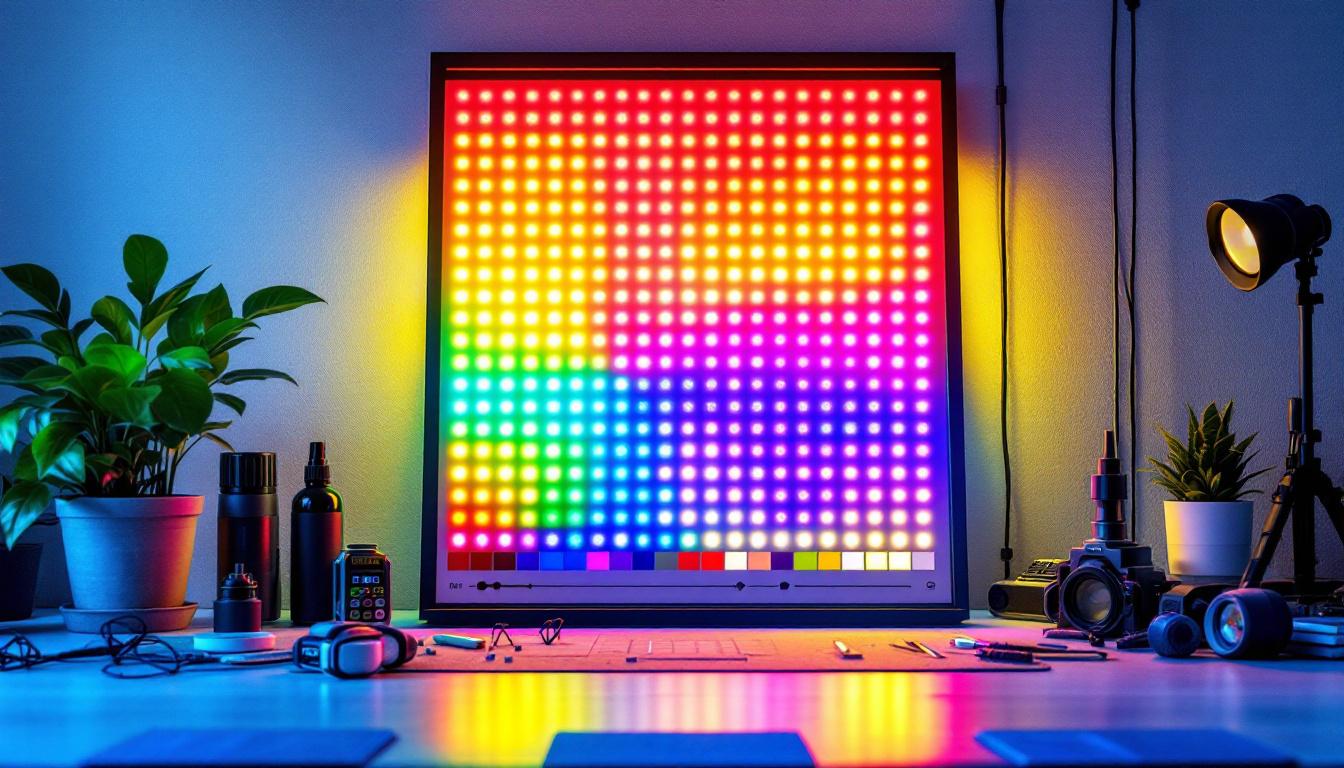
At its core, an RGB LED light color chart maps out the relationship between RGB values and the colors they produce. Typically, the chart lists RGB triplets-numbers ranging from 0 to 255 for each red, green, and blue component-and the corresponding color swatch. For example, (255, 0, 0) represents pure red, while (0, 255, 0) is pure green.
Lighting contractors should be familiar with several key points when using these charts:
1. Understanding RGB Values
Each value in the RGB triplet controls the intensity of its respective color diode. A higher number means brighter light from that diode. Combining these intensities creates the final color. For instance, (255, 255, 255) produces white light by mixing full intensities of red, green, and blue.
It’s important to note that not all RGB LEDs are created equal. Variations in diode quality and manufacturing can cause slight differences in color output even at the same RGB values. This is why contractors should test samples from their suppliers before committing to large installations. Additionally, the viewing environment can also affect how colors appear; factors such as wall color, furniture, and even the time of day can alter perceptions of color, making it essential for contractors to consider these elements during the design phase.
2. Color Temperature and White Balance
While RGB LEDs can create white light, it often differs from the warm or cool white produced by dedicated white LEDs. The color temperature of RGB-generated white light tends to be cooler and less natural. This can impact the overall feel of a space, especially in residential or hospitality settings.
For projects requiring precise white light, combining RGB LEDs with separate warm and cool white LEDs or using tunable white fixtures may be necessary. Understanding how RGB values translate to color temperature helps contractors advise clients accurately and select the right products. Furthermore, the ability to adjust color temperature dynamically can enhance the versatility of a lighting design, allowing spaces to adapt to different moods or activities throughout the day, from energizing bright whites for workspaces to soothing warm tones for relaxation in the evening.
3. Common RGB Color Codes for Lighting
Familiarity with standard RGB codes streamlines communication with clients and suppliers. Here are a few essential colors and their RGB values:
- Red: (255, 0, 0)
- Green: (0, 255, 0)
- Blue: (0, 0, 255)
- Yellow: (255, 255, 0)
- Cyan: (0, 255, 255)
- Magenta: (255, 0, 255)
- White: (255, 255, 255)
These colors form the basis for more complex combinations and effects. Contractors should keep a handy color chart or digital tool on site to quickly reference these values during installations. Moreover, understanding color theory can further enhance a contractor’s ability to create visually appealing designs. By mixing different RGB values, contractors can produce a wide spectrum of colors, allowing for creative lighting solutions that can transform a space. For instance, a soft lavender can be achieved with a mix of (200, 150, 255), while a vibrant orange can be created using (255, 165, 0). This flexibility not only meets aesthetic demands but also allows for customization tailored to the client’s specific preferences and the intended atmosphere of the space.
Practical Applications: Using RGB LED Color Charts on the Job
Knowing the theory behind RGB LEDs is one thing. Applying that knowledge effectively on the job is another. Lighting contractors can leverage RGB LED light color charts in various ways to improve project outcomes.
Design and Client Consultation
Clients often have difficulty visualizing how RGB lighting will look in their space. Using a color chart during consultations allows contractors to demonstrate potential color schemes and effects clearly. This visual aid can speed up decision-making and reduce misunderstandings.
Some contractors use digital apps or software that simulate RGB lighting based on input values. These tools, combined with physical color charts, provide a comprehensive approach to client presentations.
Installation and Calibration
During installation, RGB LED color charts serve as a reference for setting controllers and dimmers. Contractors can match the desired RGB values precisely, ensuring that the lighting aligns with the design intent.
Calibration is particularly important in projects with multiple fixtures or zones. Consistent color output across all LEDs depends on accurate RGB value settings and proper power distribution.
Troubleshooting and Maintenance
When colors appear off or inconsistent, an RGB LED light color chart helps diagnose the issue. Contractors can compare the actual output to the expected values, identifying problems such as faulty diodes, incorrect wiring, or controller malfunctions.
Regular maintenance checks using the color chart can prevent long-term issues and maintain optimal lighting performance.
Advanced Tips for Lighting Contractors
Beyond basic RGB color matching, several advanced considerations can elevate a contractor’s expertise and project quality.
Consider the Impact of Ambient Light
Ambient lighting conditions influence how RGB colors are perceived. For example, bright daylight can wash out certain colors, while dim environments enhance vibrancy. Contractors should assess the installation environment carefully and adjust RGB values accordingly.
Using dimmers and programmable controllers allows for dynamic adjustments based on time of day or event, maximizing the effectiveness of RGB lighting.
Leverage Color Mixing Techniques
RGB LEDs can create colors beyond the basic palette by mixing different intensities. For example, soft pastels or deep jewel tones can be achieved by fine-tuning the red, green, and blue levels. This capability is invaluable for custom lighting designs and branding applications.
Experimenting with gradual color transitions and fades can add sophistication to installations, especially in hospitality or retail spaces.
Account for LED Quality and Lifespan
Not all RGB LEDs perform equally over time. Lower-quality diodes may shift color or dim faster, affecting the overall lighting scheme. Contractors should prioritize high-quality components and verify manufacturer specifications.
Additionally, understanding the expected lifespan and maintenance requirements of RGB LEDs helps in planning long-term service contracts and warranties.
Choosing the Right Tools and Resources
To maximize the benefits of RGB LED light color charts, lighting contractors should invest in reliable tools and resources.
Color Measurement Devices
Handheld color meters and spectrometers provide objective measurements of light output. These devices can verify that RGB LEDs are producing the intended colors and intensities, reducing reliance on subjective visual assessments.
Software and Mobile Apps
Several software solutions simulate RGB lighting effects and generate color charts tailored to specific LED models. Mobile apps can also control RGB fixtures remotely, allowing contractors to experiment with colors on site and demonstrate options to clients in real time.
Supplier Support and Documentation
Working closely with LED manufacturers and suppliers ensures access to accurate color charts, technical data sheets, and application notes. This collaboration helps contractors stay updated on the latest advancements and troubleshoot issues effectively.
Summary: Mastering RGB LED Color for Superior Lighting Projects
For lighting contractors, understanding and utilizing RGB LED light color charts is more than a technical requirement-it’s a pathway to delivering exceptional lighting solutions. Accurate color representation, informed by reliable charts and supported by quality tools, leads to satisfied clients and successful projects.
By combining foundational knowledge with practical application and advanced techniques, contractors can harness the full potential of RGB LED technology. This expertise not only enhances project outcomes but also positions contractors as trusted professionals in a competitive market.
Illuminate Your Projects with LumenWholesale
Ready to elevate your lighting projects with the vibrant possibilities of RGB LED technology? At LumenWholesale, we provide lighting contractors with the superior, spec-grade lighting products you need at unbeatable wholesale prices. Say goodbye to inflated markups and hello to a vast selection of industry-standard, high-performance lighting solutions. With the added convenience of free shipping on bulk orders, LumenWholesale is your go-to source for premium lighting without hidden fees or compromises. Don’t miss out on the perfect blend of quality, affordability, and convenience. Wholesale Lighting at the Best Value is just a click away!