Understanding Lumens: The Foundation of Kitchen Lighting
When it comes to kitchen lighting, lumens are the true measure of brightness, not watts. Many contractors still hear “watts” and think about how much energy a bulb uses, but lumens tell you how much light is actually emitted. This distinction is crucial because energy-efficient bulbs can produce the same lumens as older, less efficient ones while using far less power.
For kitchens, which serve as multifunctional spaces—cooking, dining, working, and socializing—getting the right lumen output is essential. Too little light can make tasks difficult and unsafe, while too much light can cause glare and discomfort. Understanding how many lumens are needed in different kitchen zones is the first step toward a successful lighting design.
What Exactly Are Lumens?
Lumens measure the total amount of visible light emitted by a source. Unlike watts, which measure energy consumption, lumens tell you how bright a light will appear to the human eye. For example, a 60-watt incandescent bulb produces about 800 lumens, but an LED bulb can produce the same 800 lumens using only 10 watts.
For lighting contractors, specifying lumens rather than watts ensures clients get the brightness they expect without wasting energy. This also helps in selecting the right fixtures and bulbs that meet both aesthetic and functional requirements. In a kitchen, different areas may require varying levels of brightness; for instance, task lighting above the countertop may need around 300-500 lumens per square meter, while ambient lighting can be softer, around 100-200 lumens per square meter. This tailored approach not only enhances the usability of the space but also contributes to the overall atmosphere, making the kitchen a welcoming environment for family and friends.
Moreover, the color temperature of the light, measured in Kelvins, also plays a significant role in how lumens are perceived. A cooler light (above 4000K) can create a bright, energetic feel, ideal for cooking and food preparation, while warmer lights (below 3000K) can evoke a cozy ambiance suitable for dining and relaxation. Therefore, understanding both lumens and color temperature is vital for achieving a balanced and functional kitchen lighting scheme that meets the diverse needs of its users.
How Many Lumens Does a Kitchen Need?
Kitchens require layered lighting to handle different activities-ambient lighting for overall illumination, task lighting for food prep and cooking, and accent lighting to highlight design elements. Each layer demands a different lumen output.
General Ambient Lighting
For general illumination, aim for about 5,000 to 10,000 lumens spread throughout the kitchen. This range covers typical kitchen sizes and ensures the room feels bright and welcoming without harsh shadows. The exact number depends on the kitchen’s square footage, ceiling height, and color scheme.
For example, a 200-square-foot kitchen might need roughly 7,000 lumens in total ambient lighting. This can be achieved through recessed ceiling lights, flush mounts, or LED panels.
Task Lighting: Focused and Functional
Task lighting should be brighter and more focused. Areas like countertops, sinks, and cooking zones require between 3,000 and 5,000 lumens. This ensures clarity when chopping vegetables, reading recipes, or handling hot pans.
Under-cabinet LED strips or puck lights are popular choices because they provide direct light exactly where it’s needed without casting shadows. Lighting contractors should ensure these fixtures have a high Color Rendering Index (CRI) to accurately show food colors.
Accent Lighting: Style Meets Function
Accent lighting is less about brightness and more about creating ambiance. Typically, 500 to 1,000 lumens per fixture is sufficient to highlight architectural details, glass cabinets, or artwork. This layer adds depth and personality to the kitchen without overwhelming the space.
Do’s for Lighting Contractors When Working with Lumens in Kitchens
Do Calculate Lumens Based on Kitchen Size and Use
Every kitchen is unique. Contractors should measure the space and understand how the client uses the kitchen before specifying lumens. A family that cooks daily needs brighter, more focused lighting than someone who primarily uses the kitchen for quick meals.
Use lumen calculators or manufacturer guidelines to estimate the right amount of light for each zone. This avoids under- or over-lighting, both of which can lead to client dissatisfaction.
Do Choose Fixtures with Adjustable Brightness
Dimmable fixtures offer flexibility. Kitchens often transition from bright task lighting during meal prep to softer ambient lighting during dinner or social gatherings. Installing dimmable LEDs or fixtures compatible with smart controls allows clients to tailor lighting to their mood and needs.
Do Prioritize High CRI Lighting
Color accuracy is vital in kitchens. A high CRI (above 80, ideally 90+) ensures that food looks natural and appealing. This is especially important in commercial kitchens or homes where aesthetics matter.
Contractors should specify bulbs and fixtures that maintain color fidelity, avoiding cheap LEDs that distort colors or create a cold, unnatural atmosphere.
Do Account for Fixture Placement to Minimize Shadows
Shadows can be a major problem in kitchens, especially around work surfaces. Position task lights so they illuminate the work area without casting shadows from the user’s body or hands.
For example, under-cabinet lighting should be installed at the front edge of cabinets rather than the back to prevent shadows on countertops. Recessed ceiling lights should be spaced evenly to avoid dark spots.
Do Use Layered Lighting Strategies
Combining ambient, task, and accent lighting creates a balanced and functional kitchen environment. Contractors should plan lighting in layers rather than relying on a single source. This approach enhances usability and aesthetics simultaneously.
Don’ts for Lighting Contractors When Working with Lumens in Kitchens
Don’t Rely Solely on High Wattage for Brightness
Watts measure energy consumption, not brightness. Specifying lighting based on watts can lead to inefficient designs or insufficient lighting. Instead, focus on lumens and fixture efficiency.
For instance, recommending a 100-watt incandescent bulb without considering its lumen output might result in poor lighting or excessive energy use. Opt for LEDs with the right lumens instead.
Don’t Overlook the Impact of Color Temperature
Color temperature affects how warm or cool the kitchen feels. A very cool (blueish) light can feel sterile and uninviting, while overly warm lighting can distort colors and reduce visibility.
For kitchens, a color temperature between 2700K and 3500K is generally ideal. This range balances warmth and clarity, making food look appetizing and spaces feel cozy yet functional.
Don’t Ignore Energy Efficiency Standards
Energy codes and client preferences increasingly demand efficient lighting solutions. Avoid specifying outdated incandescent or halogen bulbs that waste energy. Instead, use LEDs or other energy-saving technologies that deliver high lumens at low wattage.
Energy-efficient lighting not only reduces operational costs but also aligns with sustainability goals, which many clients prioritize.
Don’t Neglect Maintenance and Accessibility
Lighting fixtures in kitchens are exposed to grease, moisture, and frequent use. Contractors should select fixtures that are easy to clean and maintain. Avoid fixtures that require complicated disassembly for bulb replacement or cleaning.
Additionally, consider accessibility for future maintenance. Fixtures placed too high or in difficult-to-reach areas can frustrate homeowners and increase service costs.
Don’t Forget to Coordinate with Other Trades
Lighting installation often intersects with cabinetry, plumbing, and electrical work. Coordinate lumen requirements and fixture placement with other contractors early in the project to avoid conflicts and costly adjustments.
For example, under-cabinet lighting needs space and wiring provisions that must be planned during cabinet installation. Early collaboration ensures a smooth workflow and a polished final result.
Practical Tips for Specifying Lumens in Kitchen Projects
Use Layered Lighting Plans in Your Proposals
Present clients with a clear lighting plan that outlines ambient, task, and accent lighting separately. Show how many lumens each layer provides and explain the benefits. This transparency builds trust and helps clients understand the value of your expertise.
Test Light Levels On-Site When Possible
Whenever feasible, bring sample bulbs or fixtures to the site and test the lighting under real conditions. This hands-on approach can reveal issues that plans and calculations might miss, such as glare, shadows, or color temperature mismatches.
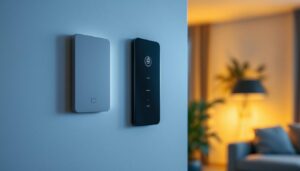
Recommend Smart Lighting Controls
Smart dimmers, color temperature tuners, and programmable lighting scenes allow clients to adjust kitchen lighting dynamically. This flexibility enhances user experience and maximizes the utility of your lighting design.
Document Lumen Specifications Clearly
Include lumen ratings in your contracts, invoices, and client communications. Clear documentation helps avoid misunderstandings and provides a reference for future upgrades or repairs.
Common Mistakes to Avoid When Working with Lumens in Kitchens
Assuming One-Size-Fits-All Lumen Levels
Every kitchen differs in size, layout, and function. Using a generic lumen recommendation without customization can lead to poor lighting outcomes. Tailor lumen levels to the specific needs and preferences of each project.
Overlooking the Role of Natural Light
Natural daylight significantly impacts how much artificial light is needed. Kitchens with large windows or skylights require fewer lumens during the day. Ignoring this factor can cause over-lighting and wasted energy.
Choosing Fixtures Based Solely on Style
While aesthetics matter, function should never be sacrificed. A beautiful fixture that doesn’t provide adequate lumens or causes glare isn’t serving the client well. Balance style with performance.
Failing to Educate Clients About Lumens
Many clients are unfamiliar with lumens and may request lighting based on outdated wattage thinking. Taking time to explain lumens helps clients make informed decisions and appreciate your recommendations.
Conclusion: Mastering Lumens for Kitchen Success
For lighting contractors, understanding and specifying the right lumens in kitchen projects is non-negotiable. It’s the difference between a kitchen that feels bright, functional, and inviting, and one that leaves users frustrated and dissatisfied.
By focusing on lumen output tailored to the kitchen’s size and use, choosing high-CRI and energy-efficient fixtures, and layering lighting effectively, contractors can deliver superior results every time. Avoid common pitfalls like relying on watts, ignoring shadows, or neglecting maintenance considerations.
Ultimately, mastering lumens in kitchen lighting elevates your professionalism and enhances client satisfaction-two goals every contractor should aim for.
Illuminate Your Projects with LumenWholesale
Ready to bring exceptional brightness and quality to your kitchen lighting projects? Choose LumenWholesale for an unparalleled selection of spec-grade lighting products at wholesale prices. Our commitment to cutting out the middleman means you get the best value without sacrificing performance. With free shipping on bulk orders, you can stock up on high-CRI, energy-efficient lighting solutions that will make every kitchen shine. Elevate your professional service with the perfect blend of quality, affordability, and convenience. Discover wholesale lighting at the best value today and light up your clients’ spaces with confidence.