Understanding the Role of Ceiling Fans in Modern Lighting Projects
Ceiling fans have evolved far beyond their original function of simply circulating air. Today, they are integral components of both comfort and aesthetics in residential and commercial spaces. For lighting contractors, this means a deeper understanding of ceiling fans is essential—not just in terms of electrical wiring, but also in how they interact with lighting design, energy efficiency, and client expectations.
Clients often view ceiling fans as a dual-purpose fixture: a source of illumination and a cooling solution. This duality requires lighting contractors to be well-versed in the nuances of ceiling fan installation, integration with lighting controls, and compatibility with various lighting technologies. When clients expect expertise, they want assurance that their ceiling fan will perform flawlessly, complement their interior design, and contribute to energy savings.
Moreover, the aesthetic appeal of ceiling fans has surged, with an array of designs, finishes, and sizes available to suit any decor style. From sleek, modern models with minimalist blades to rustic, farmhouse-style fans adorned with wood accents, the choices are endless. Lighting contractors must stay updated on the latest trends and innovations in ceiling fan design to provide clients with options that not only meet their functional needs but also enhance the overall ambiance of their spaces. This means understanding how different finishes and styles can harmonize with existing lighting fixtures, wall colors, and furniture choices.
In addition to aesthetics, energy efficiency is a crucial consideration in modern ceiling fan selection. Many contemporary fans are equipped with advanced motor technology that allows for quieter operation and reduced energy consumption. Lighting contractors should be knowledgeable about the Energy Star ratings and other efficiency certifications that can guide clients in making informed decisions. Furthermore, integrating smart technology into ceiling fans, such as remote controls and app connectivity, adds another layer of convenience and energy management, allowing users to optimize their environment with ease. This technological integration not only meets the demands of tech-savvy clients but also positions contractors as forward-thinking professionals in a competitive market.
Key Technical Knowledge Lighting Contractors Must Master
Electrical Wiring and Safety Standards
Ceiling fans typically require a dedicated electrical circuit or at least a properly rated circuit to handle their motor and lighting load. Lighting contractors must be familiar with the National Electrical Code (NEC) or relevant local codes governing ceiling fan installations. This includes understanding the proper grounding methods, the use of fan-rated electrical boxes, and ensuring that the wiring can support both the fan motor and any integrated lighting.
Improper wiring can lead to motor damage, flickering lights, or even fire hazards. Clients expect contractors to prioritize safety and compliance, delivering installations that meet or exceed code requirements. Using fan-rated boxes and ensuring secure mounting also prevents wobbling or noise issues, which are common complaints when fans are installed incorrectly. Additionally, contractors should be aware of the different types of wiring materials, such as copper and aluminum, and their respective advantages and disadvantages. For instance, copper wiring is generally more conductive and durable, making it a preferred choice for many installations. Understanding these nuances not only enhances the safety of the installation but also builds trust with clients who value expertise in their contractors.
Integration with Lighting Controls and Smart Home Systems
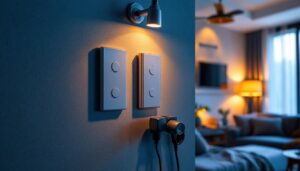
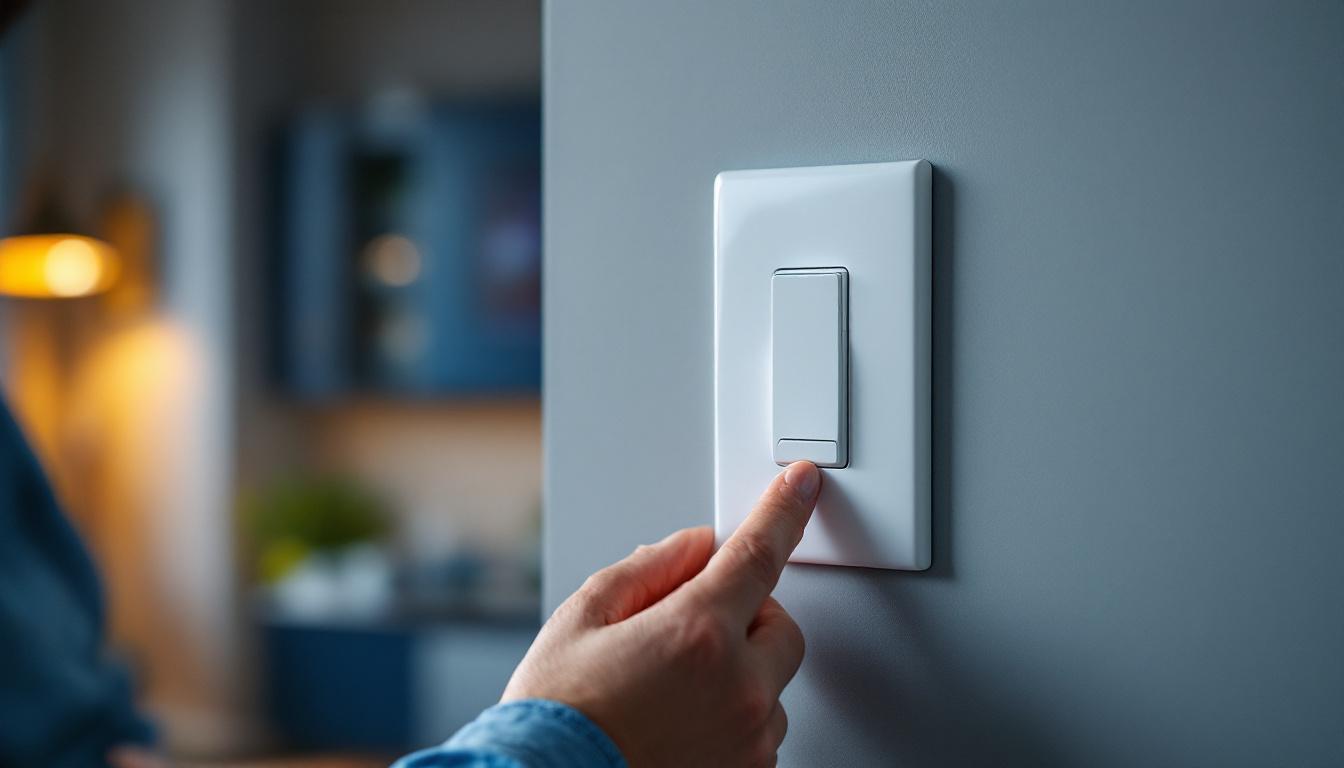
Modern ceiling fans often come with integrated LED lighting and remote control options. Lighting contractors should be comfortable with installing dimmers, smart switches, and home automation systems that control both fan speed and lighting intensity. Clients increasingly seek convenience and energy management features, such as scheduling, voice control, and scene settings.
Understanding the compatibility between ceiling fans and various control devices is crucial. For example, not all dimmers work well with LED fan lights, and some fans require specific controllers to avoid humming or flickering. Lighting contractors who can advise on and install these systems demonstrate a higher level of professionalism and technical skill. Moreover, as smart home technology continues to evolve, contractors must stay updated on the latest advancements in wireless communication protocols, such as Zigbee and Z-Wave, which allow for seamless integration of lighting and fan systems into broader home automation networks. This knowledge not only enhances the functionality of the installations but also positions contractors as valuable resources for clients looking to modernize their homes with cutting-edge technology.
Design Considerations Clients Expect Lighting Contractors to Address
Matching Fan Style with Lighting and Room Aesthetics
Clients often choose ceiling fans that complement their interior design, whether it’s modern, rustic, industrial, or traditional. Lighting contractors should be prepared to recommend fan models that harmonize with the room’s lighting fixtures and overall décor. This includes considering the finish, blade material, and light fixture style integrated into the fan.
For example, a sleek, brushed nickel fan with integrated LED lighting suits a contemporary living room, while a wooden-bladed fan with a classic chandelier-style light fixture fits a more traditional setting. Lighting contractors who understand these design elements can help clients avoid mismatched fixtures that detract from the space’s visual appeal. Additionally, they should consider the scale of the fan in relation to the room size; a large, ornate fan may overwhelm a small space, while a minimalist design might get lost in a grand, open area. By taking these factors into account, contractors can ensure that the fan not only serves its functional purpose but also enhances the overall aesthetic of the room.
Lighting Quality and Placement
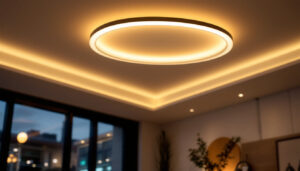
Ceiling fans with lighting must provide adequate illumination without creating harsh shadows or glare. Clients expect contractors to assess the room’s lighting needs and recommend fans with appropriate lumen output and color temperature. For instance, warm white LED lights create a cozy ambiance in bedrooms, while cooler white lights might be preferred in kitchens or home offices.
Placement is equally important. Fans installed too close to walls or furniture may cause uneven light distribution or airflow issues. Lighting contractors should evaluate ceiling height, room size, and existing lighting to determine the optimal fan location. This ensures balanced lighting and effective air circulation, enhancing both comfort and functionality. Moreover, the angle of the fan blades can significantly impact the quality of light and airflow; contractors should educate clients on the benefits of adjustable blade pitch, which can help optimize performance based on seasonal needs. Additionally, incorporating dimmable lighting options can provide versatility, allowing clients to adjust the ambiance according to different activities or times of day, further enhancing the room’s usability and comfort.
Energy Efficiency and Sustainability Expectations
Choosing Energy-Efficient Fans and Lighting
Energy efficiency is a top priority for many clients, especially those looking to reduce utility bills or achieve green building certifications. Lighting contractors should be knowledgeable about Energy Star-rated ceiling fans and LED lighting options that consume less power without sacrificing performance.
Fans with DC motors, for example, use significantly less electricity than traditional AC motor fans and offer quieter operation. Pairing these with integrated LED lights further reduces energy consumption. Clients expect contractors to recommend and install products that align with their sustainability goals and provide long-term savings.
Incorporating Smart Controls for Energy Management
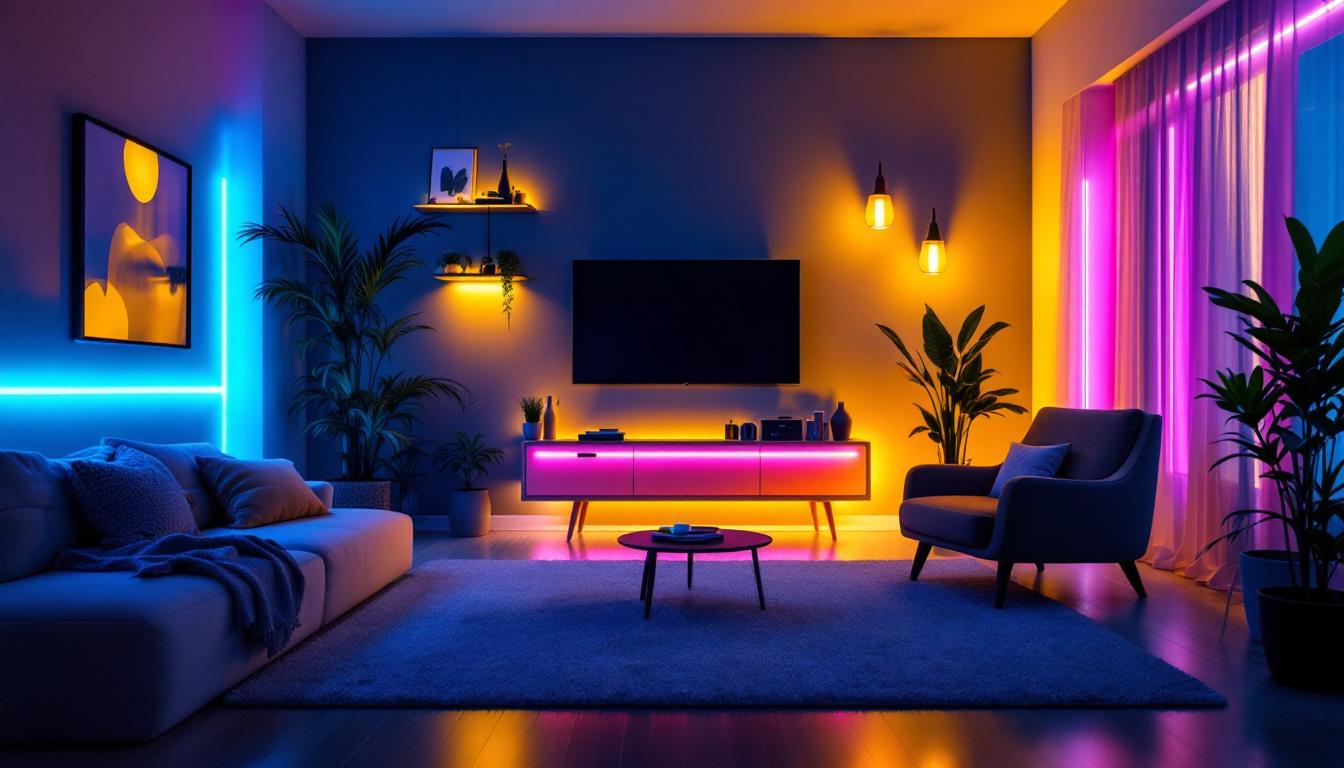
Smart home technologies allow clients to optimize energy use by controlling fan speed and lighting remotely or through automation. Lighting contractors should be able to install and configure smart switches, sensors, and apps that enable features like motion detection, scheduling, and adaptive lighting.
These systems not only enhance convenience but also contribute to energy conservation by ensuring fans and lights operate only when needed. Clients appreciate contractors who can guide them through these options and tailor solutions to their lifestyle and budget.
Common Client Concerns and How Lighting Contractors Can Address Them
Noise and Vibration Issues
One of the most frequent complaints about ceiling fans is noise-whether it’s motor humming, blade wobbling, or rattling. Lighting contractors should be proactive in selecting high-quality fans with balanced blades and precision motors. Proper installation techniques, including secure mounting and using fan-rated electrical boxes, minimize vibration.
Clients expect contractors to troubleshoot and resolve noise issues promptly. Offering maintenance tips, such as cleaning blades and tightening screws, also helps maintain fan performance and client satisfaction over time.
Compatibility with Existing Electrical Infrastructure
Older homes and buildings may have outdated wiring or insufficient circuits to support modern ceiling fans with integrated lighting. Lighting contractors must assess the existing electrical infrastructure and inform clients about necessary upgrades or modifications.
Transparent communication about potential costs and timelines builds trust. Clients value contractors who provide clear explanations and solutions, ensuring the project proceeds smoothly without unexpected surprises.
Warranty and After-Sales Support
Clients expect lighting contractors to stand behind their work and the products they install. This includes offering warranties on installation labor and guiding clients through manufacturer warranties for ceiling fans and lighting components.
Providing after-sales support, such as troubleshooting assistance or maintenance services, enhances the contractor-client relationship. It shows commitment to quality and customer satisfaction beyond the initial installation.
Conclusion: Elevating Client Trust Through Expertise
Ceiling fans are more than just functional fixtures; they are design elements, comfort enhancers, and energy savers. Lighting contractors who master the technical, design, and client service aspects of ceiling fan installation position themselves as trusted experts.
Clients expect knowledgeable advice, safe and efficient installations, and solutions tailored to their needs and preferences. Meeting these expectations requires continuous learning about new technologies, codes, and design trends. Contractors who invest in this expertise not only satisfy clients but also build a reputation that drives repeat business and referrals.
Upgrade Your Lighting Projects with LumenWholesale
Ready to elevate your lighting installations with the latest in ceiling fan technology and design? Look no further than LumenWholesale. Our extensive selection of spec-grade lighting products ensures you have access to the best in quality and innovation, all at unbeatable wholesale prices. Say goodbye to middleman markups and hello to reliable, high-performance lighting that meets the highest industry standards. Plus, with free shipping on bulk orders, you can stock up on premium lighting solutions without worrying about hidden fees. Don’t compromise on quality or value—choose LumenWholesale for your next project. Wholesale Lighting at the Best Value is just a click away.