Balancing Aesthetics and Functionality
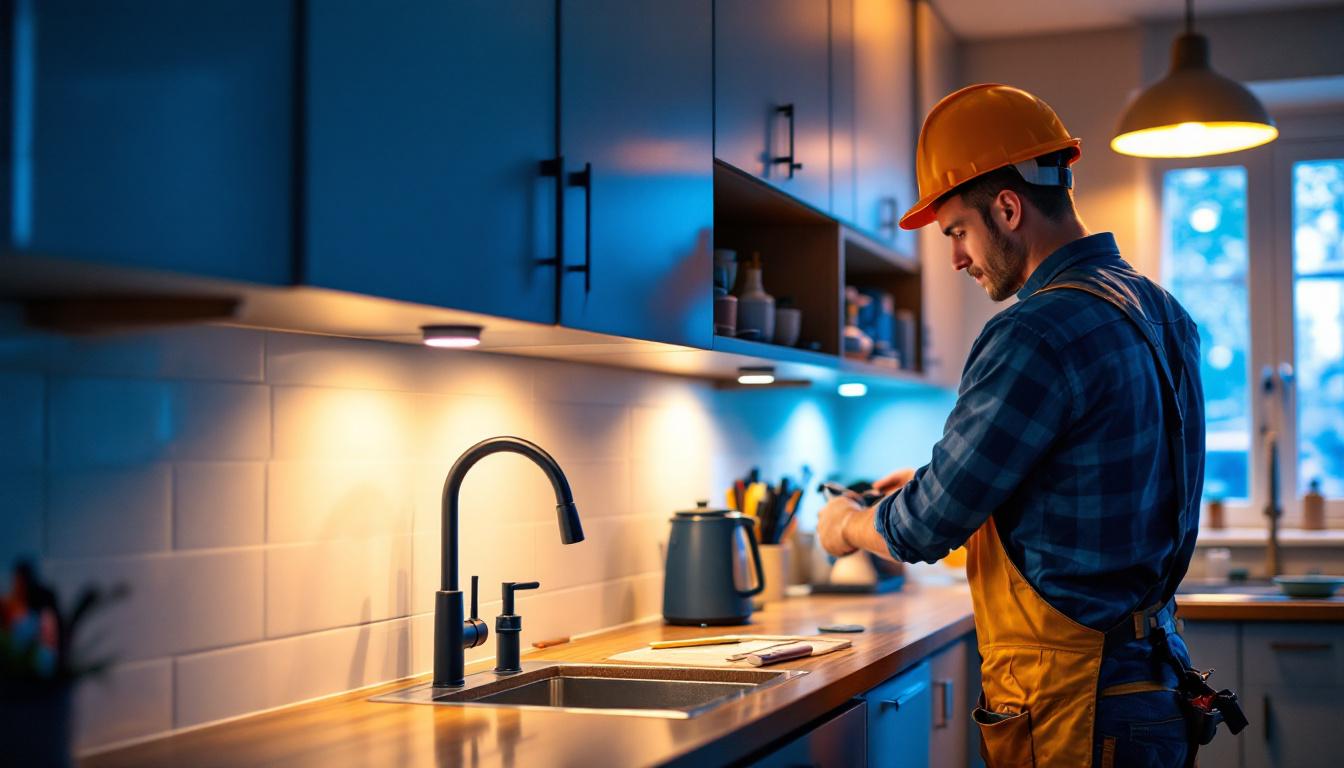
Over sink under cabinet lighting is one of those details that can make or break a kitchen’s overall look and usability. For lighting contractors, the challenge lies in creating a solution that not only illuminates the workspace effectively but also complements the design of the cabinetry and surrounding décor.
Clients often want lighting that’s subtle yet powerful enough to light up the sink area without casting harsh shadows or glaring reflections. Achieving this balance requires careful selection of fixtures, placement, and light temperature. For example, a cool white LED might offer crisp visibility but could feel clinical in a warm-toned kitchen. Conversely, warmer lighting may enhance ambiance but reduce clarity when washing dishes or prepping food.
Additionally, the physical size and style of the fixtures matter. Slim, low-profile lights are preferred to maintain a clean look, but they must still provide adequate lumen output. Contractors must weigh the trade-offs between fixture size, brightness, and energy efficiency to meet client expectations.
Moreover, the choice of dimmable options can further enhance the versatility of under cabinet lighting. Dimming capabilities allow homeowners to adjust the brightness according to the time of day or the specific task at hand, creating a more personalized experience. This flexibility can be particularly beneficial during evening gatherings, where softer lighting can set a cozy atmosphere while still providing enough illumination for food preparation or cleanup. Incorporating smart technology, such as app-controlled lighting, can also add a modern touch, allowing users to customize their lighting settings with just a tap on their smartphone.
Another important consideration is the integration of task lighting with ambient lighting. By layering different types of light sources, homeowners can create a dynamic environment that enhances both functionality and aesthetics. For instance, combining under cabinet lights with pendant fixtures or recessed lighting can create a well-lit kitchen that feels inviting and warm. This layered approach not only improves visibility but also adds depth and interest to the overall design, making the kitchen a more enjoyable space for cooking and entertaining.
Addressing Installation Constraints
Under cabinet lighting over sinks often presents unique installation hurdles. Unlike other under cabinet areas, the space above a sink typically has plumbing, faucets, and sometimes a window or backsplash that can complicate mounting and wiring.
One common issue is limited clearance. Cabinets may sit low, leaving little room for standard fixtures or wiring channels. Contractors must be adept at working with tight spaces and sometimes custom-fabricating mounting brackets or using flexible wiring solutions. Waterproof or moisture-resistant fixtures become essential here, given the proximity to water. Additionally, the choice of lighting fixture can greatly influence the overall aesthetic of the kitchen. Designers often opt for slim, low-profile LED strips or puck lights that can fit snugly into the available space while providing ample illumination without overpowering the area.
Electrical access is another concern. Sinks are often located in the middle of a countertop run, far from power sources. Running wiring discreetly without damaging cabinetry or violating electrical codes requires careful planning. Surface-mounted raceways or wireless battery-powered options can sometimes offer solutions, but each comes with its own limitations. For instance, while battery-powered lights provide flexibility and ease of installation, they may require regular battery changes, which can be inconvenient in high-use areas. On the other hand, hardwired solutions, while more permanent, necessitate a thorough understanding of local building codes to ensure compliance and safety.
Dealing with Moisture and Safety Regulations
Water and electricity don’t mix well, which makes over sink lighting a potential hazard if not handled correctly. Lighting contractors must ensure all fixtures and wiring meet safety standards for damp or wet locations. This often means selecting fixtures with appropriate IP (Ingress Protection) ratings and using GFCI (Ground Fault Circuit Interrupter) protected circuits. The importance of these safety features cannot be overstated, as they help prevent electrical shocks and reduce the risk of fire hazards, ensuring that the kitchen remains a safe environment for cooking and entertaining.
Beyond compliance, moisture can shorten the lifespan of lighting components. Condensation from sink use, steam from hot water, and occasional splashes can cause corrosion or electrical failures. Choosing durable materials and sealing connections properly is critical to long-term performance. In addition to using moisture-resistant fixtures, contractors might consider incorporating ventilation solutions, such as exhaust fans or strategically placed windows, to minimize humidity levels in the kitchen. This proactive approach not only protects the lighting but also contributes to a healthier indoor environment by reducing potential mold growth and improving air quality.
Choosing the Right Lighting Technology
LEDs dominate the under cabinet lighting market, but not all LEDs are created equal. Contractors face the challenge of selecting products that balance brightness, color rendering, energy consumption, and lifespan. The variety of LED options available can be overwhelming, ranging from standard white to tunable white and RGB color-changing options. Each type serves different purposes and can significantly affect the overall ambiance of the kitchen space. For instance, warm white LEDs can create a cozy atmosphere, while cool white options are often preferred for task-oriented areas due to their clarity and brightness.
Color rendering index (CRI) is particularly important over sinks, where accurate color perception aids in tasks like food preparation and cleaning. A CRI of 80 or higher is generally recommended, but some clients may want even better fidelity, pushing contractors to source premium fixtures. High-CRI LEDs can make fruits and vegetables appear more vibrant, enhancing the cooking experience. Furthermore, understanding the nuances of color temperature—ranging from soft to daylight—can help contractors guide clients in making informed choices that align with their aesthetic preferences and functional needs.
Another consideration is dimmability. Many homeowners want the ability to adjust lighting levels to create mood or conserve energy. Ensuring compatibility between LED drivers, dimmers, and switches can be tricky, especially when retrofitting older electrical systems. It’s essential for contractors to stay updated on the latest dimming technologies, as not all LEDs are compatible with traditional dimmers. This can lead to flickering or buzzing, which can be frustrating for clients. Offering solutions like smart dimmers that can be controlled via smartphone apps can not only enhance user experience but also provide an opportunity for upselling advanced lighting systems.
Integrating Smart Lighting Features
Smart home integration is becoming more common, and under cabinet lighting is no exception. Clients may request voice control, automated schedules, or color-changing capabilities. While these features add convenience and appeal, they also introduce complexity. The ability to sync lighting with other smart devices, such as motion sensors or security systems, can create a cohesive smart home environment. This integration not only enhances functionality but also provides an added layer of security, as homeowners can program lights to mimic their presence when away.
Contractors must be familiar with various smart lighting ecosystems and ensure seamless integration with existing home networks. This includes troubleshooting connectivity issues and educating clients on operation and maintenance. Understanding the differences between platforms like Google Home, Amazon Alexa, and Apple HomeKit can help contractors provide tailored recommendations based on clients’ preferences. Additionally, offering guidance on app usage and potential future upgrades can empower clients to fully utilize their smart lighting systems, ensuring they get the most out of their investment.
Managing Client Expectations and Budget Constraints
Clients often underestimate the complexity and cost involved in installing over sink under cabinet lighting. Lighting contractors must communicate clearly about what’s feasible within the client’s budget and desired timeline. This initial conversation is crucial, as it sets the stage for the entire project. By discussing the various elements involved, such as design preferences, installation challenges, and potential hidden costs, contractors can help clients gain a realistic understanding of what their project entails. This proactive approach not only helps in aligning expectations but also fosters a collaborative atmosphere where clients feel valued and informed.
High-quality fixtures, waterproofing, custom wiring, and smart features all add to the price. Cutting corners can lead to poor performance or safety risks, which contractors want to avoid. Providing detailed estimates and explaining the value of each component helps clients make informed decisions. Additionally, it’s beneficial for contractors to showcase examples of previous work, demonstrating how investing in quality can enhance both aesthetics and functionality. Clients are often more receptive to understanding the rationale behind costs when they can visualize the end result and see the tangible benefits of their investment.
Sometimes, compromises are necessary. For example, opting for a less expensive fixture might mean sacrificing dimmability or color accuracy. Contractors who can offer alternative solutions while maintaining quality tend to build trust and long-term relationships. Furthermore, discussing the potential for future upgrades can also ease the decision-making process. For instance, suggesting a modular lighting system that allows for easy replacement or enhancement later on can provide clients with a sense of flexibility. By framing the conversation around both immediate needs and future possibilities, contractors can help clients feel more secure in their choices, knowing that they have options to adapt as their preferences or budgets change over time.
Ensuring Longevity and Ease of Maintenance
Under cabinet lighting over sinks is exposed to a harsher environment than other areas. Contractors must consider not only initial installation but also how easy it will be to maintain and replace components down the line.
Fixtures that are difficult to access or require cabinet disassembly for bulb changes frustrate homeowners and increase service calls. Selecting long-lasting LEDs with integrated drivers reduces maintenance frequency. Modular designs that allow quick fixture removal or replacement are preferred.
Contractors should also advise clients on routine cleaning and care to prevent buildup of grease, dust, and moisture, which can degrade lighting quality and fixture lifespan.
Conclusion: Navigating Complexity with Expertise
Over sink under cabinet lighting is deceptively challenging. It demands a nuanced understanding of design, electrical systems, safety codes, and client needs. Lighting contractors who master these challenges deliver solutions that enhance both the beauty and functionality of kitchen spaces.
Success comes from careful planning, clear communication, and staying current with evolving lighting technologies. When done right, over sink lighting transforms a simple task area into a well-lit, inviting focal point that homeowners appreciate every day.
Illuminate Your Projects with LumenWholesale
Ready to tackle the complexities of over sink under cabinet lighting with confidence? Choose LumenWholesale for your lighting needs and gain a trusted partner in achieving the perfect balance of aesthetics and functionality. Our spec-grade lighting products meet the highest industry standards, ensuring that your projects shine with reliability and high performance. With unbeatable wholesale prices and the convenience of free shipping on bulk orders, you can provide your clients with premium lighting solutions that don’t break the bank. Elevate your lighting game and discover the best value in wholesale lighting today—only at LumenWholesale.