Why Tape Matters in Smart Lighting Installations
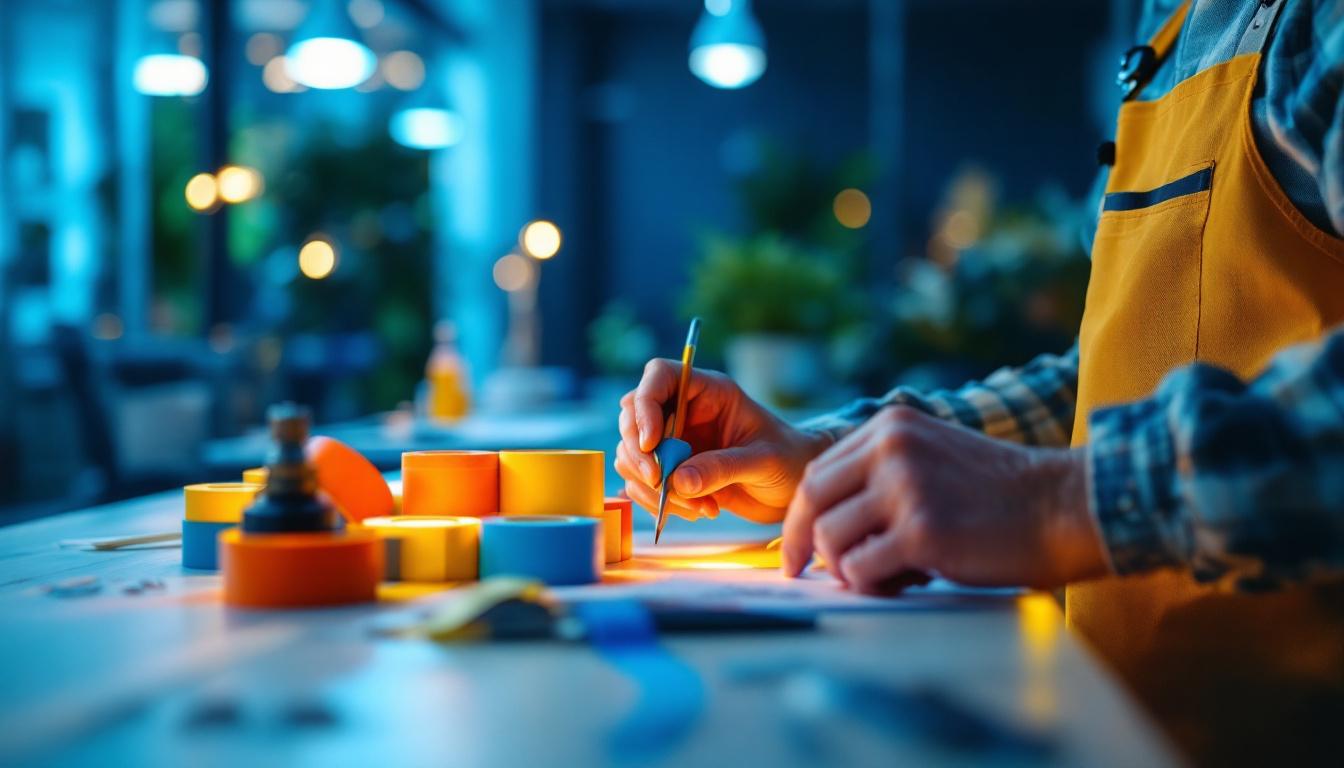
When it comes to smart lighting, the technology often steals the spotlight. However, the humble tape used during installation plays a crucial role in ensuring a clean, durable, and professional finish. For contractors, selecting the right tape is more than just a minor detail—it can impact the longevity of the installation, ease of maintenance, and overall client satisfaction.
Smart lighting systems often involve LED strips, sensors, and delicate wiring that require secure mounting without damage. Using inappropriate tape can lead to premature failures, poor adhesion, or even damage to surfaces. Understanding the nuances of tape types, their adhesive properties, and compatibility with various materials is essential for contractors aiming to deliver flawless smart lighting setups.
Moreover, the choice of tape can significantly influence the aesthetic appeal of the installation. For instance, using a clear, double-sided tape can help maintain a sleek and unobtrusive look, allowing the lighting elements to take center stage without unsightly mounting hardware detracting from the overall design. Additionally, high-quality tape can withstand temperature fluctuations and humidity, which is particularly important in environments like kitchens or bathrooms where moisture levels can vary dramatically. This resilience not only ensures that the lighting remains securely in place but also helps to prevent any unsightly peeling or bubbling over time.
Furthermore, the application process itself can be streamlined by using the right tape. Many modern tapes come with features like easy tear edges and repositionable adhesives, which can save valuable time during installation. This efficiency is particularly beneficial in larger projects where multiple installations are being completed simultaneously. Contractors who are well-versed in the various tape options available can make informed decisions that enhance both the functionality and visual appeal of smart lighting systems, ultimately leading to a more satisfying experience for their clients.
Types of Tape Commonly Used in Smart Lighting
Double-Sided Acrylic Foam Tape
This tape is a favorite among lighting contractors for mounting LED strips and fixtures. Its high bond strength and excellent resistance to temperature changes make it ideal for both indoor and outdoor applications. The foam core provides cushioning, which helps absorb vibrations and uneven surfaces, maintaining a solid hold over time.
One of the key advantages is its ability to adhere well to a variety of surfaces including painted drywall, metal, and glass. This versatility reduces the need for mechanical fasteners, speeding up installations and minimizing surface damage. Additionally, the tape’s ability to withstand extreme weather conditions means that it can be used in outdoor settings without fear of degradation, ensuring that your lighting remains securely in place regardless of the elements. This is particularly beneficial for landscape lighting, where aesthetics and durability are equally important.
Polyimide (Kapton) Tape
Polyimide tape is prized for its heat resistance, often used in scenarios where lighting components generate significant heat or during soldering processes. Its electrical insulation properties also make it a smart choice for protecting wiring and circuit boards during installation.
While not typically used for mounting, it serves as a protective wrap or masking tape in precision work. Contractors appreciate its durability and clean removal, which prevents residue buildup on sensitive components. Furthermore, the tape’s thin profile allows it to fit into tight spaces, making it an excellent choice for intricate installations where space is at a premium. Its ability to withstand high temperatures without losing adhesion ensures that it remains reliable in high-performance lighting applications, such as in commercial settings where lights are on for extended periods.
Vinyl Electrical Tape
Electrical tape remains a staple for securing wire connections and providing insulation. Its flexibility and stretchability allow it to conform to irregular shapes, making it indispensable in smart lighting installations involving complex wiring paths.
Modern vinyl tapes offer UV resistance and moisture protection, which is crucial for outdoor or damp environments. Choosing high-quality electrical tape ensures long-lasting insulation and reduces the risk of shorts or failures. Additionally, many manufacturers now produce electrical tape in various colors, which can aid in organizing and identifying different circuits or connections, enhancing both safety and efficiency during installation. This color-coding feature is particularly useful in larger installations where multiple lighting zones are controlled separately, allowing for easier troubleshooting and maintenance.
Masking Tape for Surface Protection
During installation, masking tape is often used to protect surfaces from scratches or to temporarily hold components in place. Contractors should opt for low-residue masking tapes to avoid sticky residues that can attract dust or interfere with adhesives later on.
Moreover, masking tape can be invaluable for creating clean lines when painting or applying finishes around lighting fixtures. Its easy tear and repositionable nature make it an ideal choice for ensuring precision in detail work. Some advanced masking tapes even come with a built-in adhesive that allows them to conform to curves and edges without lifting, providing a perfect seal against paint bleed. This feature is particularly advantageous in high-end installations where aesthetics are paramount, ensuring that the final look is as polished and professional as possible.
Key Considerations When Selecting Tape for Smart Lighting
Adhesion Strength and Surface Compatibility
Adhesion is the foundation of any tape’s effectiveness. Contractors must assess the surface type-whether it’s smooth glass, textured drywall, metal, or plastic-and choose a tape with an adhesive formulated for that material. For example, acrylic foam tapes excel on rough or uneven surfaces, while thinner adhesive tapes work better on smooth, clean surfaces.
Testing adhesion on a small area before full application can prevent costly mistakes. Environmental factors like humidity and temperature also influence adhesion, so tapes rated for specific conditions should be prioritized.
Temperature Resistance
Smart lighting systems can generate heat, especially in enclosed fixtures or when using high-output LEDs. Tapes must withstand these temperatures without degrading or losing stickiness. Polyimide tapes are excellent for high-heat areas, while acrylic foam tapes typically handle moderate heat well.
Ignoring temperature ratings can lead to tape failure, causing lights to detach or wiring to become exposed, which compromises safety and aesthetics.
Thickness and Flexibility
Thicker tapes provide cushioning and better gap-filling capabilities, which is useful for uneven mounting surfaces. However, excessive thickness may interfere with tight installations or create visible bulges under thin fixtures.
Flexibility is equally important for installations on curved or irregular surfaces. Tapes that can conform without creasing or lifting help maintain a seamless look and secure attachment.
Residue and Clean Removal
Clients often expect clean, damage-free walls after smart lighting upgrades or maintenance. Tapes that leave sticky residues can be a nightmare to remove and may require repainting or repairs.
Contractors should select tapes designed for clean removal or use protective layers between tape and surfaces when temporary adhesion is needed.
Innovative Tape Applications in Smart Lighting Projects
Invisible Mounting Solutions
Modern acrylic foam tapes allow contractors to mount LED strips and fixtures invisibly, eliminating the need for visible brackets or screws. This approach enhances the sleek, minimalist aesthetic that many smart lighting designs aim for.
By carefully selecting tapes with high transparency and strong adhesion, contractors can achieve a floating effect, where lights appear to hover seamlessly on walls or ceilings.
Vibration Dampening and Noise Reduction
In commercial or industrial smart lighting installations, vibrations from HVAC systems or machinery can cause fixtures to rattle or loosen over time. Using foam tapes with cushioning properties helps absorb these vibrations, extending the lifespan of the installation and maintaining a quiet environment.
Temporary Positioning During Installation
Some tapes are designed for temporary adhesion, allowing contractors to position lights and sensors precisely before final mounting. Low-tack tapes or repositionable adhesive tapes enable easy adjustments without damaging surfaces.
This technique reduces installation errors and saves time, especially in complex smart lighting setups involving multiple components and sensors.
Best Practices for Tape Use in Smart Lighting Installations
Surface Preparation
Proper surface preparation is non-negotiable. Surfaces must be clean, dry, and free of dust, oils, or old adhesive residues. Using isopropyl alcohol wipes or mild detergents ensures optimal tape adhesion.
For porous or textured surfaces, priming or smoothing may be necessary to create a stable base for tape application.
Application Techniques
Applying tape with consistent pressure improves bond strength. Using a roller or firm hand pressure ensures the adhesive makes full contact with the surface, reducing the risk of air pockets or peeling.
Cut tape to the exact length needed to avoid overlaps or excessive edges that can catch dust or peel prematurely.
Environmental Considerations
Contractors should account for the installation environment. Outdoor installations require tapes with UV resistance and moisture protection. Indoor installations may prioritize aesthetics and residue-free removal.
Temperature fluctuations and humidity levels also affect tape performance, so selecting tapes rated for the specific climate conditions is essential.
Common Challenges and How to Overcome Them
Adhesion Failure on Painted Surfaces
Painted drywall or plaster can sometimes present adhesion challenges due to texture or paint type. Using tapes with stronger acrylic adhesives or applying a primer can improve bonding.
Alternatively, mechanical fasteners can complement tape use in tricky areas, ensuring security without compromising the clean look.
Residue Buildup After Tape Removal
Sticky residues can attract dust and dirt, making future maintenance difficult. Choosing low-residue tapes or using adhesive removers designed for delicate surfaces can mitigate this issue.
Heat-Induced Tape Degradation
If tapes degrade or lose adhesion due to heat, switching to high-temperature rated tapes like polyimide or silicone-based adhesives is necessary. Additionally, improving ventilation around fixtures can reduce heat buildup.
Conclusion: Mastering Tape Selection for Superior Smart Lighting
Tape is more than a simple accessory in smart lighting installations. It’s a critical component that affects durability, appearance, and safety. Lighting contractors who invest time in understanding tape types, application techniques, and environmental factors position themselves as true professionals in their field.
By integrating the right tapes into their workflow, contractors can streamline installations, reduce callbacks, and enhance client satisfaction. The next time a smart lighting project comes along, remember that the smallest details-like choosing the perfect tape-make the biggest difference.
Upgrade Your Smart Lighting Projects with LumenWholesale
Ready to elevate your smart lighting installations with the highest quality tapes and lighting products? Look no further than LumenWholesale, where we offer an exceptional range of spec-grade lighting solutions at wholesale prices that can’t be beaten. Say goodbye to local distributor markups and hello to a vast selection of reliable, high-performance products tailored to meet the demands of any project. With the convenience of free shipping on bulk orders, you can ensure your installations not only look professional but also stand the test of time. Don’t compromise on quality or value—Wholesale Lighting at the Best Value is just a click away. Enhance your smart lighting capabilities with LumenWholesale today.