Understanding the Unique Challenges of Ceiling Fans with Lights
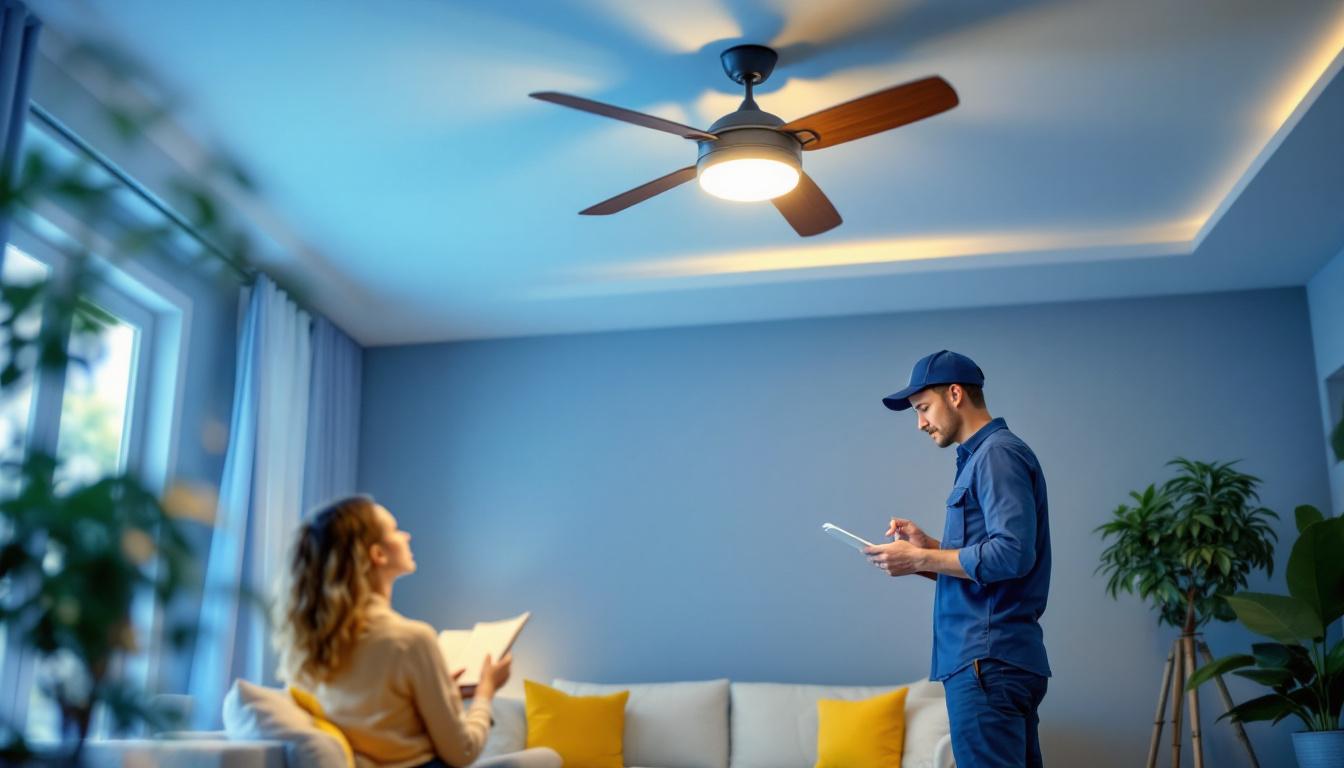
Ceiling fans with integrated lighting fixtures are a popular choice for residential and commercial spaces alike. They offer a dual function—air circulation and illumination—saving space and adding aesthetic appeal. However, these combined units come with their own set of challenges that lighting contractors must navigate carefully.
One common issue arises from the electrical load and wiring complexity. Unlike standalone light fixtures or fans, ceiling fans with lights require proper coordination between the fan motor and the lighting circuit. Missteps here can lead to flickering lights, motor hums, or even safety hazards such as overheating or short circuits. It’s essential for contractors to not only have a solid understanding of electrical systems but also to stay updated on local building codes and regulations that may affect installation practices. This knowledge ensures that the installation adheres to safety standards while maximizing performance.
Another challenge is the physical installation. The weight and balance of a ceiling fan with a light kit differ significantly from standard fixtures. Improper mounting can cause wobbling, noise, or premature wear on the fan motor. Lighting contractors must understand these nuances to ensure a secure and long-lasting installation. Additionally, the choice of mounting hardware is crucial; using the right type of bracket and support can mitigate many of these issues. For instance, some fans come with a downrod that can help in achieving the ideal height for optimal airflow and light distribution, which is particularly important in rooms with high ceilings.
Furthermore, the aesthetic integration of ceiling fans with lights poses its own set of challenges. With a myriad of styles, finishes, and light bulb options available, contractors must assist homeowners in selecting fixtures that complement their decor while also providing effective lighting and airflow. The type of bulbs used can significantly affect the ambiance of a room; for example, LED bulbs are energy-efficient and long-lasting, but they may not provide the warm glow that some homeowners prefer. Balancing functionality with design can be a delicate task, requiring a keen eye for detail and an understanding of the client’s vision.
Lastly, maintenance and troubleshooting are critical aspects that should not be overlooked. Ceiling fans with lights can accumulate dust and debris, which can affect both their performance and appearance. Regular cleaning and periodic checks of the wiring and connections can prevent many common issues. Educating clients on how to care for their ceiling fan and light fixture can lead to better longevity and satisfaction with the product, ultimately enhancing the overall experience of their space.
Choosing the Right Ceiling Fan with Light for Your Project
Assessing Electrical Compatibility
Before selecting a ceiling fan with light, contractors should evaluate the electrical infrastructure of the installation site. This includes verifying the voltage, circuit breaker capacity, and whether the wiring supports separate controls for the fan and the light.
Many modern ceiling fans come with remote controls or smart home integration, which can complicate wiring if the existing setup is outdated. Ensuring compatibility upfront avoids costly rewiring or troubleshooting later on. Additionally, contractors should consider the location of existing switches and outlets, as well as the potential need for additional circuits if multiple fans or lights are to be installed. This foresight can save time and resources, ensuring a smoother installation process.
Evaluating Lighting Needs and Fixture Specifications
Lighting contractors must consider the lumen output and color temperature of the fan’s integrated light. The fixture should provide adequate illumination for the room’s purpose without overwhelming or under-lighting the space.
Energy efficiency is another factor. LED light kits are now standard in many ceiling fans, offering longer lifespan and lower power consumption compared to incandescent or CFL bulbs. Selecting fans with quality LED kits benefits both the end user and the contractor by reducing maintenance calls. Furthermore, contractors should be aware of the latest advancements in dimmable LED technology, which allows for customizable lighting levels, enhancing the versatility of the space and catering to different activities, from reading to entertaining.
Balancing Aesthetics and Functionality
Clients often want ceiling fans that complement the room’s décor. Lighting contractors should be prepared to offer options in various styles, finishes, and blade materials. However, aesthetics should never overshadow functionality. A fan that looks great but performs poorly can damage a contractor’s reputation.
Moreover, the size and placement of the ceiling fan are crucial elements that influence both its appearance and effectiveness. A fan that is too small for a large room may struggle to circulate air properly, while an oversized fan can overwhelm a small space. Contractors should guide clients on the appropriate fan size based on the room dimensions and ceiling height, ensuring optimal airflow and comfort. Additionally, considering the noise level of the fan during operation is essential; a quiet fan enhances the ambiance of the room, making it a more inviting space for relaxation or social gatherings.
Installation Best Practices to Avoid Common Problems
Secure Mounting and Support
One of the most critical steps is ensuring the fan is mounted to a ceiling box rated for fan support. Regular electrical boxes are not designed to handle the dynamic load and vibration from a ceiling fan.
Contractors should use fan-rated boxes, often metal and reinforced, anchored securely to ceiling joists. This prevents wobbling and reduces noise, ensuring the fan operates smoothly and safely. Additionally, it’s advisable to check local building codes and regulations, as they may dictate specific requirements for ceiling fan installations. By adhering to these guidelines, contractors can ensure compliance and enhance the safety of their installations, which is paramount in residential settings.
Wiring with Care and Precision
Proper wiring is essential for both performance and safety. Lighting contractors should follow manufacturer instructions meticulously, paying close attention to wire colors and terminal connections.
When the fan and light have separate switches or dimmers, wiring must accommodate these controls without causing interference. Using wire nuts of appropriate size, securing connections, and testing circuits before finalizing installation can prevent future issues. Furthermore, it’s beneficial to label wires during installation, especially in complex setups, to make future maintenance or troubleshooting easier. This practice not only streamlines any potential repairs but also aids in ensuring that all connections remain intact and functional over time.
Balancing Fan Blades
Even a well-mounted fan can wobble if the blades are unbalanced. Contractors should inspect blades for damage or warping and use balancing kits provided by manufacturers. This simple step reduces noise and extends the life of the fan motor.
Moreover, it’s important to consider the installation environment when balancing fan blades. Factors such as ceiling height and room dimensions can influence airflow and fan performance. In larger rooms, for instance, using a fan with a larger blade span may be necessary to achieve optimal air circulation. Additionally, educating homeowners about the importance of periodic maintenance, such as cleaning the blades and checking for balance, can help maintain the fan’s efficiency and prolong its lifespan. Regular upkeep not only enhances performance but also ensures that the fan continues to operate quietly and effectively throughout its use.
Common Issues and How to Troubleshoot Them
Flickering or Dimming Lights
Flickering lights often stem from loose wiring or incompatible dimmer switches. Lighting contractors should verify that dimmers are rated for LED loads if the fan uses LED bulbs. Tightening connections and replacing incompatible dimmers usually resolves the problem.
Fan Motor Noise or Vibration
Excessive noise may indicate loose mounting hardware, unbalanced blades, or a defective motor. Contractors should check all screws and brackets, balance the blades, and if necessary, replace the motor or entire unit under warranty.
Remote Control or Smart Features Not Responding
Many ceiling fans with lights now include remote controls or smart home compatibility. Signal interference, dead batteries, or incorrect pairing can cause functionality issues. Contractors should test these features during installation and provide clients with clear instructions for setup and troubleshooting.
Ensuring Compliance and Safety
Adhering to Electrical Codes and Standards
Lighting contractors must stay current with local electrical codes and national standards such as the National Electrical Code (NEC). Compliance ensures installations are safe, legal, and less likely to fail inspection.
Using UL-listed or ETL-listed ceiling fans and components is essential. These certifications indicate that the products have undergone rigorous testing for safety and performance.
Educating Clients on Proper Use and Maintenance
Once installation is complete, contractors should inform clients about operating the fan and light correctly. This includes not exceeding recommended bulb wattage, cleaning blades periodically, and scheduling professional maintenance if needed.
Providing a clear, concise manual or quick-start guide tailored to the specific fan model can reduce service calls and enhance customer satisfaction.
Leveraging Technology and Trends to Stay Ahead
Smart Ceiling Fans with Integrated Lighting
Smart home technology is increasingly popular, and ceiling fans with integrated lighting are no exception. Features like voice control, app-based scheduling, and energy monitoring offer added value to clients.
Lighting contractors should familiarize themselves with these technologies to recommend and install systems confidently. This knowledge also positions contractors as trusted advisors in a competitive market.
Energy Efficiency and Sustainability
Energy-efficient ceiling fans with LED lighting contribute to sustainable building practices. Offering these options aligns with growing client demand for eco-friendly solutions and can open doors to projects with green building certifications.
Contractors can highlight the long-term cost savings and environmental benefits when discussing options with clients, reinforcing their expertise and commitment to quality.
Conclusion: Building Trust Through Expertise and Care
Ceiling fans with lights are more than just fixtures; they are complex systems that require careful selection, installation, and maintenance. Lighting contractors who understand the intricacies involved can avoid common pitfalls and deliver superior results.
By choosing the right products, following best installation practices, troubleshooting effectively, and educating clients, contractors build trust and enhance their professional reputation. Staying informed about emerging technologies and energy-efficient options further strengthens their position in the market.
Ultimately, success in this niche comes down to attention to detail, technical knowledge, and a commitment to quality-qualities that every lighting contractor can cultivate and showcase.
Get Your Spec-Grade Ceiling Fans with LumenWholesale
Ready to elevate your lighting projects with ceiling fans that blend design, efficiency, and performance? Look no further than LumenWholesale for all your lighting needs. Our extensive selection of top-quality, spec-grade ceiling fans with lights is available at unbeatable wholesale prices, ensuring you get the best value for your investment. With free shipping on bulk orders, you can stock up on premium lighting solutions without worrying about hidden fees or compromises. Don’t let middleman markups affect your bottom line. Choose LumenWholesale for reliable, high-performance lighting that meets the highest industry standards. Wholesale Lighting at the Best Value is just a click away.