Why C Clips Matter More Than You Think
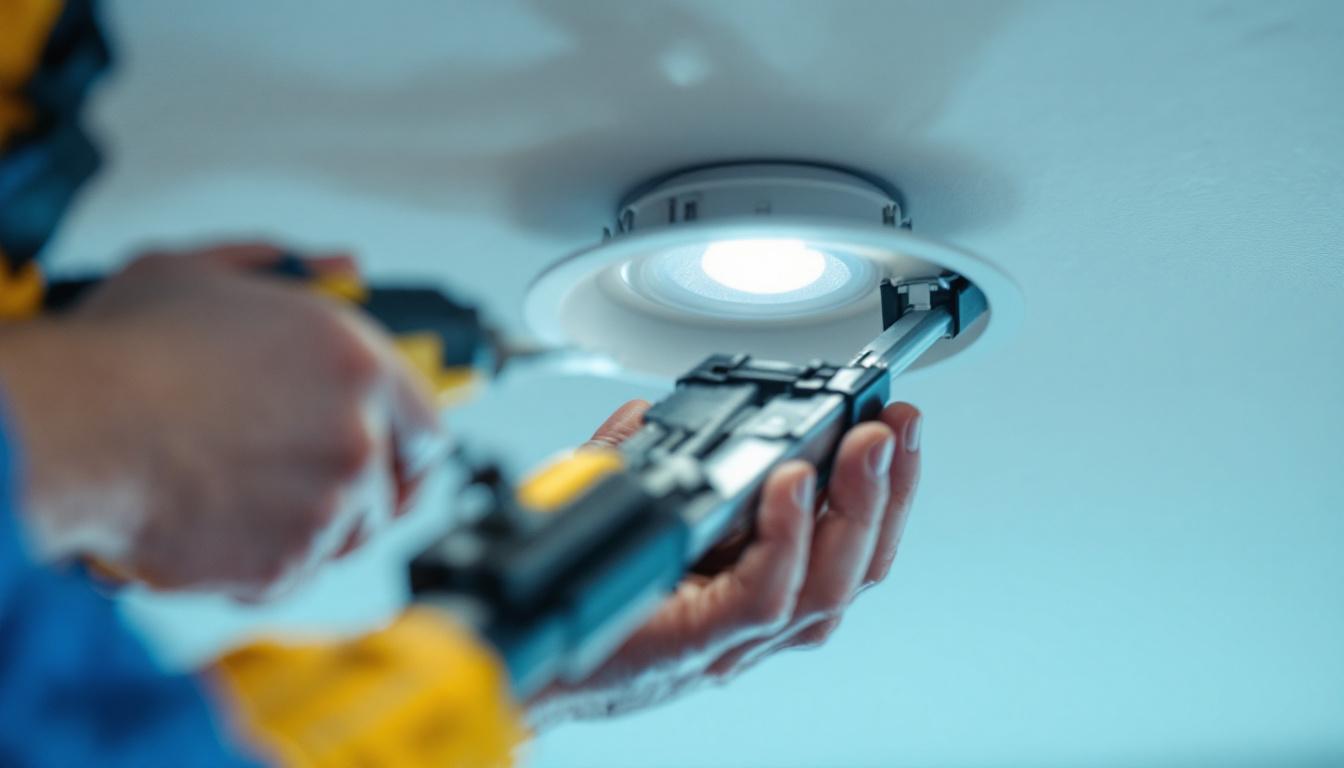
Recessed lighting is a staple in modern interior design, prized for its sleek look and ability to illuminate spaces without intrusive fixtures. Yet, during installation, many contractors overlook a small but crucial component: the C clip. These unassuming metal clips play a pivotal role in securing recessed light housings, ensuring safety, stability, and a professional finish.
Without properly installed C clips, recessed lights can shift over time, leading to misalignment, gaps, or even damage to the ceiling. This not only compromises aesthetics but can also pose fire hazards if the fixture moves too close to combustible materials. For contractors aiming to deliver flawless results, understanding and utilizing C clips correctly is essential.
Moreover, the importance of C clips extends beyond mere functionality; they also contribute to the longevity of the lighting system. When recessed lights are securely fastened, they are less likely to experience wear and tear from vibrations or movement, which can be especially prevalent in high-traffic areas or homes with active families. This stability ensures that the lighting remains effective and visually appealing for years to come, reducing the need for costly repairs or replacements.
Additionally, using C clips can enhance the overall energy efficiency of a lighting installation. Properly secured fixtures maintain their intended placement, allowing for optimal light distribution throughout the room. This not only improves the ambiance but also ensures that energy is not wasted on poorly directed light, ultimately leading to lower electricity bills. In a world increasingly focused on sustainability, every small detail, including the humble C clip, contributes to a more efficient and environmentally friendly home.
What Exactly Are C Clips?
C clips are small, crescent-shaped metal fasteners designed to attach recessed lighting housings to ceiling joists or drywall. Unlike traditional mounting brackets that require screws or nails, C clips snap into place, providing a secure hold without damaging the surrounding materials. This innovative design not only simplifies the installation process but also enhances the overall aesthetic by keeping the lighting fixtures flush with the ceiling, creating a clean and modern look.
They come in various sizes and designs to accommodate different housing types and ceiling thicknesses. Their simplicity belies their importance; they distribute the fixture’s weight evenly and prevent unwanted movement, which is especially critical in ceilings with limited structural support. Additionally, the use of C clips can significantly reduce installation time, making them a preferred choice among electricians and contractors who value efficiency and reliability in their projects.
Types of C Clips and Their Applications
Not all C clips are created equal. Some are designed for new construction, where the ceiling is open, allowing easy access to joists. Others cater to remodel or retrofit projects, where the ceiling is already finished and only a hole is cut for the light. This versatility makes C clips an essential component in both residential and commercial lighting installations, adapting seamlessly to various construction scenarios.
For example, adjustable C clips can extend or retract to fit joists spaced at varying distances, providing flexibility on site. Some models include insulation contact (IC) ratings, allowing safe installation in insulated ceilings without risk of overheating. These features are particularly beneficial in energy-efficient designs, where maintaining proper insulation is crucial. Furthermore, specialized C clips are available for specific applications, such as those that require additional support for heavier fixtures or those that are designed to work in conjunction with smart lighting systems, ensuring that the latest technology can be integrated without compromising safety or performance.
Common Challenges Without C Clips
Skipping C clips or using improper mounting methods can lead to several issues that affect both the installation process and the longevity of the lighting system.
Fixture Instability and Movement
Without C clips, recessed lights often rely solely on friction or less secure fasteners. Over time, vibrations from HVAC systems or building settling can cause the fixture to loosen or tilt. This not only looks unprofessional but can create gaps that allow dust and insects to enter the ceiling cavity. Additionally, the misalignment of fixtures can lead to uneven lighting distribution, creating dark spots and diminishing the overall aesthetic appeal of the space. Homeowners and businesses alike may find themselves needing to adjust or reposition fixtures frequently, which can be both frustrating and time-consuming.
Compromised Fire Safety
Recessed lights generate heat. When fixtures are not securely fastened, they can shift closer to insulation or other combustible materials, increasing the risk of fire. Many C clips are designed to maintain proper clearance, ensuring compliance with fire codes and safety standards. Furthermore, the potential for overheating can lead to premature failure of the light bulbs, resulting in additional costs for replacements. It is crucial to understand that proper installation not only protects the physical integrity of the lighting system but also safeguards the occupants of the building from potential hazards associated with electrical fires.
Difficulty in Maintenance and Replacement
Fixtures that are improperly mounted can be challenging to remove or replace. C clips simplify this process by allowing easy detachment without damaging the ceiling or the fixture itself, saving time and reducing repair costs. In contrast, fixtures that are not securely attached may require extensive work to access, including patching and repainting the ceiling after removal. This added labor can significantly increase the overall cost of maintenance. Moreover, when it comes time to upgrade or change the lighting, the ease of access provided by C clips allows for a more efficient transition to newer technologies, such as LED lighting, which can offer improved energy efficiency and longer lifespans.
How to Properly Use C Clips in Your Lighting Projects
Mastering the installation of C clips can elevate the quality and safety of your recessed lighting work. Here’s a step-by-step guide to ensure success:
1. Select the Appropriate C Clip
Start by identifying the type of recessed housing and ceiling structure. For new construction, use clips designed to attach directly to joists. For remodels, choose clips that can secure the housing to drywall. Always check for IC ratings if insulation will be in contact with the fixture.
2. Prepare the Ceiling Opening
Cut the ceiling hole to the manufacturer’s specifications. Ensure the edges are smooth to allow the housing and clips to fit snugly without gaps.
3. Attach the C Clips to the Housing
Depending on the clip design, either snap or screw the clips onto the recessed housing. Make sure they are firmly in place and oriented correctly to engage with the ceiling structure.
4. Secure the Housing in the Ceiling
Insert the housing into the ceiling hole. For new construction, fasten the C clips to the joists by tightening screws or snapping them into place. For remodels, the clips should grip the drywall securely, holding the fixture flush with the ceiling surface.
5. Verify Stability and Alignment
Once installed, gently test the fixture for movement. It should feel solid and aligned evenly with the ceiling plane. Adjust the clips if necessary to achieve a perfect fit.
Benefits of Incorporating C Clips in Your Workflow
Beyond safety and stability, using C clips offers several advantages that can improve project outcomes and client satisfaction.
Speed and Efficiency
C clips simplify the mounting process, reducing installation time. Their snap-in design eliminates the need for complex hardware or additional framing, allowing contractors to complete jobs faster without sacrificing quality.
Cost-Effectiveness
While C clips are inexpensive, their impact on reducing callbacks and repairs is significant. Secure fixtures mean fewer issues down the line, saving money on labor and materials.
Professional Finish
Clients notice when lighting is perfectly aligned and stable. C clips help achieve a clean, seamless look that enhances the overall aesthetic of any space.
Common Mistakes to Avoid When Using C Clips
Even experienced contractors can make errors that undermine the effectiveness of C clips. Recognizing these pitfalls can prevent costly mistakes.
Using the Wrong Clip Type
Not all clips fit all housings or ceiling types. Using a non-IC rated clip in an insulated ceiling, for example, can cause overheating. Always match the clip to the specific application.
Overtightening or Undertightening
Applying too much force can deform the clip or housing, while insufficient tightening leads to loose fixtures. Follow manufacturer torque guidelines carefully.
Ignoring Ceiling Material Variations
Drywall thickness and joist spacing vary between buildings. Adjust C clips accordingly to ensure a secure fit rather than forcing a one-size-fits-all approach.
Innovations and Trends in C Clip Design
Manufacturers continue to refine C clip designs to meet evolving demands in lighting technology and building codes.
Tool-Free Installation
Some newer models feature tool-free mechanisms that allow clips to snap into place without screws, speeding up installation and reducing the need for additional hardware.
Integrated Thermal Protection
Advanced C clips now incorporate heat-resistant materials or designs that improve airflow around the fixture, enhancing safety in insulated ceilings.
Compatibility with Smart Lighting
As smart recessed lights become more common, clips are being designed to accommodate larger housings or integrated sensors without compromising mounting integrity.
Final Thoughts
For lighting contractors, C clips are more than just a minor accessory-they are the backbone of a secure, safe, and professional recessed lighting installation. Overlooking them can lead to instability, safety risks, and client dissatisfaction. Taking the time to select, install, and adjust C clips properly will pay dividends in project quality and longevity.
Incorporating the right C clips into every recessed lighting project is a small step with a big impact. It’s the missing piece that transforms a good lighting job into an exceptional one.
Illuminate Your Projects with LumenWholesale
Don’t let the absence of C clips dim the success of your lighting installations. At LumenWholesale, we understand the importance of every detail in your projects. That’s why we offer an extensive selection of top-quality, spec-grade lighting products, including the essential C clips, at unbeatable wholesale prices. Say goodbye to local distributor markups and hello to superior products that meet the highest industry standards. With free shipping on bulk orders, you can stock up on everything you need to ensure your recessed lighting projects shine with stability, safety, and professionalism. Elevate your lighting game and discover the best value in wholesale lighting with LumenWholesale today.