Why Fluorescent Tubes Are Losing Ground
Fluorescent tubes have been a staple in commercial and industrial lighting for decades. Their initial appeal was clear: energy efficiency compared to incandescent bulbs, relatively long lifespan, and a lower upfront cost. However, the lighting industry is shifting rapidly, and fluorescent tubes are increasingly seen as outdated technology.
One of the main challenges with fluorescent tubes is their inefficiency compared to newer lighting technologies. They consume more energy than LED alternatives and contain mercury, which raises environmental and disposal concerns. Additionally, their light quality and flicker issues can negatively impact occupant comfort and productivity. The flickering effect, often imperceptible to the naked eye, can lead to eye strain and headaches for some individuals, further diminishing their appeal in environments where comfort is paramount, such as offices and schools.
For lighting contractors, these drawbacks translate into a competitive disadvantage. Clients are becoming more informed and demanding sustainable, cost-effective, and high-quality lighting solutions. Sticking with fluorescent tubes may lead to losing bids to contractors who offer modern alternatives. Moreover, the rapid advancements in LED technology have introduced features such as tunable white light, which allows users to adjust the color temperature to suit different tasks and moods, enhancing the overall ambiance of a space. This adaptability is particularly appealing in settings like retail, where lighting can significantly influence consumer behavior and purchasing decisions.
Furthermore, the long-term cost savings associated with LED lighting cannot be overstated. While the initial investment may be higher, the reduced energy consumption, longer lifespan, and minimal maintenance requirements contribute to significant savings over time. Many businesses are now prioritizing return on investment and sustainability in their purchasing decisions, leading to a marked decline in the popularity of fluorescent tubes. As the push for greener solutions continues to gain momentum, the transition away from fluorescent lighting is likely to accelerate, leaving many to wonder what the future holds for this once-dominant technology.
LED Tubes: The Leading Fluorescent Replacement
Energy Savings and Cost Efficiency
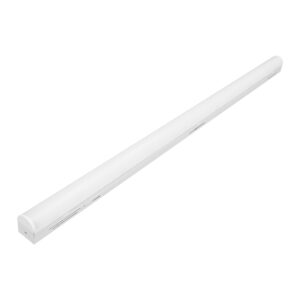
LED tube lights have emerged as the most popular alternative to fluorescent tubes. They use significantly less energy—often 40-60% less—while providing equal or better illumination. This reduction in power consumption directly lowers operating costs for clients, a compelling selling point during the bidding process.
Although LED tubes may have a higher upfront price than fluorescent tubes, the total cost of ownership is far lower. LEDs last longer—up to 50,000 hours or more—meaning fewer replacements and less maintenance. For large facilities, these savings add up quickly and can be highlighted in bids to demonstrate long-term value. Furthermore, many utility companies offer rebates and incentives for switching to energy-efficient lighting solutions, which can further offset initial costs and provide an attractive financial incentive for clients considering the switch.
Improved Light Quality and Versatility
LED tubes deliver superior light quality with higher color rendering indexes (CRI), which enhances visibility and color accuracy. This can be crucial in settings like retail stores, schools, or healthcare facilities where lighting quality affects functionality and ambiance. The ability to create a more inviting atmosphere can lead to increased customer satisfaction and productivity, making LED tubes an essential consideration for any lighting upgrade.
Additionally, LED tubes come in various color temperatures, from warm white to daylight, allowing contractors to tailor lighting to the client’s specific needs. This flexibility can differentiate a bid by showing thoughtful customization rather than a one-size-fits-all approach. Moreover, the dimmable options available with many LED tubes provide even greater control over the lighting environment, enabling clients to adjust brightness levels according to the time of day or specific activities, enhancing both comfort and efficiency.
Easy Retrofit and Installation
Many LED tubes are designed to retrofit directly into existing fluorescent fixtures with minimal rewiring. This reduces labor time and costs, appealing to clients looking for quick, disruption-free upgrades. Lighting contractors who emphasize this ease of installation can win bids by promising fast project turnaround. Additionally, the lightweight design of LED tubes allows for easier handling and installation, further streamlining the process and minimizing potential delays.
Furthermore, the advancements in LED technology have led to the development of smart LED tubes that can be integrated with building management systems. These smart solutions offer features like occupancy sensing and automated dimming, which not only enhance energy savings but also provide clients with a modern, tech-savvy lighting solution. By highlighting these innovative options, contractors can position themselves as forward-thinking and capable of delivering cutting-edge solutions that meet the evolving needs of their clients.
Other Emerging Alternatives to Fluorescent Tubes
OLED Panels
Organic Light Emitting Diode (OLED) panels are gaining attention for their thin, flexible design and excellent light diffusion. While still more expensive and less common than LED tubes, OLEDs offer a unique aesthetic and ultra-low glare, making them ideal for high-end commercial spaces. Their ability to produce vibrant colors and deep blacks enhances the visual appeal of any environment, allowing designers to create immersive experiences that captivate audiences.
Contractors working on premium projects can leverage OLED technology to stand out in bids by offering cutting-edge, visually appealing solutions that traditional fluorescent tubes cannot match. Additionally, the lightweight nature of OLED panels allows for innovative installation options, such as curved or suspended designs, which can transform ordinary spaces into extraordinary showcases. As the technology continues to evolve, we may see even more applications in residential settings, where homeowners seek to create unique atmospheres with customizable lighting options.
Induction Lighting
Induction lamps, which use electromagnetic fields to excite gases and produce light, provide long life and good efficiency. They are less common but can be suitable for large-scale industrial applications where maintenance access is difficult. The longevity of induction lighting—often exceeding 100,000 hours—means that once installed, these fixtures require minimal intervention, making them a practical choice for facilities that prioritize uptime and operational efficiency.
While not as energy-efficient as LEDs, induction lighting can be a viable alternative in niche markets. Contractors familiar with this technology can target specific clients and projects where its benefits outweigh costs. For instance, warehouses and outdoor areas that require consistent, reliable lighting can benefit from the durability and performance of induction lamps. Furthermore, as sustainability becomes a more significant concern, the reduced waste generated from longer-lasting induction lights can appeal to environmentally conscious businesses looking to minimize their ecological footprint.
How Switching to Fluorescent Tube Alternatives Boosts Bid Success
Meeting Client Expectations for Sustainability
Environmental responsibility is no longer optional. Many organizations have sustainability goals or mandates that include reducing energy use and hazardous waste. Fluorescent tubes contain mercury, complicating disposal and recycling efforts.
Offering mercury-free LED or OLED alternatives aligns with these goals and can be a decisive factor in winning bids. Contractors who highlight the environmental benefits of their lighting proposals demonstrate awareness and commitment to client values. Furthermore, adopting these alternatives can significantly enhance a company’s reputation, positioning them as leaders in sustainability within their industry. Many clients are now actively seeking partnerships with suppliers who prioritize eco-friendly practices, making it essential for contractors to showcase their commitment to green initiatives.
In addition to aligning with sustainability goals, the transition to LED technology can also contribute to achieving certifications such as LEED (Leadership in Energy and Environmental Design). These certifications can be a major selling point, as they not only reflect a commitment to environmental stewardship but also can lead to financial incentives and rebates from local governments or utility companies. By integrating these aspects into their proposals, contractors can further strengthen their bids and appeal to environmentally conscious clients.
Lower Total Cost of Ownership Appeals to Budget-Conscious Clients
Clients are increasingly focused on long-term operational costs rather than just initial expenses. LED tubes’ energy savings and reduced maintenance translate into lower utility bills and fewer service calls.
Contractors who present detailed lifecycle cost analyses in their bids provide clients with a clearer financial picture. This transparency builds trust and positions the contractor as a knowledgeable partner rather than just a vendor. Additionally, by illustrating the potential return on investment (ROI) through energy savings and longevity of LED products, contractors can effectively demonstrate the financial advantages of switching to these alternatives. This approach not only reassures clients about their investment but also encourages them to consider the long-term benefits rather than being swayed by upfront costs alone.
Moreover, many clients are unaware of the hidden costs associated with traditional fluorescent lighting, such as frequent replacements and the energy wasted during warm-up times. By educating clients on these factors and providing comparative analyses, contractors can further emphasize the economic benefits of LED solutions. This proactive communication can lead to more informed decision-making and ultimately, a higher likelihood of bid acceptance.
Enhanced Lighting Quality Improves Client Satisfaction
Lighting impacts productivity, safety, and customer experience. Poor-quality fluorescent lighting can cause eye strain, headaches, and dissatisfaction.
By proposing high-CRI, flicker-free LED solutions, contractors can promise better environments that meet or exceed client expectations. This focus on quality can differentiate bids in competitive markets. Additionally, the ability to customize lighting solutions to fit specific tasks or environments—such as warmer tones for hospitality settings or brighter, cooler tones for workspaces—allows contractors to tailor their proposals to the unique needs of each client. This level of personalization not only enhances client satisfaction but also demonstrates a deep understanding of their operational requirements.
Furthermore, the advancements in smart lighting technology enable clients to control their lighting systems more efficiently, adjusting brightness and color temperature based on the time of day or specific activities. This adaptability not only improves the overall ambiance but can also lead to increased energy savings. By incorporating smart technology into their proposals, contractors can position themselves at the forefront of innovation, appealing to clients who are looking to modernize their facilities while enhancing both functionality and aesthetic appeal.
Practical Tips for Lighting Contractors Transitioning to Alternatives
Understand the Technical Differences
Before pitching alternatives, contractors should be well-versed in the technical specifications of LED, OLED, and other emerging technologies. Knowledge of wattage, lumens, color temperature, and compatibility with existing fixtures is essential.
Being able to answer client questions confidently builds credibility and reduces hesitation during the decision-making process.
Build Relationships with Reliable Suppliers
Partnering with reputable manufacturers ensures access to quality products and technical support. Reliable supply chains also prevent project delays, which can jeopardize bids.
Contractors should seek suppliers who offer warranties and training resources to enhance their service offerings.
Prepare Detailed Proposals Highlighting Benefits
Successful bids clearly communicate the advantages of fluorescent alternatives. Include energy savings calculations, environmental impact data, maintenance schedules, and expected lifespan.
Visual aids like before-and-after photos or case studies can make proposals more persuasive.
Offer Demonstrations or Pilot Installations
When possible, providing clients with a demonstration or trial installation can alleviate concerns about new technology. Seeing the improved lighting firsthand often convinces decision-makers more effectively than written proposals alone.
Conclusion: Embracing Fluorescent Tube Alternatives as a Competitive Edge
Fluorescent tubes are on the decline, and lighting contractors who adapt by embracing LED and other alternatives position themselves for greater success. These technologies offer tangible benefits-energy savings, environmental compliance, superior light quality, and ease of installation-that resonate with clients.
Winning bids increasingly depends on demonstrating value beyond just upfront cost. Contractors who educate themselves on alternatives, build strong supplier partnerships, and craft compelling proposals will find themselves ahead of the competition. The future of lighting is clear: it’s time to move beyond fluorescent tubes.
Upgrade Your Lighting Projects with LumenWholesale
Ready to outshine the competition and secure more bids? LumenWholesale is your trusted partner for transitioning to the latest in lighting technology. Our extensive range of spec-grade LED and other advanced lighting solutions come at unbeatable wholesale prices, giving you the competitive edge you need. Say goodbye to inflated markups and hello to high-performance lighting that meets the highest industry standards. Plus, with free shipping on bulk orders, you can enjoy premium lighting at the best value without any hidden fees. Elevate your lighting game and delight your clients with the quality, affordability, and convenience of Wholesale Lighting at the Best Value from LumenWholesale.