Choosing the Right Bracket for the Job
Light pole sign brackets may seem like a small component, but selecting the correct one can make or break the installation. The first consideration is the type of pole and sign you’re working with. Poles vary in diameter, material, and shape—round, square, or octagonal—each requiring a compatible bracket design.
For example, a heavy-duty aluminum bracket is ideal for larger signs on steel poles, offering both strength and corrosion resistance. Conversely, lighter signs on fiberglass poles might only need a simpler, less robust bracket. Matching the bracket’s load capacity to the sign’s weight is critical to ensure safety and longevity.
Don’t overlook environmental factors either. Coastal areas demand brackets with superior corrosion protection, while urban settings may require vandal-resistant designs. Understanding these nuances helps contractors avoid costly callbacks and enhances client satisfaction.
Additionally, it’s essential to consider the installation process itself. Some brackets come with adjustable features that allow for easy alignment and positioning, which can save time and reduce labor costs during installation. This flexibility can be particularly beneficial when working in areas where precise placement is crucial for visibility and effectiveness. Furthermore, the ease of installation can vary significantly between different bracket designs; opting for a user-friendly model can streamline the project and minimize the risk of errors.
Another aspect to consider is the aesthetic appeal of the bracket. In many cases, the bracket will be visible and can either complement or detract from the overall look of the signage. Selecting a bracket that not only meets functional requirements but also aligns with the design intent of the sign can enhance the overall visual impact. This is particularly important in high-traffic areas where signage plays a key role in branding and communication. By taking the time to choose the right bracket, you ensure that the installation is not only practical but also visually appealing, contributing to a cohesive and professional appearance.
Installation Techniques That Save Time and Ensure Stability
Preparing the Pole and Bracket
Before mounting, thoroughly inspect the pole surface. Remove rust, dirt, or peeling paint to guarantee a solid connection. A clean, smooth surface prevents bracket slippage and extends hardware life. Use a wire brush or sandpaper for surface prep, followed by a wipe-down with a suitable solvent. This initial step is crucial, as contaminants can lead to corrosion over time, ultimately compromising the integrity of the installation. Additionally, consider applying a rust-inhibiting primer to the pole, which can provide an extra layer of protection against the elements, ensuring longevity.
Check bracket components for defects or damage. Even minor bends or cracks can compromise the installation. It’s worth taking the time to assemble the bracket off-site to verify all parts fit correctly. This pre-assembly phase allows for a detailed inspection of each component, ensuring that any issues are addressed before the actual installation begins. Furthermore, organizing your tools and materials at this stage can streamline the process, minimizing delays during installation and enhancing overall efficiency.
Securing the Bracket
Proper torque on bolts and fasteners is essential. Over-tightening risks stripping threads or deforming the bracket, while under-tightening can lead to loosening over time. Using a calibrated torque wrench ensures consistent results across multiple installations. It’s also beneficial to familiarize yourself with the manufacturer’s specifications regarding torque settings, as different materials and designs may require unique approaches. Keeping a log of torque settings can help maintain uniformity across various installations, which is particularly useful for large-scale projects.
When using U-bolts or band clamps, position them evenly and tighten incrementally. This distributes pressure uniformly around the pole, reducing stress points. For added security, consider applying thread-locking compounds on bolts to resist vibration-induced loosening. Additionally, inspecting the installation periodically can help catch any potential issues early on. A routine check-up can involve simply ensuring that all fasteners remain tight and that no signs of wear or corrosion are present, which can save time and resources in the long run.
Aligning the Sign
Signs must be mounted level and straight to maintain visibility and aesthetics. Utilize a spirit level or laser level during installation. Even slight misalignment can affect the sign’s effectiveness and may require rework. Taking the time to double-check alignment not only enhances the professional appearance of the installation but also ensures that the sign is easily readable from a distance, which is critical for safety and communication. In high-traffic areas, consider the angle of visibility; adjusting the height and tilt of the sign may improve its impact.
Moreover, it’s essential to account for environmental factors that may affect the sign’s positioning over time, such as wind load or nearby vegetation that could obstruct visibility. Planning for these variables during installation can prevent future complications. Documenting the installation process with photographs can also serve as a valuable reference for future maintenance or adjustments, ensuring that the sign remains in optimal condition for years to come.
Material Selection: Balancing Durability and Cost
Brackets come in various materials, including steel, aluminum, and stainless steel. Steel brackets are cost-effective and strong but need protective coatings to prevent rust. Powder-coated steel offers enhanced corrosion resistance, suitable for most urban and suburban environments. The powder-coating process not only improves the aesthetic appeal of the brackets but also extends their lifespan by creating a barrier against moisture and environmental pollutants. This makes them an ideal choice for projects where both functionality and appearance are important, such as in residential or commercial buildings.
Aluminum brackets are lightweight and naturally resistant to corrosion, making them a preferred choice for coastal or high-humidity areas. However, aluminum can be less strong than steel, so it’s important to verify the bracket’s load rating. Additionally, aluminum’s malleability allows for intricate designs and shapes, which can be beneficial in architectural applications where visual impact is key. The versatility of aluminum also means that it can be easily anodized or painted, further enhancing its resistance to the elements while allowing for customization to match specific design requirements.
Stainless steel brackets provide the highest durability and corrosion resistance but at a premium price. They are often reserved for high-profile installations or harsh environments where maintenance access is limited. Stainless steel’s inherent strength and resistance to pitting and crevice corrosion make it an excellent choice for marine applications or industrial settings where exposure to chemicals is a concern. Furthermore, the aesthetic qualities of stainless steel, with its sleek and modern appearance, make it a popular option in contemporary design projects, where both form and function must be harmoniously balanced. As a result, while the initial investment may be higher, the long-term benefits of stainless steel can outweigh the costs, particularly in demanding environments.
Common Challenges and How to Overcome Them
Dealing with Irregular Pole Surfaces
Not all poles are perfectly smooth or uniform. Older poles may have dents, rust patches, or peeling paint that complicate bracket attachment. In these cases, use flexible or adjustable brackets designed to conform to uneven surfaces.
Custom shims or padding materials can also help create a flush fit between the bracket and pole. This prevents movement and reduces wear on both components. Additionally, applying a protective coating to the pole’s surface can help mitigate further deterioration, ensuring a longer lifespan for both the pole and the attached signage. Regular inspections should be scheduled to monitor the condition of the pole and the effectiveness of the installed brackets, allowing for timely interventions before minor issues escalate into major problems.
Managing Wind Loads and Vibration
Signs mounted on light poles are exposed to wind forces that can cause vibration and eventual loosening of fasteners. Selecting brackets with vibration-damping features or installing rubber gaskets between the bracket and pole can mitigate this issue.
Regular maintenance checks are crucial in windy areas. Tightening bolts and inspecting for wear should be part of a routine schedule to prevent failures. Furthermore, incorporating aerodynamic designs in signage can help reduce wind resistance, thereby minimizing the overall load on the mounting system. Utilizing materials that are not only lightweight but also durable can enhance the resilience of the installation against harsh weather conditions, ensuring that the signs remain securely mounted and visible.
Working in Tight or Elevated Spaces
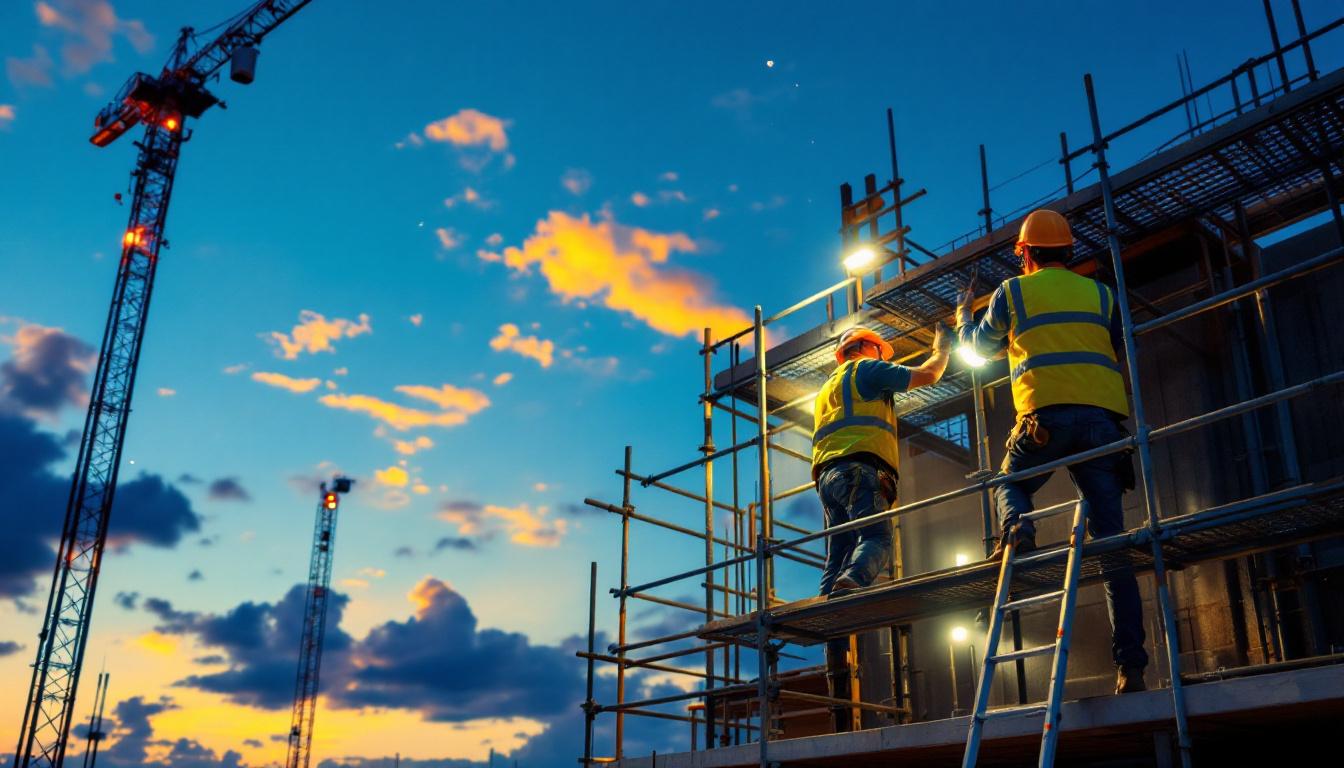
Installing brackets on poles in confined spaces or at height presents safety and logistical challenges. Use of proper scaffolding, lifts, or bucket trucks is essential to maintain worker safety and ensure precise installation.
Pre-assembling bracket components on the ground can reduce time spent working at height, minimizing risk. Additionally, lightweight bracket materials ease handling in these conditions. It’s also beneficial to develop a comprehensive safety plan that includes the use of harnesses and fall protection systems, especially when working at significant heights. Training workers on the specific challenges of these environments can further enhance safety and efficiency, ensuring that installations are completed without incident and to the highest standards of quality.
Compliance and Safety Considerations
Adhering to local codes and standards is non-negotiable. Many municipalities have specific requirements for sign mounting heights, bracket strength, and reflectivity. Familiarity with these regulations prevents costly violations and potential hazards.
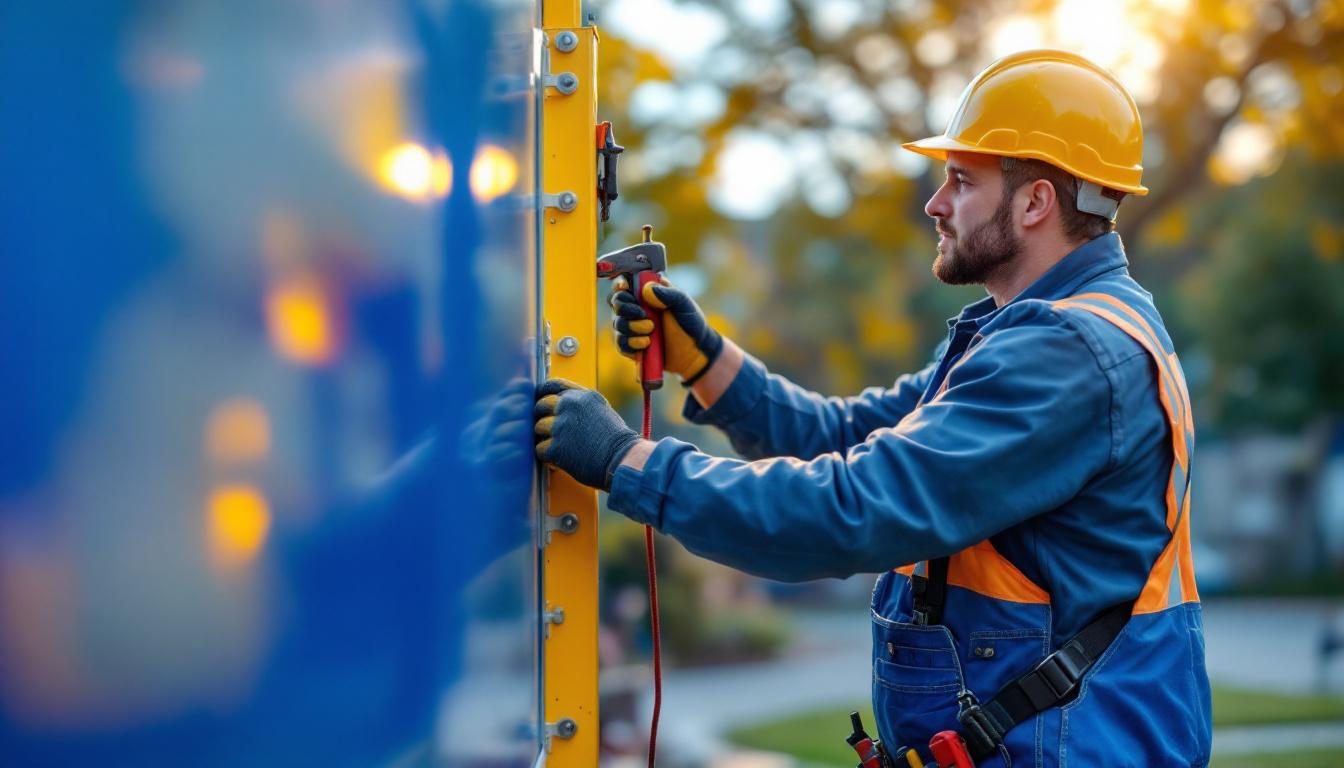
Safety gear for installers-hard hats, gloves, harnesses-is mandatory, especially when working on poles near traffic or at significant heights. Proper training in fall protection and electrical safety is equally important, as many light poles carry electrical wiring.
Maintenance Tips to Extend Bracket Lifespan
Routine inspections can catch problems before they escalate. Look for signs of rust, loose bolts, or bracket deformation. Cleaning brackets periodically removes dirt and debris that can trap moisture and accelerate corrosion.
Applying protective coatings or touch-up paint after inspections helps maintain the bracket’s integrity. In coastal or industrial environments, more frequent maintenance may be necessary due to harsher conditions.
Final Thoughts
Mastering light pole sign bracket installation is about attention to detail, material knowledge, and safety awareness. The right bracket, installed correctly, ensures that signs remain secure, visible, and compliant for years.
Lighting contractors who invest time in understanding these components not only improve their craftsmanship but also build trust with clients through reliable, professional work. Every bracket counts-get it right the first time.
Get Your Premium Light Pole Sign Brackets at LumenWholesale
Ready to elevate your lighting installations with the highest quality brackets? LumenWholesale is your go-to source for spec-grade lighting products that combine durability, performance, and cost-efficiency. Say goodbye to local distributor markups and hello to our extensive selection of lighting solutions that meet rigorous industry standards. With free shipping on bulk orders, you can stock up on the best lighting products at wholesale prices. Don’t compromise on quality or value—Wholesale Lighting at the Best Value is just a click away. Make your next project shine with LumenWholesale.