Understanding the Unique Lighting Needs of Garages
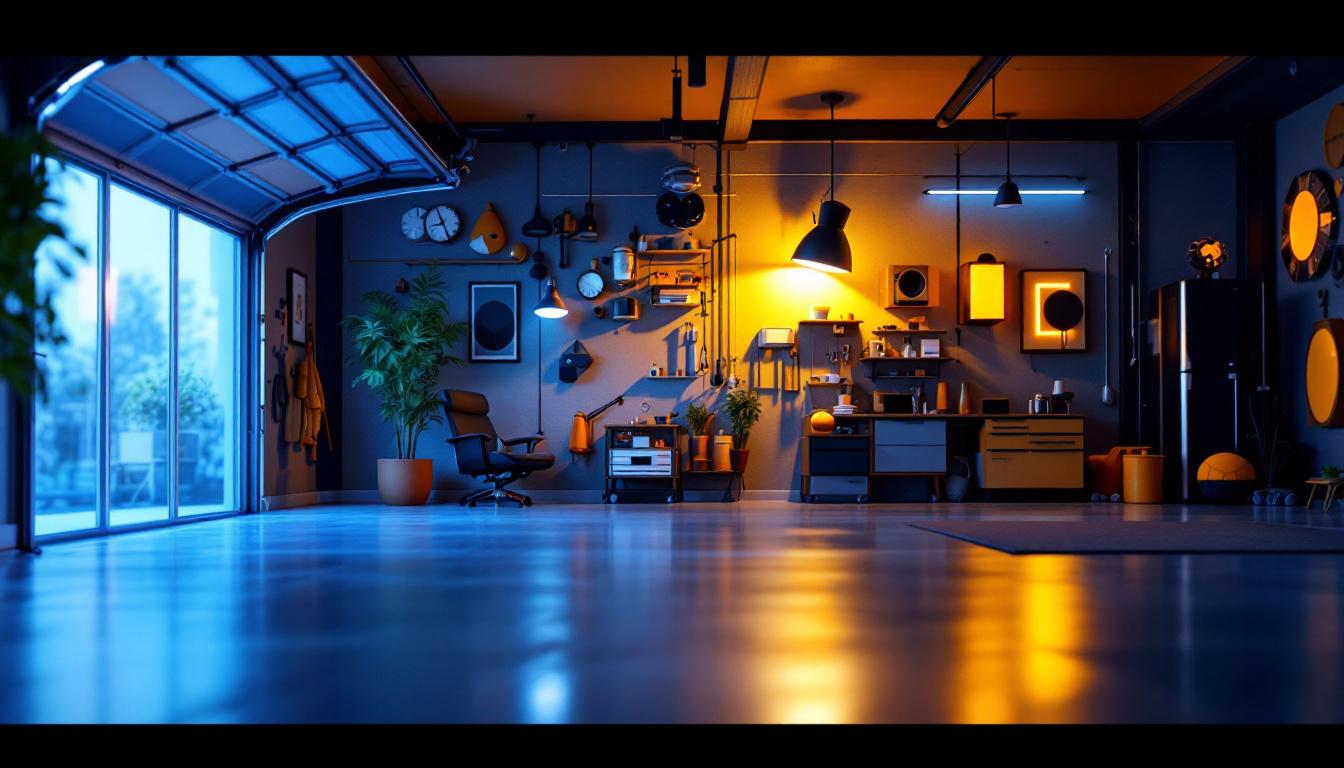
Garages are more than just storage spaces for vehicles; they often double as workshops, hobby areas, or utility rooms. This multifunctional nature demands lighting solutions that are not only bright but also versatile and durable. Unlike typical residential rooms, garages require lighting that can withstand dust, moisture, and sometimes temperature fluctuations. The right lighting can transform a dim, cluttered garage into a well-lit, efficient workspace, making it easier to find tools and materials while also enhancing safety.
Lighting contractors must recognize that the average garage space varies widely—from small single-car garages to expansive multi-vehicle workshops. Each setup has distinct lighting requirements based on size, ceiling height, and intended use. For example, a garage used primarily for parking may only need basic illumination, while a workshop demands task lighting with high color rendering to ensure precision and safety. Additionally, garages that are frequently used for DIY projects or repairs benefit from adjustable lighting solutions, such as track lighting or portable work lights, which can be repositioned to focus on specific areas as needed.
Understanding these nuances is crucial for specifying the right fixtures and layouts. The goal is to create an environment that enhances visibility, reduces shadows, and supports the activities performed within the space. Moreover, integrating energy-efficient LED lighting can significantly reduce electricity costs while providing a longer lifespan compared to traditional bulbs. This is particularly beneficial in garages, where lights may be left on for extended periods during projects. Furthermore, incorporating motion sensors can enhance convenience and safety, ensuring that lights activate automatically when someone enters the garage, thus eliminating the need to fumble for switches in the dark.
Another important consideration is the color temperature of the lighting. Warmer tones can create a cozy atmosphere, while cooler tones are often preferred in workspaces for their ability to enhance focus and alertness. This choice can greatly affect the overall functionality of the garage. Additionally, the installation of windows or skylights can provide natural light during the day, reducing reliance on artificial lighting and creating a more pleasant environment. By thoughtfully addressing these aspects, homeowners can optimize their garage lighting to suit their specific needs, making the space not only more usable but also more enjoyable.
Choosing the Right Type of Garage Lighting
Ambient Lighting: The Foundation
Ambient lighting provides the general illumination necessary for safe navigation and overall visibility. Fluorescent and LED fixtures are the most common choices for ambient garage lighting. LEDs, in particular, have gained popularity due to their energy efficiency, long lifespan, and low heat emission.
Contractors should consider high-lumen output fixtures with a color temperature between 4000K and 5000K. This range mimics daylight and helps reduce eye strain, which is especially beneficial in garages where detailed work might occur. Furthermore, integrating dimmable options can enhance the versatility of ambient lighting, allowing users to adjust the brightness based on the task at hand or the time of day. This adaptability can create a more comfortable environment, whether the garage is being used for a quick repair or a more extensive project.
Task Lighting: Focused and Functional
Task lighting is essential in areas where specific activities take place, such as workbenches or tool stations. Adjustable LED strip lights, under-cabinet fixtures, or portable work lamps provide focused illumination that enhances accuracy and safety.
When installing task lighting, contractors must ensure that fixtures do not cast shadows on the work area. Positioning lights above and slightly in front of the workspace typically yields the best results. Additionally, choosing fixtures with a high Color Rendering Index (CRI) of 80 or above helps reveal true colors, which is critical for tasks like painting or wiring. To further improve functionality, consider incorporating flexible lighting solutions, such as magnetic work lights that can be repositioned as needed, or even smart lighting systems that can be controlled via smartphone apps, allowing users to customize their lighting setup effortlessly.
Accent and Security Lighting
While less critical inside the garage, accent lighting can improve aesthetics and highlight storage areas or architectural features. Security lighting, on the other hand, plays a vital role in deterring intruders and enhancing safety. Motion-activated LED floodlights near garage doors or entrances are effective solutions.
In addition to motion-activated lights, incorporating solar-powered security lights can be an eco-friendly option that requires minimal installation effort. These lights can illuminate pathways and entry points, providing peace of mind during nighttime hours. Furthermore, using smart security cameras with integrated lighting can enhance both security and convenience, allowing homeowners to monitor their garage remotely. By strategically placing these security features, homeowners can create a well-lit environment that not only protects their vehicles and tools but also adds an extra layer of safety to their property.
Key Considerations for Lighting Installation in Garages
Durability and Environmental Resistance
Garages often expose lighting fixtures to dust, moisture, and temperature swings. Choosing fixtures with appropriate Ingress Protection (IP) ratings ensures longevity and reliability. For most garage interiors, an IP rating of at least IP44 is advisable to protect against dust and water splashes.
Contractors should also consider materials that resist corrosion and impact. Polycarbonate lenses and metal housings with powder coatings are common choices that withstand harsh garage conditions.
Energy Efficiency and Cost Savings
Energy-efficient lighting not only reduces operational costs but also aligns with modern building codes and sustainability goals. LED technology stands out for its efficiency and durability. Though the upfront cost may be higher than traditional lighting, the long-term savings in energy and maintenance justify the investment.
Lighting contractors should also advise clients on incorporating controls such as occupancy sensors and dimmers. These devices minimize energy waste by ensuring lights are on only when needed and at appropriate brightness levels.
Compliance with Codes and Standards
Adhering to local electrical codes and lighting standards is non-negotiable. This includes proper fixture placement, wiring methods, and ensuring adequate illumination levels. The Illuminating Engineering Society (IES) provides guidelines on recommended foot-candle levels for garages, typically ranging from 50 to 75 foot-candles for general lighting and up to 100 foot-candles for task areas.
Contractors should stay updated on any changes in regulations and ensure that installations pass inspections without issues. Proper documentation and adherence to safety standards protect both the contractor and the client.
Designing Effective Garage Lighting Layouts
Balancing Uniformity and Brightness
Uniform lighting distribution prevents dark spots and harsh shadows that can compromise safety and usability. A well-planned layout spaces fixtures evenly, considering the garage’s dimensions and ceiling height.
For garages with high ceilings, higher wattage or more fixtures may be necessary to achieve adequate brightness at floor level. Conversely, low ceilings benefit from low-profile fixtures that minimize glare and maximize headroom.
Layered Lighting Approach
Combining ambient, task, and accent lighting creates a layered effect that enhances functionality and comfort. This approach allows users to adjust lighting based on specific needs-bright overall illumination for cleaning or repairs, and softer light for casual use.
Lighting contractors should collaborate with clients to understand how the garage space is used and tailor the lighting design accordingly. Offering options such as separate switches or zones for different lighting layers adds convenience and control.
Smart Lighting Integration
Smart lighting systems are becoming increasingly popular in garages. These systems enable remote control, scheduling, and automation through mobile devices or voice assistants. Integrating smart lighting can improve energy management and user experience.
Contractors should evaluate the client’s willingness to adopt smart technology and ensure compatibility with existing electrical infrastructure. Proper setup and programming are essential to maximize the benefits of smart lighting.
Common Challenges and How to Overcome Them
Glare and Shadows
Glare from overly bright or poorly positioned fixtures can cause discomfort and reduce visibility. Shadows, especially in task areas, hinder precision and safety. Selecting fixtures with diffusers or lenses that soften light helps reduce glare.
Adjusting fixture angles and using multiple light sources to fill shadows can significantly improve lighting quality. Testing lighting setups before final installation allows contractors to make necessary adjustments.
Wiring and Electrical Constraints
Garages often have limited electrical outlets and may require upgrades to support new lighting systems. Contractors must assess the existing wiring and panel capacity to avoid overloads and ensure code compliance.
In some cases, installing additional circuits or upgrading the electrical panel is necessary. Planning for future expansion or technology upgrades can save time and costs down the line.
Client Expectations and Budget
Balancing client expectations with budget constraints is a common challenge. Educating clients on the benefits of quality lighting-such as energy savings, durability, and improved safety-can justify higher upfront costs.
Offering phased installation options or prioritizing critical areas first allows clients to manage expenses while gradually improving their garage lighting.
Maintenance and Longevity of Garage Lighting
Proper maintenance extends the life of lighting fixtures and preserves performance. Regular cleaning removes dust and grime that can diminish light output. Inspecting fixtures for damage or wear ensures early detection of issues.
LED fixtures require less maintenance than traditional bulbs but still benefit from periodic checks. Replacing outdated or inefficient lighting with modern LED solutions can improve energy efficiency and reduce maintenance frequency.
Contractors should provide clients with maintenance guidelines and recommend service intervals to keep garage lighting operating optimally.
Summary: What Lighting Contractors Should Take Away
Effective garage lighting combines durability, efficiency, and thoughtful design tailored to the space’s unique demands. Selecting the right fixtures, ensuring proper installation, and adhering to codes are foundational steps. Incorporating layered lighting and smart controls enhances usability and energy management.
Addressing common challenges proactively and educating clients about the value of quality lighting builds trust and leads to successful projects. Maintenance planning ensures that the investment continues to pay off long after installation.
For lighting contractors, mastering garage lighting means delivering solutions that transform these utilitarian spaces into safe, functional, and inviting environments.
Illuminate Your Projects with LumenWholesale
Ready to elevate your garage lighting installations with products that blend durability, efficiency, and smart design? Look no further than LumenWholesale. We provide lighting contractors with spec-grade lighting solutions at unbeatable wholesale prices. By choosing us, you eliminate the middleman and enjoy superior products without the inflated markups. Our extensive selection adheres to the highest industry standards, guaranteeing reliable, high-performance lighting for every project. Plus, with free shipping on bulk orders, you can stock up on premium lighting at the best value — without hidden fees or compromises. Transform your utilitarian spaces into safe, functional, and inviting environments with the perfect blend of quality, affordability, and convenience at LumenWholesale.