Why Upstairs Hall Lighting Deserves More Attention
Upstairs halls are often overlooked spaces when planning lighting installations. Yet, these transitional zones play a crucial role in the overall ambiance and functionality of a home or commercial building. Proper lighting in upstairs halls not only enhances safety but also contributes to the aesthetic flow between rooms. For lighting contractors, understanding the latest trends in this niche can set a project apart and satisfy clients who are increasingly aware of design details.
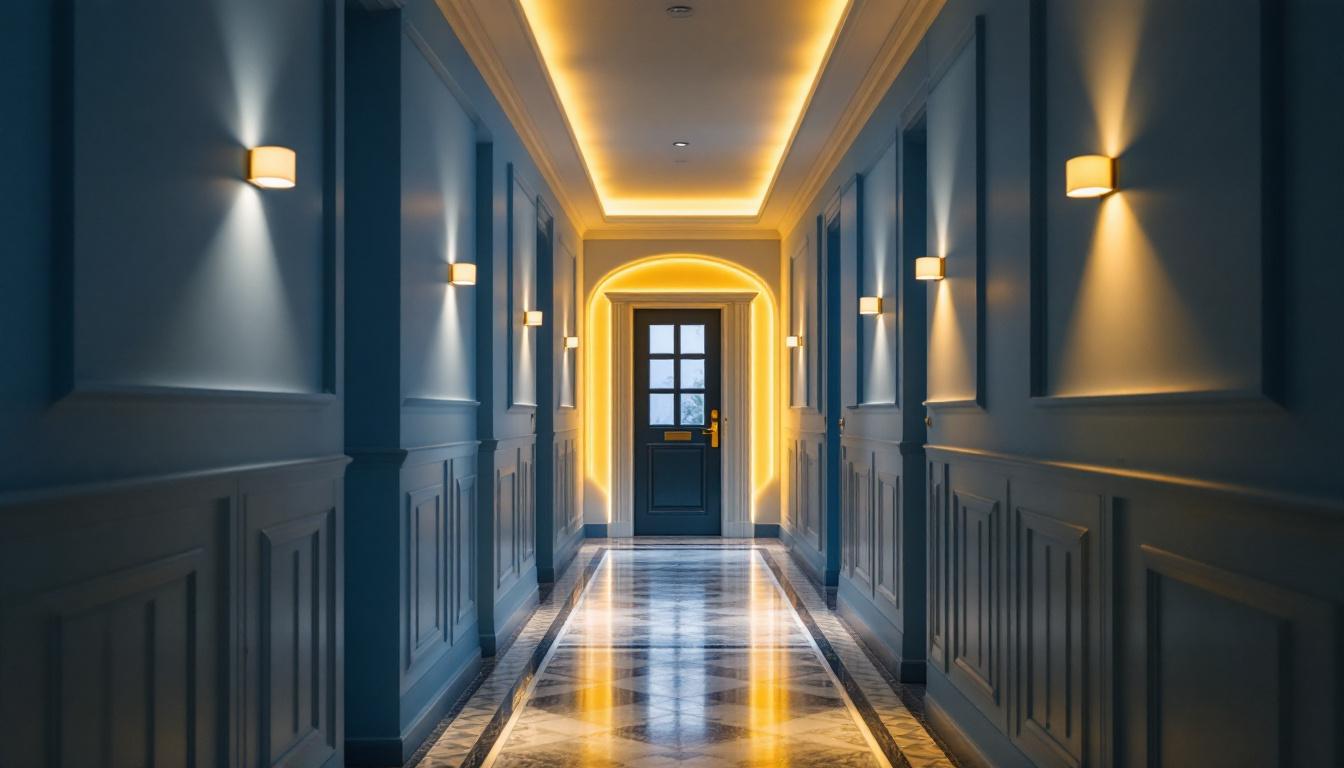
Safety is a primary concern. Hallways, especially upstairs, tend to be narrow and sometimes dimly lit, creating potential hazards. Lighting contractors must balance brightness with style, ensuring that the space is well-lit without overwhelming it. This is where modern lighting solutions come into play, offering both form and function. Innovative options such as LED strip lighting can be discreetly installed along the edges of stairs or walls, providing a soft glow that guides residents safely through the space. Additionally, motion-sensor lights can enhance safety by automatically illuminating the hall when someone approaches, reducing the risk of accidents during late-night trips.
Beyond safety, the design possibilities for upstairs hall lighting are virtually limitless. Homeowners are increasingly looking to create a cohesive aesthetic that reflects their personal style, and the upstairs hall is a prime opportunity for creative expression. From elegant chandeliers that make a statement to minimalist recessed lighting that blends seamlessly with the architecture, the choices are abundant. Incorporating dimmable fixtures can also allow for versatility, enabling occupants to adjust the ambiance according to the time of day or occasion. Furthermore, the use of accent lighting to highlight artwork or architectural features can transform a simple hallway into a gallery-like experience, inviting guests to appreciate the finer details of the home.
Current Trends in Upstairs Hall Lighting
Layered Lighting: Combining Function and Style
Layered lighting is no longer just a buzzword; it’s a practical approach that contractors should master. This involves integrating ambient, task, and accent lighting to create a versatile and visually appealing hallway.
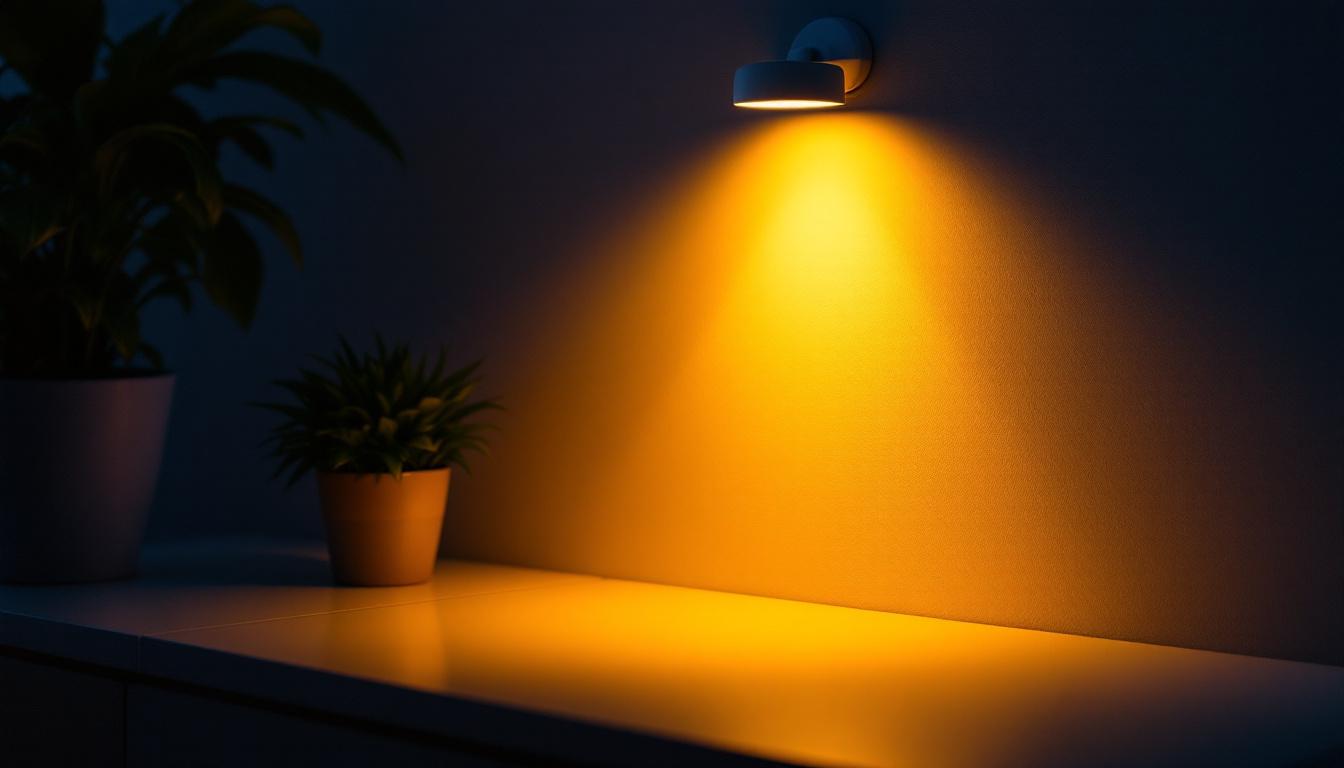
Ambient lighting provides general illumination, often through ceiling-mounted fixtures or recessed lights. Task lighting can be subtle but effective, such as wall sconces placed at strategic points to highlight artwork or architectural features. Accent lighting adds depth and drama, using LED strips or spotlights to emphasize textures or design elements.
For upstairs halls, layering these types ensures that the space is never too dark or too bright. It also allows homeowners to adjust lighting based on mood or time of day, a feature that adds significant value. Additionally, the use of dimmers can enhance the layered effect, enabling a transition from bright, energizing light during the day to softer, warmer tones in the evening. This adaptability not only enhances the aesthetic appeal but also promotes a sense of tranquility, making the upstairs hall a welcoming space for family and guests alike.
Smart Lighting Controls
Smart technology continues to revolutionize lighting installations. For upstairs halls, motion sensors and automated dimmers are becoming standard. These systems enhance convenience and energy efficiency, turning lights on only when needed and adjusting brightness automatically.
Lighting contractors should be familiar with integrating smart hubs and voice control systems. Clients often appreciate the ability to control upstairs hall lighting remotely or through preset schedules, improving both security and comfort. Furthermore, the integration of smart lighting with home automation systems allows for seamless coordination with other smart devices, such as thermostats and security cameras. This interconnectedness not only enhances the functionality of the upstairs hall but also contributes to a cohesive smart home experience, where lighting can be programmed to respond to various scenarios, such as welcoming guests or ensuring safety during the night.
Minimalist Fixtures with Maximum Impact
Minimalism remains strong in lighting design, especially for narrow or confined spaces like upstairs halls. Sleek, low-profile fixtures that blend seamlessly with ceilings or walls are preferred. However, minimalism doesn’t mean boring. Many modern fixtures use innovative materials like frosted glass, brushed metals, or matte finishes to add subtle texture and interest.
Lighting contractors should recommend fixtures that complement the home’s architectural style while providing sufficient illumination. Slim LED panels and linear lights are popular choices, offering clean lines and energy efficiency. In addition to aesthetics, the choice of fixtures can also influence the overall ambiance of the hall. For instance, fixtures with adjustable color temperatures can create different atmospheres, from a cool, invigorating light that energizes the space during the day to a warm, cozy glow that invites relaxation in the evening. This versatility allows homeowners to tailor their lighting to suit various activities, whether it’s a quiet evening at home or a lively gathering with friends.
Material and Fixture Choices That Matter
LED Technology Advancements
LED lighting has become the backbone of modern installations due to its longevity and energy savings. Recent advancements have improved color rendering, allowing LEDs to mimic natural light more accurately. This is particularly important in upstairs halls, where lighting can affect how colors and textures of walls and flooring are perceived.
Contractors should specify LEDs with a high Color Rendering Index (CRI) to ensure that spaces feel warm and inviting rather than harsh or artificial. Additionally, tunable white LEDs that adjust from cool to warm tones throughout the day enhance comfort and visual appeal. These advancements not only improve aesthetics but also contribute to the well-being of occupants by reducing eye strain and creating a more pleasant atmosphere. As the technology continues to evolve, features like integrated sensors that adjust brightness based on natural light levels are becoming more commonplace, allowing for a seamless blend between indoor and outdoor lighting conditions.
Eco-Friendly and Sustainable Options
Clients are increasingly conscious of sustainability. Lighting contractors can differentiate themselves by offering eco-friendly options, such as fixtures made from recycled materials or those designed for easy recycling at the end of their lifespan.
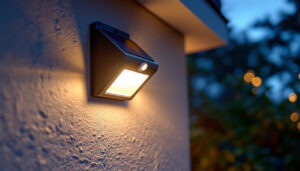
Energy-efficient LEDs combined with smart controls reduce electricity consumption significantly. Highlighting these benefits during consultations can help contractors align with client values and promote long-term savings. Moreover, the integration of solar-powered lighting solutions is gaining traction, particularly for outdoor spaces. These fixtures harness renewable energy and can be an attractive option for clients looking to minimize their carbon footprint while enhancing their property’s exterior aesthetics. Offering a range of sustainable choices not only meets the growing demand for green solutions but also positions contractors as leaders in an increasingly eco-conscious market.
Decorative Elements That Elevate Hallways
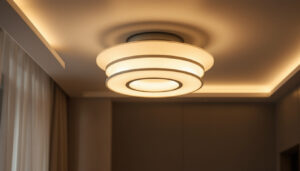
While function is critical, decorative lighting can transform an upstairs hall from a mere passageway into a statement space. Chandeliers or pendant lights scaled appropriately for the hallway’s width and ceiling height add character and charm.
For example, a series of small pendants spaced evenly can create rhythm and interest without overcrowding the space. Alternatively, flush-mount fixtures with artistic designs can serve as focal points. Lighting contractors should consider the architectural style and client preferences when selecting decorative elements. Incorporating dimmable options can further enhance the versatility of these fixtures, allowing homeowners to adjust the ambiance based on the time of day or occasion. Additionally, integrating accent lighting to highlight artwork or architectural features can draw the eye and create a more dynamic environment. By thoughtfully curating these elements, contractors can help clients achieve a cohesive design that reflects their personal style while maximizing the functionality of the space.
Installation Best Practices for Upstairs Hall Lighting
Optimizing Placement for Uniform Illumination
Lighting placement is critical in upstairs halls to avoid shadows and dark spots. Contractors should plan fixture spacing carefully, considering the length and width of the hallway as well as ceiling height.
Recessed lights spaced evenly along the ceiling often provide the best uniform coverage. Wall sconces can supplement this by illuminating vertical surfaces and adding warmth. When installing smart sensors, positioning them to detect movement accurately without false triggers is essential.
Addressing Wiring Challenges in Older Homes
Older homes often present wiring challenges that can complicate upstairs hall lighting upgrades. Lighting contractors must be prepared to troubleshoot limited access points, outdated wiring, or insufficient circuits.
Using low-voltage LED fixtures can reduce the strain on existing circuits. Wireless smart lighting solutions may also be an option, minimizing the need for extensive rewiring. Proper planning and client communication about potential limitations and solutions are key to successful installations.
Ensuring Compliance with Safety Codes
Safety codes for lighting, especially in stairways and halls, are strict for good reason. Lighting contractors must ensure that installations meet local electrical and building codes, including minimum illumination levels and fixture placement.
Emergency lighting or backup power options may be required in commercial settings. Staying current with code changes and best practices protects contractors from liability and ensures client satisfaction.
Future Directions: What Lighting Contractors Should Watch For
Human-Centric Lighting
Human-centric lighting, which adjusts color temperature and intensity to support natural circadian rhythms, is gaining traction. Upstairs halls can benefit from this by providing cooler, more alert lighting during the day and warmer, relaxing tones in the evening.
Contractors should explore tunable white LED systems and programmable controls that allow for these dynamic changes. This trend aligns well with wellness-focused design, an area of increasing client interest.
Integration with Home Automation Ecosystems
Lighting will continue to integrate more deeply with broader home automation systems. Upstairs halls, often overlooked in automation schemes, are now being included in comprehensive smart home setups.
Contractors who can offer seamless integration with security systems, HVAC controls, and voice assistants will provide added value. This requires staying updated on communication protocols and compatible devices.
Innovative Materials and Designs
Advances in materials science are enabling new fixture designs that are lighter, more durable, and customizable. 3D printing and modular lighting components allow for bespoke solutions tailored to unique upstairs hall dimensions and styles.
Contractors should keep an eye on emerging manufacturers and technologies that could offer clients cutting-edge options beyond conventional fixtures.
Conclusion
Upstairs hall lighting is an area ripe with opportunity for lighting contractors willing to go beyond basic installations. By embracing layered lighting, smart controls, and sustainable materials, contractors can enhance safety, functionality, and style in these transitional spaces.
Understanding the nuances of fixture selection, placement, and emerging trends ensures that projects meet client expectations and stand the test of time. Staying informed and adaptable will keep contractors at the forefront of this specialized but impactful segment of lighting design.
Illuminate Your Projects with LumenWholesale
Ready to elevate your upstairs hall lighting projects with the latest trends and top-quality fixtures? Look no further than LumenWholesale, where we provide lighting contractors with spec-grade lighting products at unbeatable wholesale prices. Our extensive selection is designed to meet the highest industry standards, ensuring you get reliable, high-performance lighting for every project. Plus, with free shipping on bulk orders, you can enjoy premium lighting at the best value — without hidden fees or compromises. Don’t settle for less; choose LumenWholesale for quality, affordability, and convenience. Wholesale Lighting at the Best Value is just a click away.