Understanding the Growing Demand for Grow Lights
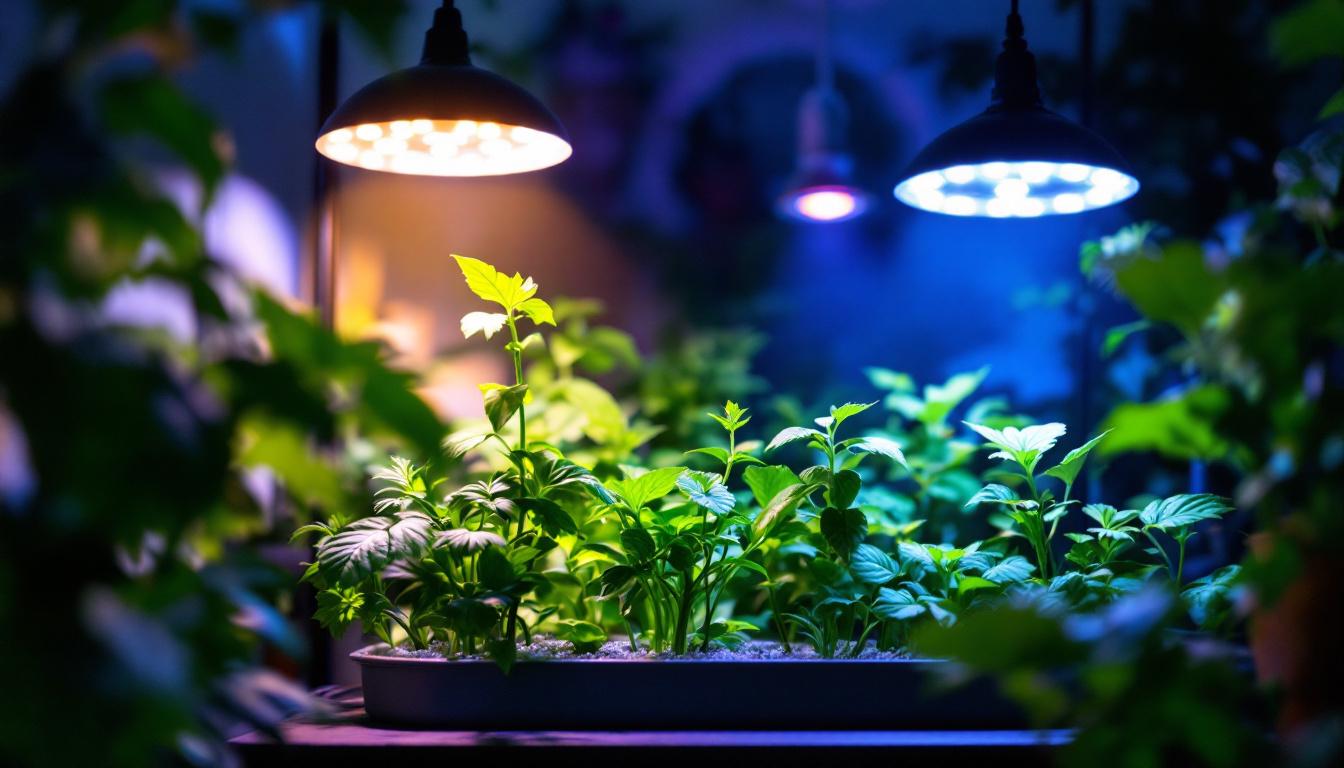
In recent years, the horticulture and indoor gardening industries have experienced a significant surge, driven by increasing interest in sustainable agriculture, urban farming, and home gardening. This trend has led to a booming market for grow lights, devices designed to provide plants with the specific light spectrum necessary for photosynthesis and healthy growth. For lighting contractors, understanding this demand is crucial to effectively serving clients who seek expert advice on grow light solutions.
Clients today are more informed and discerning, often researching products and technologies before reaching out to professionals. They expect lighting contractors not only to be knowledgeable about the technical specifications of grow lights but also to understand the practical applications and benefits for different types of plants and growing environments. This shift underscores the importance of staying current with industry trends and technological advancements.
Market Growth and Client Expectations
The global grow light market continues to expand rapidly, with projections indicating consistent growth fueled by the rise of indoor farming and controlled environment agriculture. This growth translates into a diverse client base, ranging from commercial growers to hobbyists, each with unique needs and expectations. Lighting contractors must be prepared to cater to this spectrum by offering tailored solutions that balance efficiency, cost, and plant health.
Clients expect contractors to provide comprehensive consultations that include assessments of space, plant species, and desired outcomes. They also look for guidance on energy consumption, light intensity, and spectrum, as well as advice on installation and maintenance. Meeting these expectations requires a blend of technical expertise and practical experience.
Moreover, the evolution of grow light technology has introduced a variety of options, including LED, fluorescent, and high-intensity discharge (HID) lights, each with distinct advantages and disadvantages. For instance, LED grow lights are celebrated for their energy efficiency and longevity, making them an attractive choice for both large-scale operations and home gardeners. On the other hand, HID lights are often favored for their ability to produce high-intensity light, which can be beneficial for certain plants during specific growth stages. Understanding these nuances allows contractors to make informed recommendations that align with their clients’ specific goals and budgets.
Additionally, the integration of smart technology into grow lights is becoming increasingly popular, allowing for automated adjustments based on real-time data such as temperature and humidity levels. This innovation not only enhances plant growth but also simplifies the gardening process for clients, making it more accessible for those who may not have extensive horticultural knowledge. As such, lighting contractors who can navigate these advancements and offer insights into smart grow light systems will be well-positioned to meet the evolving demands of their clientele.
Technical Knowledge Lighting Contractors Must Master
To excel in advising clients on grow lights, lighting contractors must possess a deep understanding of the technology behind these systems. This knowledge includes the types of grow lights available, their advantages and limitations, and how to optimize their use for various horticultural applications. A solid grasp of the science behind photosynthesis and how different light wavelengths affect plant health is crucial for contractors to provide informed recommendations.
Types of Grow Lights and Their Applications
Grow lights come in several varieties, each suited to different growing conditions and plant requirements:
- Fluorescent Lights: Commonly used for seedlings and low-light plants, fluorescent lights are energy-efficient and produce less heat, making them suitable for small-scale or home gardening setups. They are particularly effective for starting seeds indoors, as they provide a gentle light that encourages healthy sprout development without overwhelming young plants.
- High-Intensity Discharge (HID) Lights: Including Metal Halide (MH) and High-Pressure Sodium (HPS) lamps, HID lights are favored in commercial operations for their high light output and effectiveness in promoting vegetative growth and flowering. These lights are often used in larger setups where the intensity of light is critical for maximizing yield, especially in greenhouses and indoor farms.
- Light Emitting Diodes (LEDs): LEDs have become the industry standard due to their energy efficiency, customizable light spectra, and long lifespan. They allow precise control over the light environment, which can enhance plant growth and reduce operational costs. Moreover, advancements in LED technology have led to the development of smart lighting systems that can be programmed to adjust light intensity and spectrum based on real-time plant needs.
Lighting contractors should be able to recommend the most appropriate type based on the client’s specific needs, budget, and space constraints. Understanding the unique requirements of various plant species and growth stages can further enhance their ability to provide tailored solutions.
Key Technical Considerations
Beyond selecting the right type of grow light, contractors must understand critical technical factors such as:
- Light Spectrum: Different wavelengths influence plant growth stages. Blue light promotes vegetative growth, while red light encourages flowering and fruiting. Full-spectrum LEDs mimic natural sunlight and can support all growth phases. Additionally, some advanced systems allow for the adjustment of light spectra throughout the growth cycle, optimizing conditions for each stage of development.
- Light Intensity and Coverage: Proper light intensity ensures plants receive adequate energy without causing stress or damage. Contractors must calculate the appropriate wattage and fixture placement to achieve uniform coverage. Utilizing light meters can help in assessing the intensity at various points in the growing area, ensuring that all plants receive sufficient light.
- Photoperiod Control: Many plants require specific light-dark cycles. Lighting contractors should advise on timers and control systems to automate photoperiods effectively. This can include programmable timers that adjust lighting schedules according to seasonal changes or specific plant needs, ensuring optimal growth conditions year-round.
- Heat Management: Excess heat can harm plants and increase cooling costs. Understanding the thermal output of different grow lights and recommending proper ventilation or cooling solutions is essential. Contractors should also consider the layout of the growing area to ensure that heat is evenly distributed and does not create hot spots that could stress plants.
Energy Efficiency and Sustainability in Grow Lighting
Energy consumption is a significant concern for clients investing in grow lights, especially those operating large-scale indoor farms. Lighting contractors must be equipped to address these concerns by recommending energy-efficient solutions that reduce operational costs and environmental impact.
The Rise of LED Technology
LED grow lights have revolutionized the industry by offering substantial energy savings compared to traditional HID and fluorescent lights. Their efficiency not only lowers electricity bills but also aligns with growing consumer demand for sustainable practices. Contractors should emphasize these benefits when discussing options with clients.
Furthermore, LEDs generate less heat, reducing the need for extensive cooling systems and further cutting energy use. This advantage is particularly attractive for urban growers with limited space and strict environmental controls.
Incorporating Smart Controls and Automation
Modern grow light systems often integrate smart controls that allow for precise adjustments of light intensity, spectrum, and photoperiods. These features optimize plant growth while minimizing waste. Lighting contractors should be familiar with these technologies and able to guide clients in selecting systems that offer remote monitoring and automation capabilities.
Smart controls can also provide data analytics, helping growers track energy consumption and plant performance. This information supports informed decision-making and continuous improvement of growing operations.
Installation Best Practices and Client Communication
Successful grow light installations require meticulous planning and execution. Lighting contractors must not only deliver technical excellence but also communicate effectively with clients throughout the process.
Site Assessment and Customized Solutions
Each grow environment presents unique challenges, from room dimensions and ceiling height to existing electrical infrastructure. Conducting thorough site assessments enables contractors to design lighting layouts that maximize efficiency and plant health.
Customization is key. Clients appreciate solutions tailored to their specific goals, whether it’s maximizing yield, improving plant quality, or minimizing energy costs. Offering multiple options and explaining the trade-offs helps clients make informed choices.
Clear Communication and Education
Clients often rely on lighting contractors as trusted advisors. Providing clear explanations about how grow lights work, what to expect during installation, and how to maintain the system builds confidence and satisfaction.
Educational resources, such as user manuals, maintenance guides, and troubleshooting tips, enhance the client experience. Contractors who invest time in client education often see higher referral rates and repeat business.
Common Challenges and How Lighting Contractors Can Address Them
Despite the benefits of grow lights, clients may encounter challenges that require expert intervention. Lighting contractors who anticipate and proactively address these issues position themselves as invaluable partners.
Managing Heat and Ventilation
Excessive heat from grow lights can stress plants and increase cooling costs. Contractors should recommend appropriate ventilation systems or cooling solutions to maintain optimal growing conditions. This might include exhaust fans, air conditioning, or heat sinks integrated with the lighting fixtures.
Balancing Initial Costs with Long-Term Savings
Clients often hesitate due to the upfront investment required for high-quality grow lights, especially LEDs. Lighting contractors can help by presenting cost-benefit analyses that highlight long-term energy savings, reduced maintenance, and improved crop yields.
Ensuring Compliance with Regulations
Indoor growing operations may be subject to local electrical codes and safety standards. Lighting contractors must ensure installations comply with these regulations to avoid legal issues and ensure client safety. Staying updated on relevant codes and obtaining necessary permits is part of professional responsibility.
Conclusion: Elevating Client Trust Through Expertise
As the grow light market continues to evolve, lighting contractors play a pivotal role in guiding clients through complex decisions. By mastering the technical aspects of grow lighting, emphasizing energy efficiency, and delivering personalized, well-communicated solutions, contractors can exceed client expectations and build lasting relationships.
Clients today demand more than just product installation; they seek knowledgeable partners who understand their unique growing needs and can provide insightful, practical advice. Lighting contractors who rise to this challenge will not only thrive in a competitive market but also contribute to the success and sustainability of the indoor growing community.
Illuminate Your Projects with LumenWholesale
Ready to elevate your lighting solutions and exceed your clients’ expectations? LumenWholesale is here to support your journey with premium, spec-grade grow lights at unbeatable wholesale prices. Say goodbye to middleman markups and hello to a vast selection of industry-standard lighting products that promise reliability and high performance. With free shipping on bulk orders, you can stock up on the best lighting solutions without worrying about hidden fees. Make the smart choice for your business and visit Wholesale Lighting at the Best Value to discover how we blend quality, affordability, and convenience to light up your projects.