Understanding Indoor Solar Powered Lighting
Indoor solar powered lighting might sound like a contradiction at first. After all, solar panels need sunlight to generate electricity, and indoor spaces typically lack direct sun exposure. Yet, advances in solar technology and lighting design have made it possible to harness solar energy indoors effectively. For lighting contractors, this opens up new avenues for sustainable, cost-effective lighting solutions that appeal to environmentally conscious clients.
At its core, indoor solar powered lighting involves capturing sunlight—often through strategically placed solar panels on rooftops or windows—and storing that energy for use inside buildings. This stored energy then powers LED lights or other efficient fixtures within the interior space. It’s a system that combines renewable energy with smart lighting design, reducing reliance on conventional electricity sources and lowering energy costs. The integration of solar energy not only contributes to a greener environment but also enhances the aesthetic appeal of spaces by utilizing innovative lighting solutions that can be tailored to various design preferences.
How Indoor Solar Lighting Systems Work
These systems typically consist of solar panels installed in areas with ample sunlight exposure, a battery storage unit, and LED lighting fixtures. The panels convert sunlight into electrical energy, which charges the batteries during the day. When natural light diminishes, the stored energy powers the indoor lights. This technology is particularly beneficial in urban environments where traditional lighting can contribute significantly to the heat island effect, as solar-powered systems can mitigate this issue by reducing the overall energy consumption of buildings.
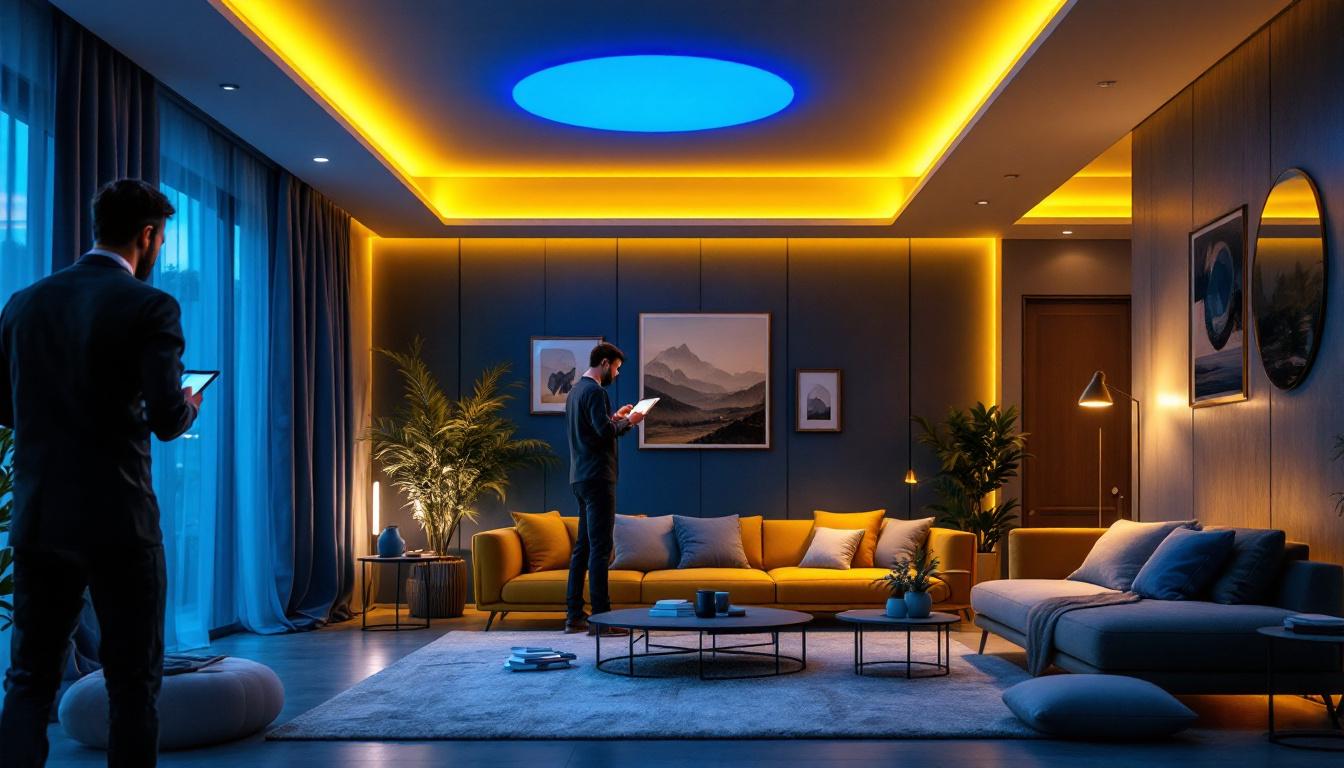
Some systems incorporate smart controls, such as motion sensors or daylight harvesting technology, to optimize energy use. This means lights only activate when needed or adjust brightness based on ambient light, maximizing efficiency. Furthermore, the ability to program these systems allows for customizable lighting schedules that can enhance security and comfort within a space, making them an attractive option for both residential and commercial properties.
Why Lighting Contractors Should Care
For lighting contractors, understanding indoor solar powered lighting is crucial as demand for green building solutions grows. Clients increasingly seek options that reduce carbon footprints and offer long-term savings. Offering expertise in solar-powered indoor lighting can differentiate contractors in a competitive market and align them with sustainability trends. Additionally, as more municipalities and governments implement regulations and incentives for renewable energy use, contractors who are knowledgeable about solar lighting systems can better position themselves to take advantage of these opportunities, ultimately leading to increased business and client satisfaction.
Moreover, the adoption of indoor solar lighting systems can enhance a contractor’s portfolio, showcasing their commitment to innovation and sustainability. By integrating solar technology into their offerings, contractors can appeal to a wider range of clients, from eco-friendly homeowners to large corporations looking to enhance their corporate social responsibility initiatives. As the technology continues to evolve, staying informed about the latest advancements in solar lighting can empower contractors to provide cutting-edge solutions that meet the diverse needs of their clientele.
Key Components of Indoor Solar Lighting Systems
Solar Panels
Solar panels are the heart of any solar lighting system. While outdoor panels are common, indoor solar lighting relies on panels placed in sunlit areas such as rooftops, skylights, or large windows. The efficiency of these panels depends on their type and placement.
Monocrystalline panels are often preferred for their higher efficiency and smaller size, which is beneficial when space is limited. Polycrystalline panels offer a more cost-effective option but with slightly less efficiency. Thin-film solar panels, though less efficient, can be integrated into windows or building materials, offering innovative design possibilities.
Energy Storage: Batteries
Energy storage is critical for indoor solar lighting because it ensures power availability when sunlight is absent. Lithium-ion batteries are the industry standard due to their high energy density, longevity, and relatively low maintenance. Lead-acid batteries are less common but still used in budget-conscious projects.
Battery capacity must be carefully calculated based on the lighting load and expected usage hours. Proper sizing prevents energy shortages and extends battery life, which is a vital consideration for contractors advising clients on system design.
Lighting Fixtures and Controls
LED lighting is the preferred choice for indoor solar systems because of its low power consumption and long lifespan. LEDs provide bright, consistent illumination while minimizing energy draw, making them ideal for solar-powered applications.
Integrating smart controls enhances system performance. Motion sensors, timers, and daylight sensors can reduce unnecessary energy use by turning lights on only when needed or adjusting brightness based on ambient conditions. These features also improve user experience and add value to the installation.
Design Considerations for Indoor Solar Lighting
Assessing Sunlight Availability
One of the biggest challenges in indoor solar lighting design is ensuring adequate sunlight capture. Not all buildings or rooms receive enough natural light to support a solar system. Contractors must evaluate site conditions carefully, including roof orientation, shading from nearby structures or trees, and seasonal variations in sunlight.
Tools like solar pathfinders or light meters can help quantify sunlight availability. When direct sunlight is limited, alternative approaches such as using higher-efficiency panels or augmenting with grid power may be necessary.
System Sizing and Load Calculation
Accurate load calculation is essential to avoid under- or oversizing the system. Contractors need to determine the total wattage of the lighting fixtures and estimate daily usage hours. This data informs the size of the solar array and battery bank required to meet energy demands reliably.
Oversized systems increase upfront costs unnecessarily, while undersized systems lead to frequent outages and dissatisfied clients. Balancing these factors is key to a successful installation.
Integration with Existing Electrical Systems
Indoor solar lighting systems can operate independently or be integrated with a building’s existing electrical infrastructure. Hybrid systems allow solar energy to supplement grid power, providing flexibility and reliability.
Contractors must ensure compatibility between solar components and existing wiring, switches, and controls. Proper integration also involves compliance with electrical codes and safety standards, which vary by region.
Benefits of Indoor Solar Powered Lighting
Energy Savings and Cost Efficiency
Solar powered lighting significantly reduces electricity bills by offsetting grid consumption. Over time, the savings can cover the initial investment and generate additional financial benefits. For commercial clients, this translates to lower operating costs and improved profit margins.
Maintenance costs are also lower compared to traditional lighting systems because LEDs last longer and solar components require minimal upkeep.
Environmental Impact
Using solar energy indoors reduces greenhouse gas emissions associated with fossil-fuel-based electricity generation. This contributes to corporate sustainability goals and helps clients meet regulatory requirements or green building certifications such as LEED or WELL.
Lighting contractors who promote these environmental benefits can position themselves as leaders in sustainable building practices.
Resilience and Independence
Solar powered lighting systems provide a degree of energy independence, which is valuable during power outages or in remote locations where grid access is unreliable. This resilience enhances safety and convenience for occupants.
Challenges and Limitations
Initial Investment and Payback Period
The upfront cost of solar panels, batteries, and smart controls can be higher than conventional lighting systems. While energy savings offset this over time, the payback period varies depending on system size, local electricity rates, and incentives.
Contractors should help clients understand these financial dynamics and explore available subsidies or tax credits to improve affordability.
Space Constraints and Aesthetic Concerns
Installing solar panels and batteries requires space, which may be limited in some buildings. Additionally, clients may have aesthetic preferences that influence panel placement or fixture design.
Innovative solutions like integrating thin-film panels into windows or using compact battery units can address these concerns but may involve trade-offs in efficiency or cost.
Performance Variability
Solar energy production depends on weather and seasonal changes, which can affect lighting reliability. Cloudy days or long winters reduce energy generation, necessitating larger storage or backup systems.
Contractors must design systems with these variables in mind to ensure consistent indoor lighting performance.
Best Practices for Lighting Contractors
Conduct Thorough Site Assessments
Before recommending an indoor solar lighting system, perform detailed site evaluations. Measure sunlight availability, assess electrical infrastructure, and understand client needs thoroughly. This groundwork prevents costly errors and ensures system suitability.
Educate Clients on Benefits and Limitations
Transparency about what indoor solar lighting can and cannot achieve builds trust. Explain energy savings, environmental impact, maintenance requirements, and potential challenges clearly. Well-informed clients are more likely to be satisfied with their investment.
Stay Updated on Technology and Incentives
Solar technology and government incentives evolve rapidly. Keeping abreast of the latest panel efficiencies, battery innovations, and financial programs allows contractors to offer cutting-edge solutions and maximize client benefits.
Focus on Quality Components and Installation
Using reputable products and adhering to best installation practices ensures system longevity and performance. Proper wiring, secure panel mounting, and correct battery management are critical to avoid failures and costly repairs.
Future Trends in Indoor Solar Powered Lighting
Emerging technologies promise to make indoor solar lighting more efficient and accessible. Innovations like transparent solar windows, building-integrated photovoltaics (BIPV), and advanced energy management systems will expand design possibilities.
Additionally, the integration of Internet of Things (IoT) devices enables smarter lighting control, predictive maintenance, and energy optimization. Lighting contractors who embrace these trends will be well-positioned to meet growing demand for sustainable, tech-savvy solutions.
Conclusion
Indoor solar powered lighting represents a compelling opportunity for lighting contractors to deliver sustainable, cost-effective, and resilient lighting solutions. Understanding the components, design considerations, and challenges is essential for successful installations.
By leveraging advances in solar technology and smart controls, contractors can help clients reduce energy costs, minimize environmental impact, and enhance building performance. Staying informed and adopting best practices will ensure contractors remain competitive and trusted advisors in the evolving lighting market.
Illuminate Your Projects with LumenWholesale
Ready to elevate your lighting solutions with the power of solar? At LumenWholesale, we provide lighting contractors with the highest quality, spec-grade indoor solar powered lighting products at unbeatable wholesale prices. Say goodbye to local distributor markups and hello to superior lighting products that meet the highest industry standards. With our hassle-free bulk buying and free shipping, you can trust that you’re getting premium lighting at the best value — without any hidden fees. Enhance your lighting projects with the perfect blend of quality, affordability, and convenience. Wholesale Lighting at the Best Value is just a click away.